



• Computing
  • Mobile
  • Lifestyle
  • PC Guides
  • Reviews
  • Tech Explained
    • Windows
    • Linux
    • Mac
    • ChromeOS
    • Android
    • iOS
    • Gadgets
    • Productivity
    • Smart Home
    • Social Media
    • Gaming
  • Internet
  • Tech Explained
  • News

More from us

  • Reviews
  • Cheatsheets
  • Buying Guides
  • Deals
  • Newsletter

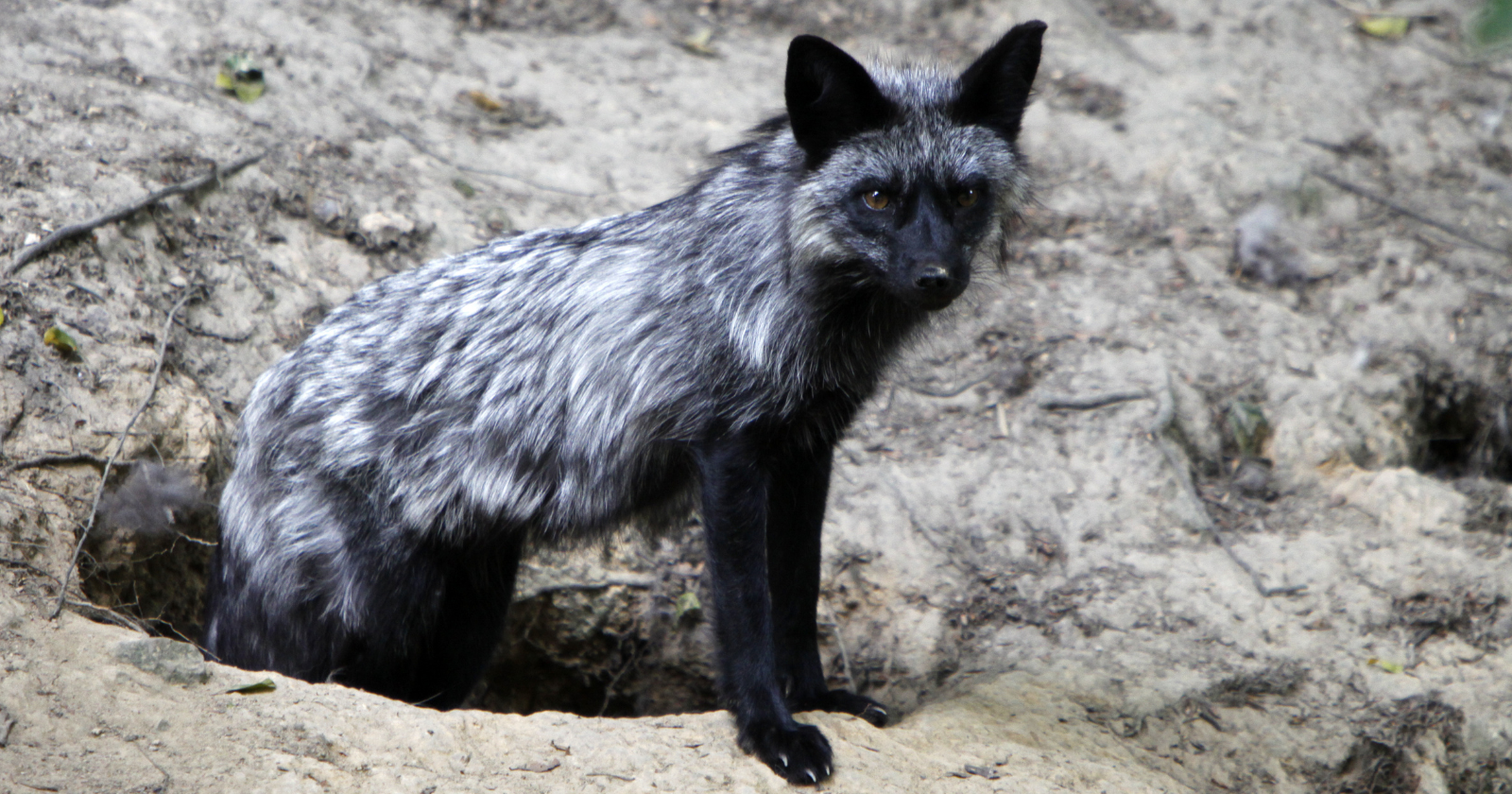
In 1959, a Soviet research team in Novosibirsk began breeding silver foxes for nothing but tameness, and within forty generations the animals had floppy ears, curled tails, piebald coats, and a bark, traits no one had selected for but which appeared on their own once fear was removed.

By Make Tech Easier Editorial Team – Jun 4, 2026

In October 2002, a Russian scientist named Dimitri Malashenkov stood up at a space conference in Houston and quietly explained that the dog Laika, whom the Soviet Union had publicly mourned as a heroic week-long orbiter in 1957, had actually died of heat and panic within about five hours of launch.

By Make Tech Easier Editorial Team – Jun 4, 2026

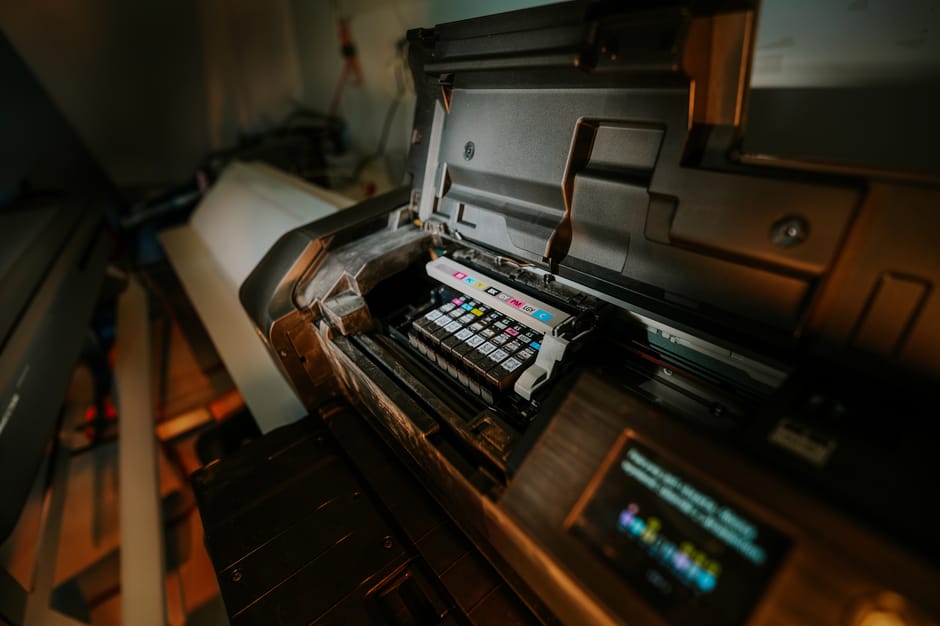
Close-up view of an inkjet printer with exposed cartridges in a workspace setting.

In May 2017, an NSA contractor named Reality Winner mailed a printed classified document to a news outlet, and federal agents identified her within days because the yellow tracking dots on the page named the exact printer in her office and the minute she had pressed print.

By Make Tech Easier Editorial Team – Jun 4, 2026

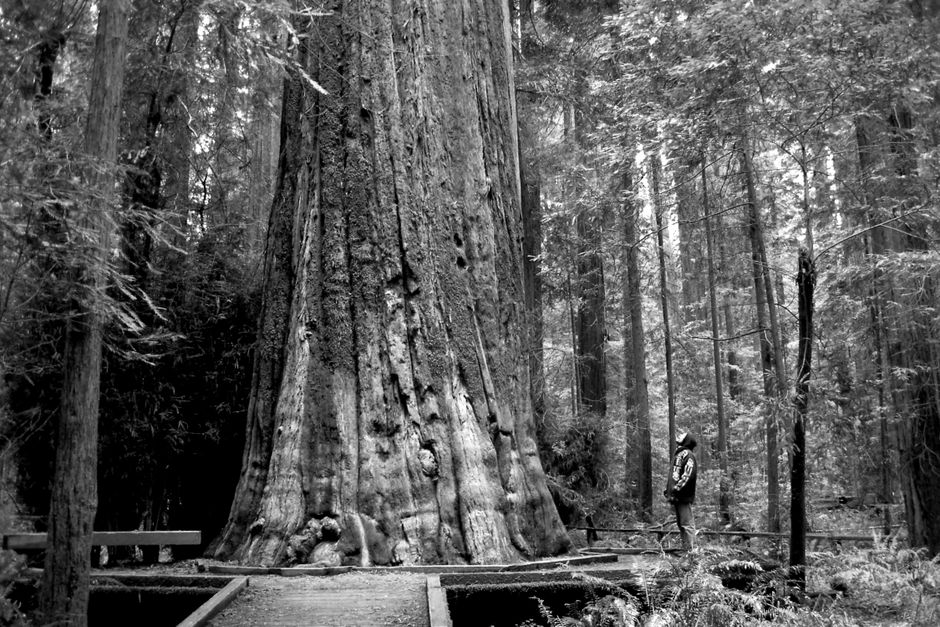
A person in a redwood forest admires the majestic, towering trees in black and white.

In August 2006, naturalists Chris Atkins and Michael Taylor waded into a remote grove in Redwood National Park and pointed a laser rangefinder at a tree that turned out to be 380 feet tall, and the National Park Service has refused to disclose its location ever since, fearing the foot traffic alone would kill it.

By Make Tech Easier Editorial Team – Jun 2, 2026

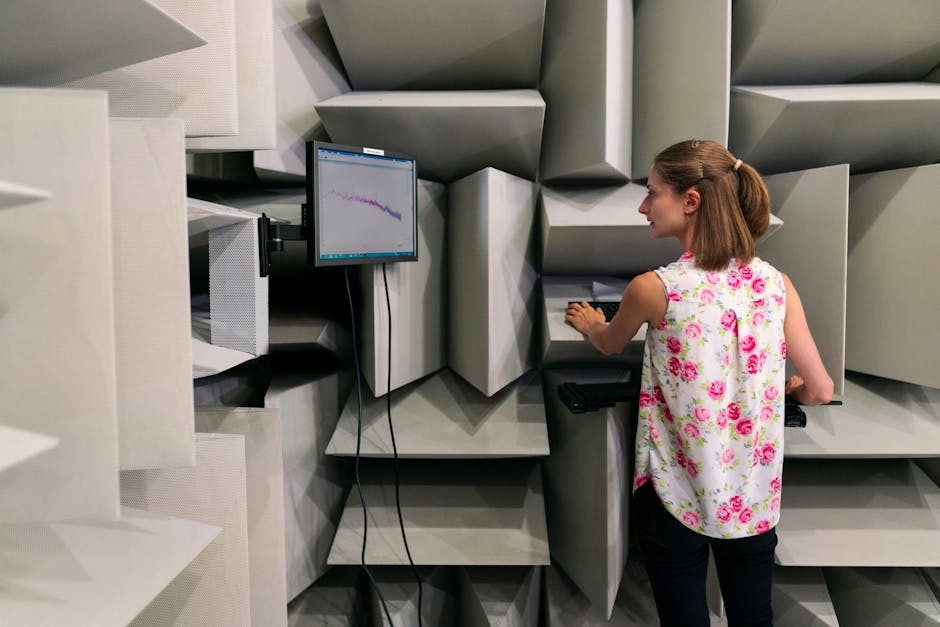
Female engineer testing sound waves in an anechoic chamber with a monitor.

Inside a six-walled wedge-foam chamber on Microsoft’s Redmond campus, the background sound is so far below human hearing that visitors start to perceive the grinding of their own joints, the rush of blood in their ears, and eventually a faint ringing that turns out to be the firing of their own nerves.

By Make Tech Easier Editorial Team – Jun 2, 2026

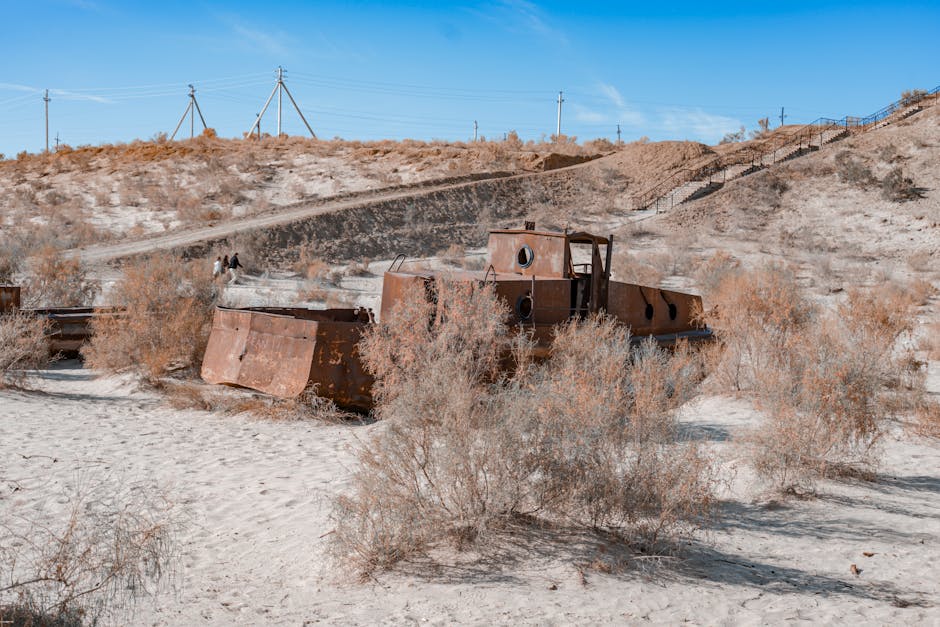
Rusted shipwreck in the desert sands of the Aral Sea in Uzbekistan, illustrating ecological decline.

In November 1988, an unmanned Soviet space shuttle called Buran flew a full orbital mission and landed itself in a blizzard at Baikonur without a single human input, and three years later the country that built it no longer existed.

By Make Tech Easier Editorial Team – Jun 1, 2026

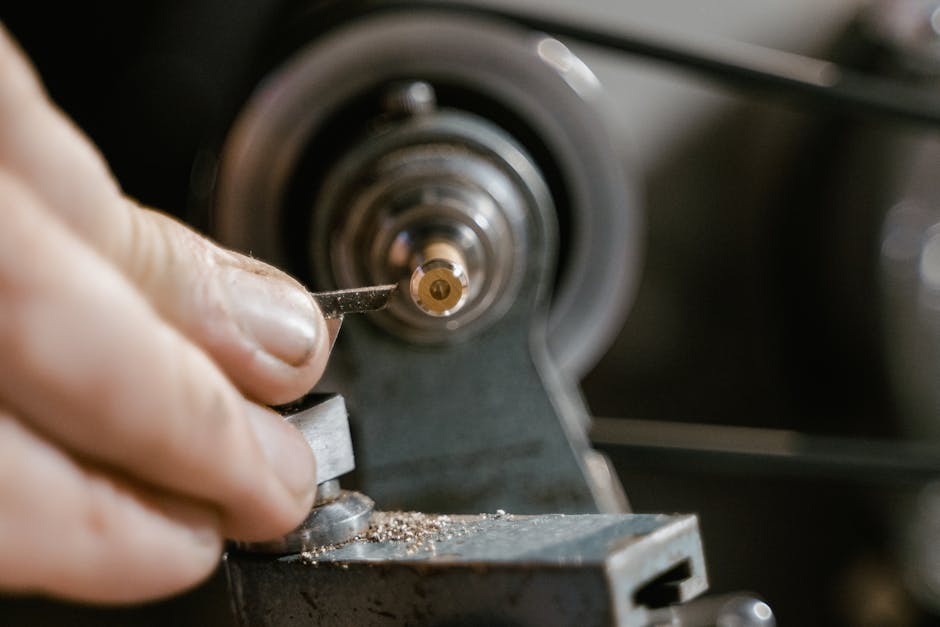
Detailed view of hands crafting a metal component on a lathe. Precision and skill in focus.

In 1901, sponge divers off the Greek island of Antikythera pulled a corroded lump of bronze out of a Roman shipwreck, and it sat in an Athens museum for half a century before anyone realised they had found a 2,000-year-old computer that could predict eclipses 19 years in advance.

By Make Tech Easier Editorial Team – Jun 1, 2026

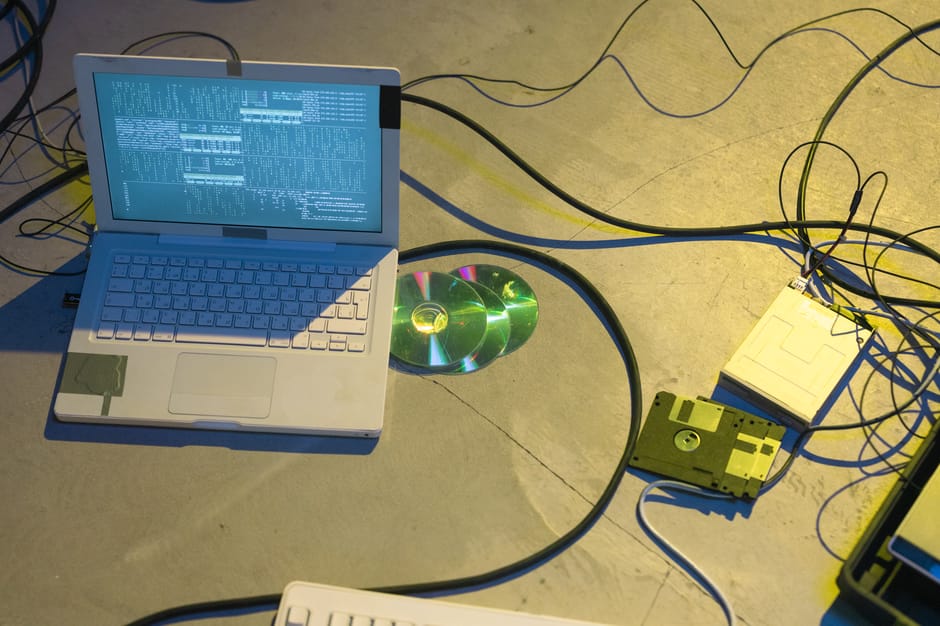
An overhead view of a vintage electronics setup featuring a laptop and disks with tangled cables.

When Boeing 747-400 pilots needed to update their navigation database as late as 2020, a technician would walk onto the flight deck with eight 3.5-inch floppy disks and feed them one at a time into a slot beside the captain’s seat, because recertifying anything newer than the 1989 avionics would have cost hundreds of millions of dollars.

By Make Tech Easier Editorial Team – Jun 1, 2026

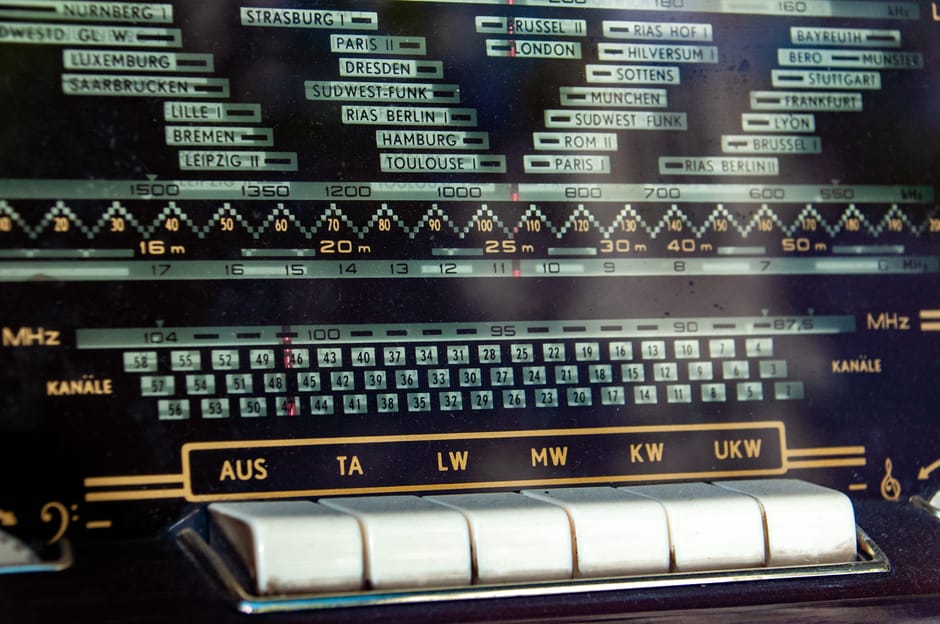
Close-up of a vintage radio dial displaying frequency bands and station names.

When the U.S. military finally deployed frequency-hopping spread spectrum on Navy ships during the 1962 Cuban Missile Crisis blockade, the patent that described the technique had expired three years earlier, and its inventor was watching the news in a Los Angeles bungalow without any idea her idea was at sea.

By Make Tech Easier Editorial Team – Jun 1, 2026

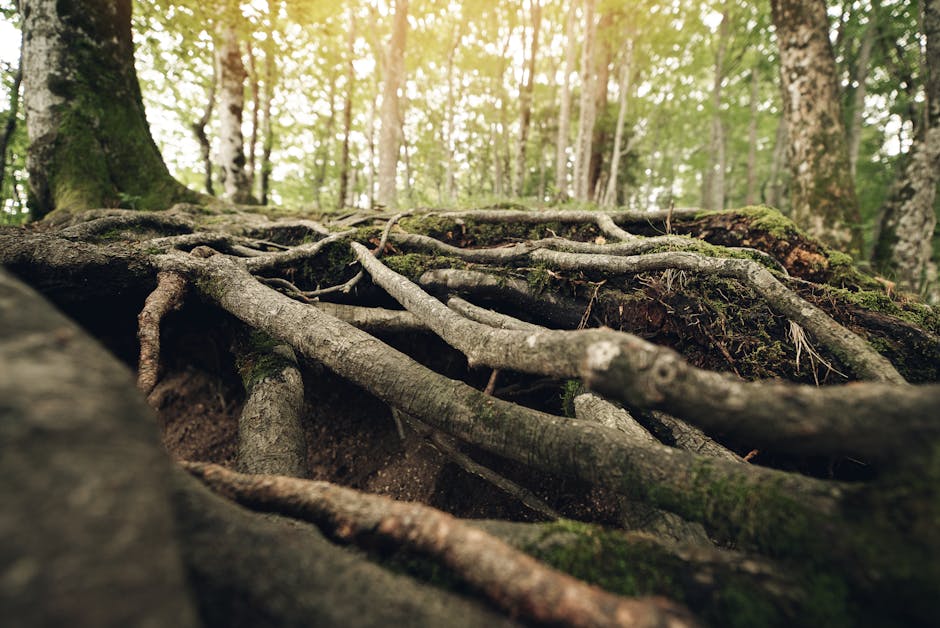
Close-up of tree roots in a sunlit forest, showcasing natural textures and greenery.

Suzanne Simard sealed paper birch and Douglas fir seedlings inside plastic bags, fed them carbon-14 and carbon-13 dioxide, and nine days later found carbon had crossed between species through fungal threads in the British Columbia soil beneath her boots

By Make Tech Easier Editorial Team – May 31, 2026

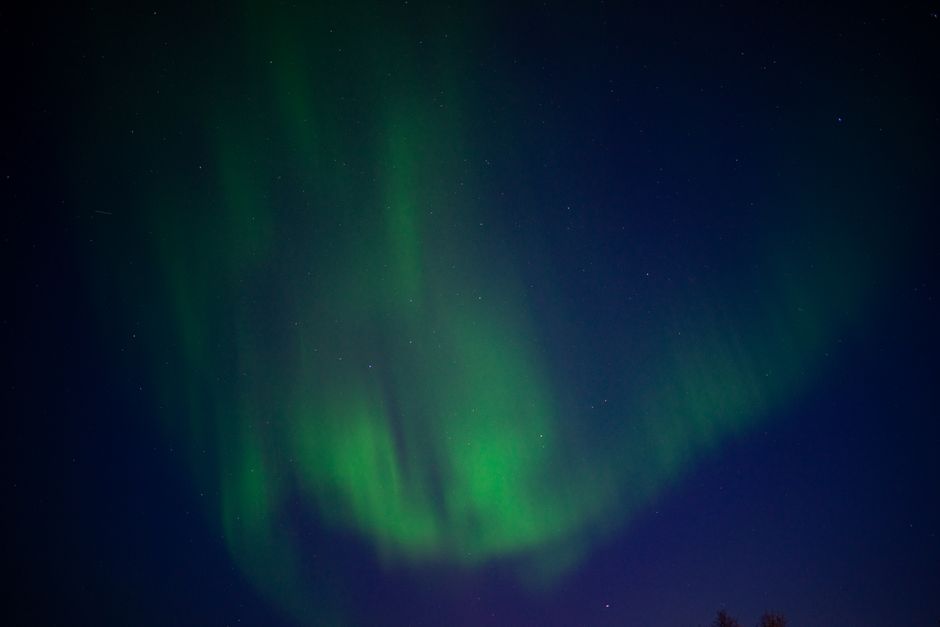
Stunning Aurora Borealis illuminating the night sky in Karasjok, Norway.

In the small hours of 2 September 1859, a telegraph operator in Portland, Maine disconnected his batteries because they were throwing sparks, and then discovered he could still send a clean message to Boston using nothing but the current the aurora was pushing through the wire above his head.

By Make Tech Easier Editorial Team – May 31, 2026

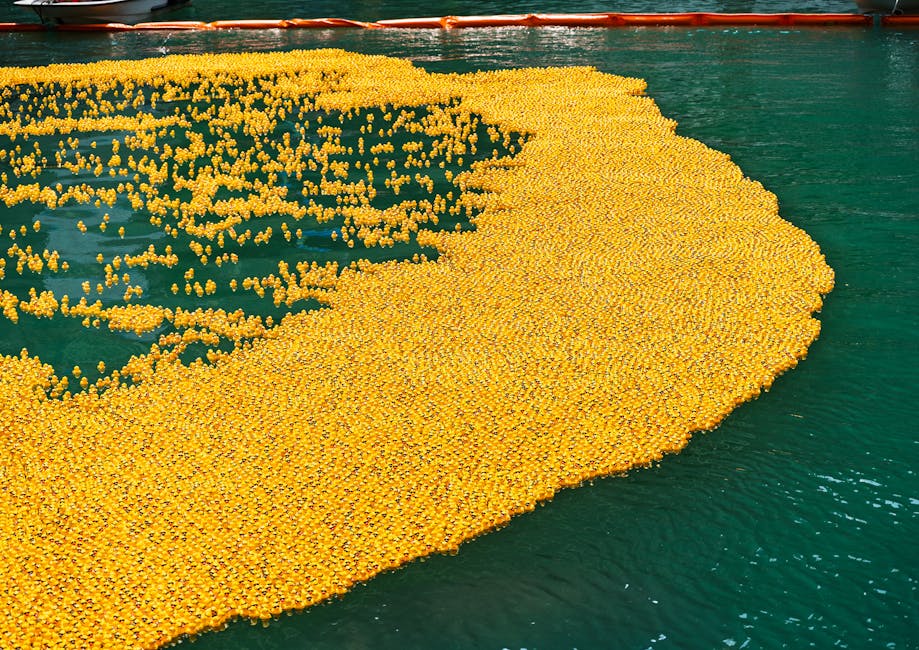
Thousands of yellow rubber ducks float in a vibrant pattern on Chicago's river waters.

In 1992, a container ship leaving Hong Kong lost 28,800 plastic bath toys overboard in the North Pacific, and oceanographer Curtis Ebbesmeyer spent the next two decades tracking yellow ducks and blue turtles as they washed up in Alaska, Maine, and eventually the coast of Scotland, quietly rewriting the textbook map of ocean currents.

By Make Tech Easier Editorial Team – May 31, 2026

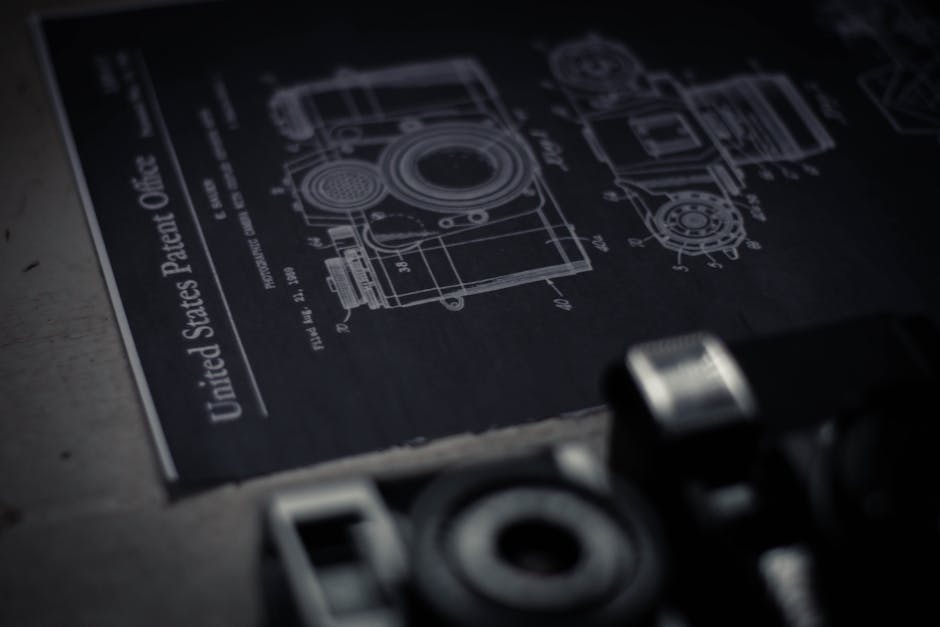
Black and white of operation manual with parts of modern photo camera and directions for users on table in room

In 1942, Hollywood actress Hedy Lamarr and avant-garde composer George Antheil received US Patent 2,292,387 for a frequency-hopping radio system synchronised by a perforated paper roll borrowed from a player piano, a technique the Navy filed away as unworkable and which now underpins every Wi-Fi router, Bluetooth earbud, and GPS receiver on Earth.

By Make Tech Easier Editorial Team – May 31, 2026

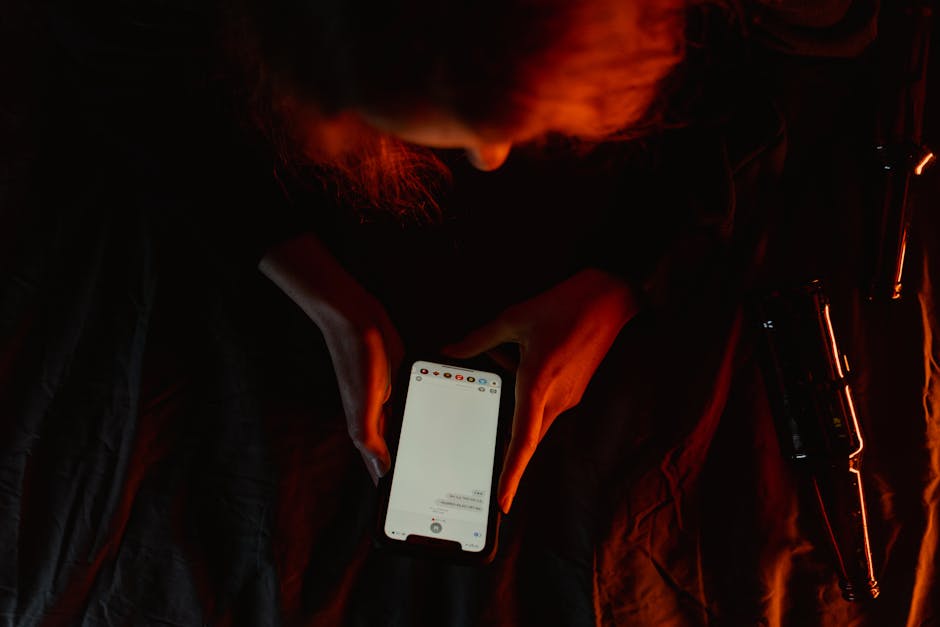
A person using a smartphone in dim, moody lighting with a dark background.

In 1979, a Sony engineer named Nobutoshi Kihara built the first Walkman prototype in four days because his boss Masaru Ibuka wanted to listen to opera on long flights, and the team launched it with no advertising budget, no headphone jack standard, and an internal forecast of 5,000 units a month that the device beat in its first fortnight.

By Make Tech Easier Editorial Team – May 31, 2026

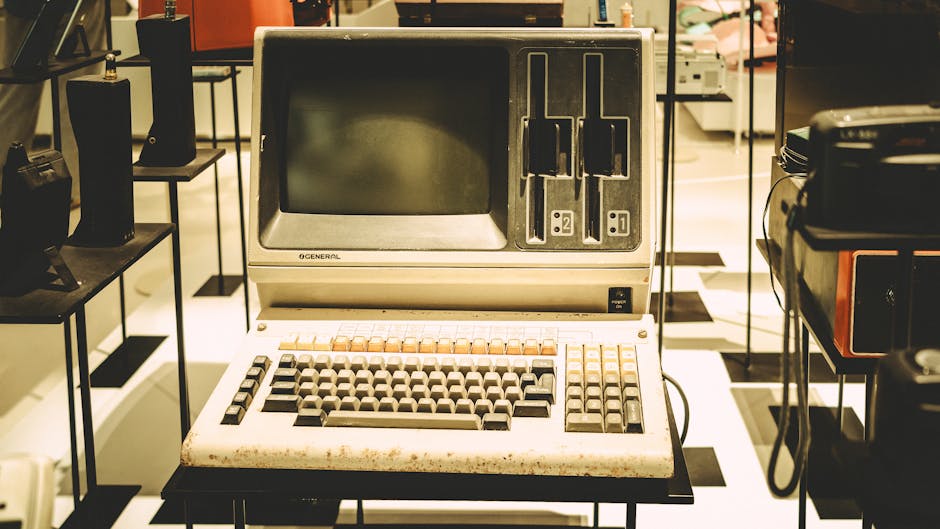
Old-fashioned General computer on display with a vintage keyboard and disk slots.

In 1985, registering a .com domain cost nothing, required a technical request rather than a shopping cart, and produced only six names in twelve months, before the millionth .com arrived in 1997 and the 100 million mark in 2012

By Make Tech Easier Editorial Team – May 30, 2026

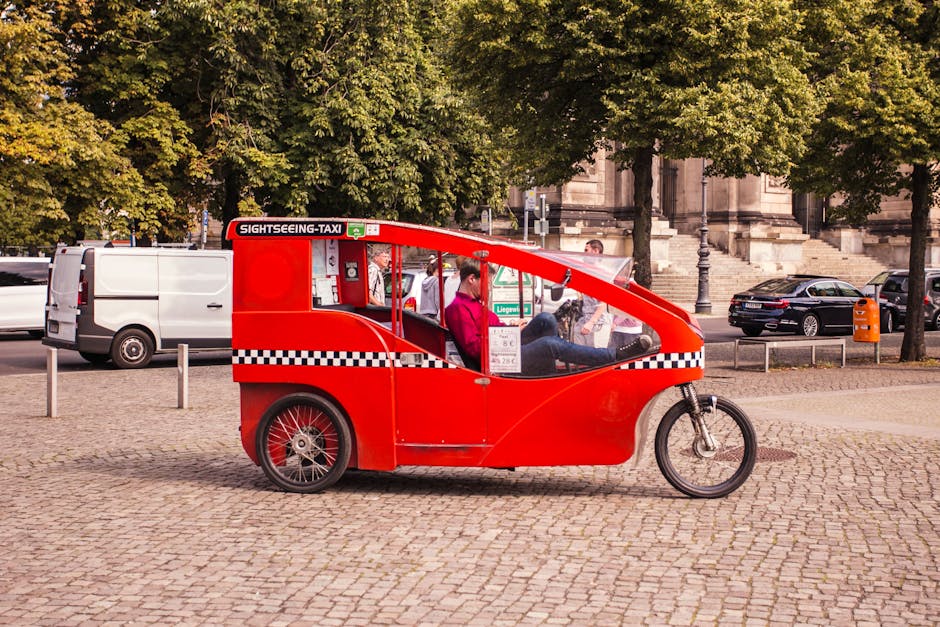
Red sightseeing tricycle taxi on a city street, offering a unique tour experience.

In 1985, a 14-year-old in Britain could legally drive a Sinclair C5 down a dual carriageway at 15 miles per hour with lorries thundering past at chest height, because the Department of Transport had quietly classified the battery trike as an electrically assisted pedal cycle rather than a motor vehicle.

By Make Tech Easier Editorial Team – May 29, 2026

Vibrant orange lines and dots form an abstract network on a dark background, evoking technology and connectivity.

In 1962, the US detonated a 1.4 megaton nuclear bomb 250 miles above the Pacific in a test called Starfish Prime, and the electromagnetic pulse knocked out streetlights, burglar alarms, and a telephone company microwave link in Honolulu nearly 900 miles away, on an island most engineers had assumed was safely out of range

By Make Tech Easier Editorial Team – May 29, 2026

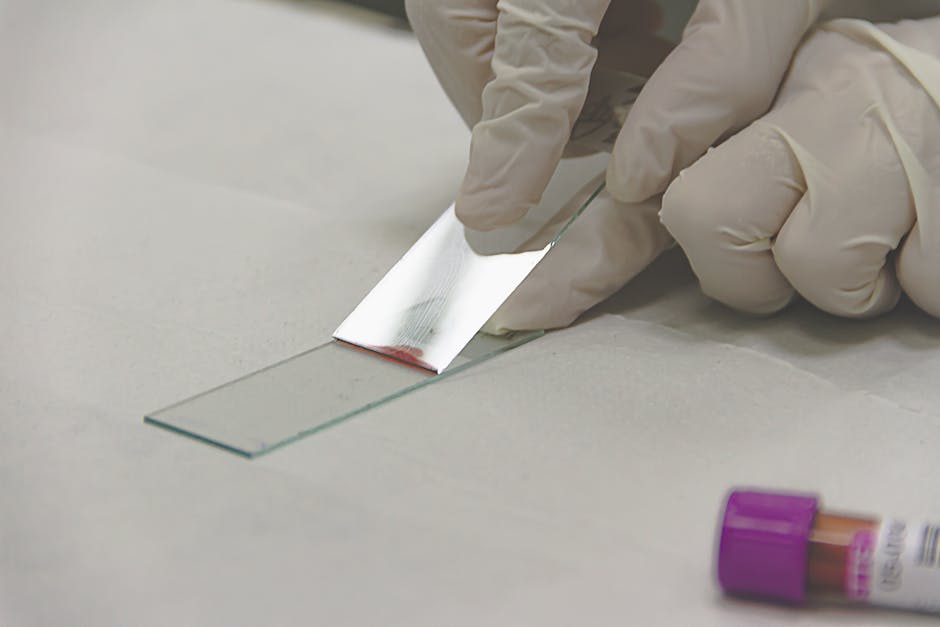
Scientist in gloves preparing a glass slide with a sample for microscopic analysis.

When General James Mattis joined the Theranos board in 2013, he had already spent a year pushing Elizabeth Holmes’s fingerprick blood analyser toward soldiers in Afghanistan, and the only reason it never reached the battlefield was an Army regulatory officer named David Shoemaker who kept warning the FDA the device was not approved.

By Make Tech Easier Editorial Team – May 28, 2026

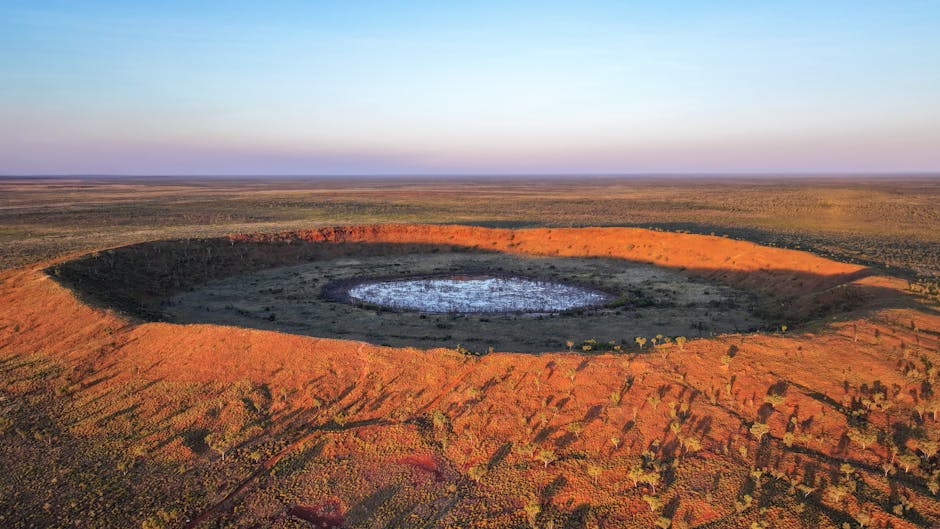
A breathtaking aerial view of the iconic Wolfe Creek Crater in Halls Creek, Australia.

In 2020, Philipp Heck’s team dated forty presolar grains from Australia’s Murchison meteorite and found stardust as old as seven billion years, older than the Sun, Earth, and every solid material ever measured on this planet

By Make Tech Easier Editorial Team – May 27, 2026

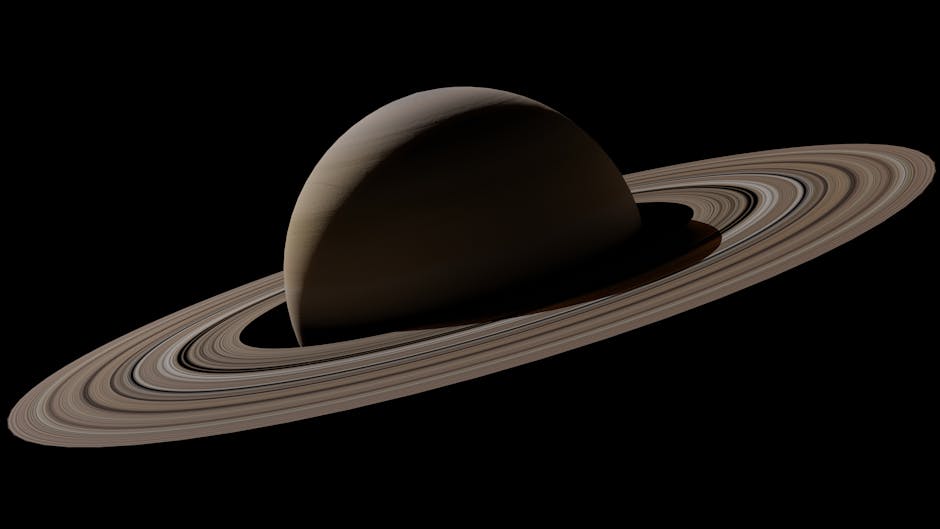
A breathtaking image capturing Saturn's rings against a black backdrop, showcasing the beauty of this gas giant.

On 15 September 2017, NASA engineers deliberately steered the Cassini spacecraft into Saturn’s atmosphere at 70,000 miles per hour, not because the mission had failed but because they were terrified of where it might fall if they left it in orbit.

By Make Tech Easier Editorial Team – May 27, 2026

Pagination

<1234>

Trending

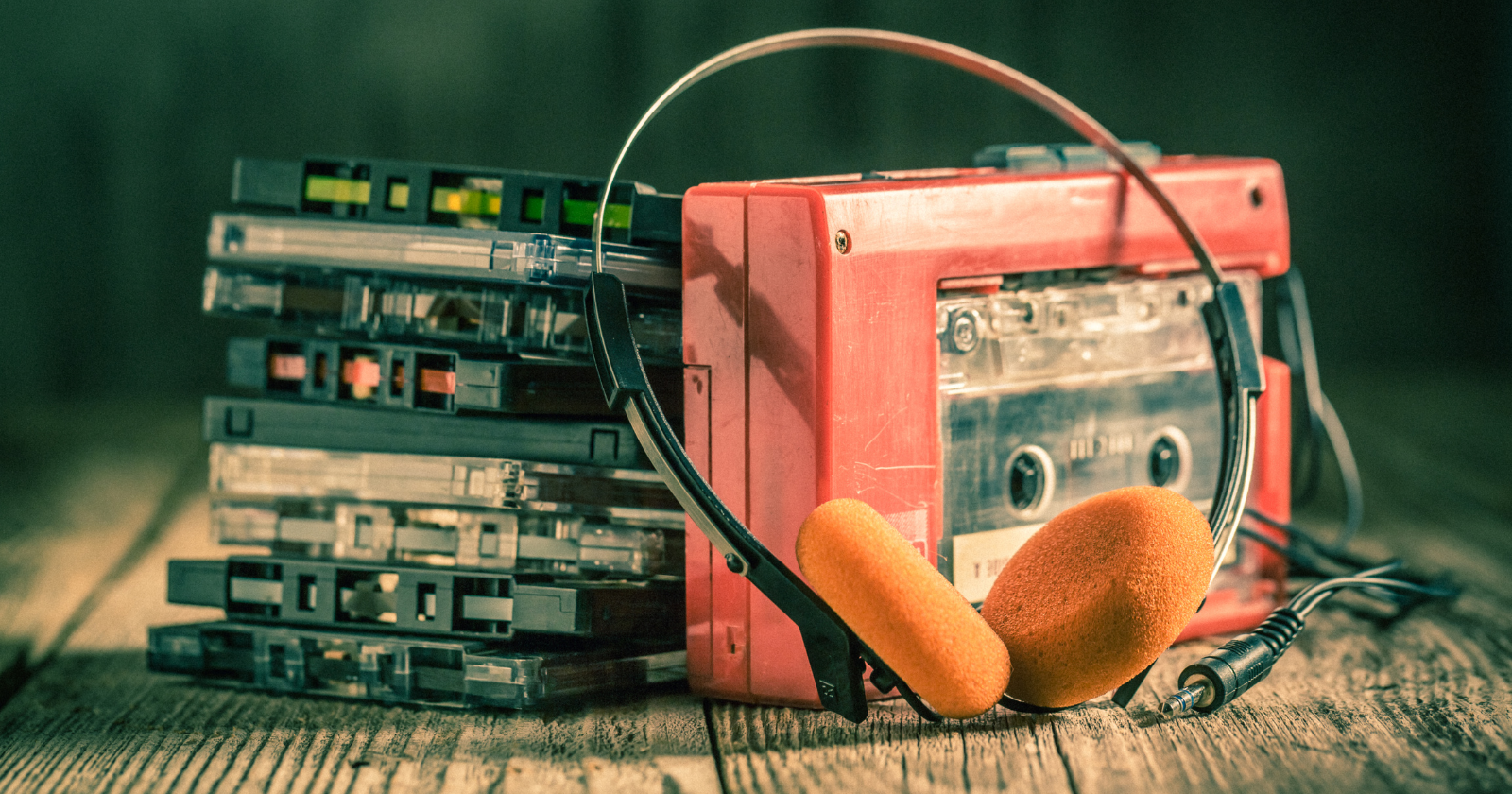
When Sony shipped the first Walkman in 1979, chairman Akio Morita insisted on a second headphone jack and a “hotline” talk button, convinced it would be rude for one person to listen to music alone — and within a few years buyers had ignored the sociable features so completely that Sony quietly dropped them

Jun 15, 2026

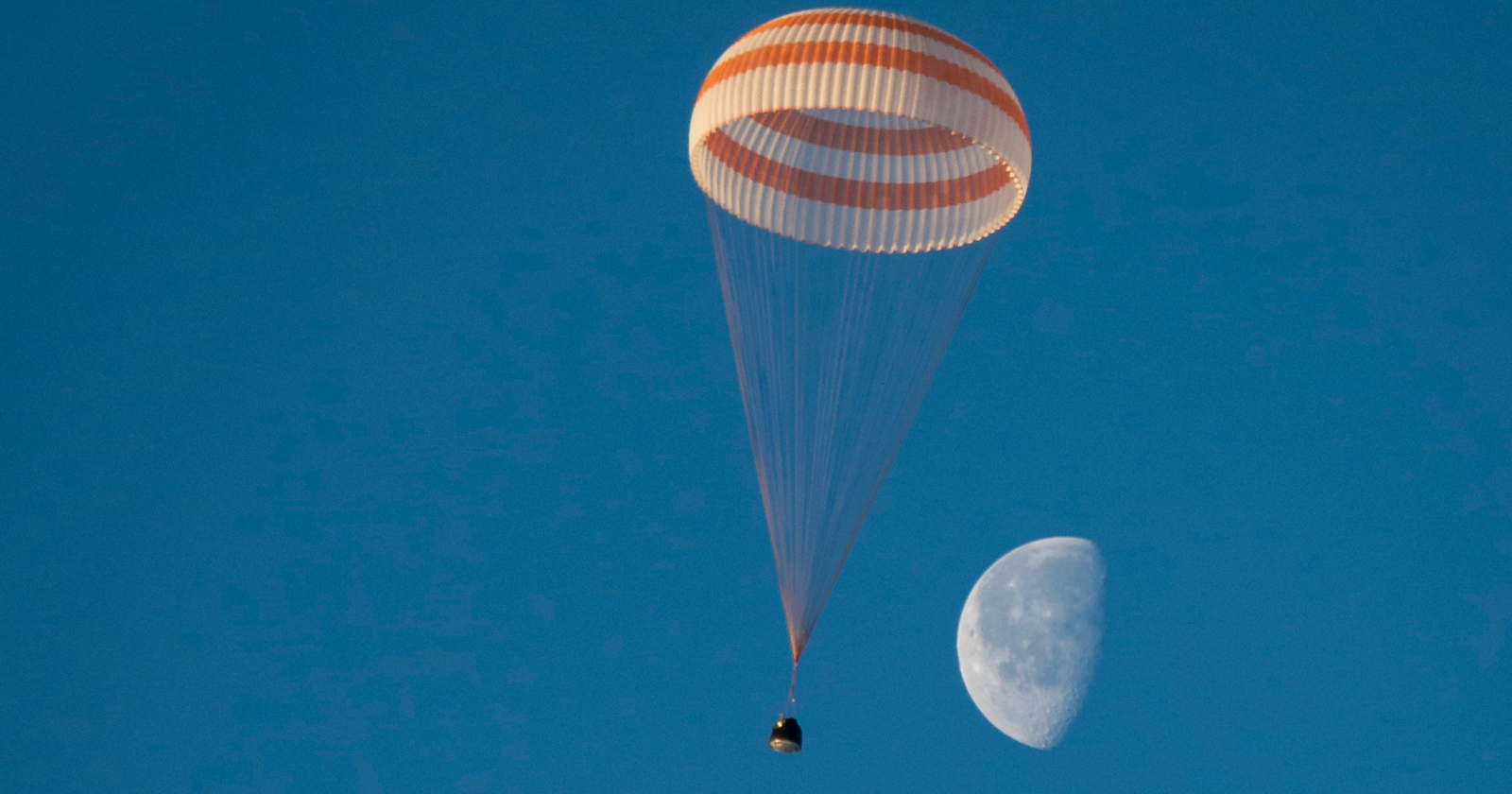
Russia still custom-builds the Soyuz return seats for ISS crew members using plaster casts taken weeks before launch, because astronauts grow as much as five centimetres taller during a long-duration stay and a seat moulded to their Earth-shaped spine would no longer fit the body that comes home

Jun 12, 2026

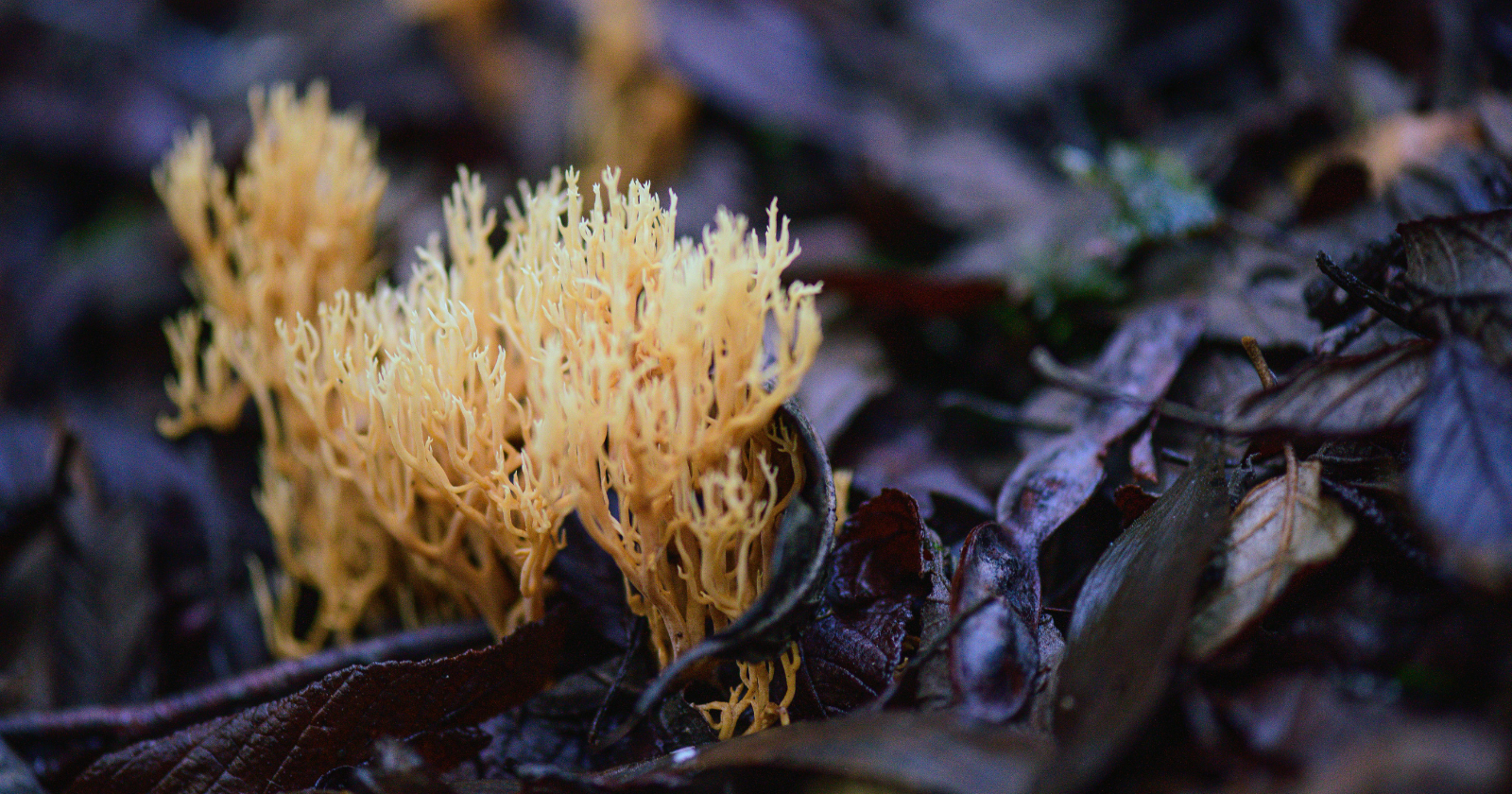
Mycorrhizal fungi colonised plant roots roughly 450 million years ago and biologists now suspect plants could never have moved out of the oceans onto bare rock without them, meaning every forest on Earth — including the redwoods, the Amazon, and the boreal belt — is still running on a partnership older than trees themselves

Jun 11, 2026

Close-up of a young adult using a smartphone outdoors, highlighting modern technology and connectivity.

The “CrackBerry” nickname stuck for a reason — and the variable-reward psychology that hooked early-2000s executives on their BlackBerrys is the exact same machinery now running every push notification on every smartphone in your pocket

Jun 11, 2026

Intricate network of tree roots and moss on a forest hillside, showcasing nature's resilience.

Suzanne Simard sealed paper birch and Douglas fir seedlings inside plastic bags, fed them carbon-14 and carbon-13 dioxide, and nine days later found carbon had crossed between species through fungal threads in the British Columbia soil beneath her boots

Jun 10, 2026

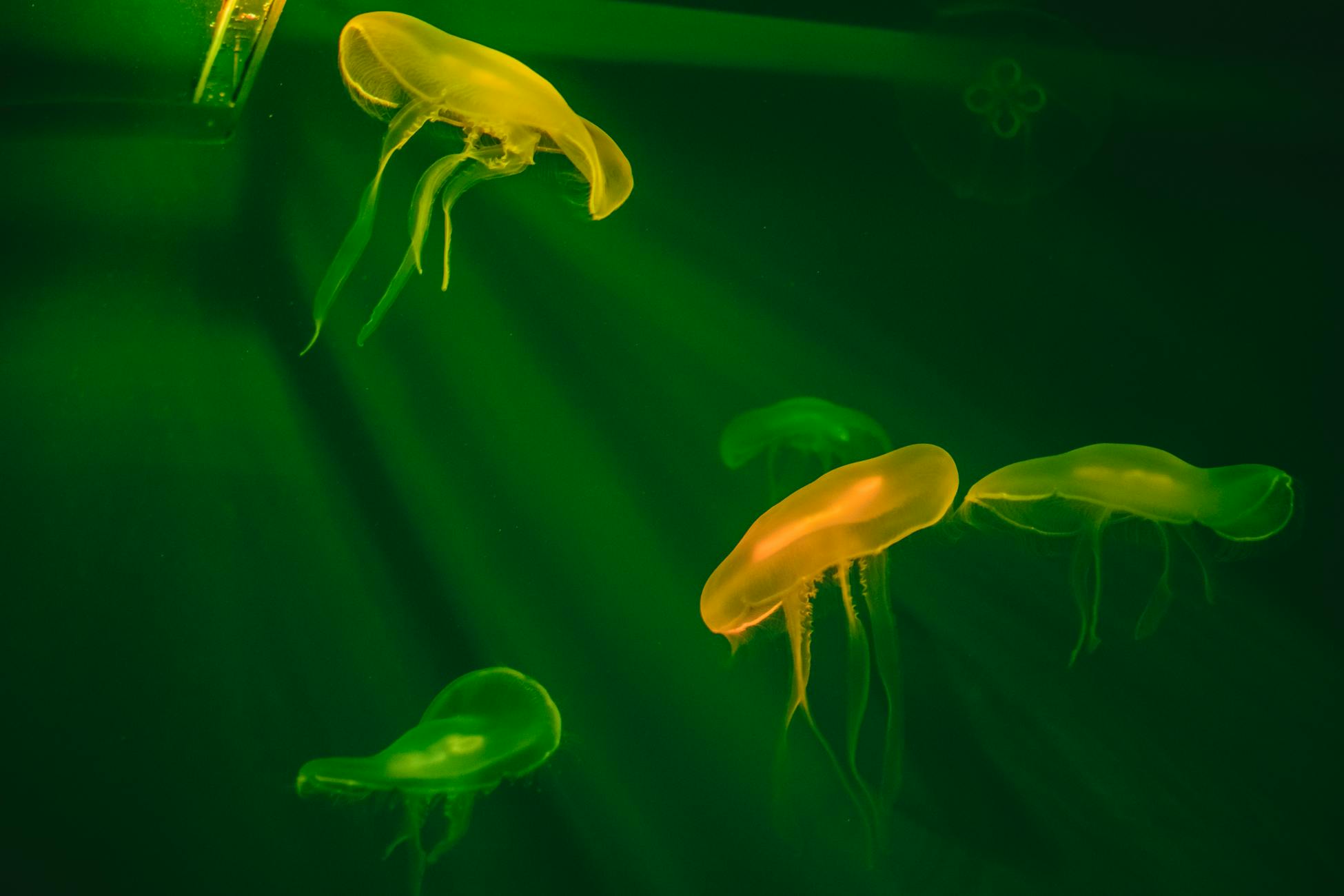
Close-up of glowing jellyfish swimming gracefully in deep green ocean waters.

A species of jellyfish called Turritopsis dohrnii can revert its adult cells back to a juvenile polyp stage when injured or starving, effectively restarting its life cycle, and biologists have so far failed to identify any natural limit to how many times it can do this.

Jun 10, 2026

More Posts >

Affiliate Disclosure: Make Tech Easier may earn commission on products purchased through our links, which supports the work we do for our readers.

Uncomplicating the complicated, making life easier

Make Tech Easier provides tech tutorials, reviews, tips and tricks to help you navigate the complicated world of technology. We aim to uncomplicate the complicated, making your life easier.

  • About
  • Contact
  • Advertise
  • Editorial Guidelines
  • Terms of Use
  • Privacy Policy
  • RSS Feed Terms

© 2026 Uqnic Network Pte Ltd.
All rights reserved.