








• Computing
  • Mobile
  • Lifestyle
  • PC Guides
  • Reviews
  • Tech Explained
    • Windows
    • Linux
    • Mac
    • ChromeOS
    • Android
    • iOS
    • Gadgets
    • Productivity
    • Smart Home
    • Social Media
    • Gaming
  • Internet
  • Tech Explained
  • News

More from us

  • Reviews
  • Cheatsheets
  • Buying Guides
  • Deals
  • Newsletter
Scenic view of snow-covered mountains with ancient petroglyphs on rocks under a clear blue sky.

When Frank Maixner’s team reconstructed Ötzi the Iceman’s 5,300-year-old stomach bacterium in 2016, the Helicobacter pylori strain looked less like modern Europe’s hybrid form than Asian lineages common today in South and Central Asia, leaving a migration signal no pot or stone tool could have shown

By Make Tech Easier Editorial Team – Jun 8, 2026

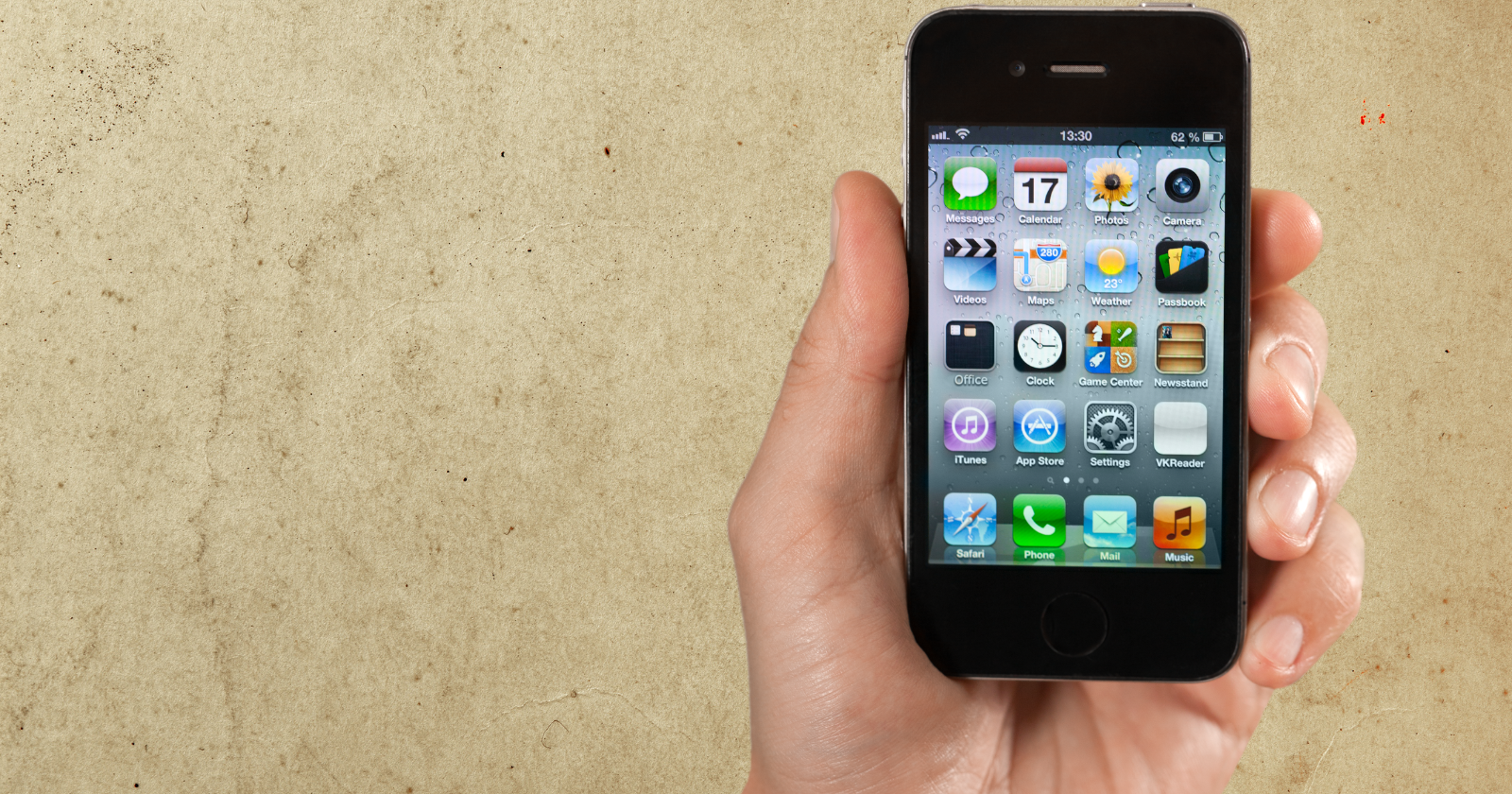
When Cingular chief Stan Sigman backed the original iPhone before its 2007 unveiling, he accepted terms American carriers usually refused: no logo on the device, no control over its software, no preloaded apps, and a share of monthly subscriber revenue flowing back to Apple, after signing on without seeing a prototype

By Make Tech Easier Editorial Team – Jun 8, 2026

Black and white close-up of classic typewriter keys, emphasizing vintage design.

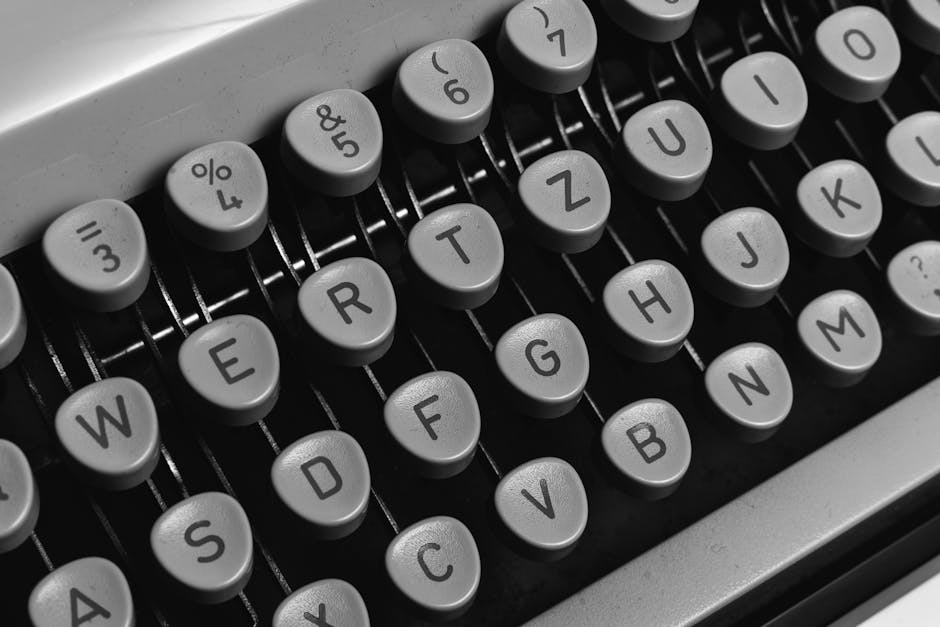
Every year, roughly two billion new smartphones, laptops, and tablets ship with a key arrangement designed in the 1870s to prevent slender metal arms from colliding inside a machine that has been obsolete for decades, a piece of 19th-century mechanical engineering quietly embedded in the muscle memory of about five billion people.

By Make Tech Easier Editorial Team – Jun 8, 2026

A woman intently looking at her smartphone while seated indoors, dim lighting.

Tristan Harris, Google’s former design ethicist, told the US Senate that the pull-to-refresh gesture on nearly every app works like the lever of a Las Vegas slot machine, and he has long warned that we now reach for our phones around 150 times a day without ever calling it gambling

By Make Tech Easier Editorial Team – Jun 6, 2026

In 1969, László Bélády and two IBM colleagues published a paging-machine anomaly showing FIFO could make four memory frames suffer ten page faults after three frames suffered nine, leaving generations of operating-systems students staring at the moment more memory became the wrong answer

By Make Tech Easier Editorial Team – Jun 6, 2026

In 2016, archaeologists dated two rings of snapped stalagmites in France’s Bruniquel Cave to 176,500 years ago, evidence that Neanderthals had walked 336 metres into darkness with fire and built architecture deep underground long before modern humans reached Europe

By Make Tech Easier Editorial Team – Jun 6, 2026

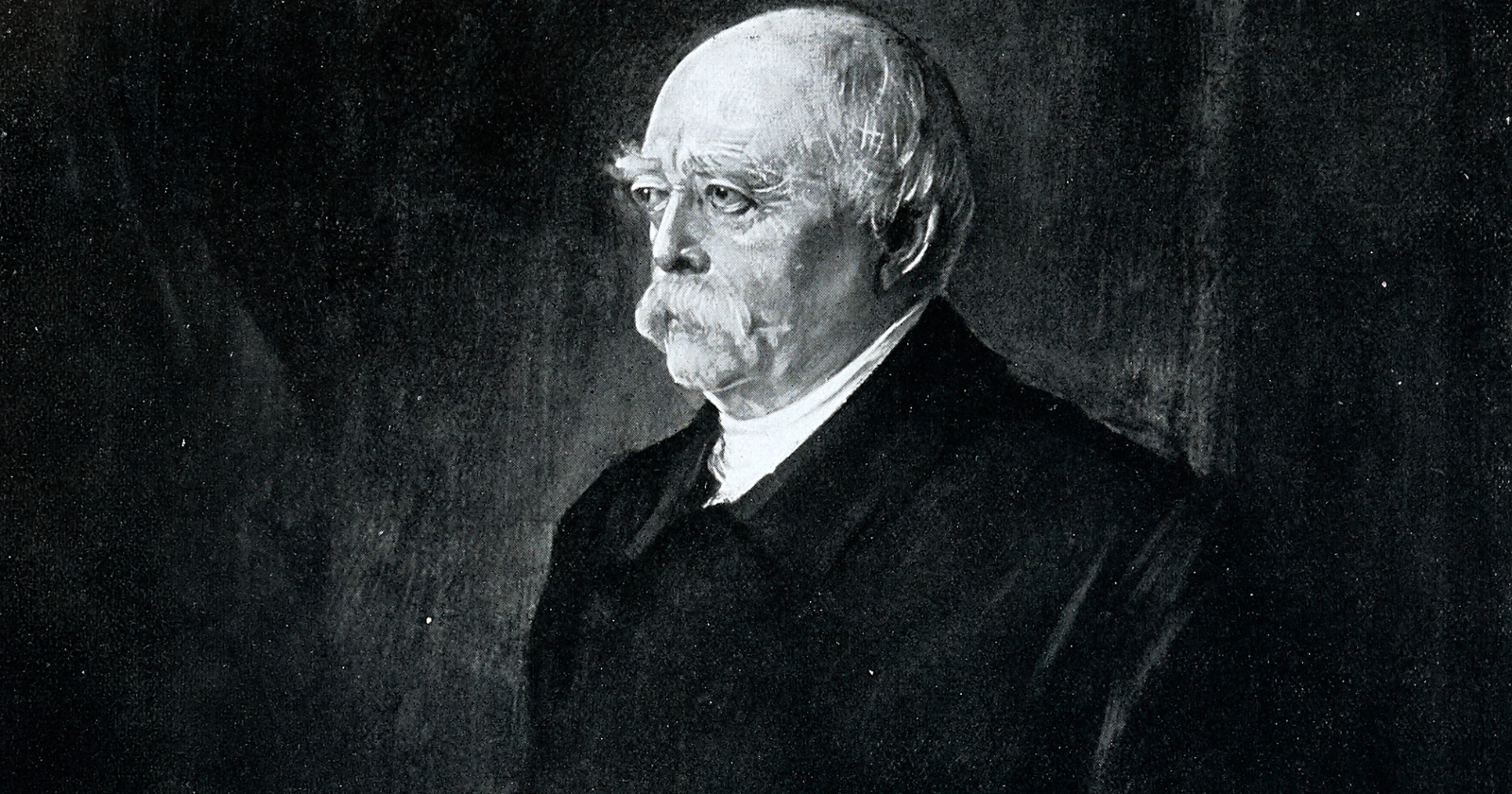
Otto von Bismarck was 74 when Germany adopted the world’s first national old-age social insurance program in 1889, setting the pension age at 70 after years of fighting socialists with bans, laws, and a promise few workers would live long enough to use

By Make Tech Easier Editorial Team – Jun 5, 2026

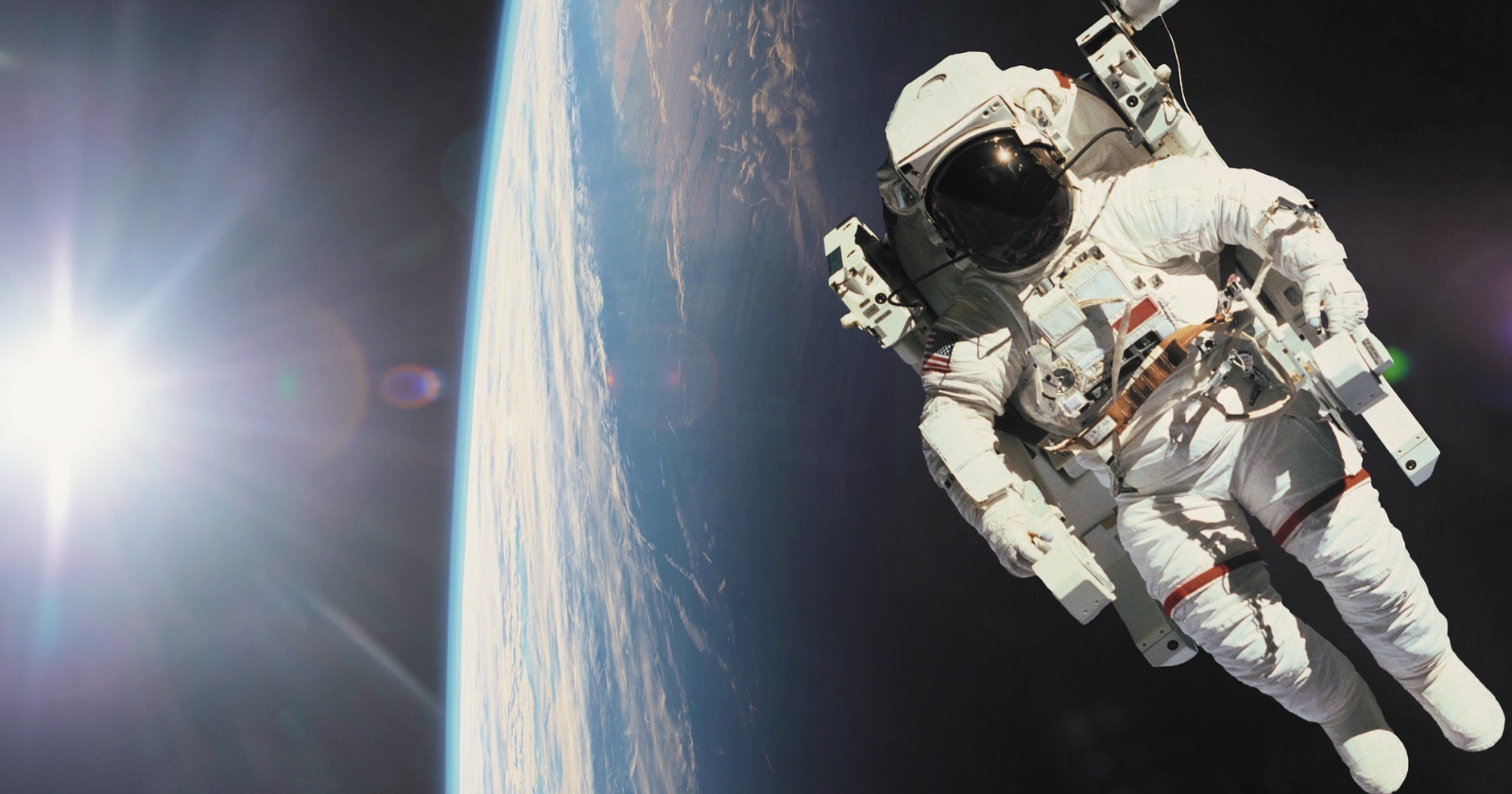
When cosmonaut Valeri Polyakov stepped out of his Soyuz capsule in March 1995 after 437 consecutive days aboard Mir, doctors recorded him at several centimetres above his pre-flight height, and his spine had become so unaccustomed to gravity that the recovery team carried him to a chair rather than risk the compression of letting him walk.

By Make Tech Easier Editorial Team – Jun 5, 2026

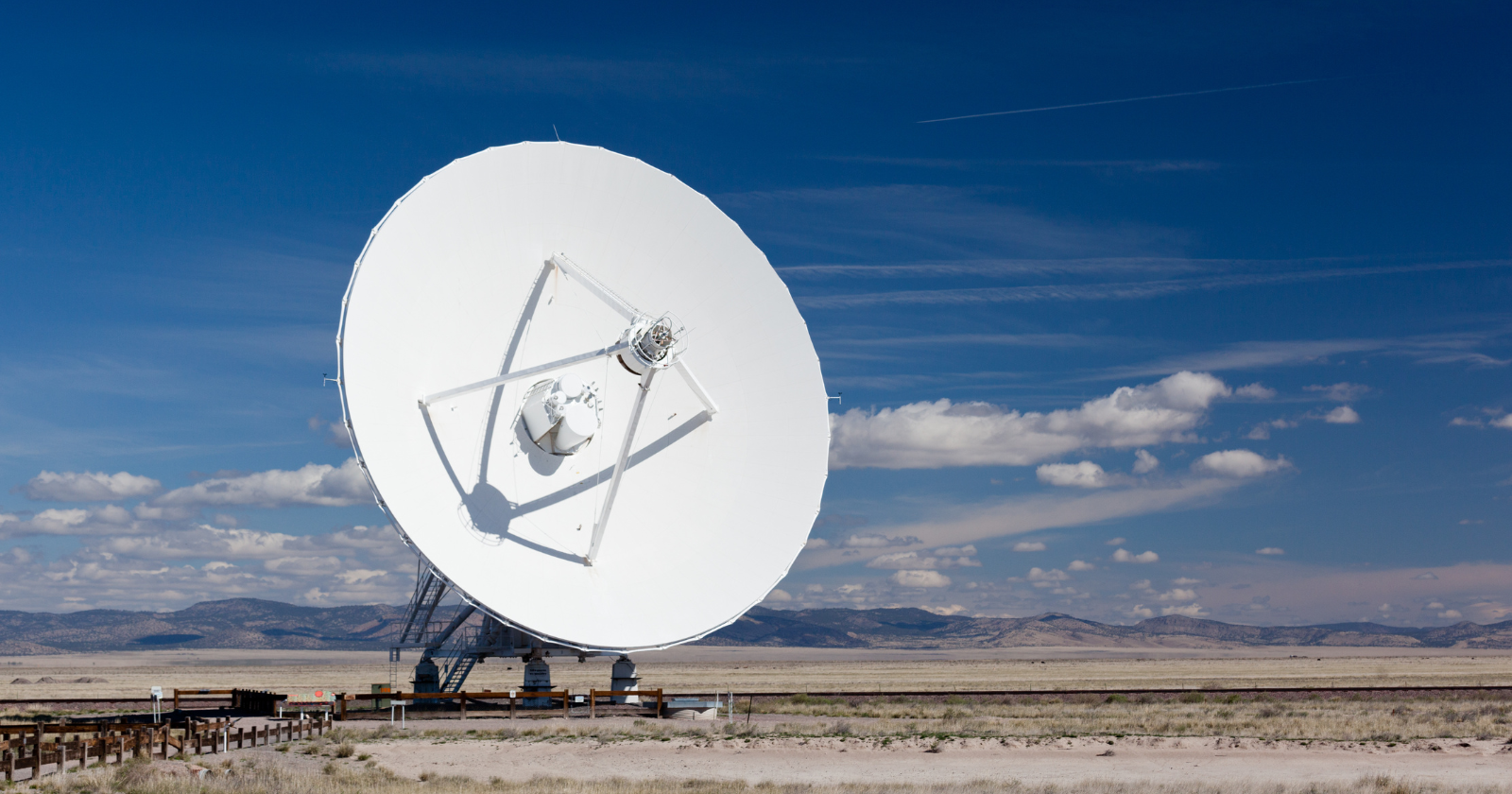
When Bell Labs engineer Karl Jansky pointed a rotating antenna at the sky in 1932 looking for sources of transatlantic radio static, he kept picking up a faint hiss that peaked every 23 hours and 56 minutes, and he eventually realized he had become the first human to hear the center of the Milky Way.

By Make Tech Easier Editorial Team – Jun 5, 2026

The colour magenta does not exist anywhere in the spectrum of visible light, and your brain manufactures it on the spot whenever red and blue cones fire together, inventing a hue to fill a gap that physics never bothered to provide.

By Make Tech Easier Editorial Team – Jun 5, 2026

A contemplative scene with two scientists in a vintage laboratory setting.

When Harvard astronomer Cecilia Payne submitted her 1925 doctoral thesis arguing that the Sun was made almost entirely of hydrogen, the field’s senior figure Henry Norris Russell talked her into adding a line calling the result ‘almost certainly not real,’ and then published the same conclusion himself four years later to widespread acclaim.

By Make Tech Easier Editorial Team – Jun 5, 2026

When Edme Mariotte stared at marks on a wall in the 1660s, one mark vanished inside a six-degree hole where the optic nerve leaves the eye and the brain has been filling in wallpaper, sky, and faces ever since

By Make Tech Easier Editorial Team – Jun 5, 2026

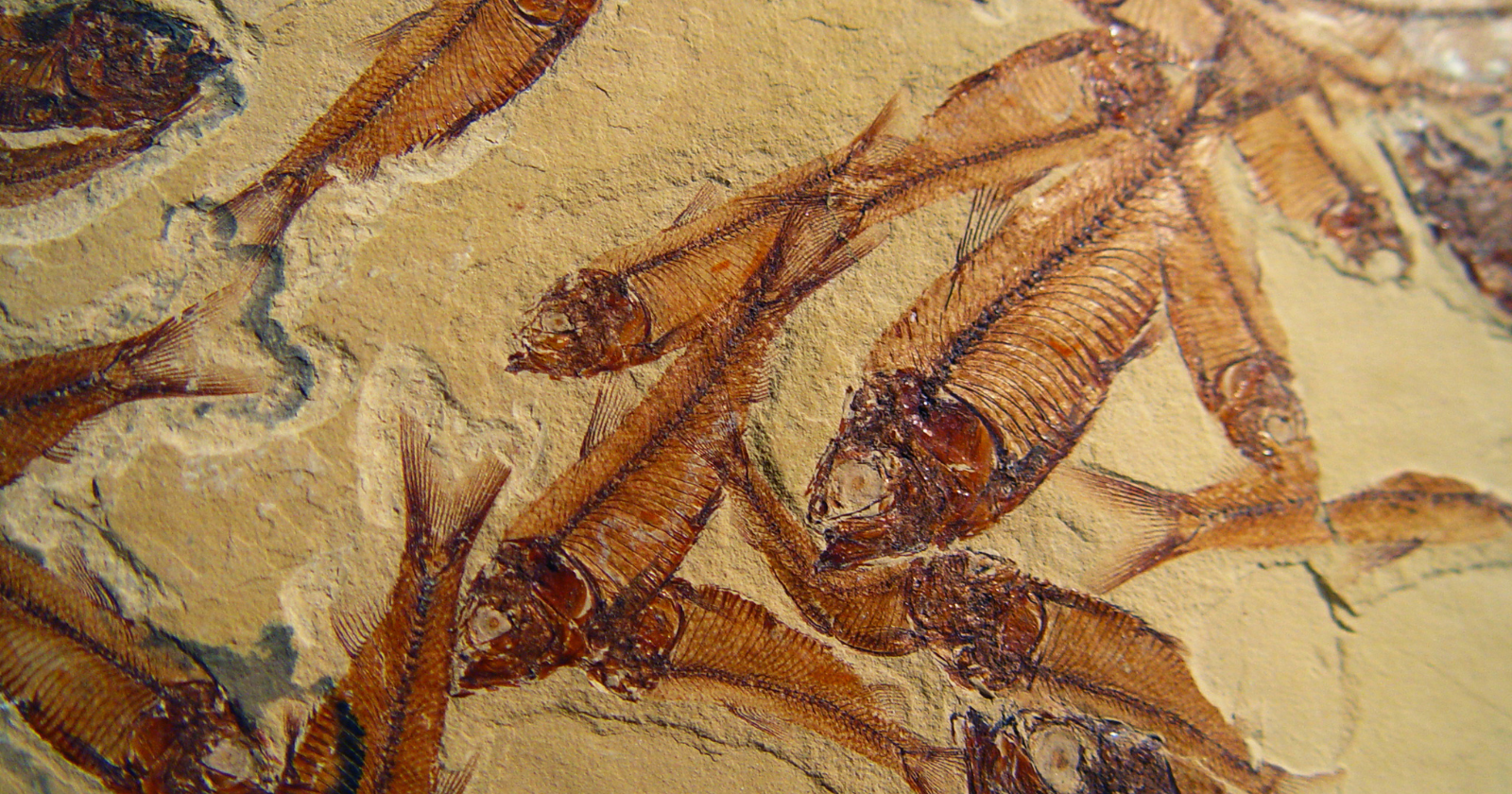
When seismic waves from the Chicxulub impact reached what is now North Dakota roughly ten minutes after the asteroid struck, they appear to have triggered a ten-metre standing wave in an inland river that flung fish onto the bank and buried them under glass beads still falling from the sky.

By Make Tech Easier Editorial Team – Jun 5, 2026

Macro view of a smartphone displaying Google and other app icons on the home screen.

On 28 May 2009, Google demoed a product called Wave on stage at I/O for 80 minutes and got a standing ovation from developers who had no idea what they had just watched, and 15 months later the company quietly shut it down because almost nobody could explain to a friend what it was actually for

By Make Tech Easier Editorial Team – Jun 5, 2026

When Clair Patterson set out in 1948 to measure the age of the Earth using lead in meteorites, his samples kept coming back contaminated, and the seven-year detour he took to find the source ended with him almost single-handedly forcing leaded gasoline out of American cars by 1986.

By Make Tech Easier Editorial Team – Jun 5, 2026

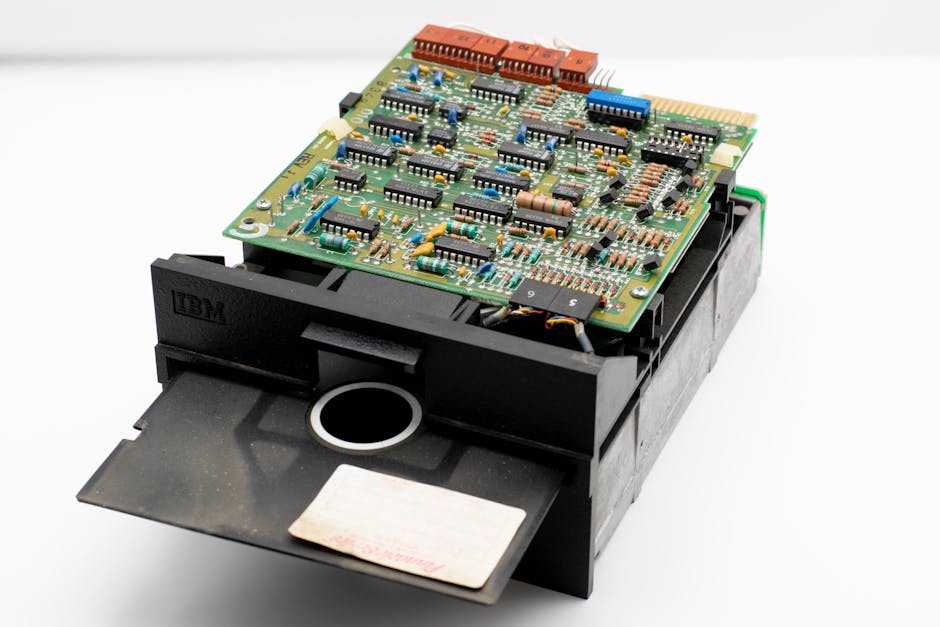
Close-up view of a vintage IBM circuit board and disk drive showcasing retro computer technology.

The IBM 305 RAMAC stayed in production until 1961, weighed more than a ton, stored five million characters on fifty spinning platters, and still drew customers because the alternative was a room full of punched cards

By Make Tech Easier Editorial Team – Jun 4, 2026

A close-up of a vintage vinyl record in black and white, emphasizing its grooves.

In 1977, Ann Druyan recorded an hour of her brainwaves and heartbeat two days after she and Carl Sagan agreed to marry, and NASA pressed the compressed minute onto Voyager’s Golden Record as a private love signal now more than 25 billion kilometres from Earth

By Make Tech Easier Editorial Team – Jun 4, 2026

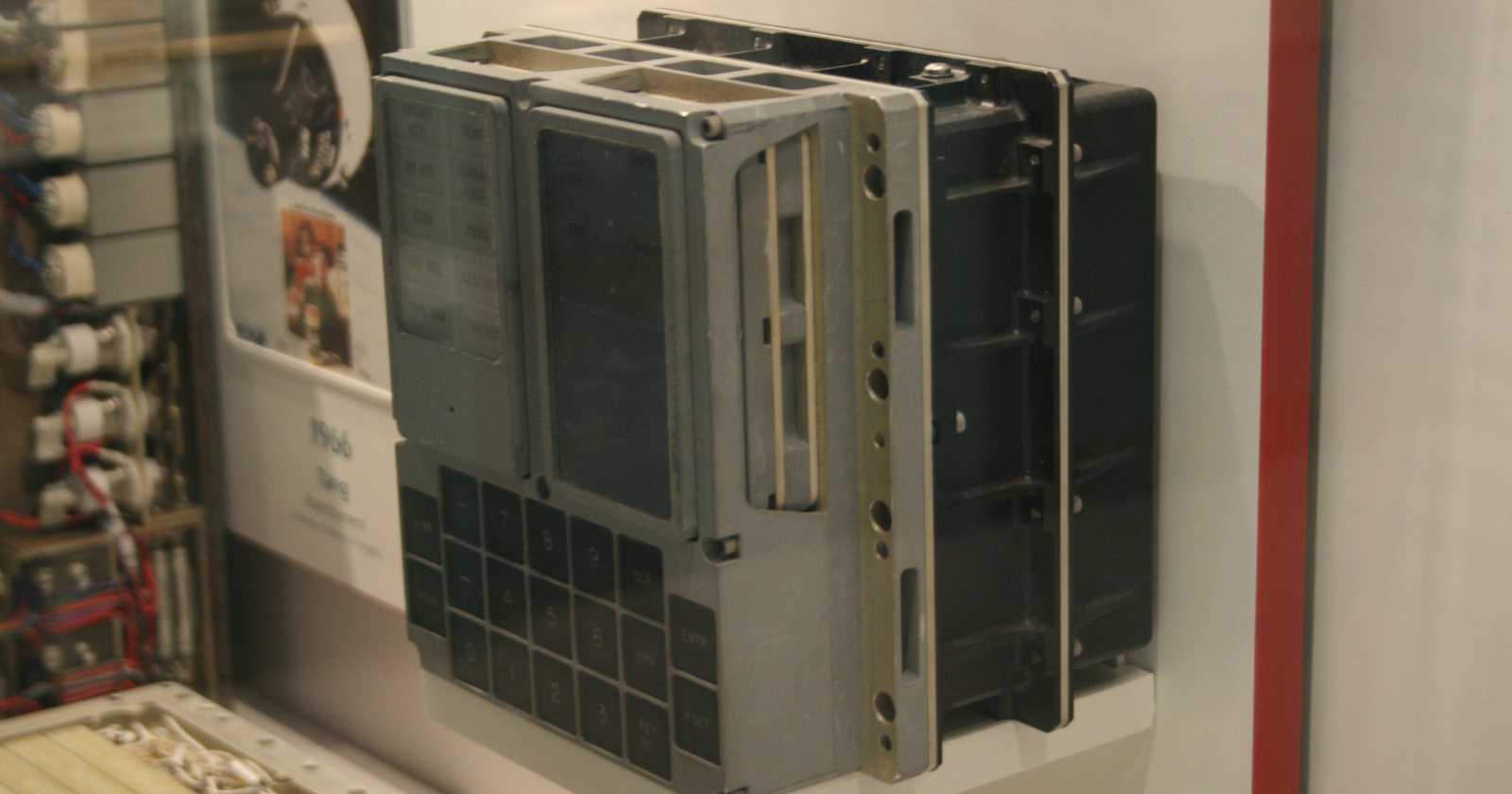
Every Apollo guidance computer that flew to the Moon had its software literally woven by hand at a Raytheon factory outside Boston, where women threaded copper wire through tiny magnetic cores to encode each bit as either a one or a zero, a process the engineers nicknamed LOL memory for Little Old Lady.

By Make Tech Easier Editorial Team – Jun 4, 2026

Black and white image of a vintage military aircraft parked outdoors.

When Soviet pilot Viktor Belenko landed a top-secret MiG-25 at a Japanese airport in September 1976, American engineers tearing it down expected to find titanium and microchips, and instead they found vacuum tubes, rivets popped by hand, and a stainless steel airframe so heavy it could only fly fast in a straight line.

By Make Tech Easier Editorial Team – Jun 4, 2026

When survivors near Lake Nyos woke on the morning of 22 August 1986, the cattle were dead in the fields, the birds had fallen out of the trees, and 1,746 of their neighbours were lying where they had stood the night before, with no fire, no flood, and no wound to explain it.

By Make Tech Easier Editorial Team – Jun 4, 2026

Pagination

<1234>

Trending

In 1947, Harvard’s Mark II ran on roughly 13,000 electromechanical relays, stored numbers across 100 registers, and read instructions from punched paper tape, turning thousands of clicking metal switches into a Navy calculator vulnerable to dust, loose contacts, and one famously misplaced moth

Jul 27, 2026

In 1971, engineer Ray Tomlinson sent the first networked email between two computers sitting side by side in the same room — he chose the @ symbol to separate user from machine because it was the only punctuation on the keyboard nobody was using

In 1971, engineer Ray Tomlinson sent the first networked email between two computers sitting side by side in the same room — he chose the @ symbol to separate user from machine because it was the only punctuation on the keyboard nobody was using

Jul 27, 2026

How did a single computer worm written by a Cornell graduate student in November 1988 crash roughly 6,000 machines and force the internet to invent security?

How did a single computer worm written by a Cornell graduate student in November 1988 crash roughly 6,000 machines and force the internet to invent security?

Jul 27, 2026

When you tilt a smartphone, gravity shifts microscopic silicon fingers inside its accelerometer by only a few nanometres, changing the capacitance between them and producing the electrical imbalance the phone reads as a new direction for down

Jul 27, 2026

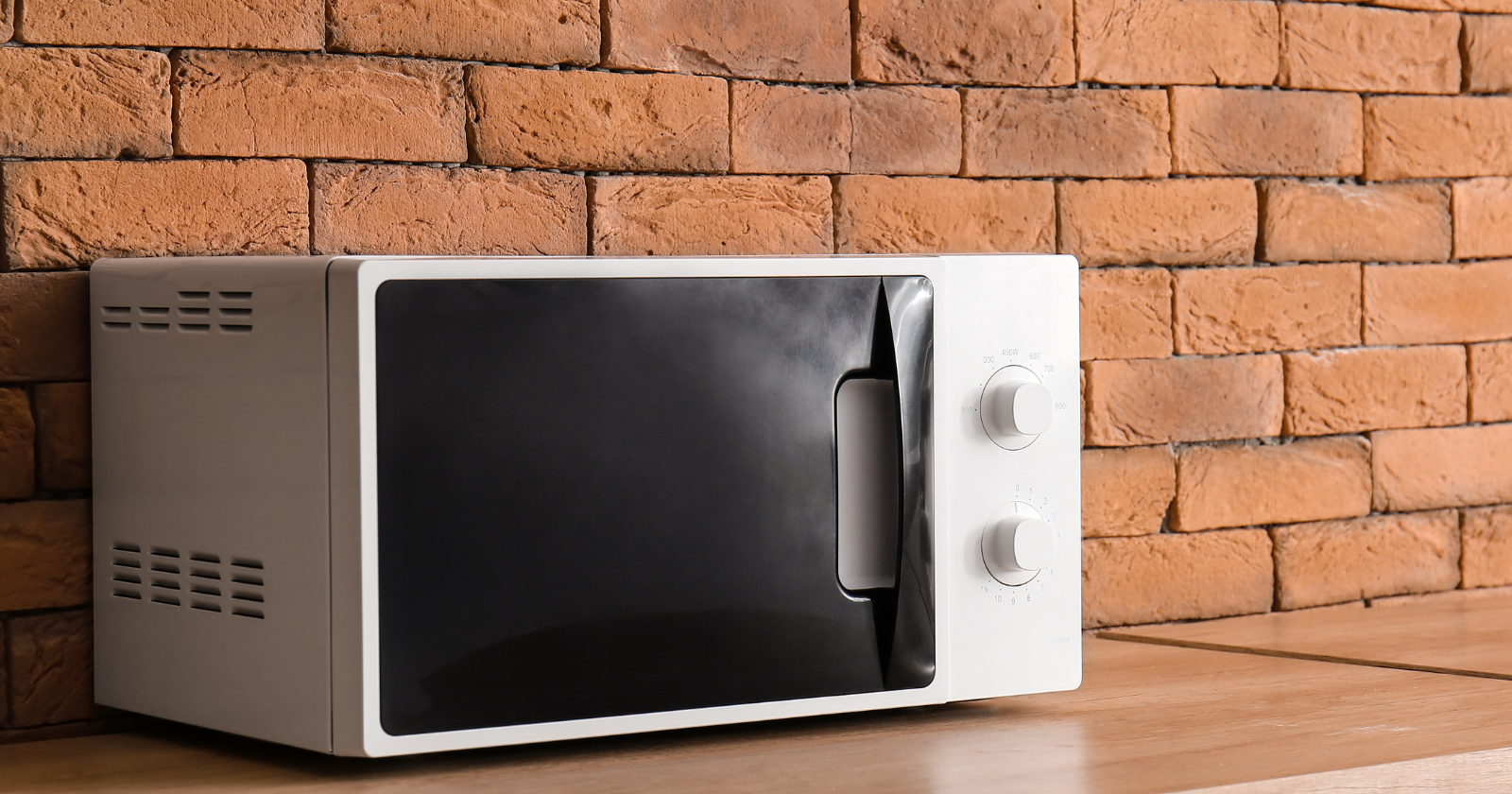
A microwave oven works because water molecules have a slight positive and negative end — the magnetron flips an electric field 2.45 billion times a second, and the molecules twist back and forth so fast the friction becomes heat

Jul 27, 2026

The retina of the mantis shrimp carries 16 types of colour receptor to the human eye's three — and yet experiments suggest it sees colour worse than we do, using the extra channels for speed instead of subtlety

The retina of the mantis shrimp carries twelve types of colour receptor to the human eye’s three — and yet experiments suggest it sees colour worse than we do, using the extra channels for speed instead of subtlety

Jul 27, 2026

More Posts >

Affiliate Disclosure: Make Tech Easier may earn commission on products purchased through our links, which supports the work we do for our readers.

Uncomplicating the complicated, making life easier

Make Tech Easier provides tech tutorials, reviews, tips and tricks to help you navigate the complicated world of technology. We aim to uncomplicate the complicated, making your life easier.

  • About
  • Contact
  • Advertise
  • Editorial Guidelines
  • Terms of Use
  • Privacy Policy
  • RSS Feed Terms

© 2026 Uqnic Network Pte Ltd.
All rights reserved.