





• Computing
  • Mobile
  • Lifestyle
  • PC Guides
  • Reviews
  • Tech Explained
    • Windows
    • Linux
    • Mac
    • ChromeOS
    • Android
    • iOS
    • Gadgets
    • Productivity
    • Smart Home
    • Social Media
    • Gaming
  • Internet
  • Tech Explained
  • News

More from us

  • Reviews
  • Cheatsheets
  • Buying Guides
  • Deals
  • Newsletter
Individual programming in a dimly lit room with dual monitors.

When Konrad Zuse switched on the Z3 in his Berlin workshop in May 1941, he had just built the first programmable computer in history out of roughly 2,000 surplus telephone relays, and almost no one in the world knew it existed because the war buried the story for two decades.

By Make Tech Easier Editorial Team – May 27, 2026

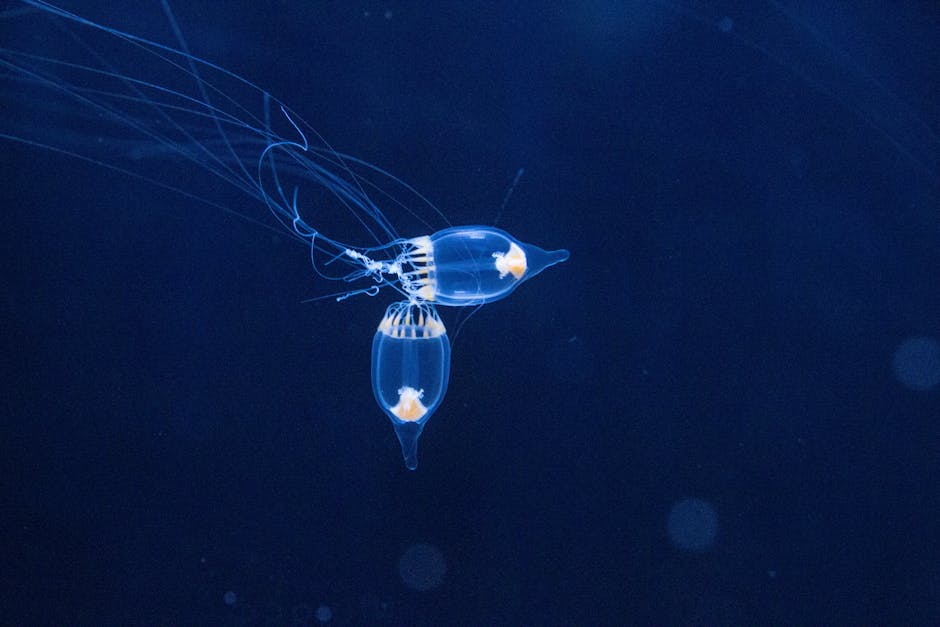
A mesmerizing close-up of delicate, translucent jellyfish swimming underwater in the ocean.

At Kyoto University’s Seto Marine Biological Laboratory on the Shirahama coast, biologist Shin Kubota has watched the same Turritopsis dohrnii jellyfish die and un-die so many times in his tank that he has started writing karaoke songs about an animal that, for all practical purposes, just refuses to stay dead.

By Make Tech Easier Editorial Team – May 27, 2026

A person taking notes in a notebook while holding a smartphone, seated indoors.

In August 1993, Garry Trudeau spent a week turning Apple’s new Newton MessagePad into a Doonesbury joke, including a panel where ‘Catching on?’ became ‘Egg freckles,’ and the $699 handheld never fully outran the punchline

By Make Tech Easier Editorial Team – May 27, 2026

A vintage newspaper with an atomic bomb headline displayed alongside a model airplane and historic photos.

In 1945, Ruth Bourne was one of the young Wrens operating more than 100 Bombe machines at Eastcote, phoning in good stops to Bletchley Park without knowing that Hut 6 codebreakers sometimes cheered on the other end of the line

By Make Tech Easier Editorial Team – May 26, 2026

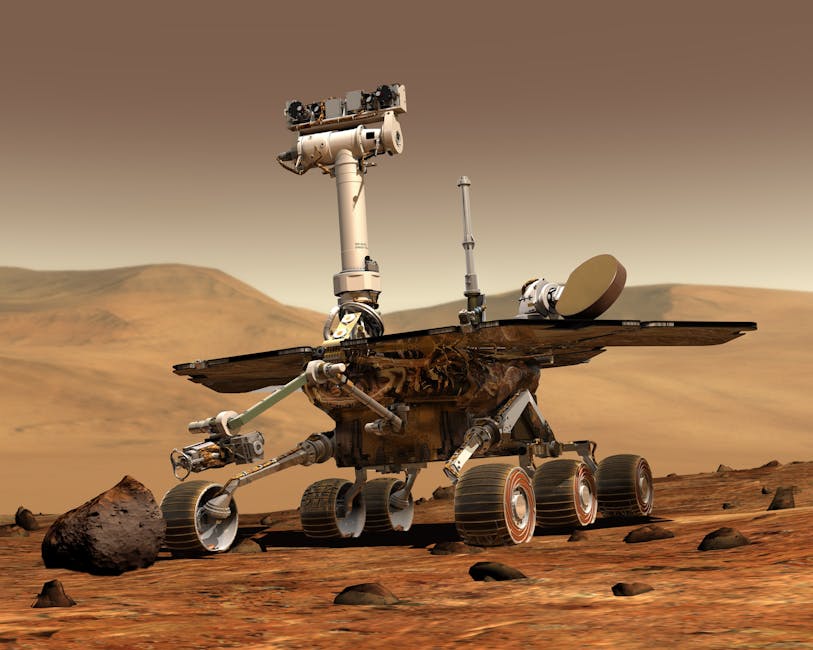
Mars exploration rover conducting research on Martian surface, showcasing technology and science.

In 2022, NASA engineers in Pasadena watched a new image come down from Perseverance and saw a small heap of broken rocks resting on the Martian surface in a pattern that looked almost intentional, and the explanation they eventually offered involved a vanished river that has not flowed in three billion years.

By Make Tech Easier Editorial Team – May 26, 2026

Pagination

<1234

Trending

When Sony shipped the first Walkman in 1979, chairman Akio Morita insisted on a second headphone jack and a “hotline” talk button, convinced it would be rude for one person to listen to music alone — and within a few years buyers had ignored the sociable features so completely that Sony quietly dropped them

Jun 15, 2026

Russia still custom-builds the Soyuz return seats for ISS crew members using plaster casts taken weeks before launch, because astronauts grow as much as five centimetres taller during a long-duration stay and a seat moulded to their Earth-shaped spine would no longer fit the body that comes home

Jun 12, 2026

Mycorrhizal fungi colonised plant roots roughly 450 million years ago and biologists now suspect plants could never have moved out of the oceans onto bare rock without them, meaning every forest on Earth — including the redwoods, the Amazon, and the boreal belt — is still running on a partnership older than trees themselves

Jun 11, 2026

Close-up of a young adult using a smartphone outdoors, highlighting modern technology and connectivity.

The “CrackBerry” nickname stuck for a reason — and the variable-reward psychology that hooked early-2000s executives on their BlackBerrys is the exact same machinery now running every push notification on every smartphone in your pocket

Jun 11, 2026

Intricate network of tree roots and moss on a forest hillside, showcasing nature's resilience.

Suzanne Simard sealed paper birch and Douglas fir seedlings inside plastic bags, fed them carbon-14 and carbon-13 dioxide, and nine days later found carbon had crossed between species through fungal threads in the British Columbia soil beneath her boots

Jun 10, 2026

Close-up of glowing jellyfish swimming gracefully in deep green ocean waters.

A species of jellyfish called Turritopsis dohrnii can revert its adult cells back to a juvenile polyp stage when injured or starving, effectively restarting its life cycle, and biologists have so far failed to identify any natural limit to how many times it can do this.

Jun 10, 2026

More Posts >

Affiliate Disclosure: Make Tech Easier may earn commission on products purchased through our links, which supports the work we do for our readers.

Uncomplicating the complicated, making life easier

Make Tech Easier provides tech tutorials, reviews, tips and tricks to help you navigate the complicated world of technology. We aim to uncomplicate the complicated, making your life easier.

  • About
  • Contact
  • Advertise
  • Editorial Guidelines
  • Terms of Use
  • Privacy Policy
  • RSS Feed Terms

© 2026 Uqnic Network Pte Ltd.
All rights reserved.