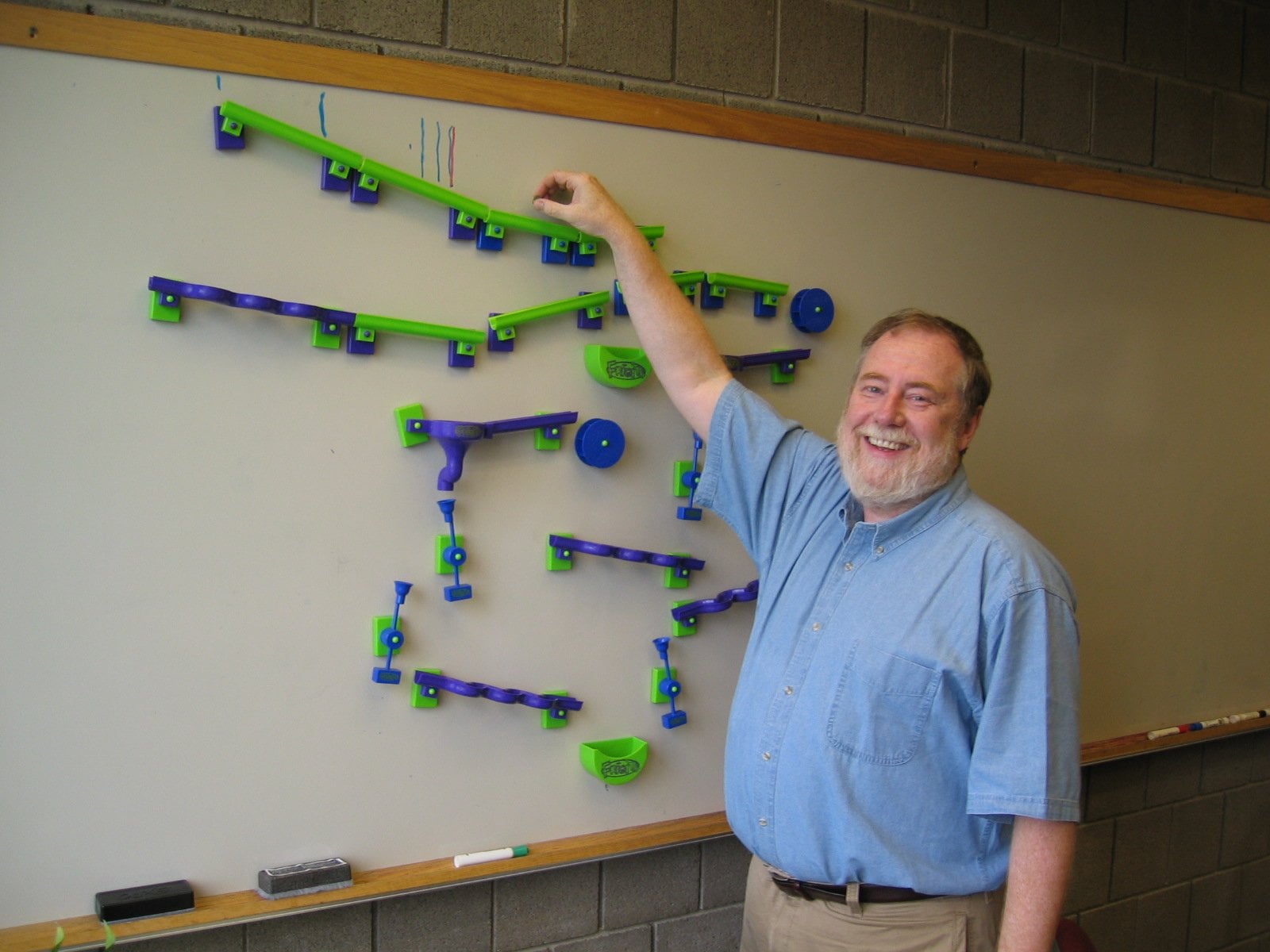
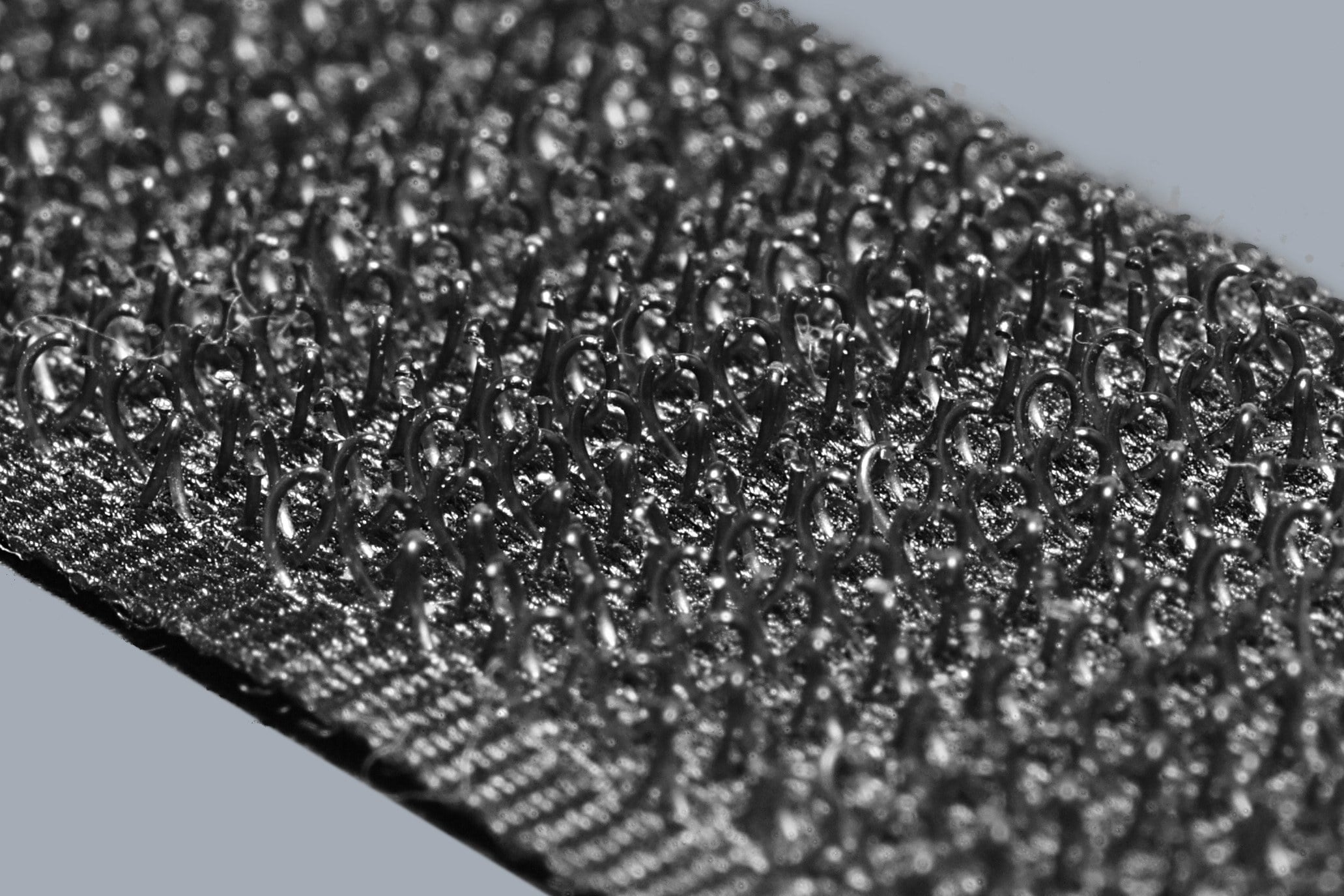
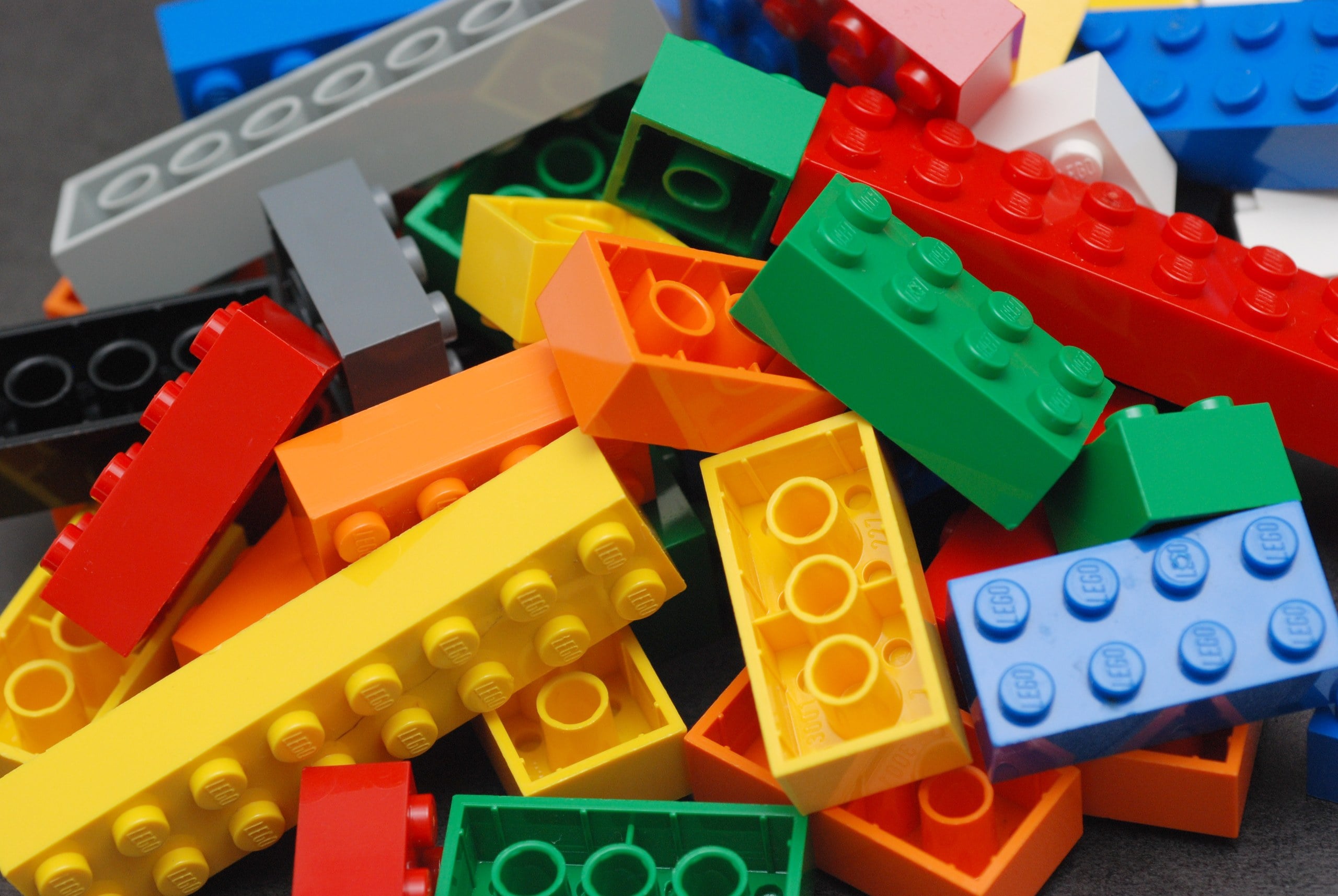
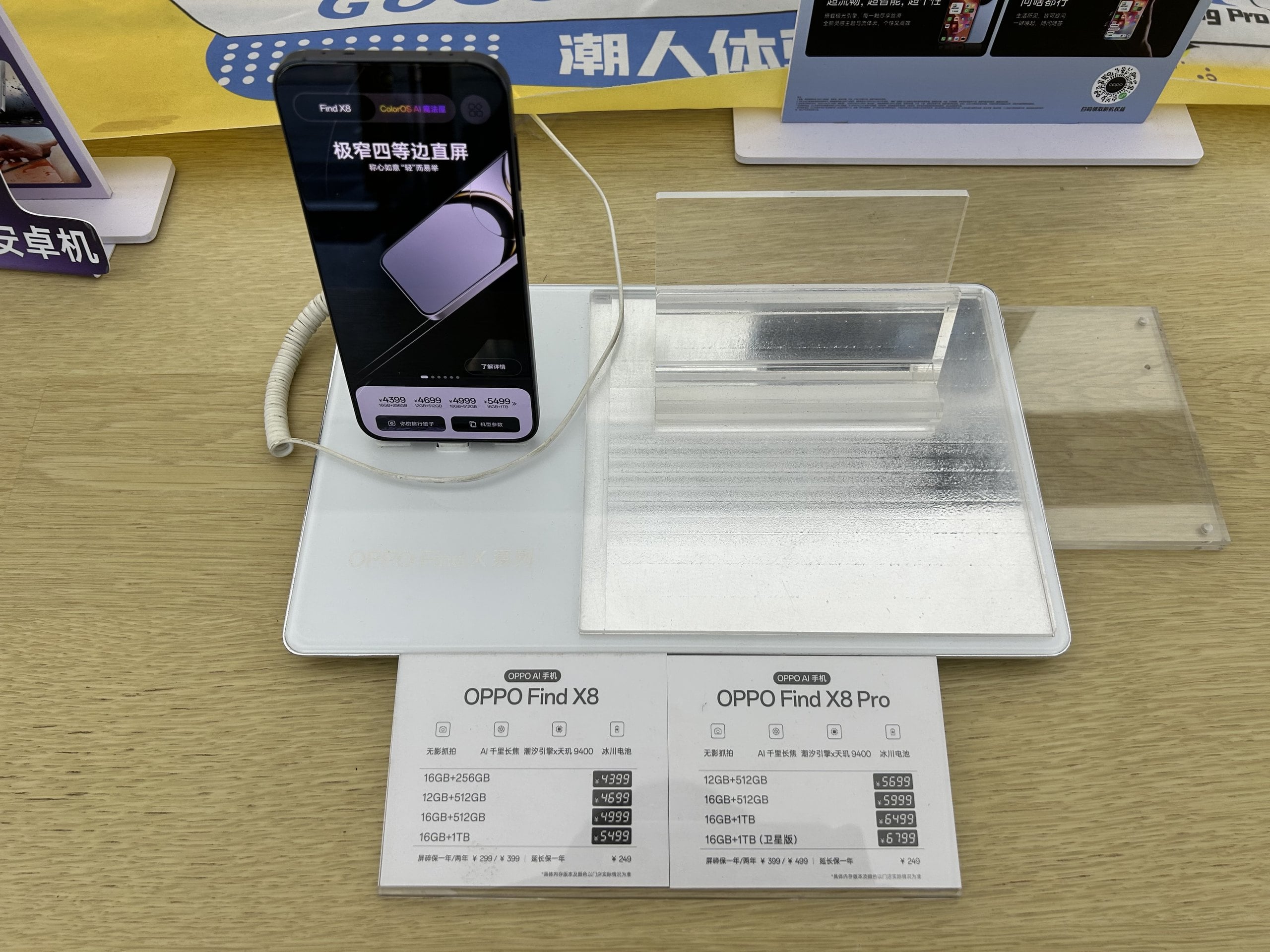
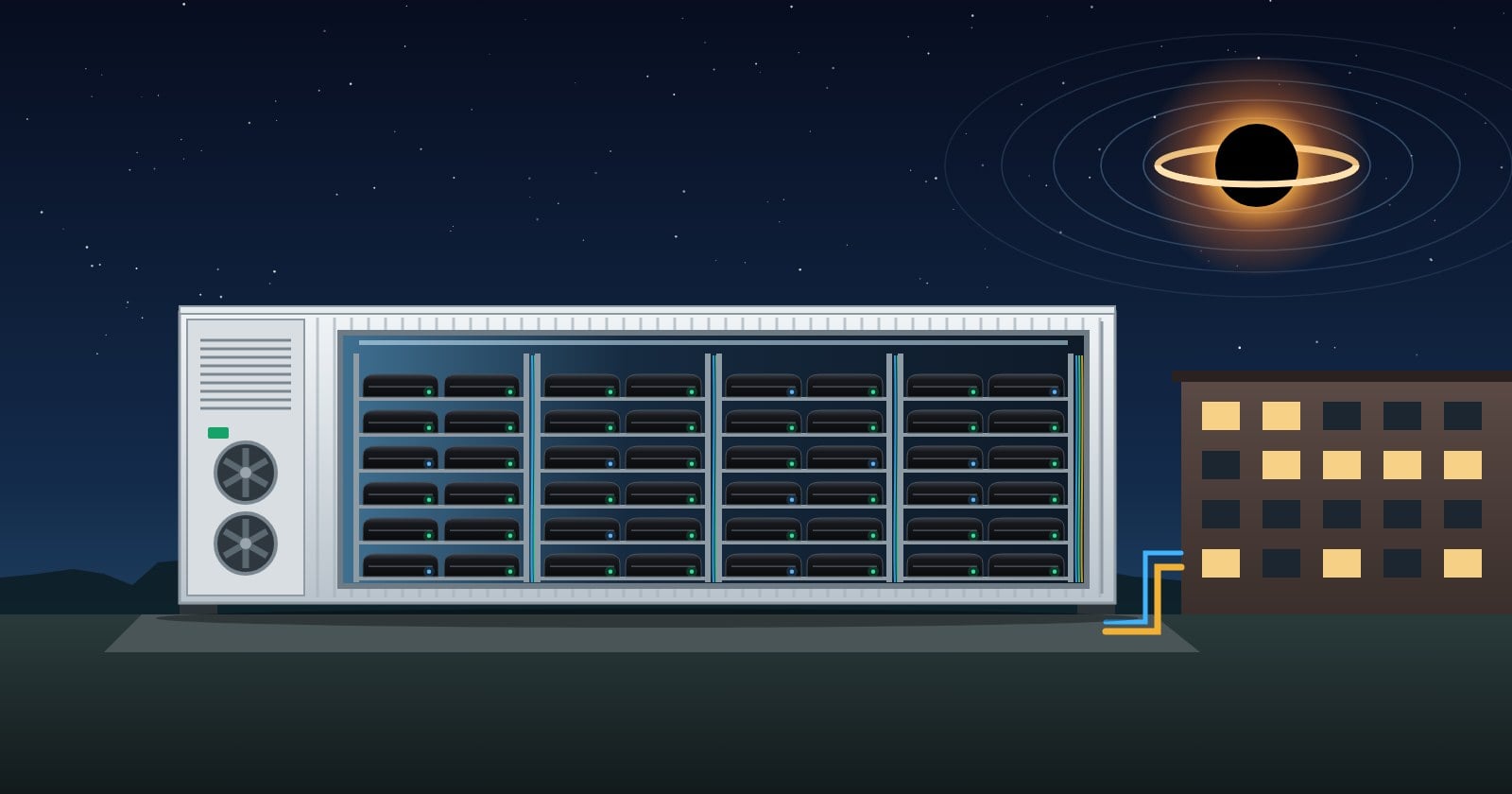
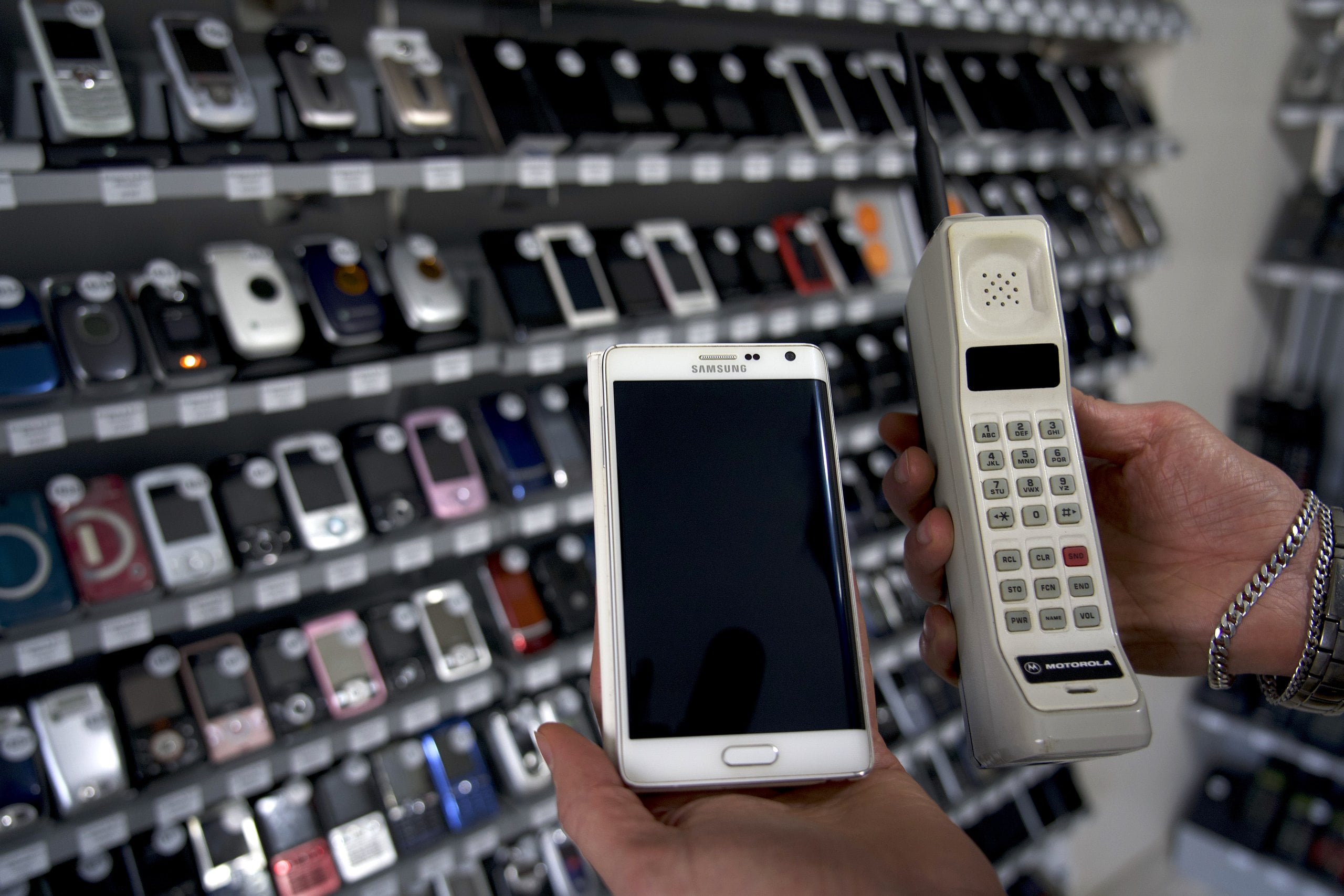
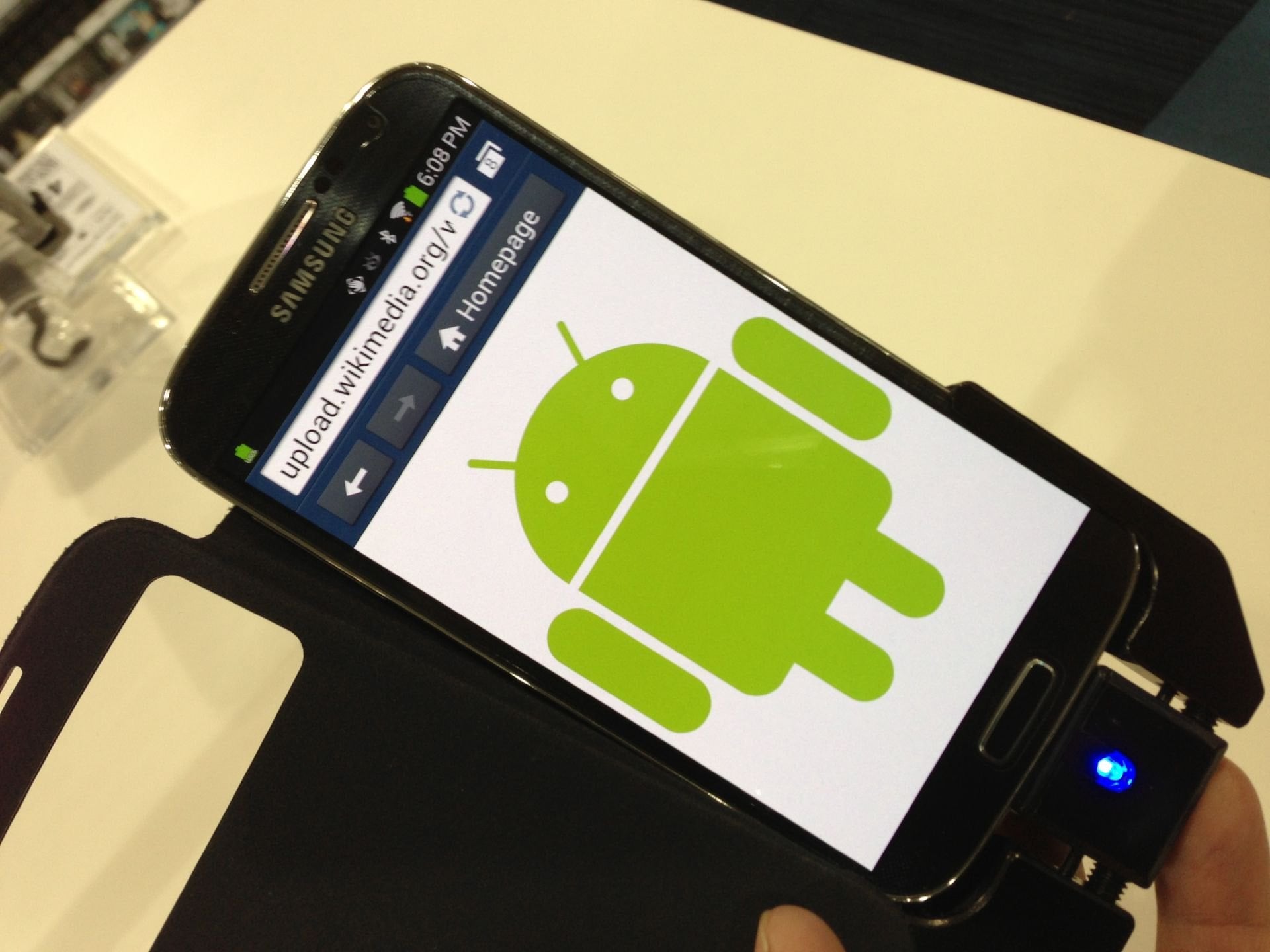
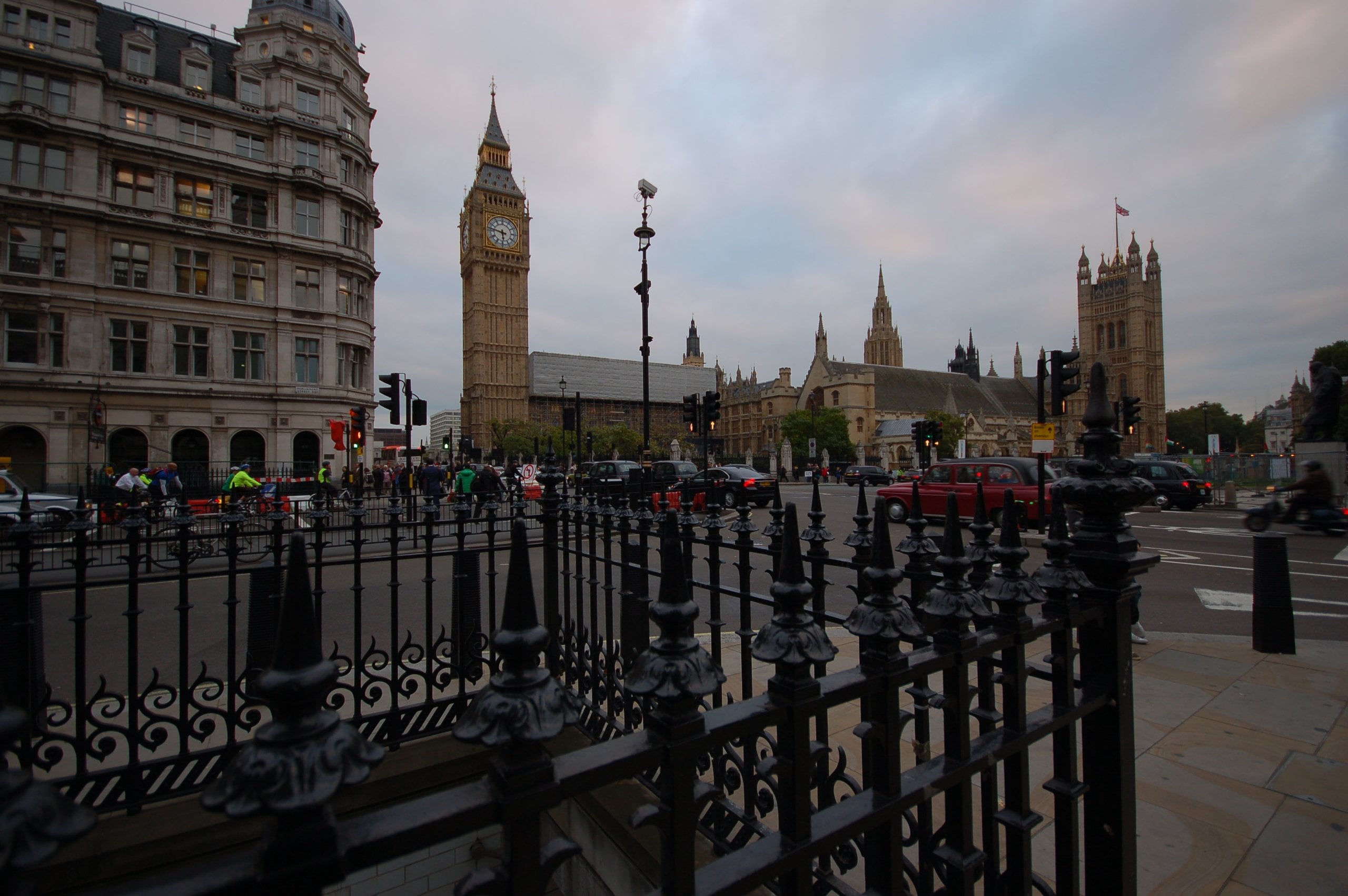
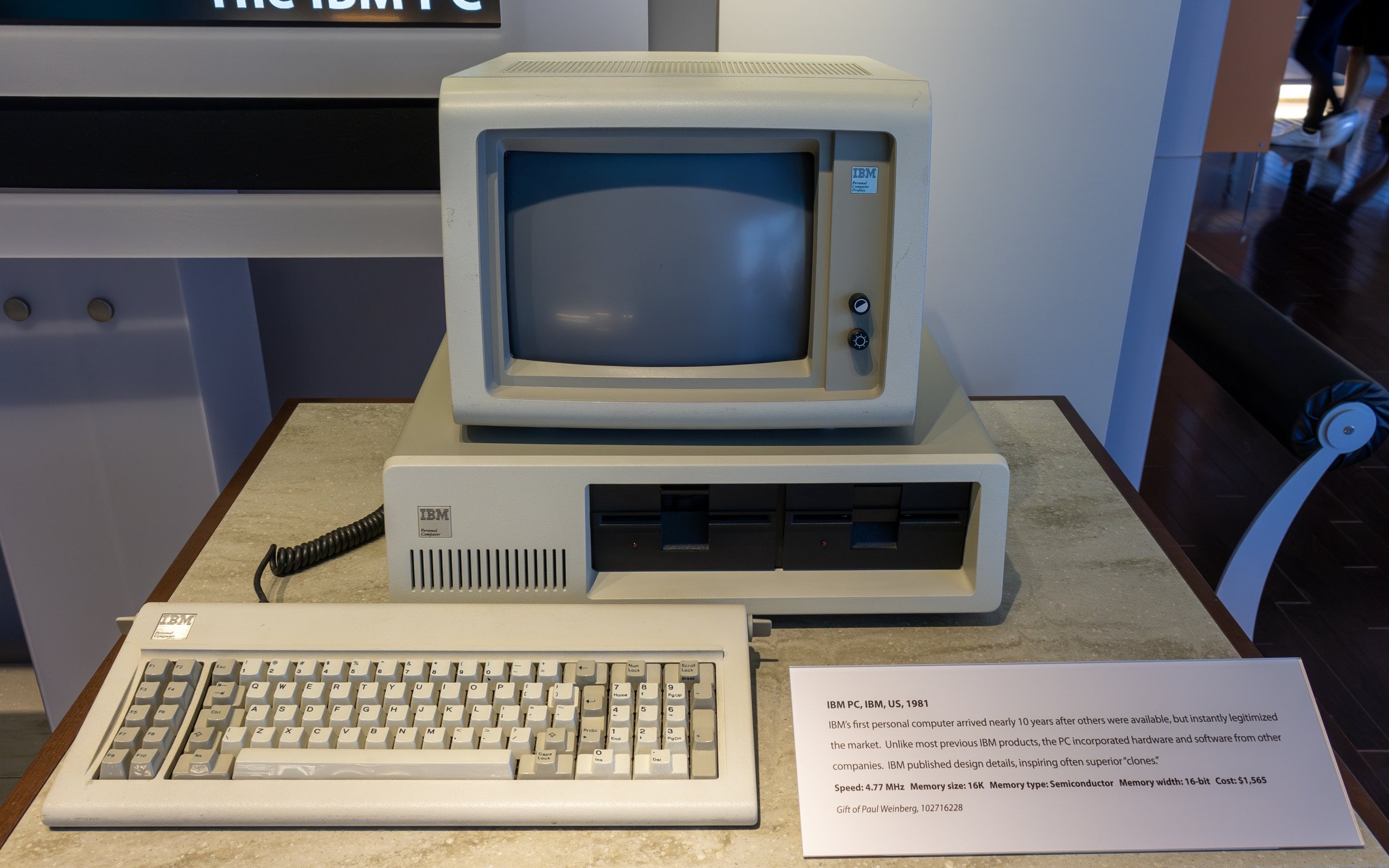
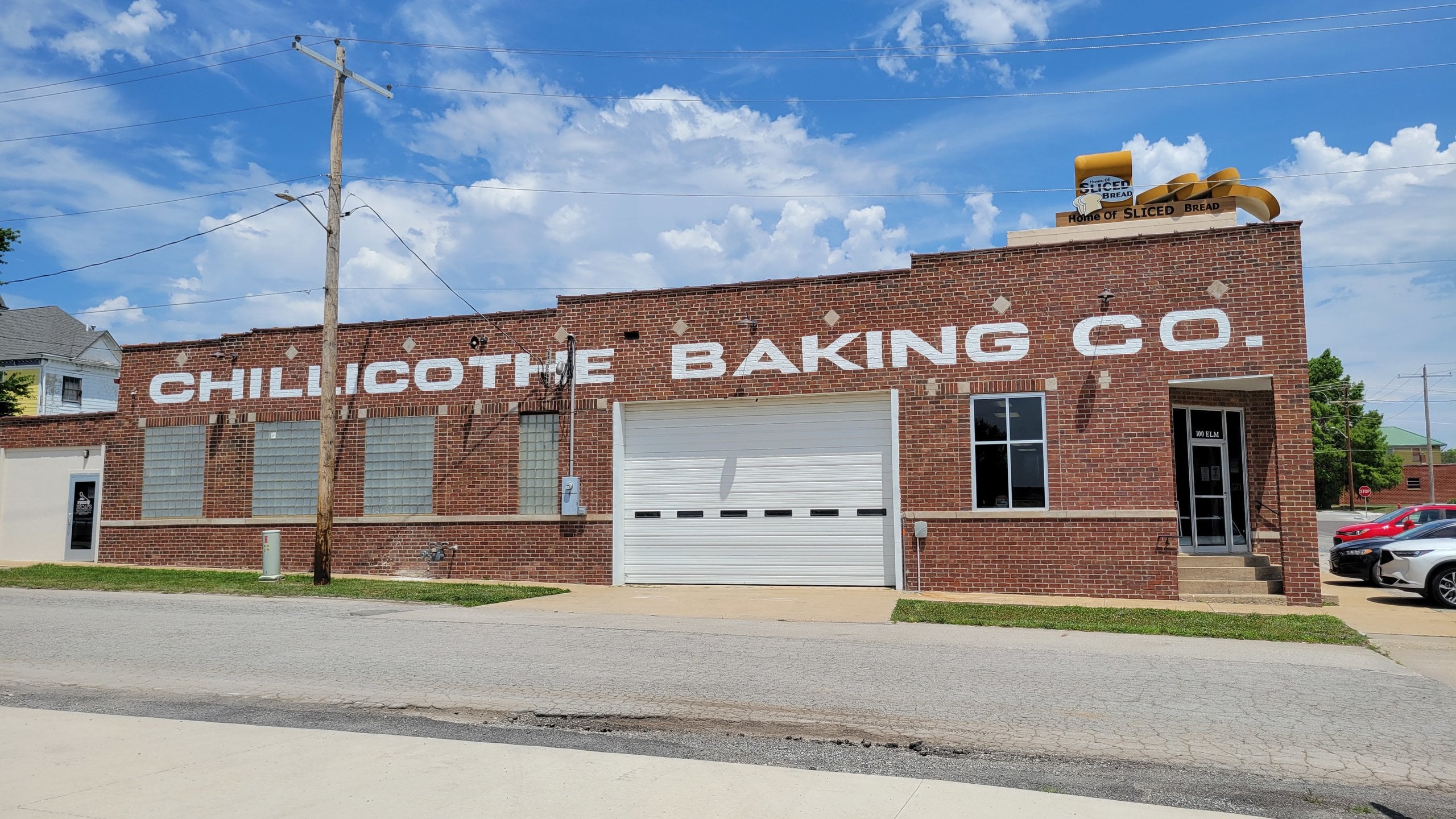
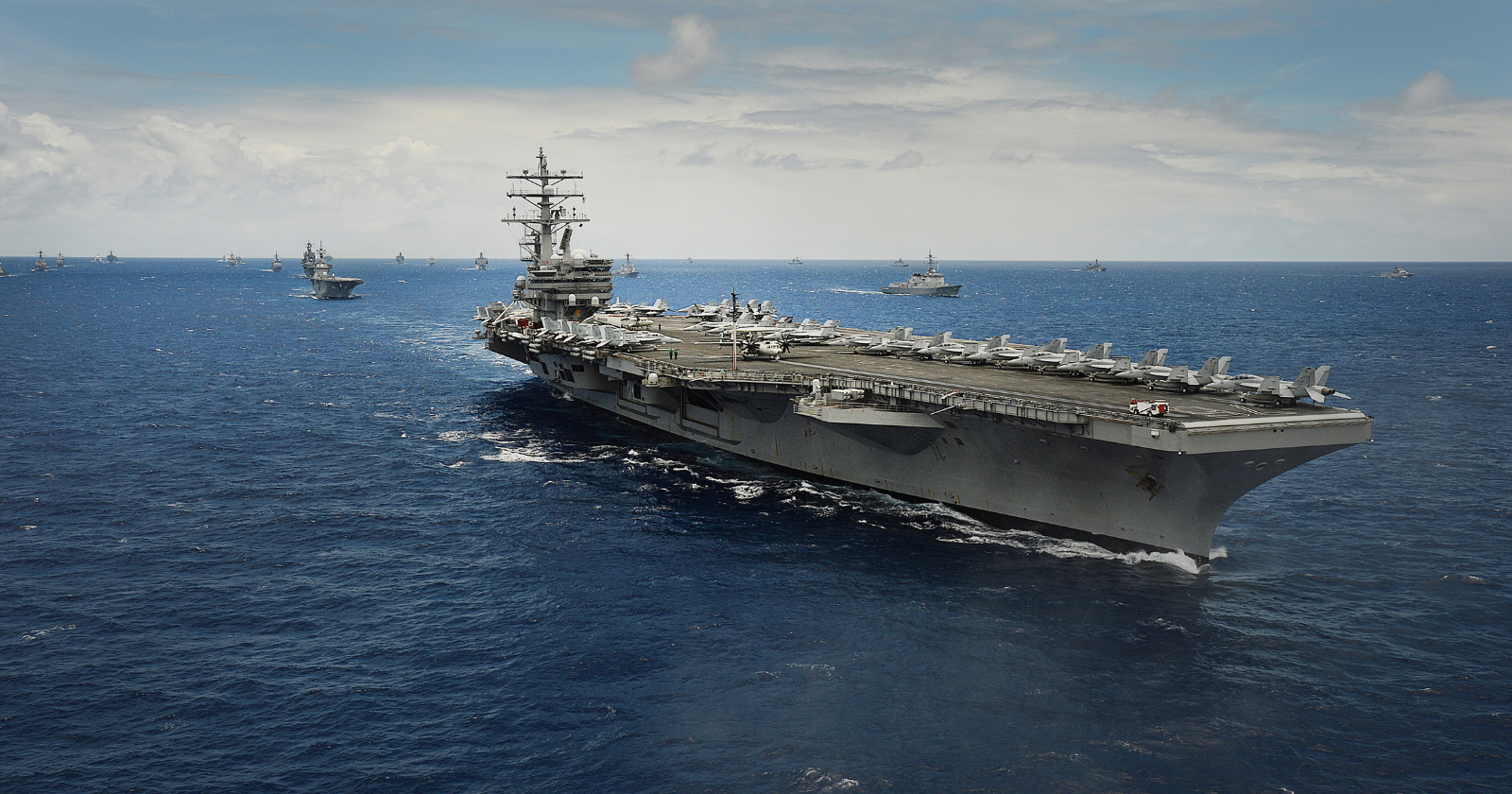
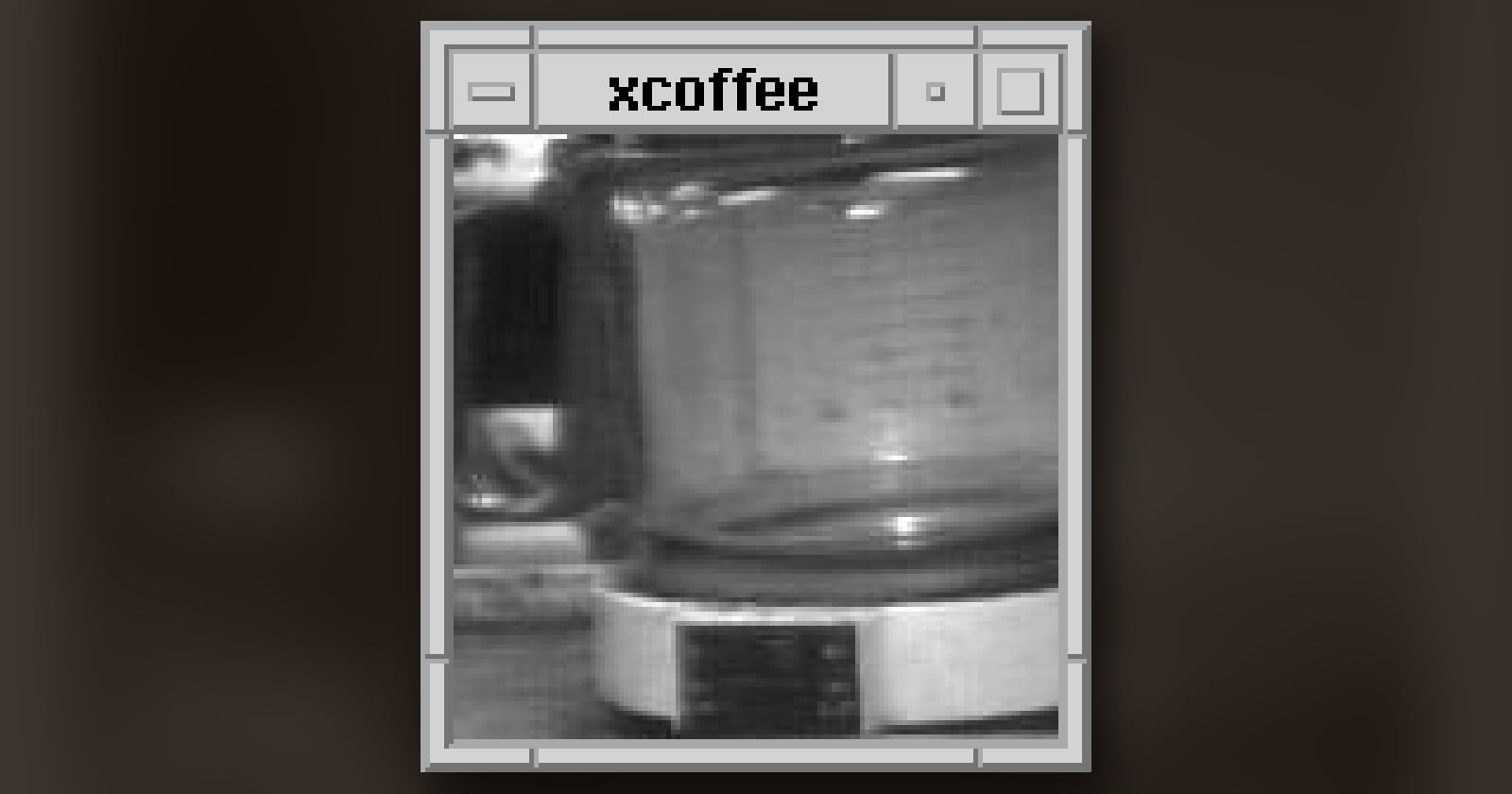
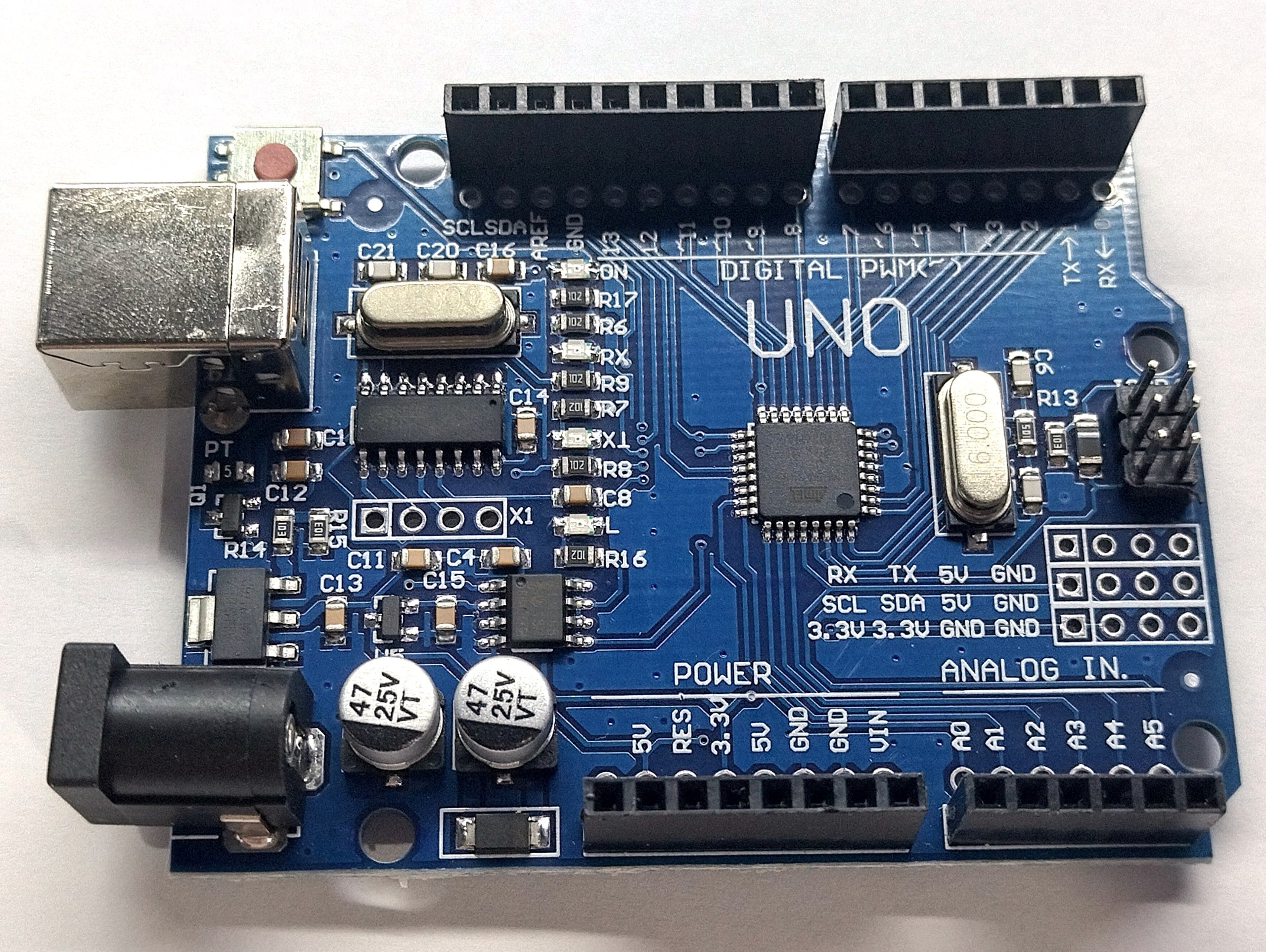
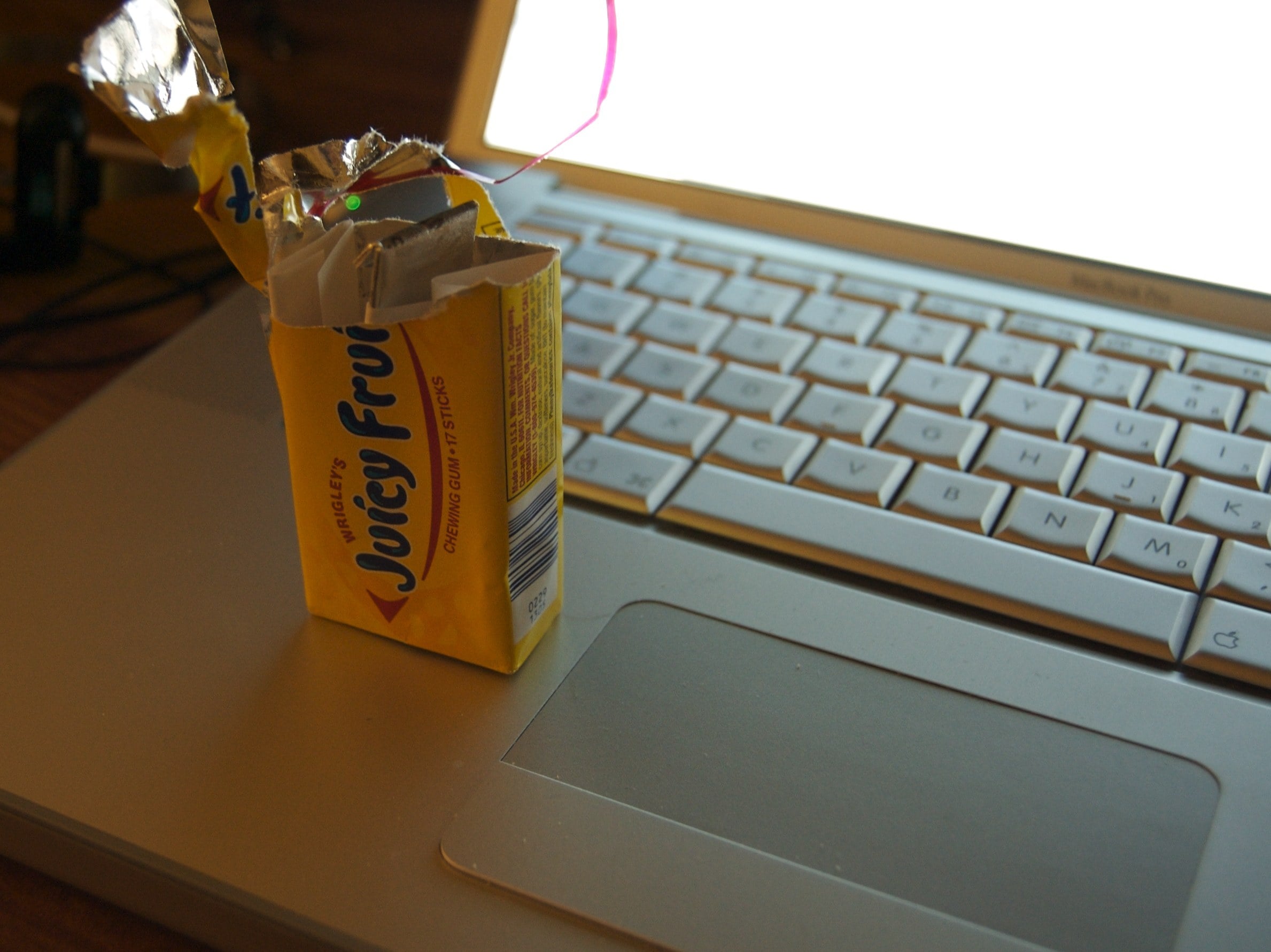
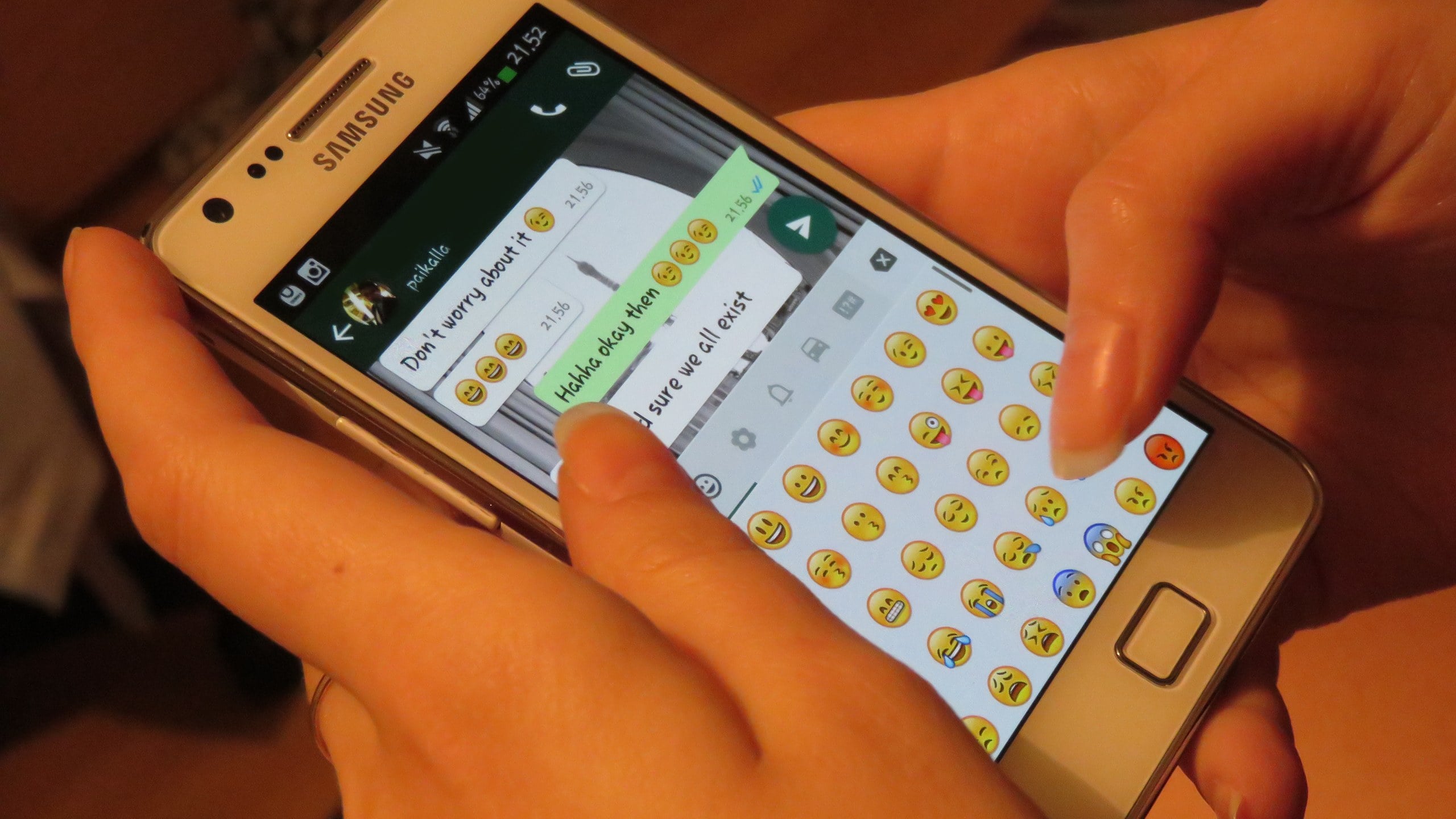
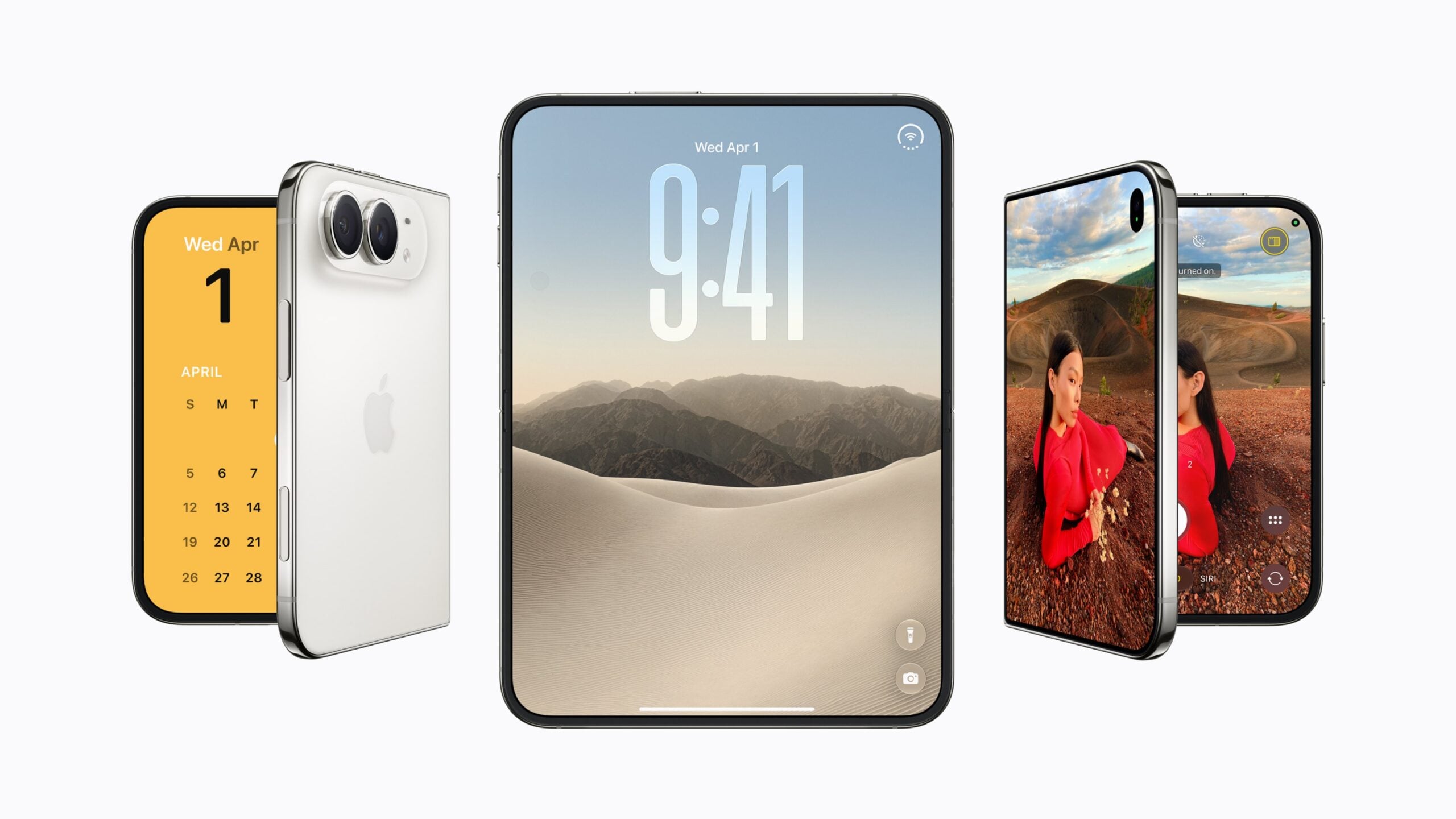
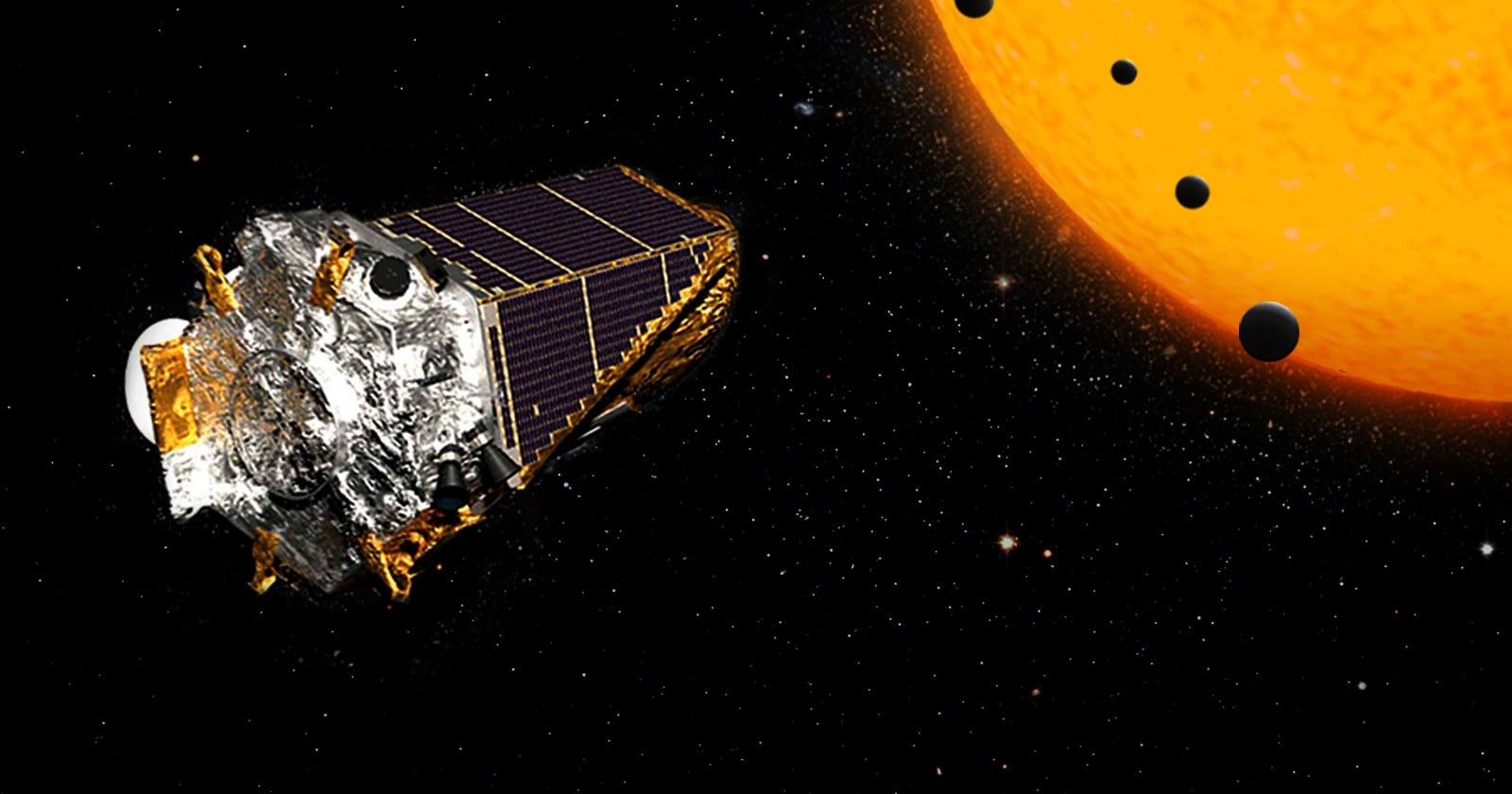
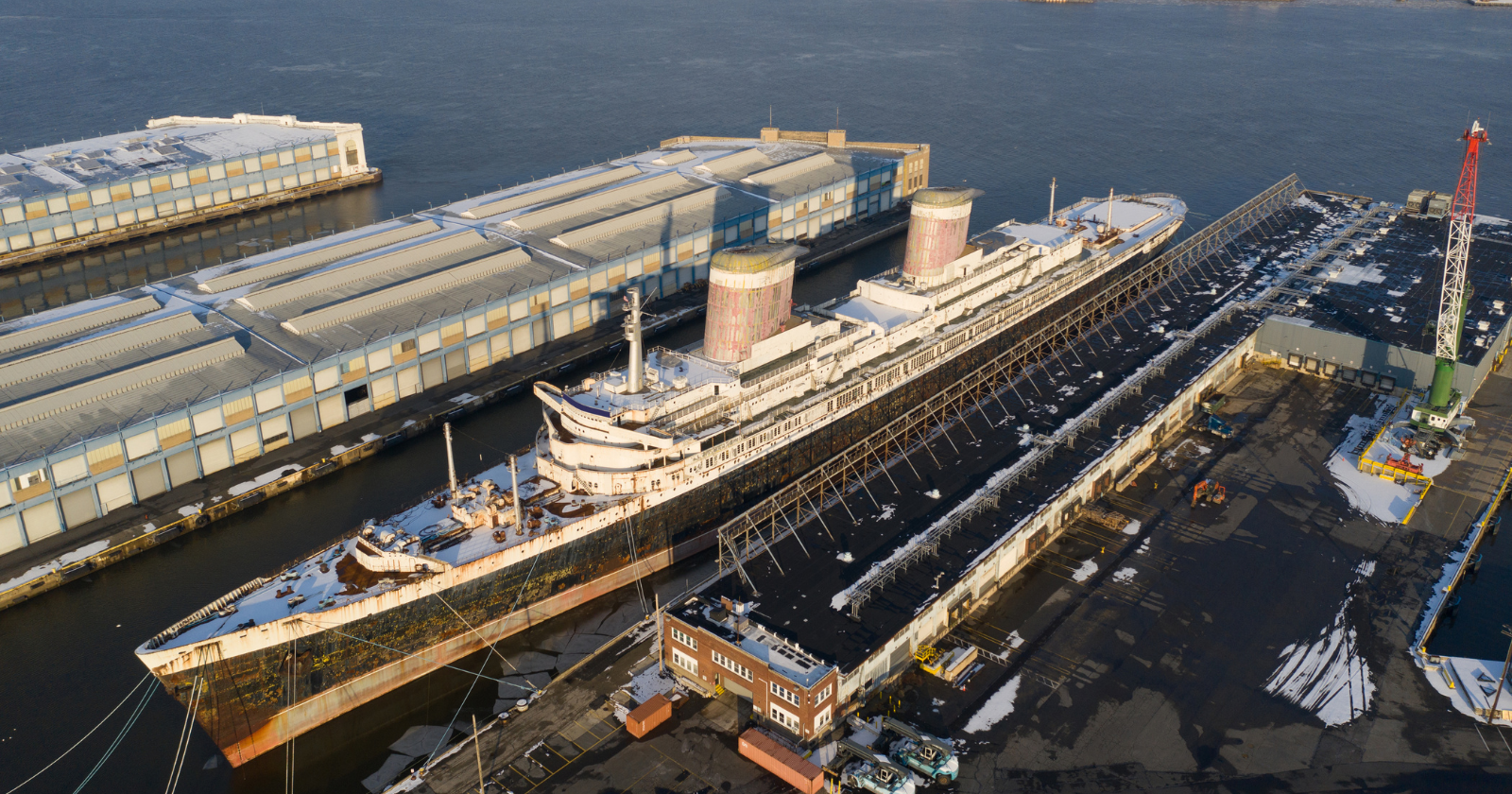
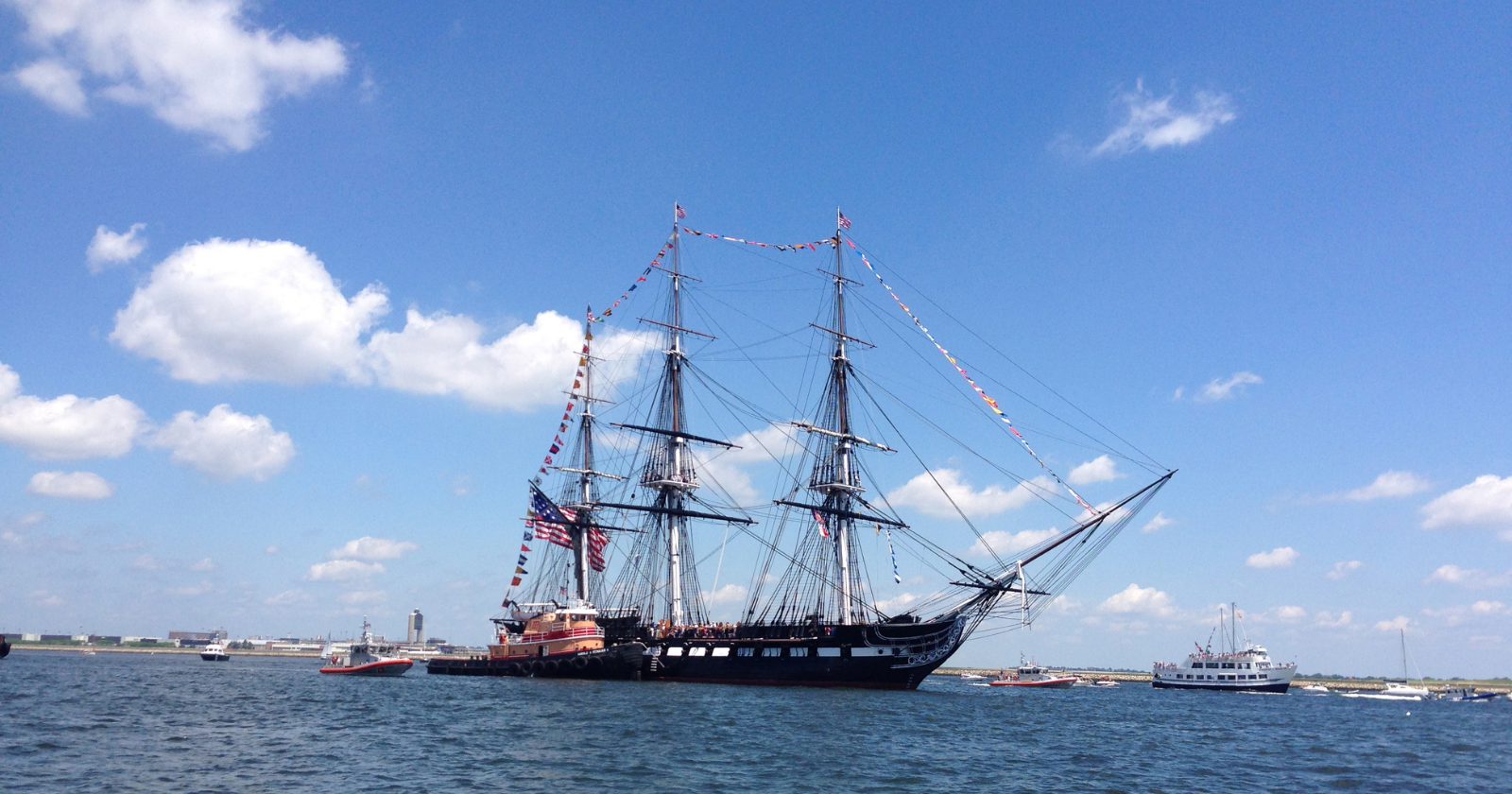
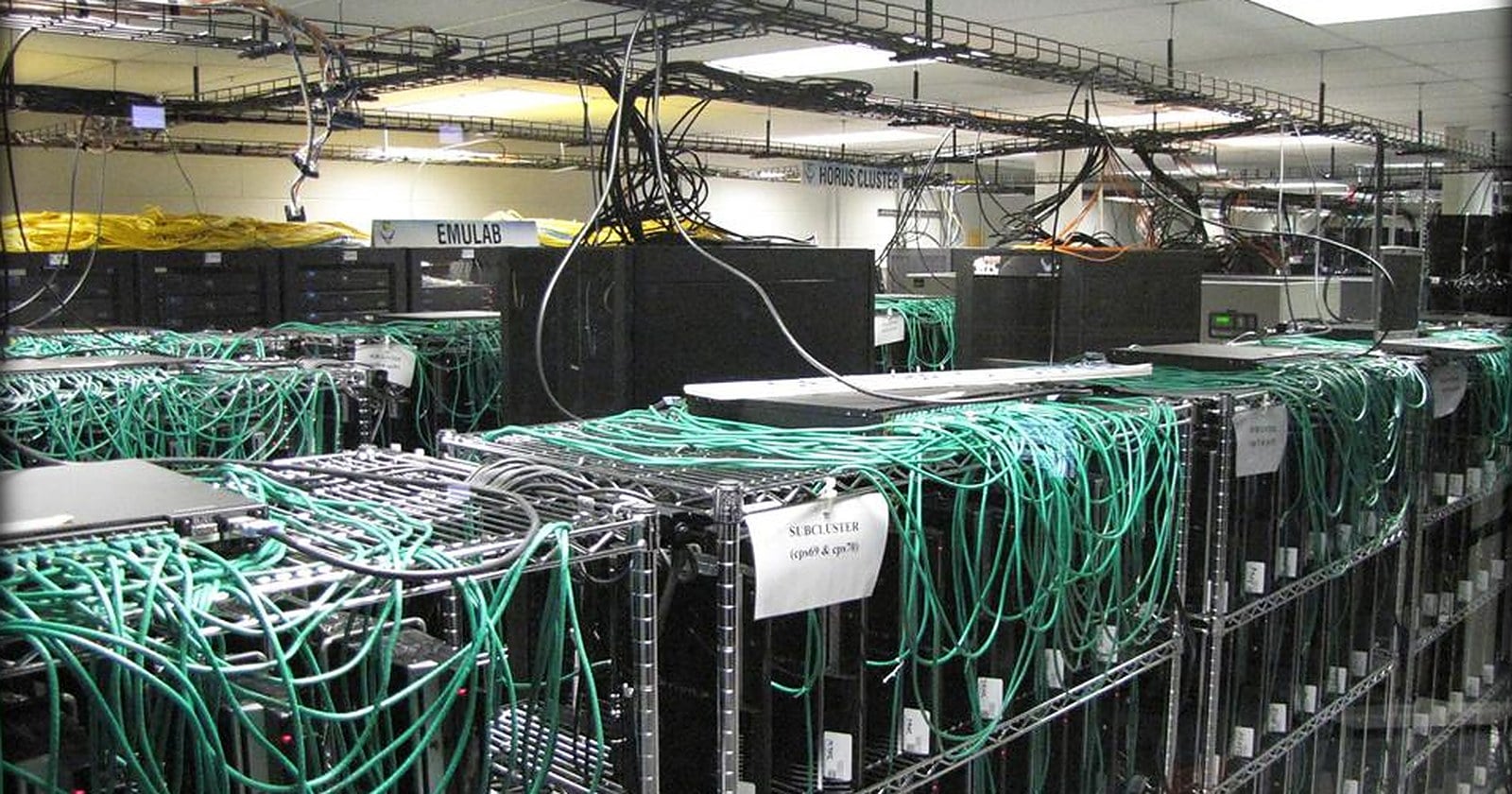
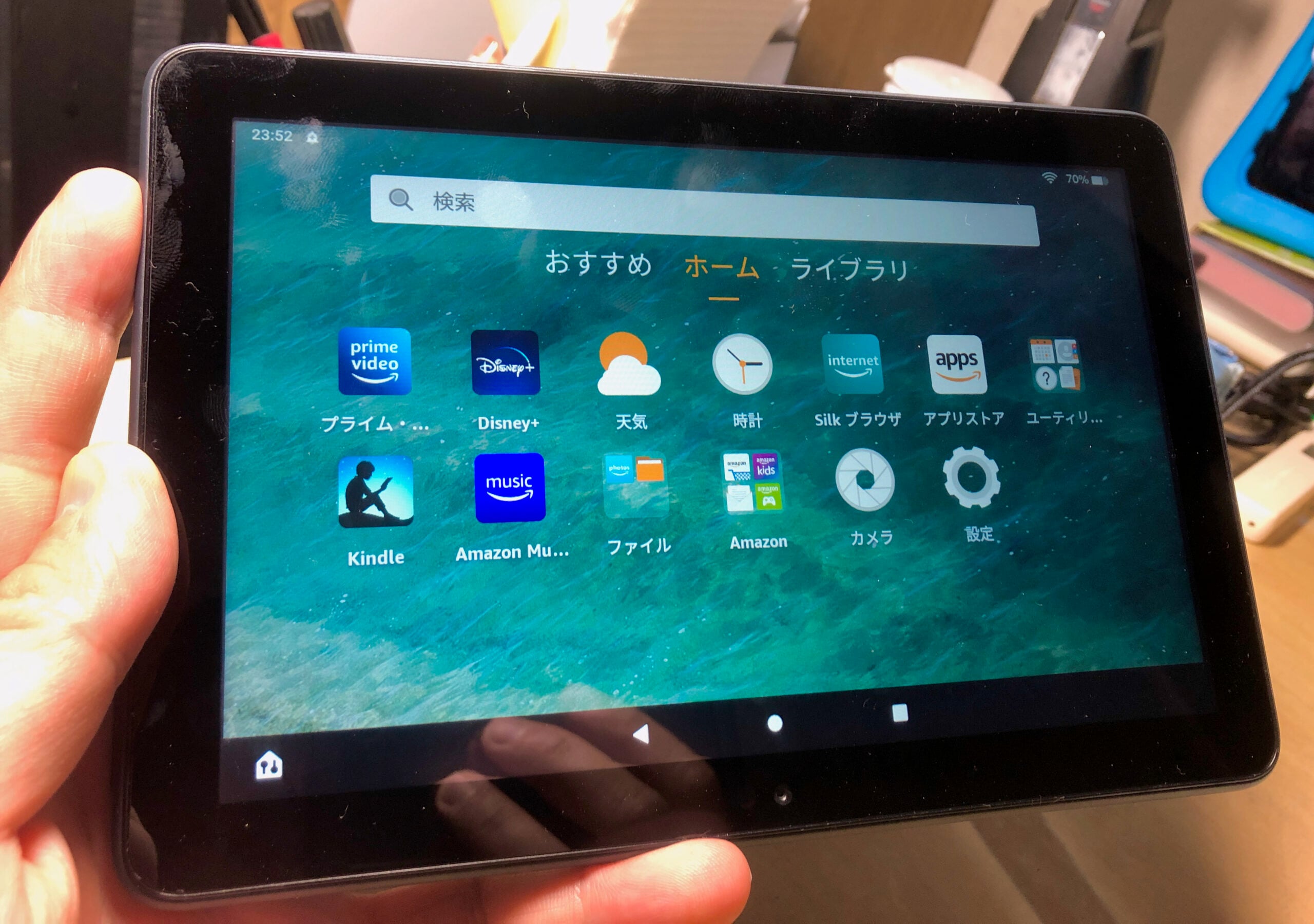
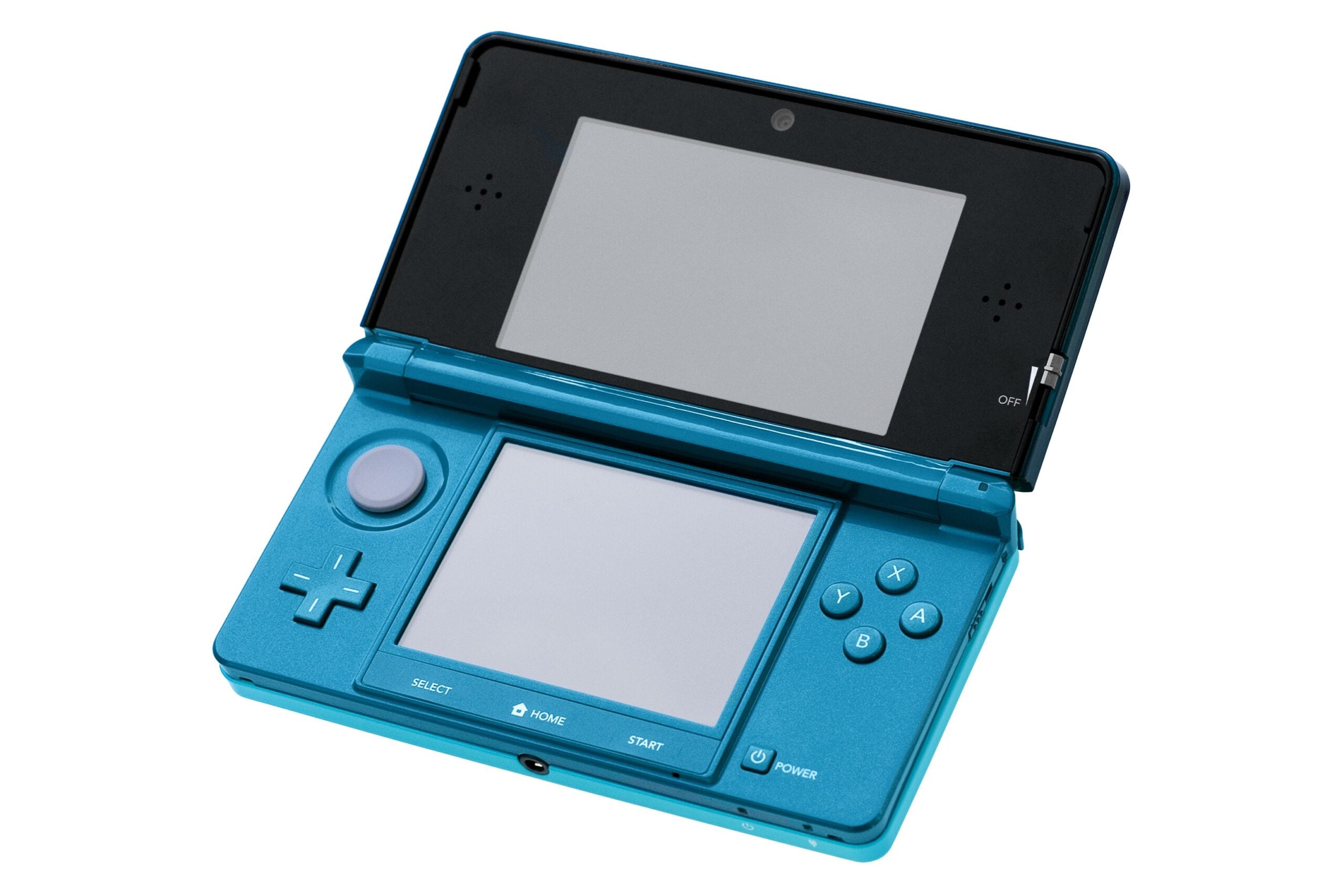
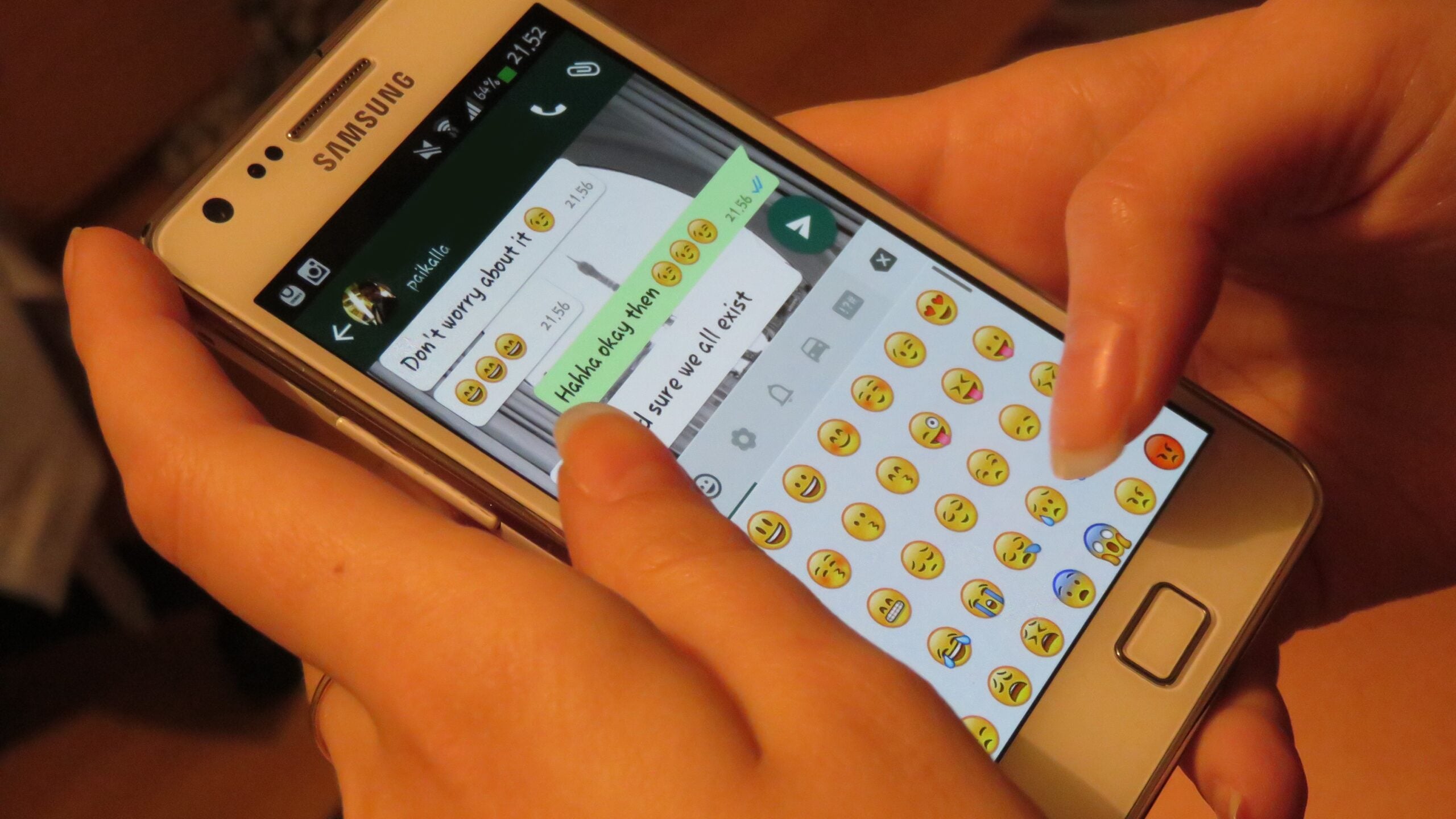
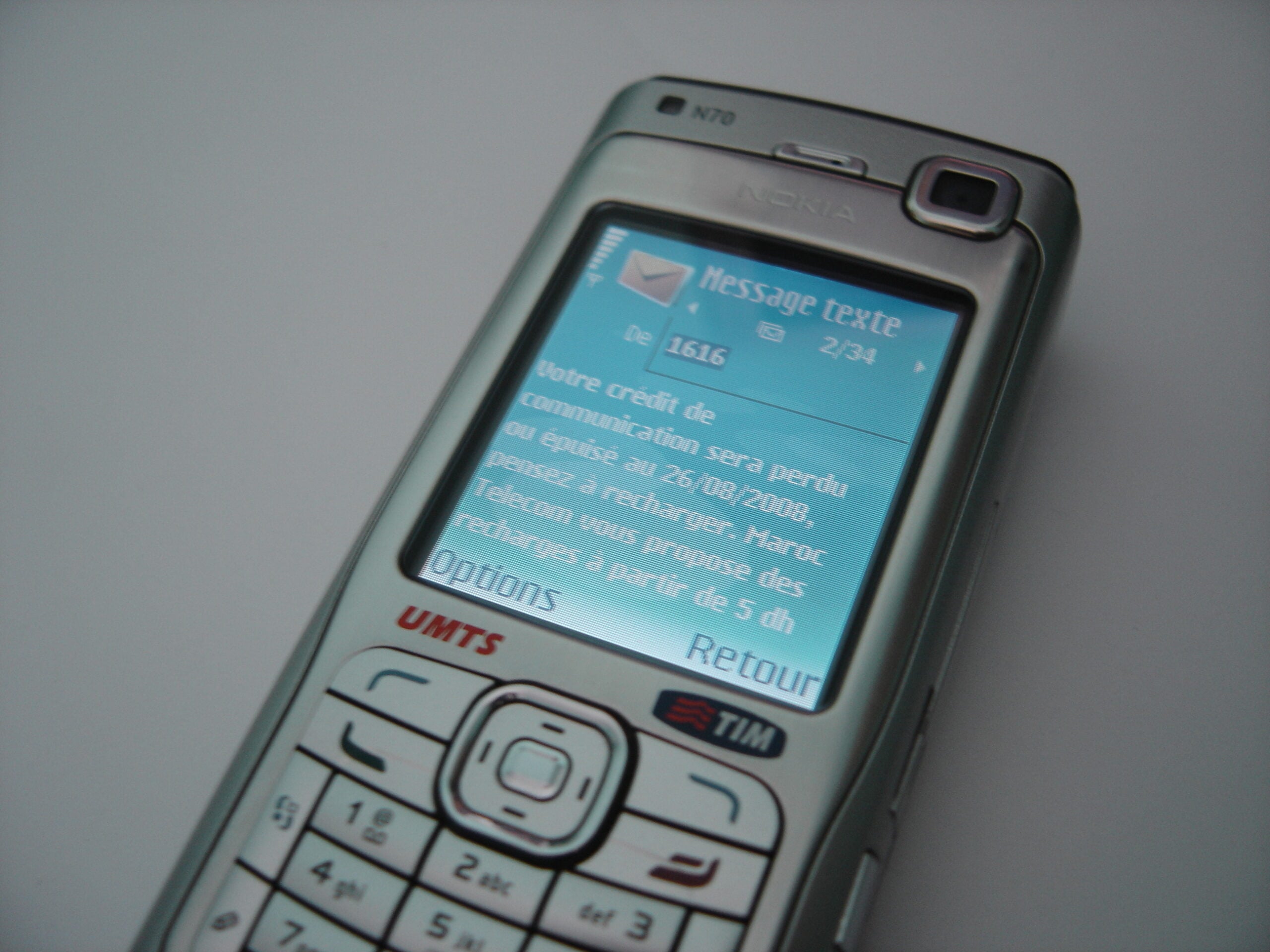
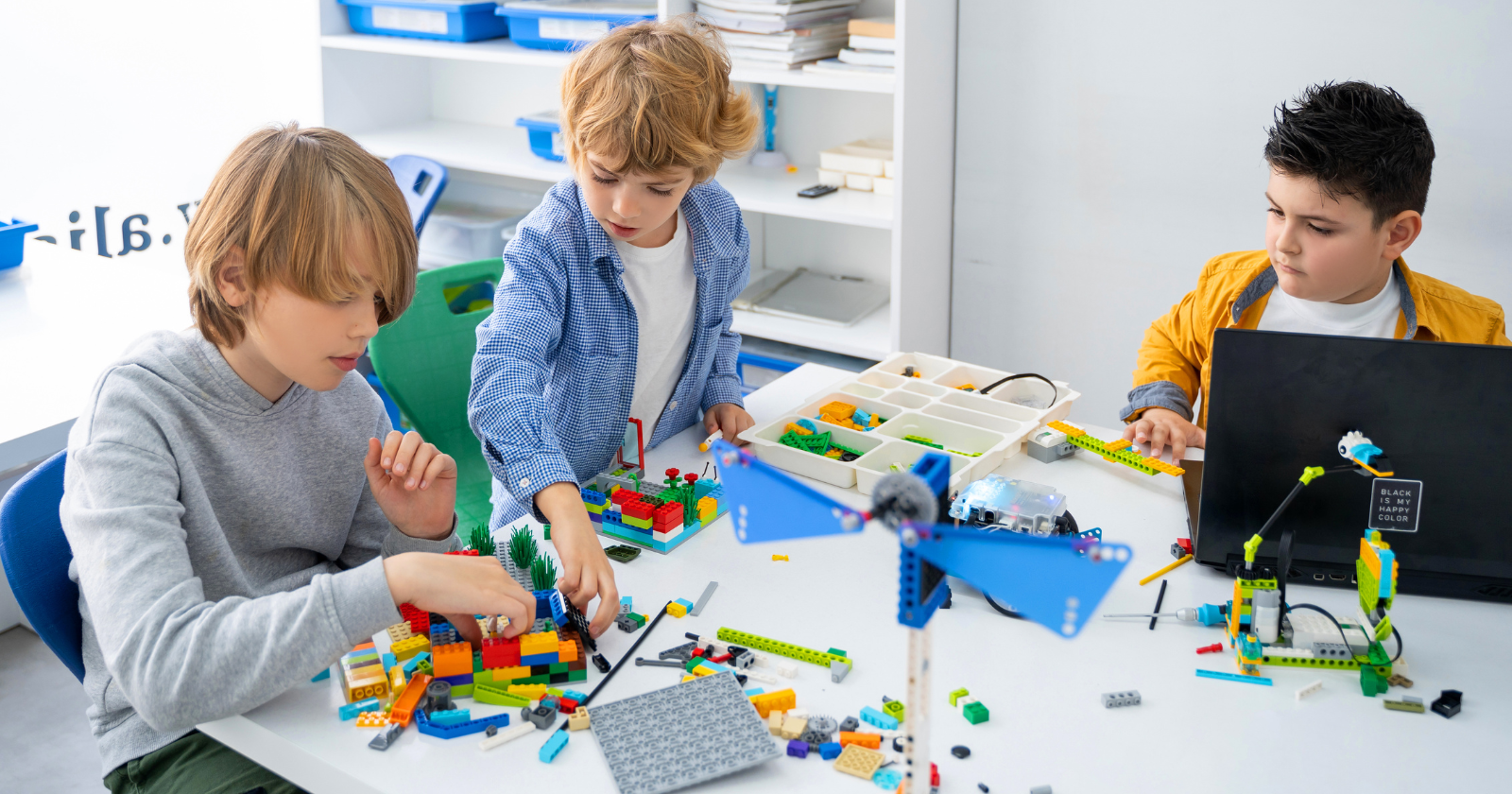
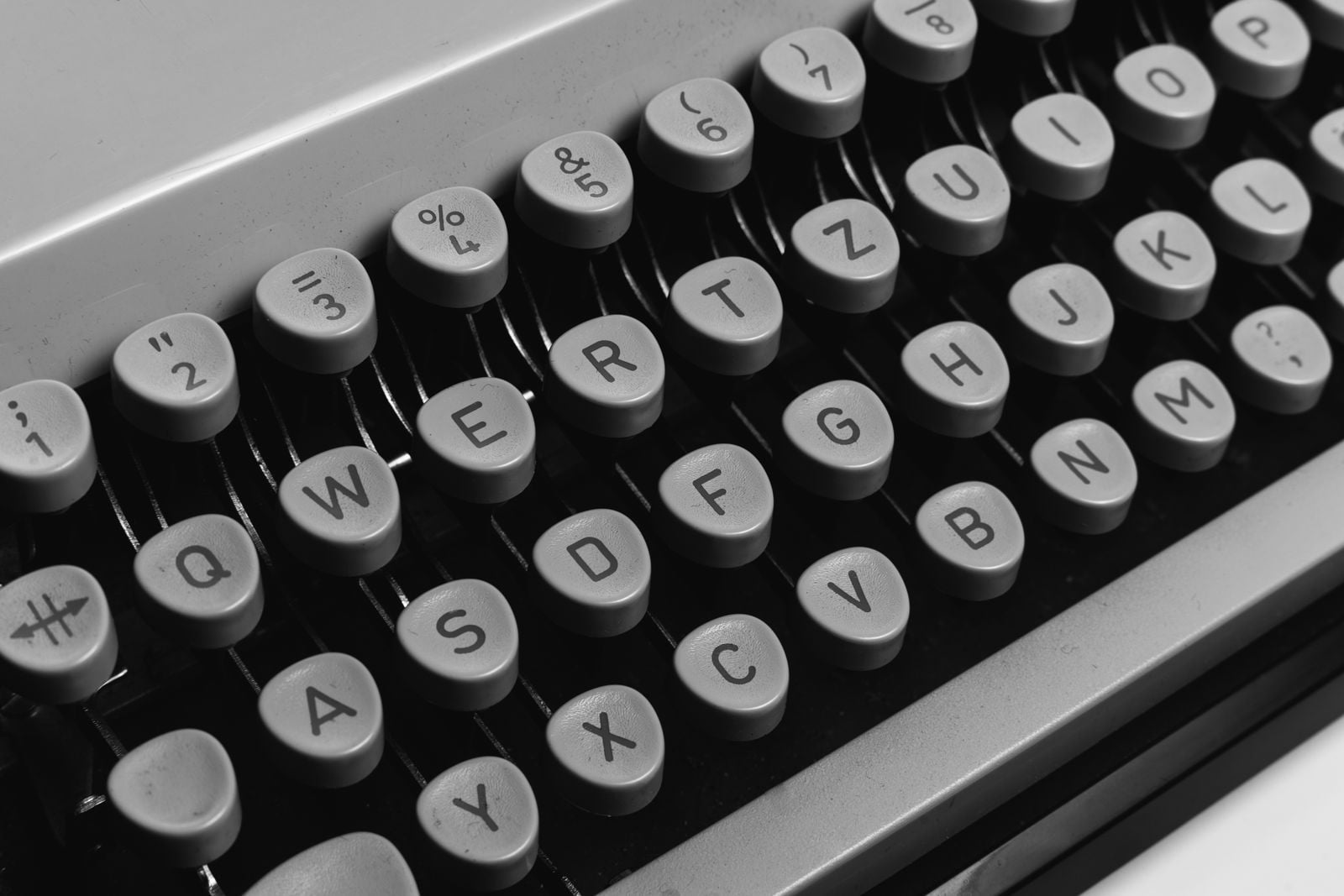
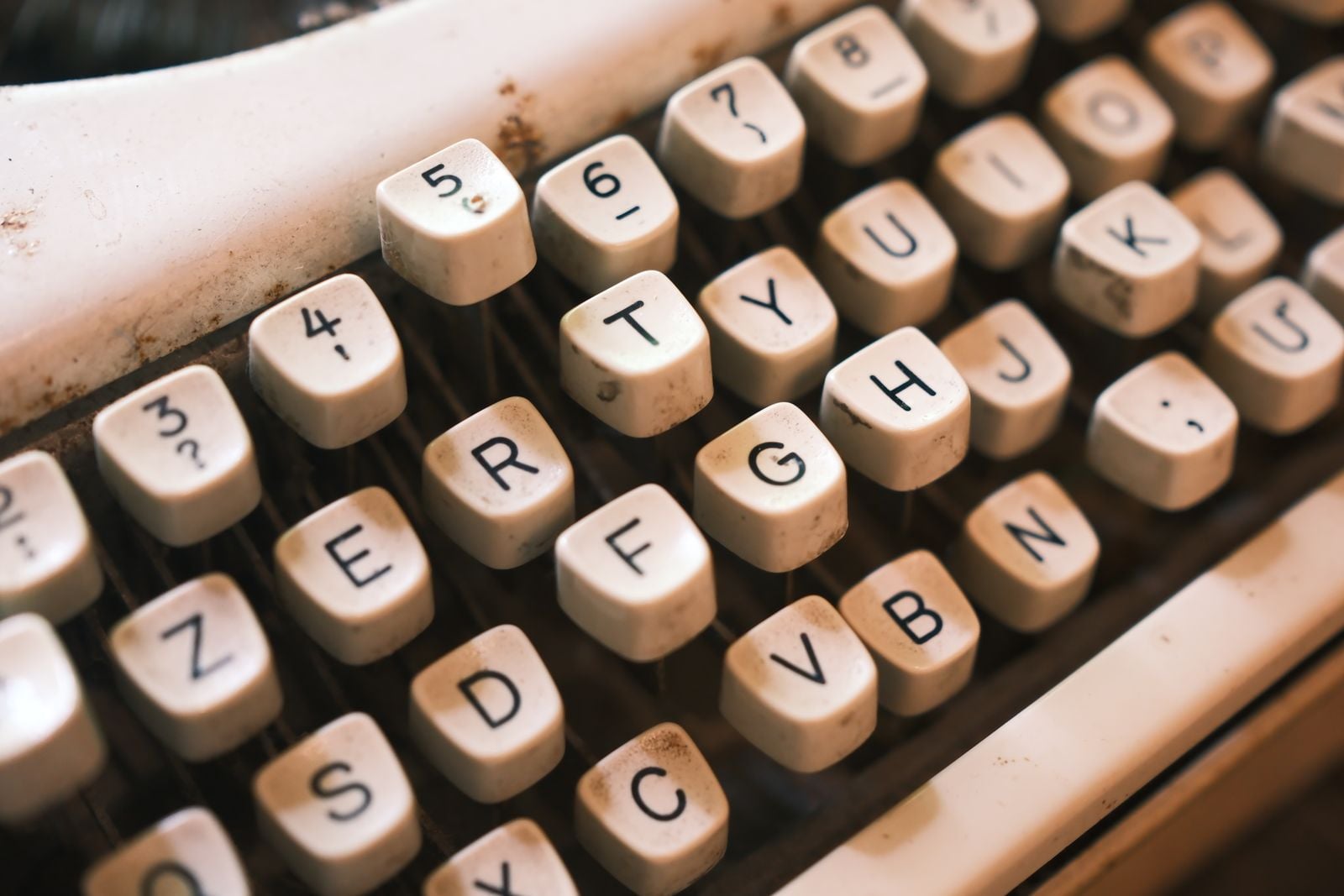
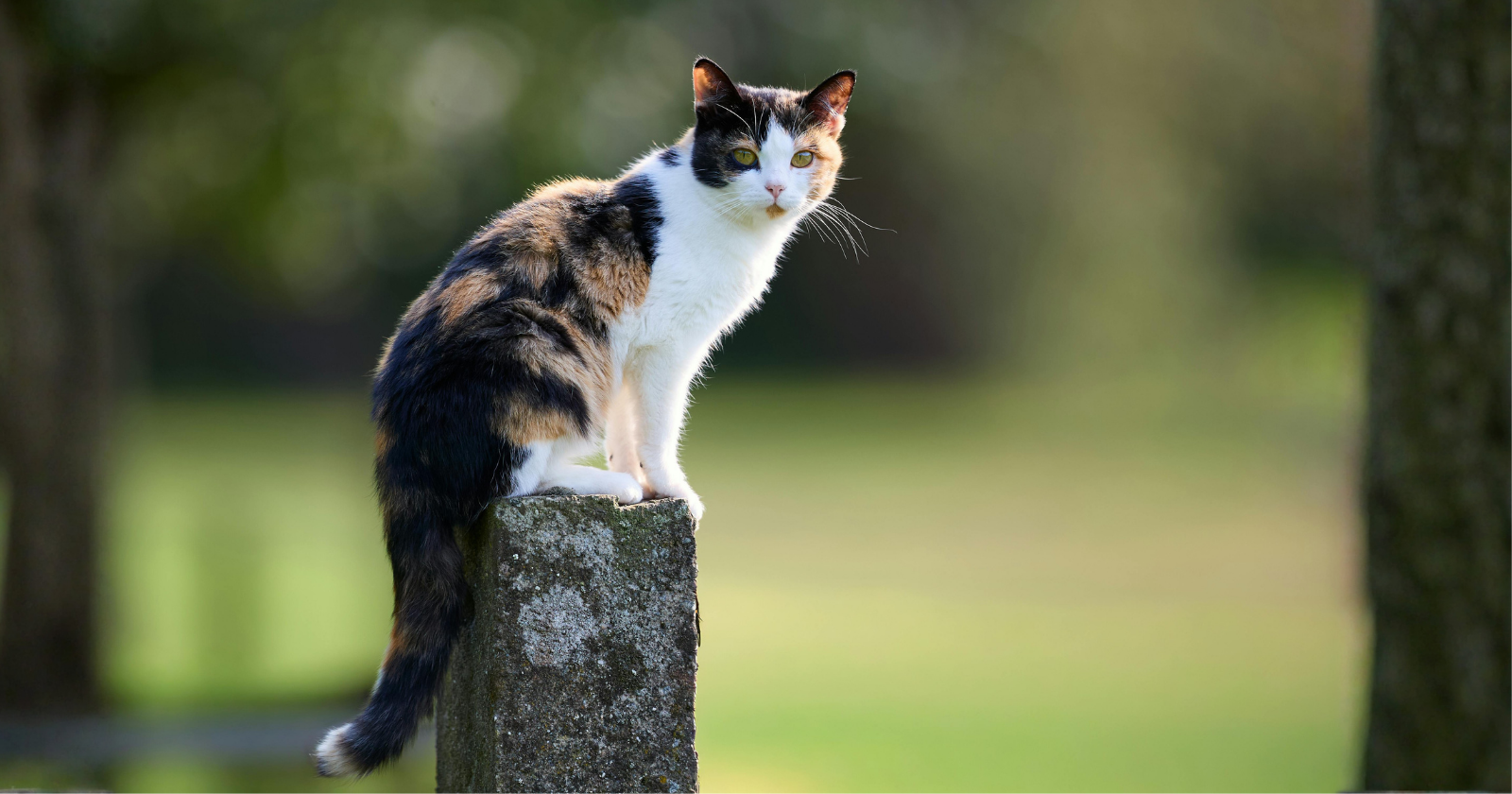
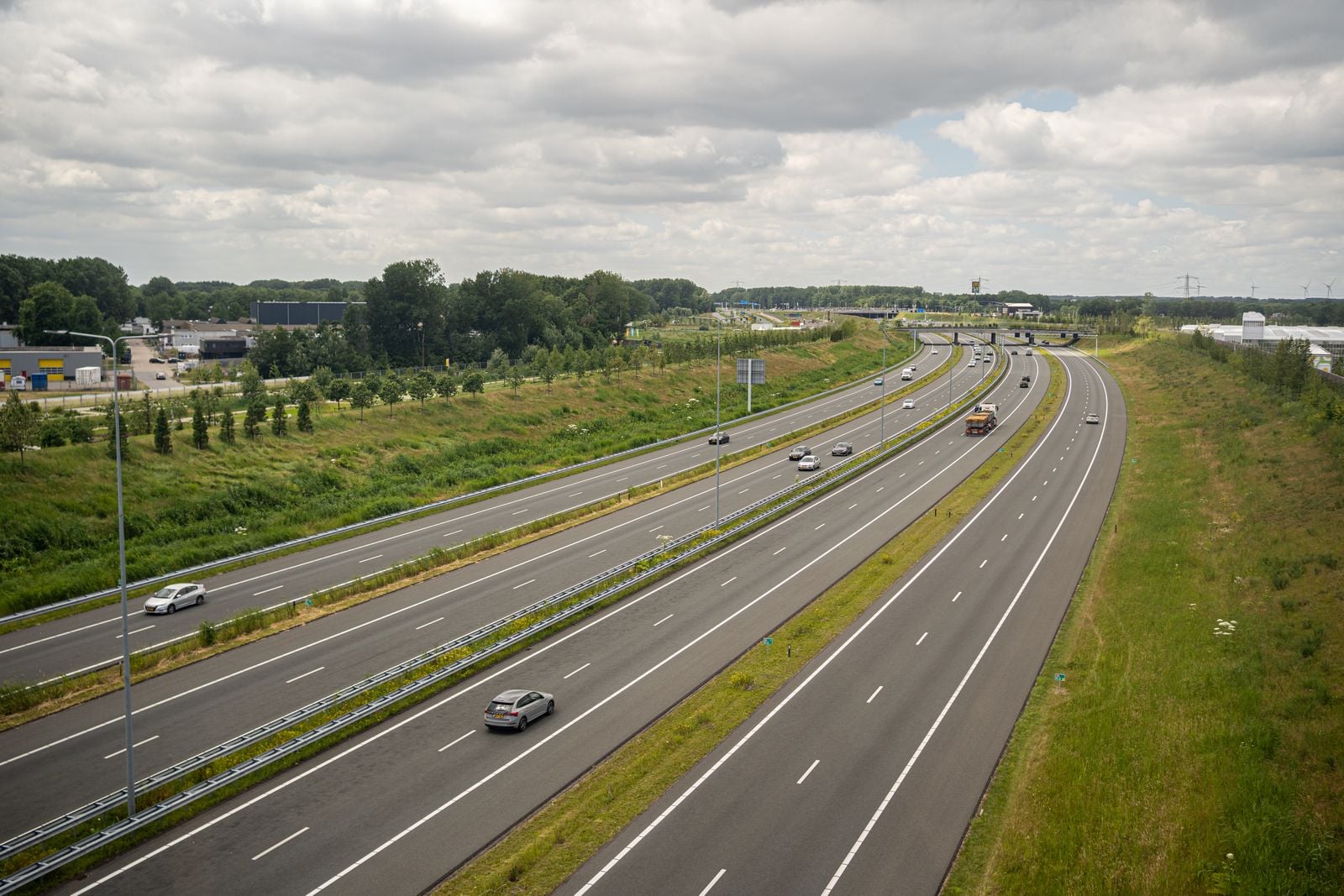
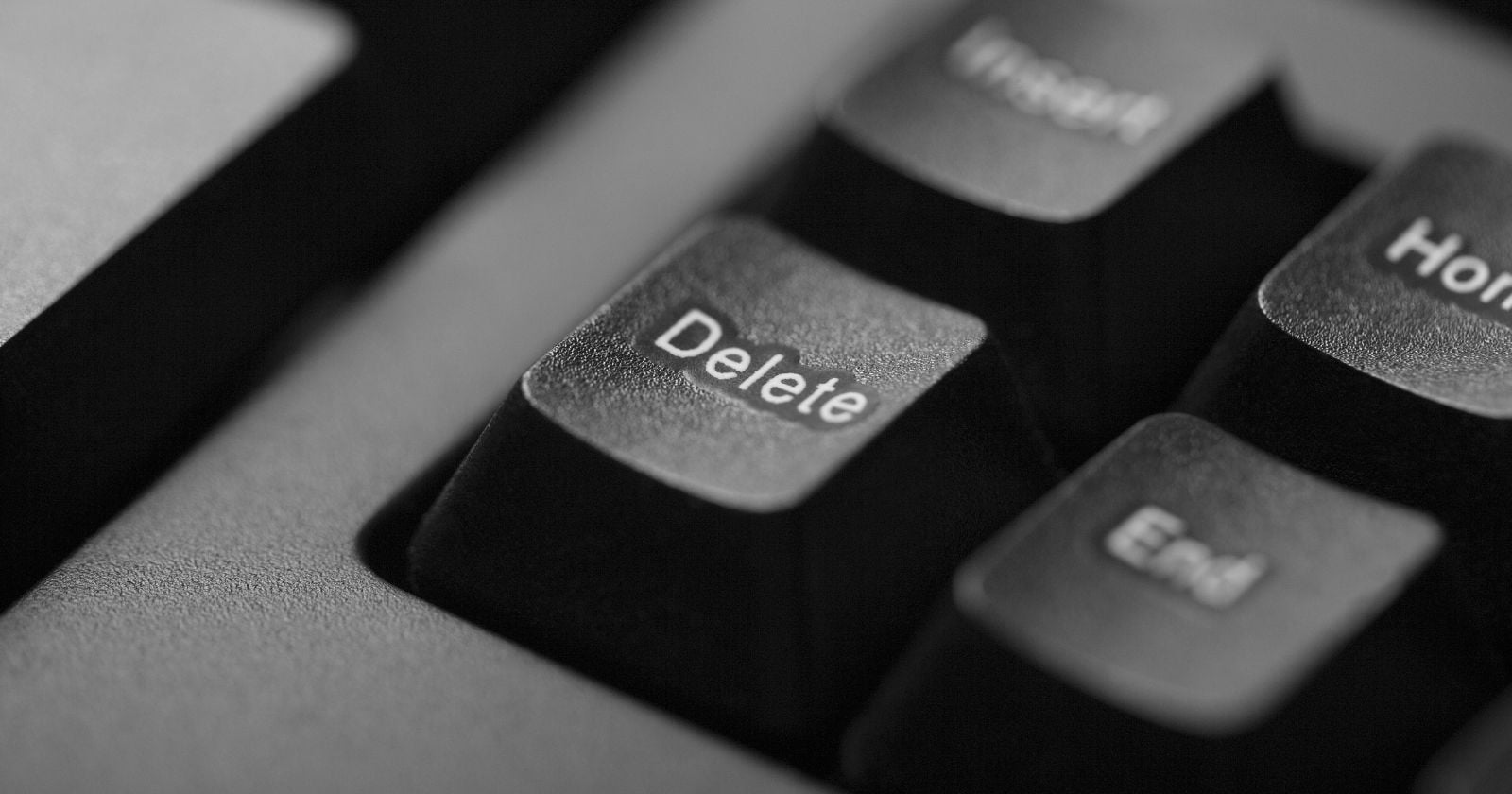
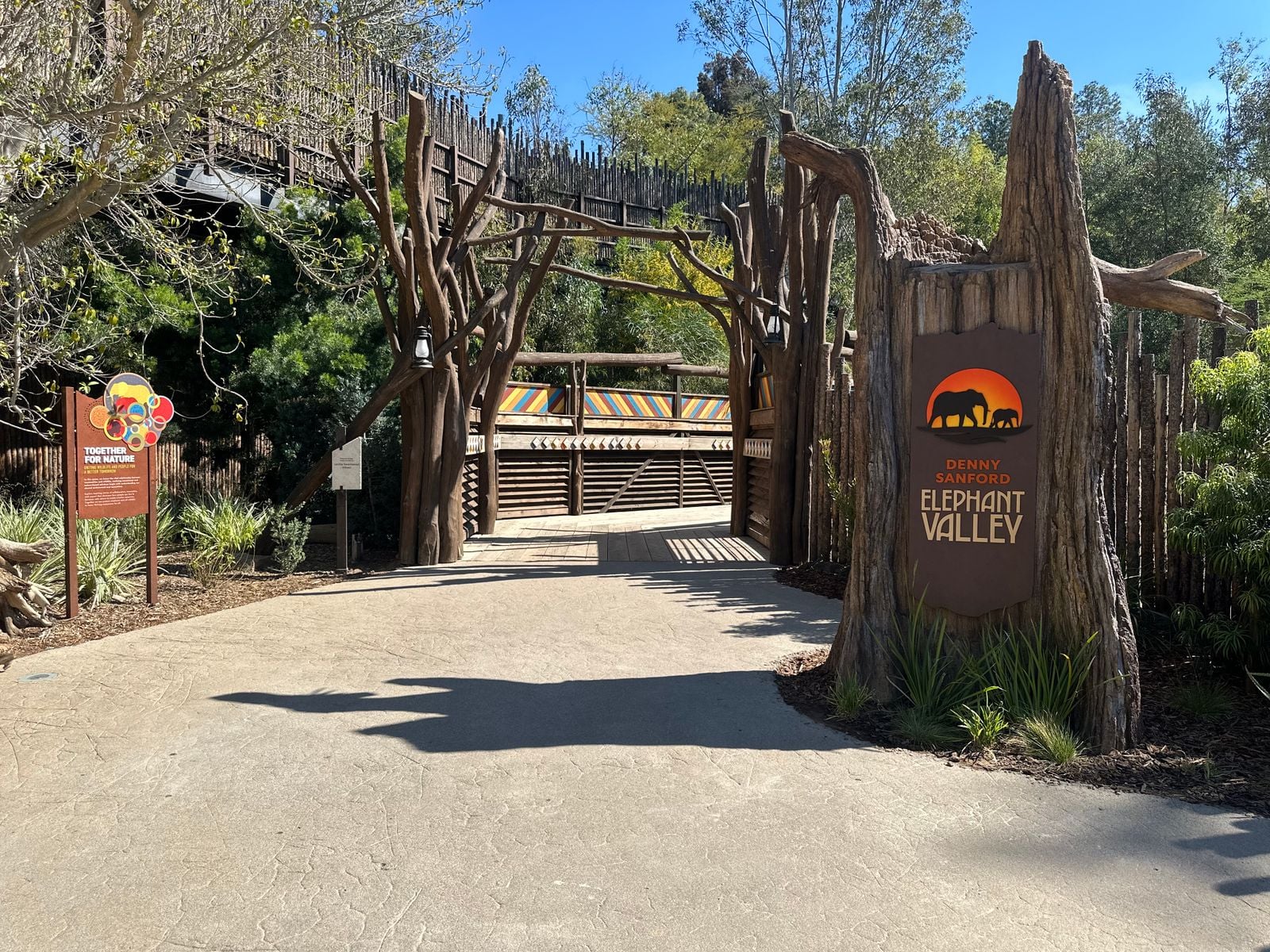
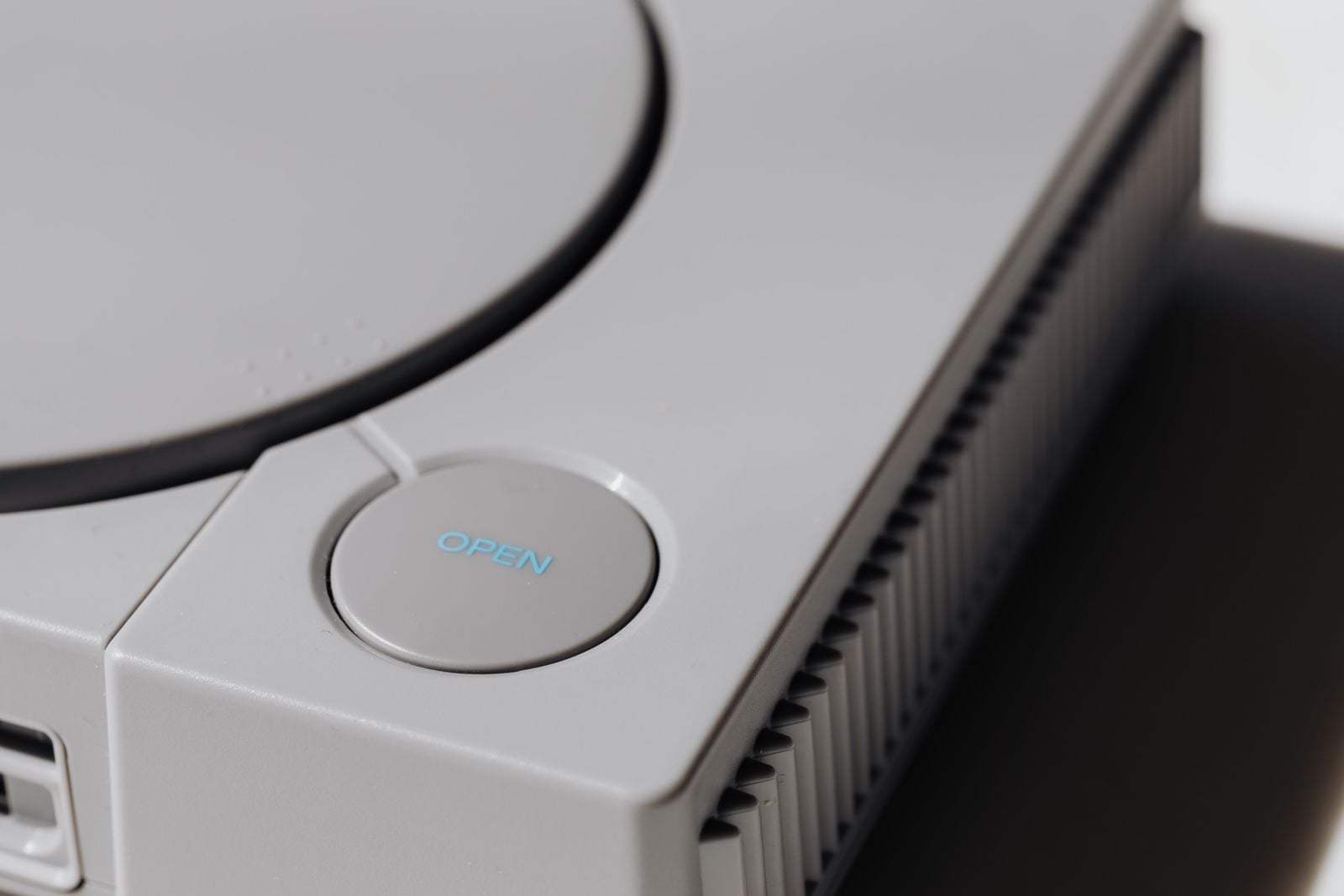
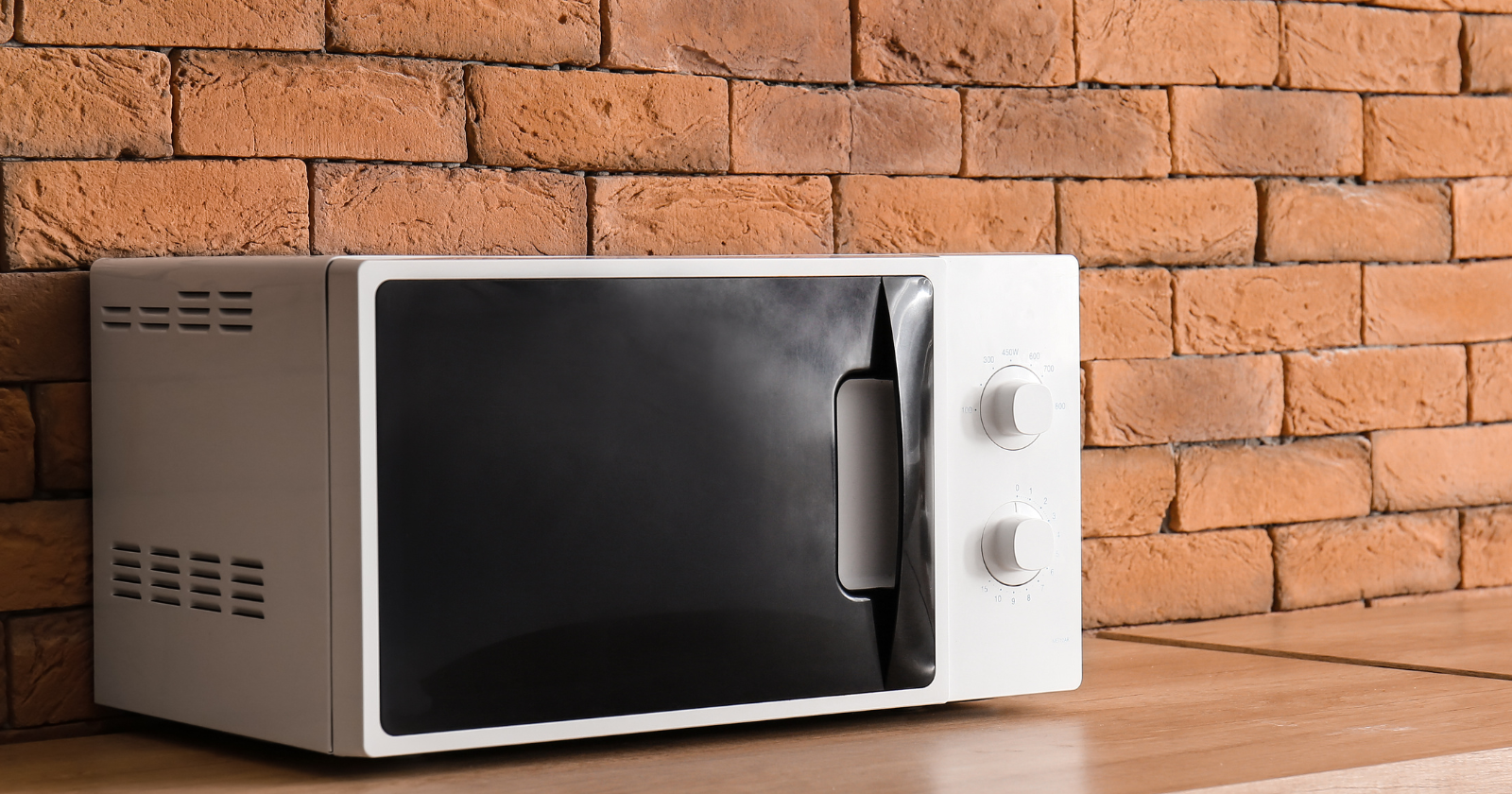
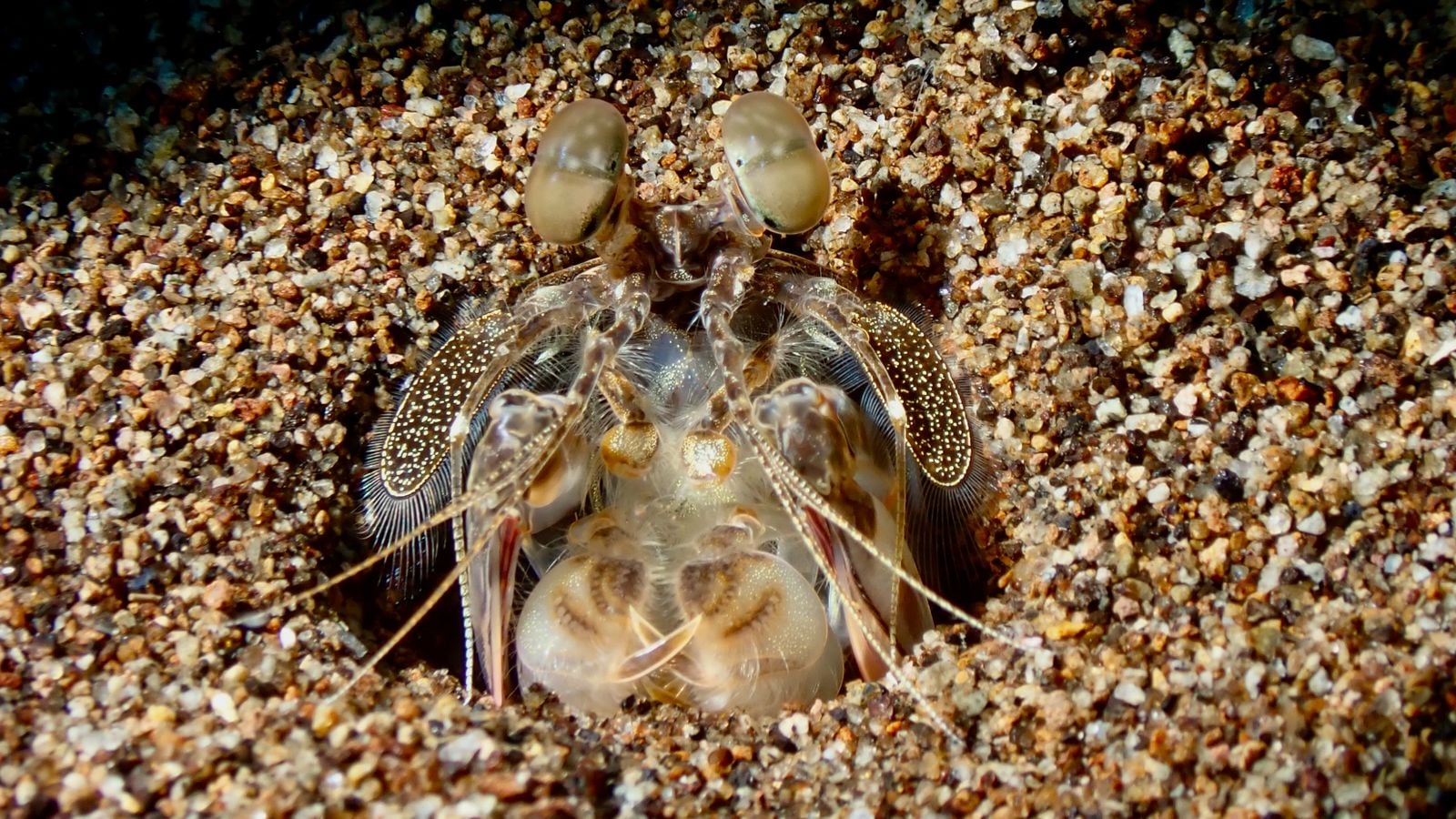
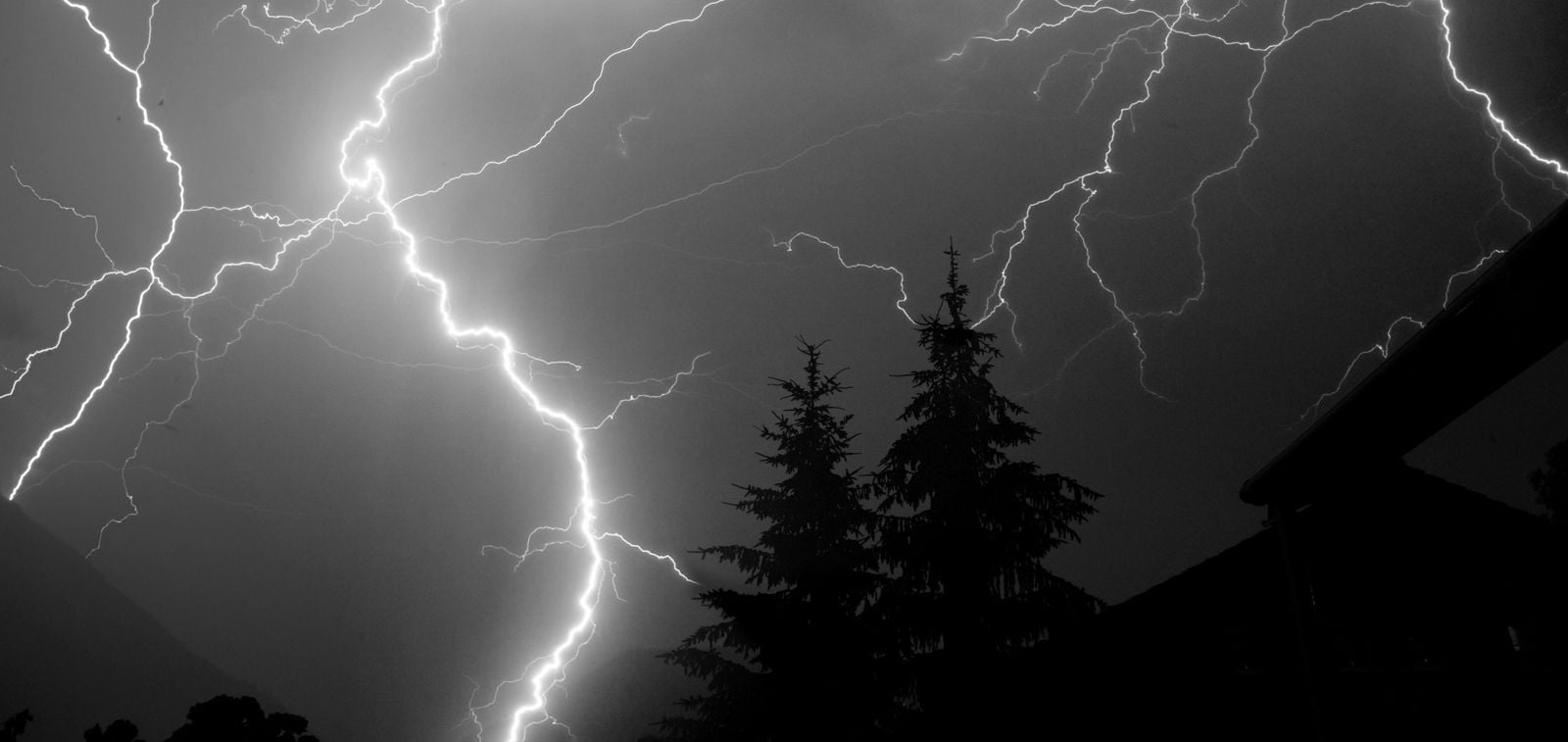
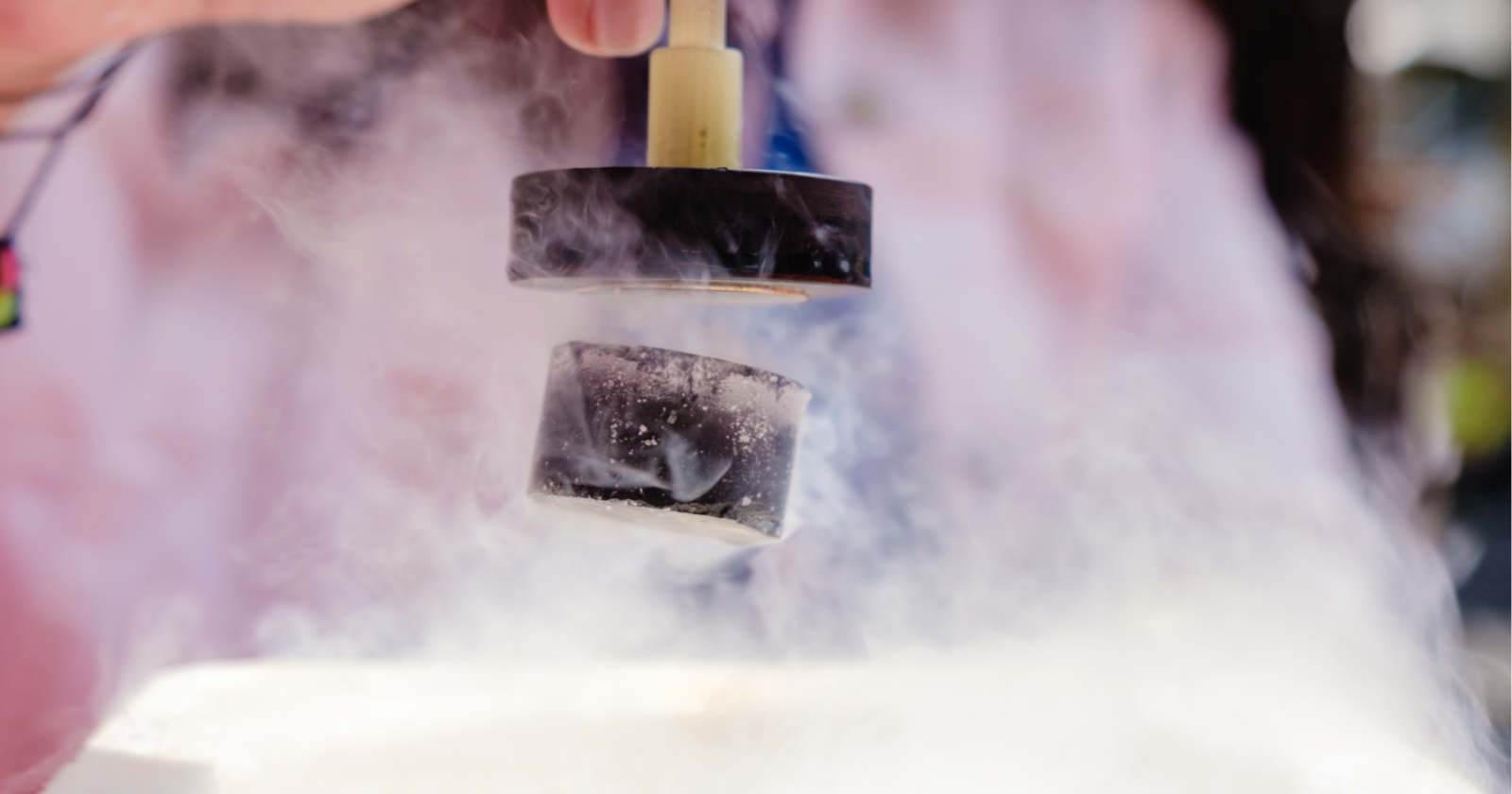
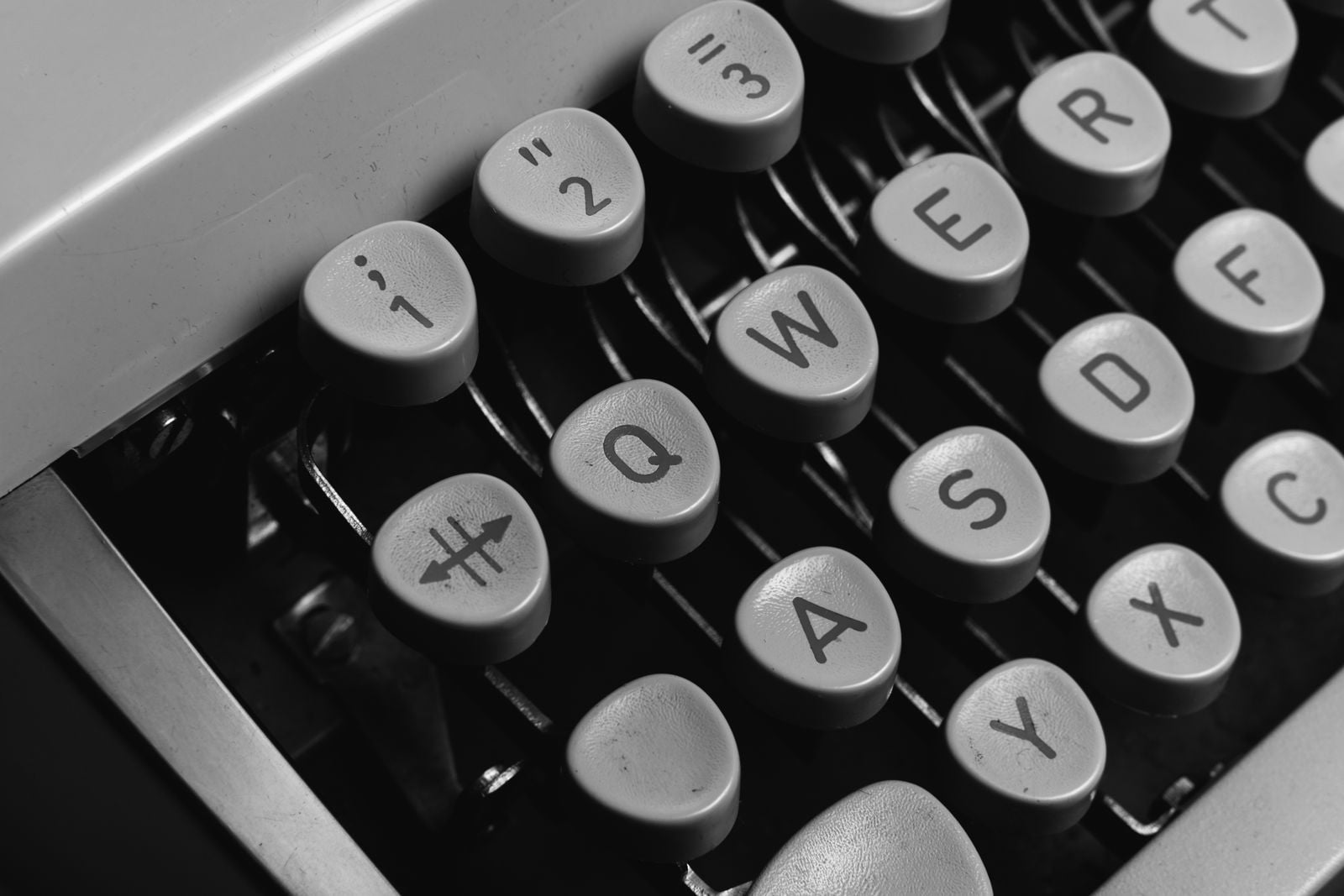
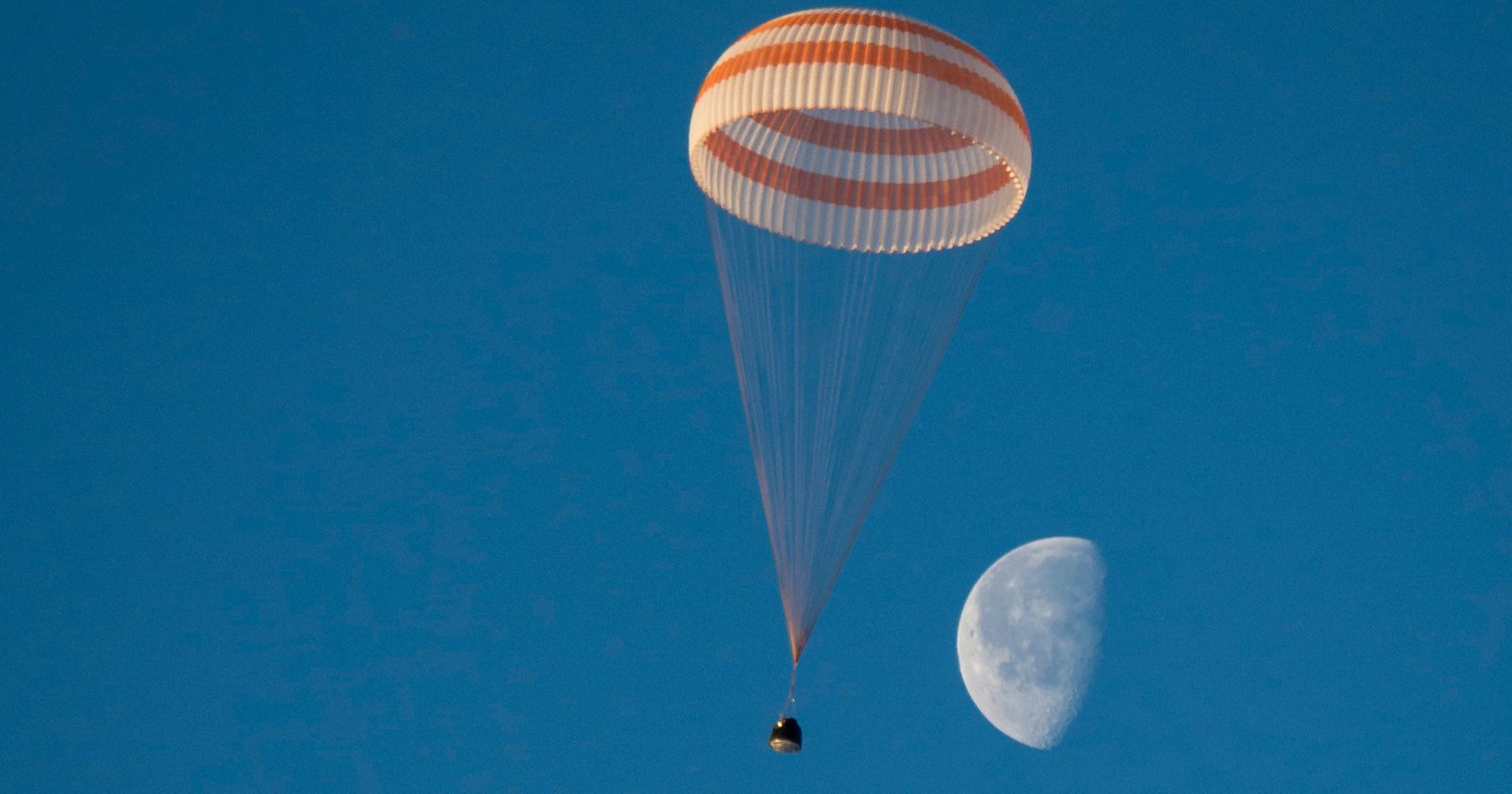
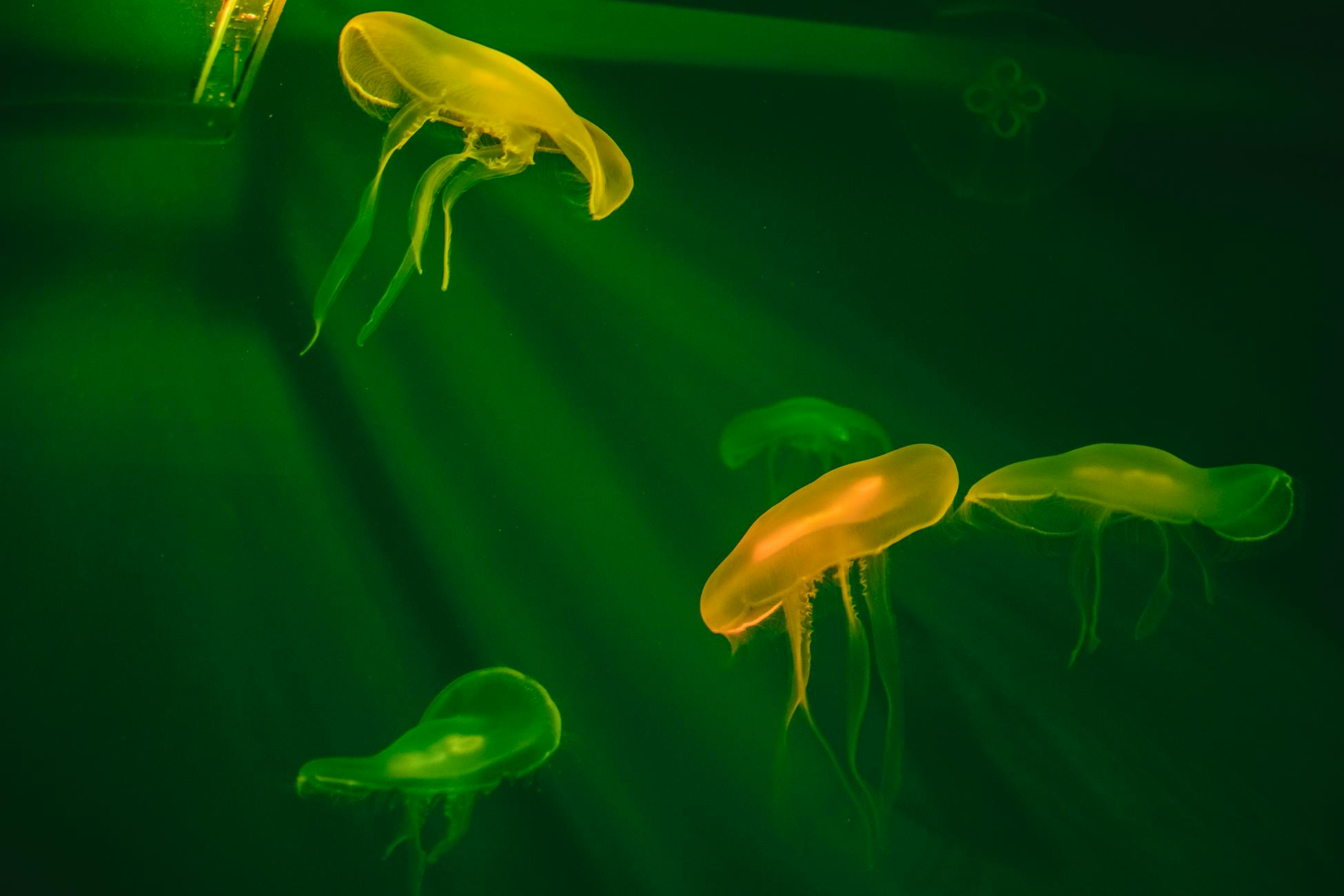
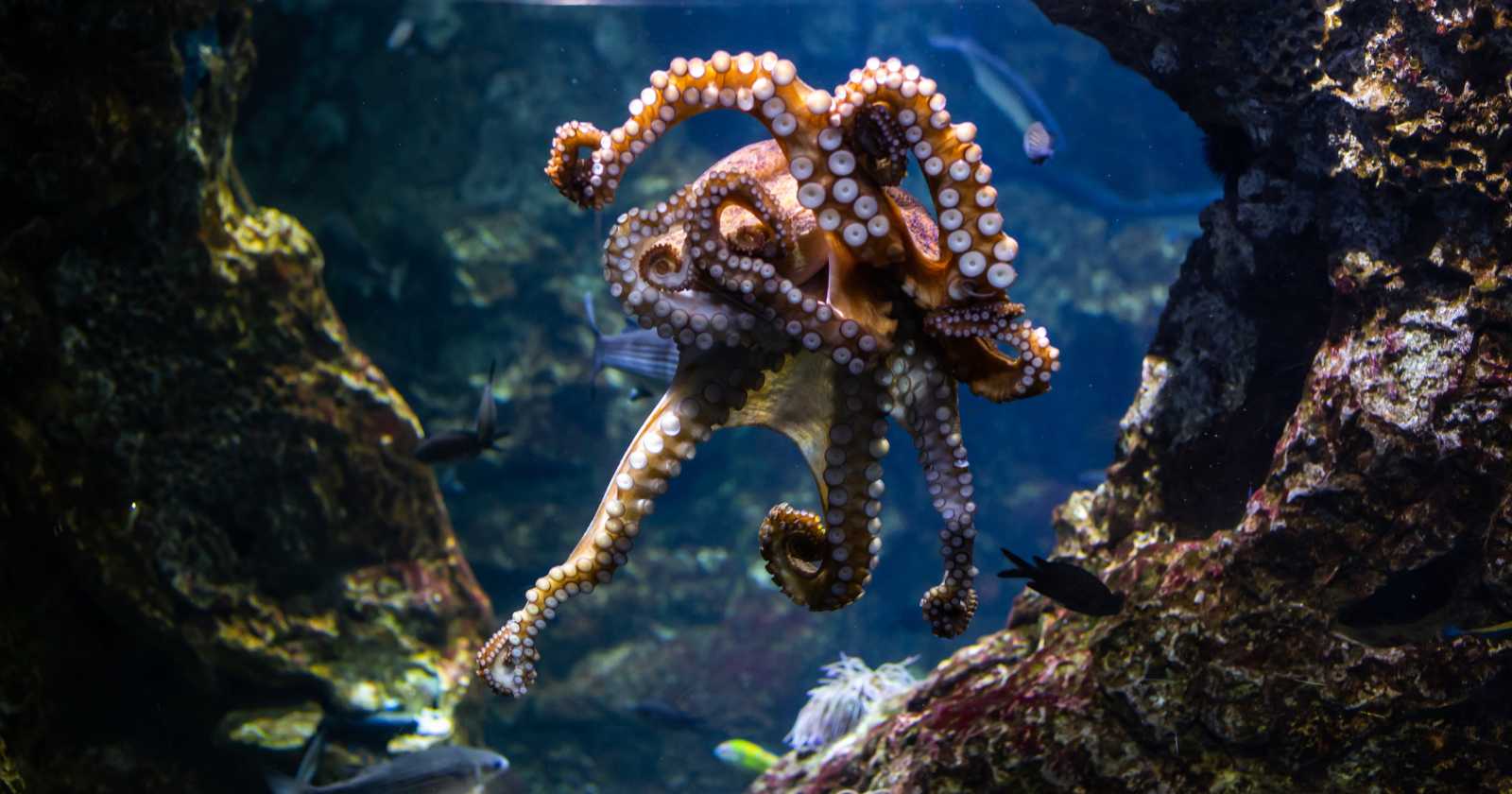
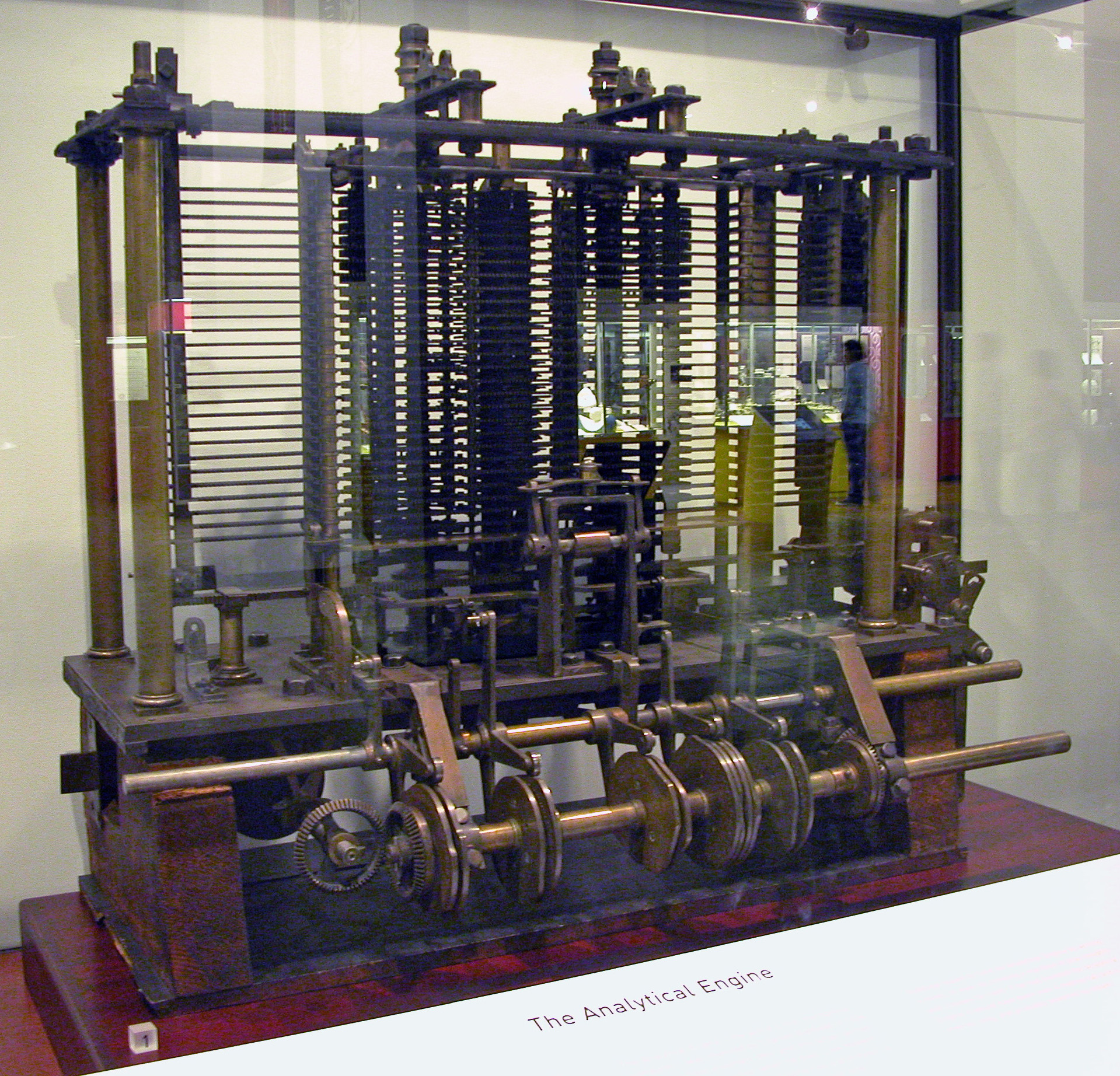
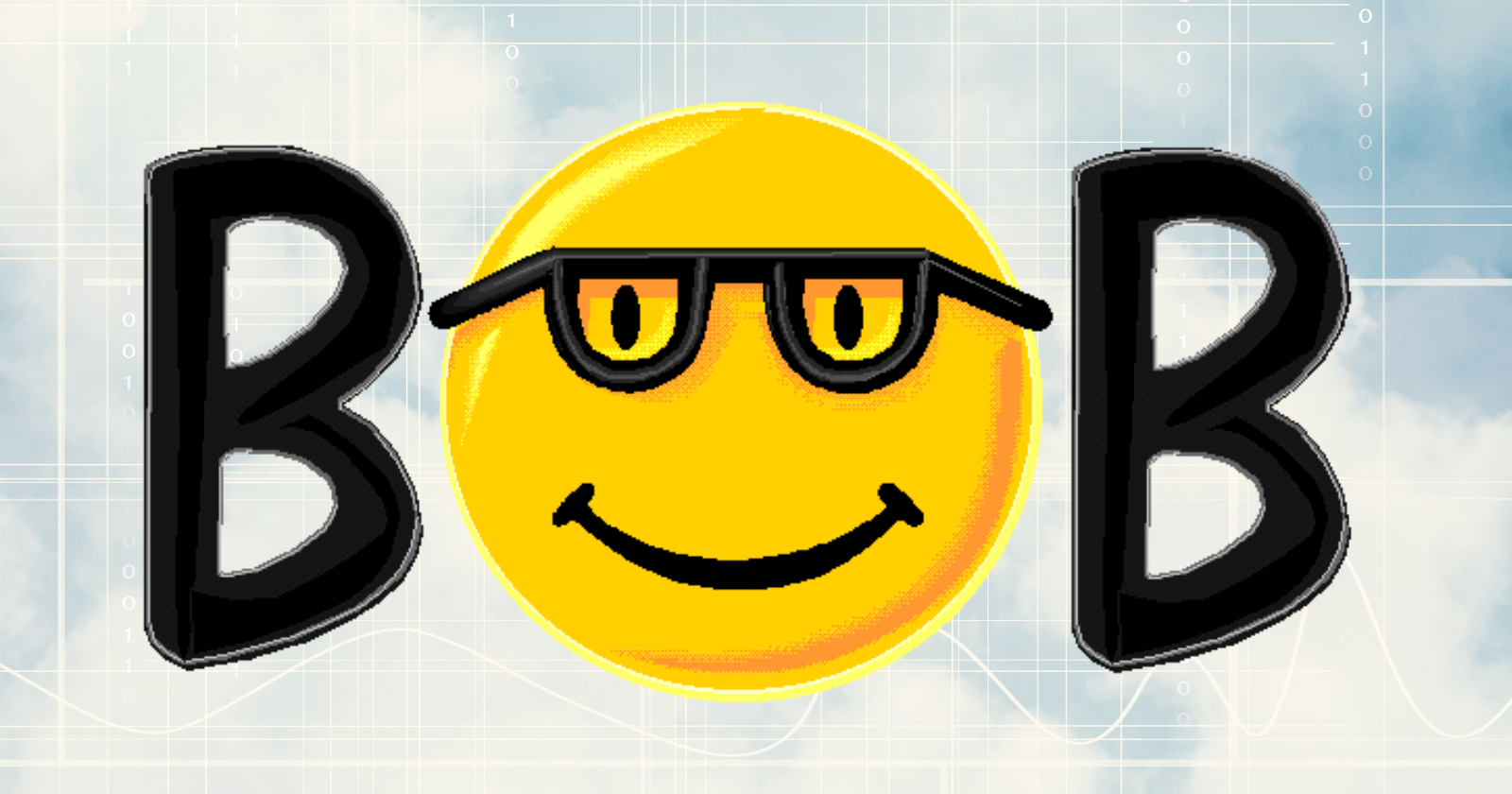
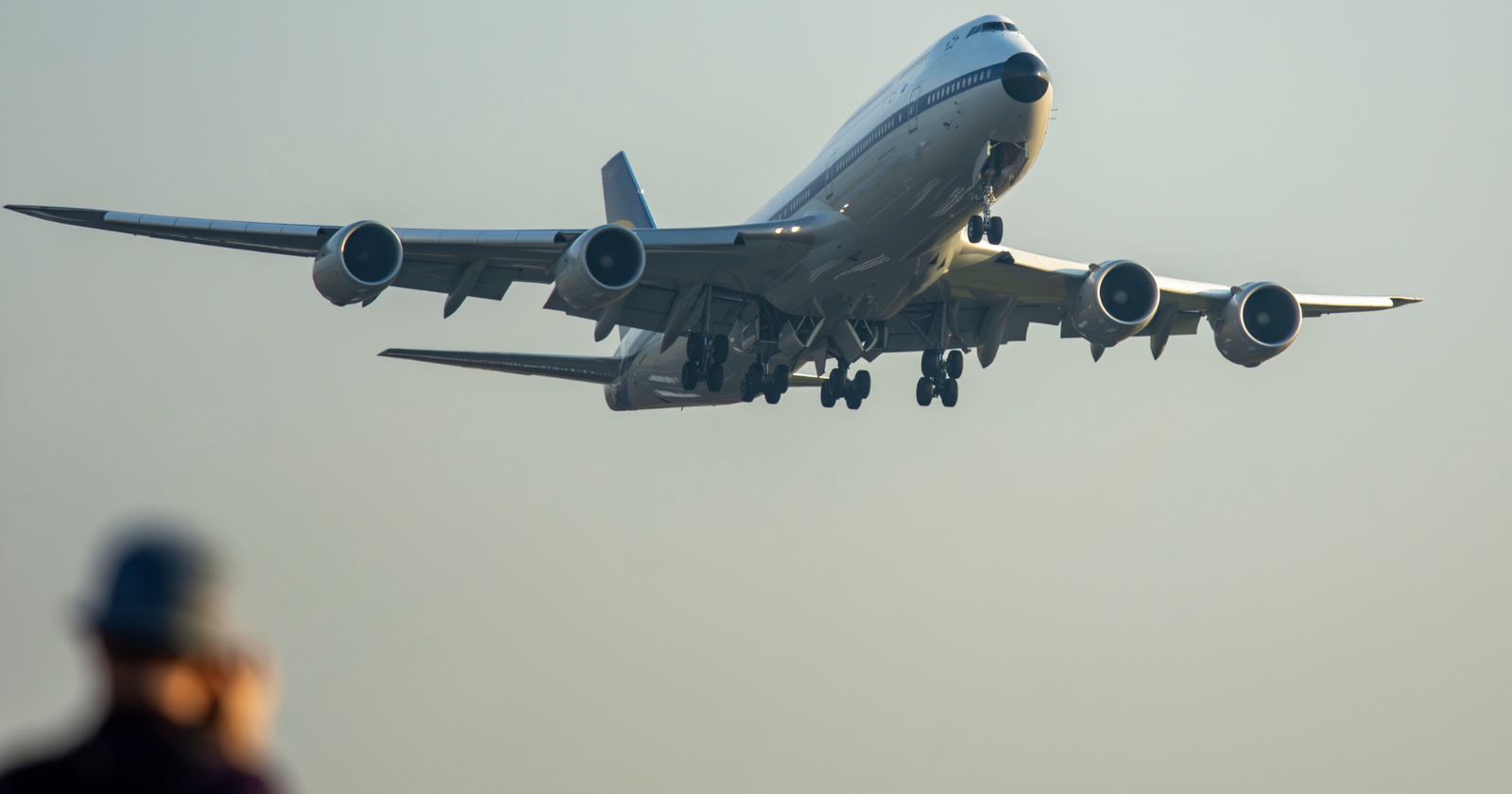
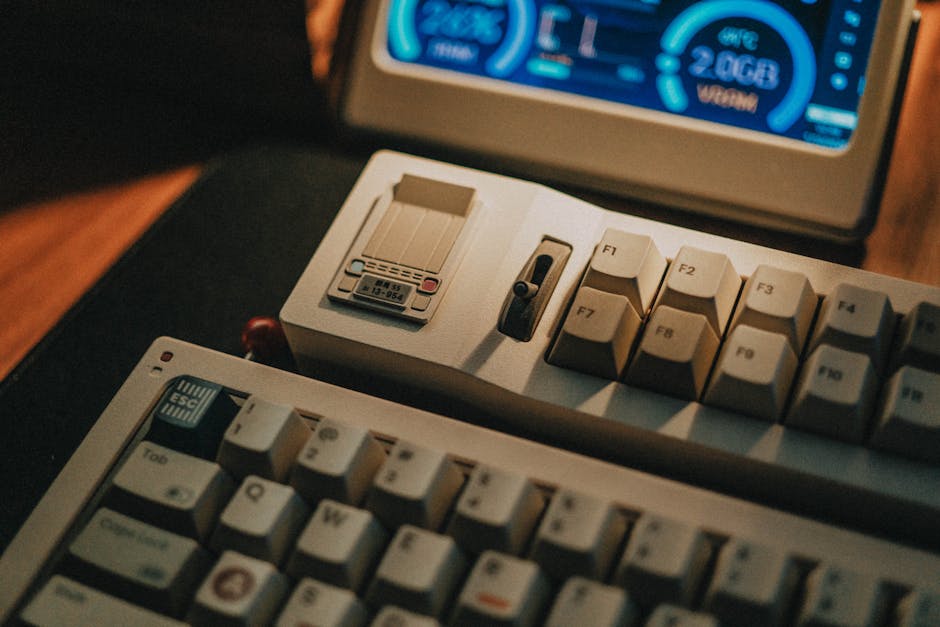
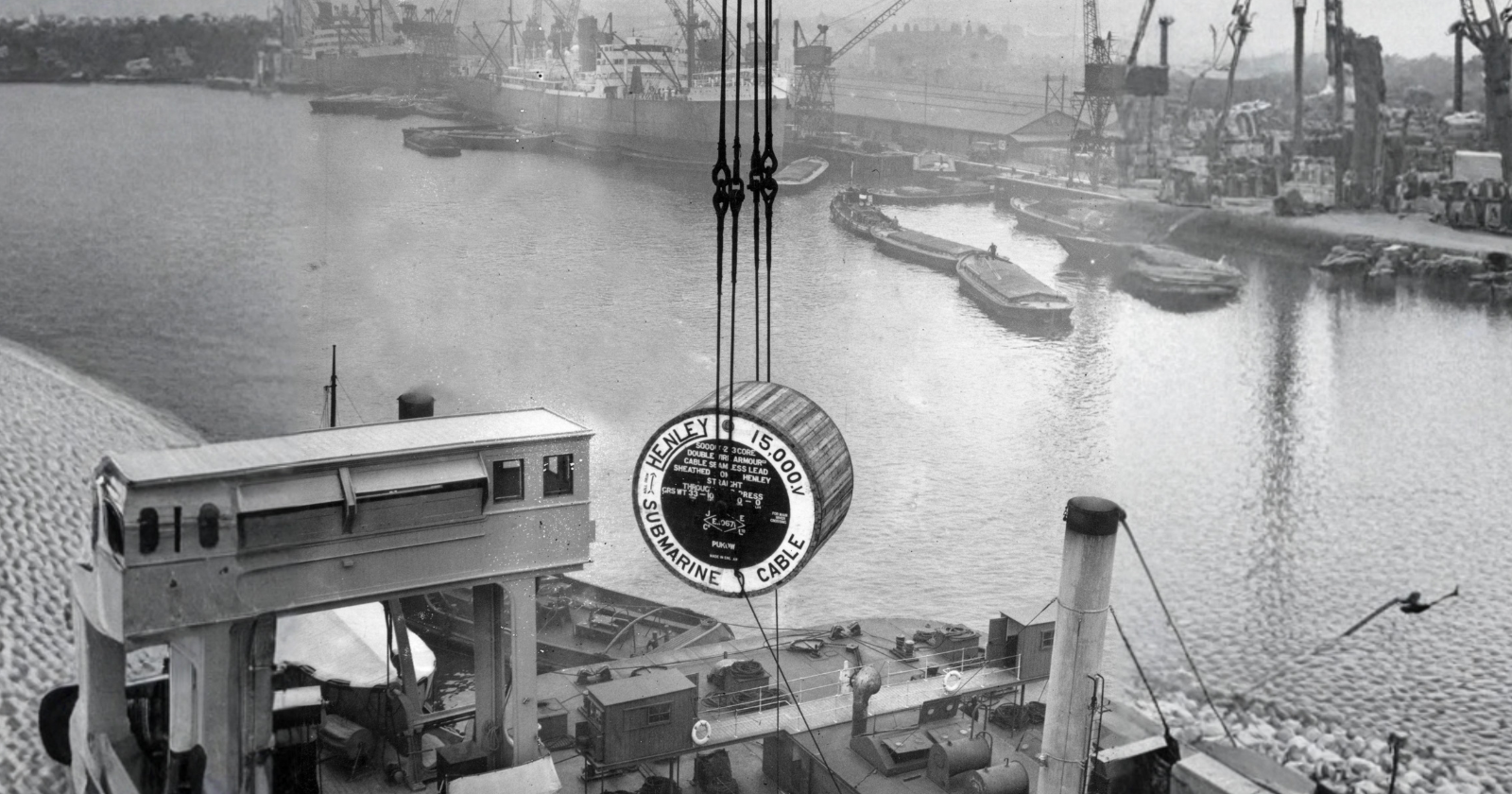
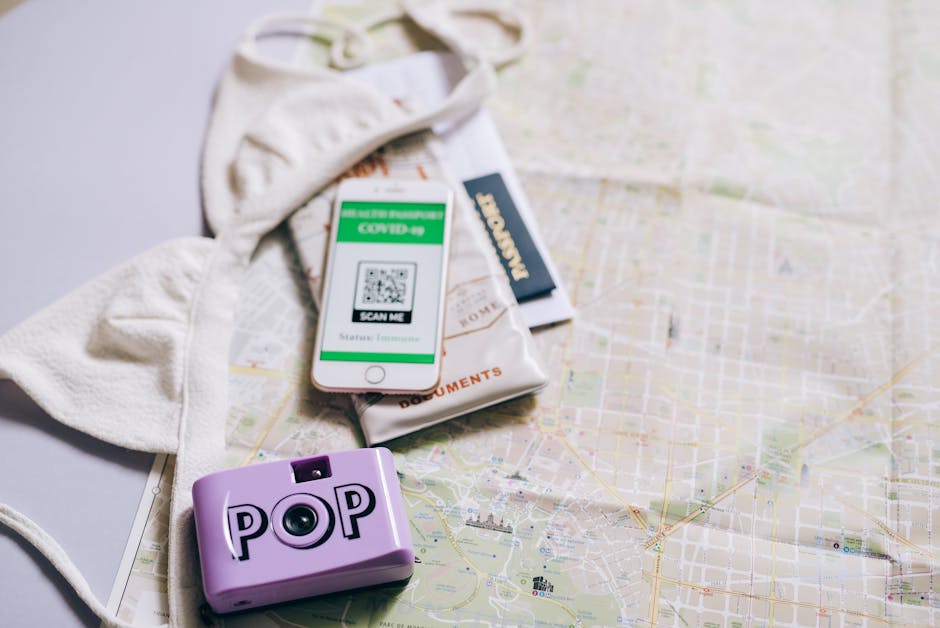
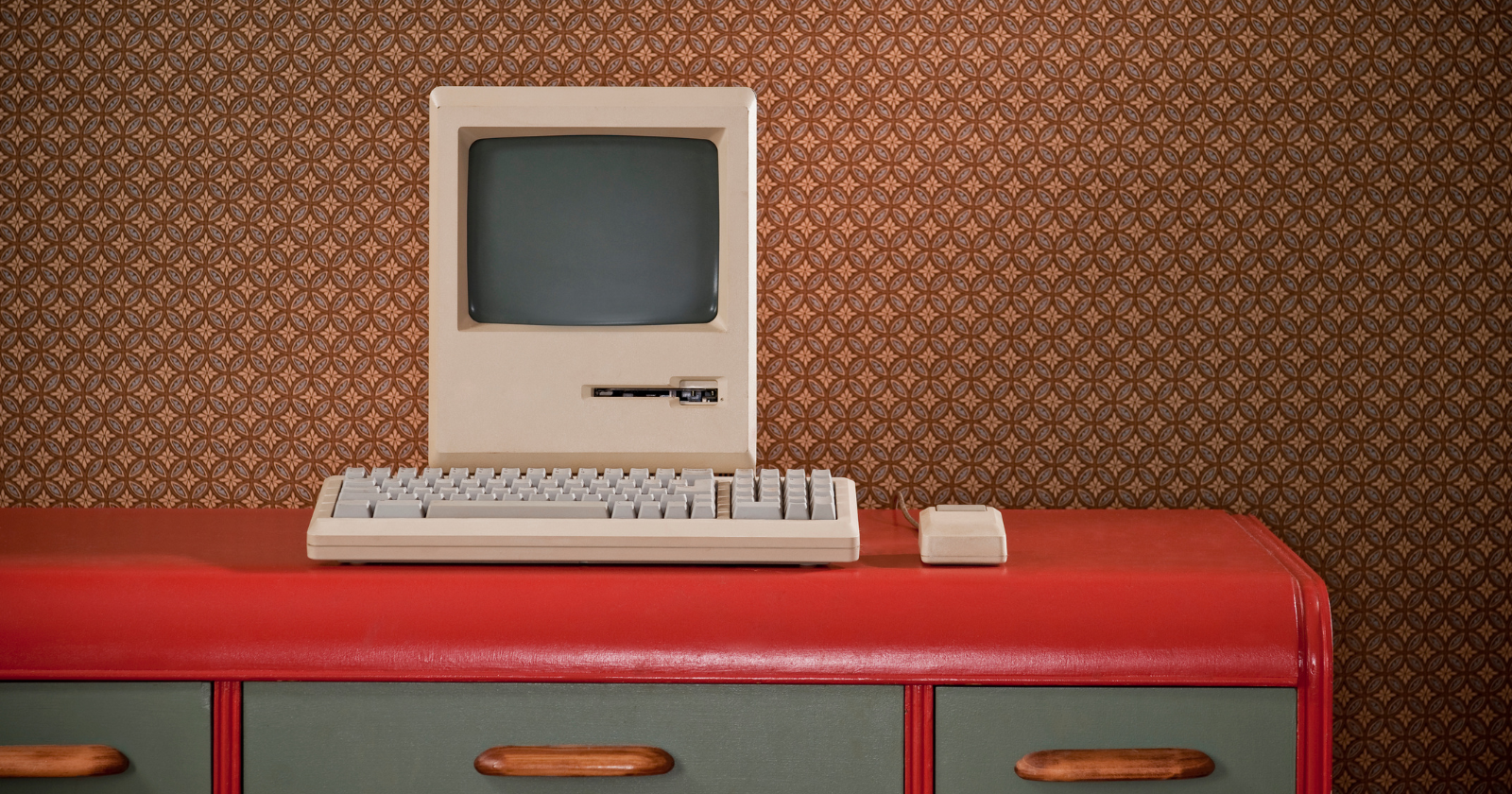
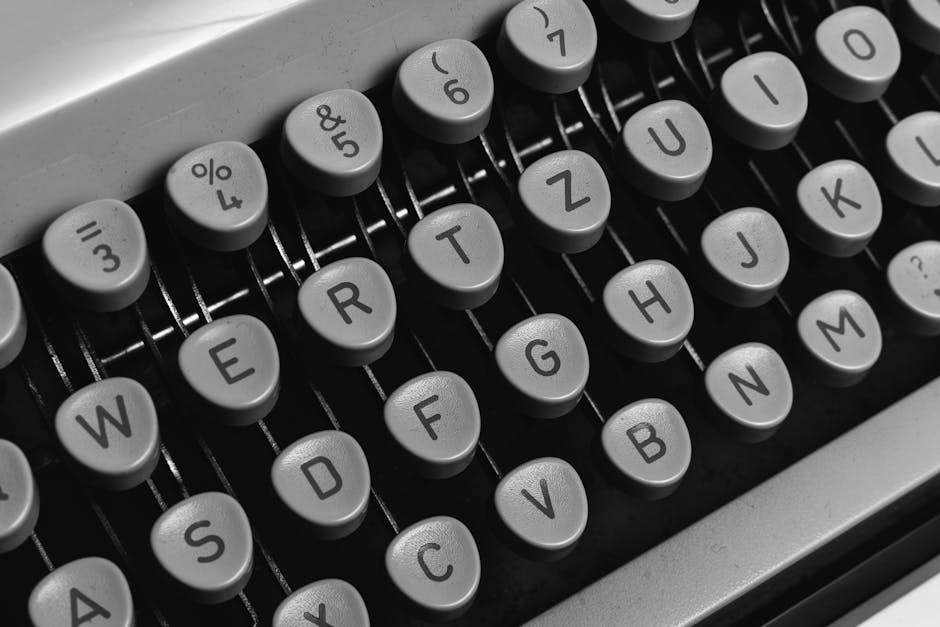
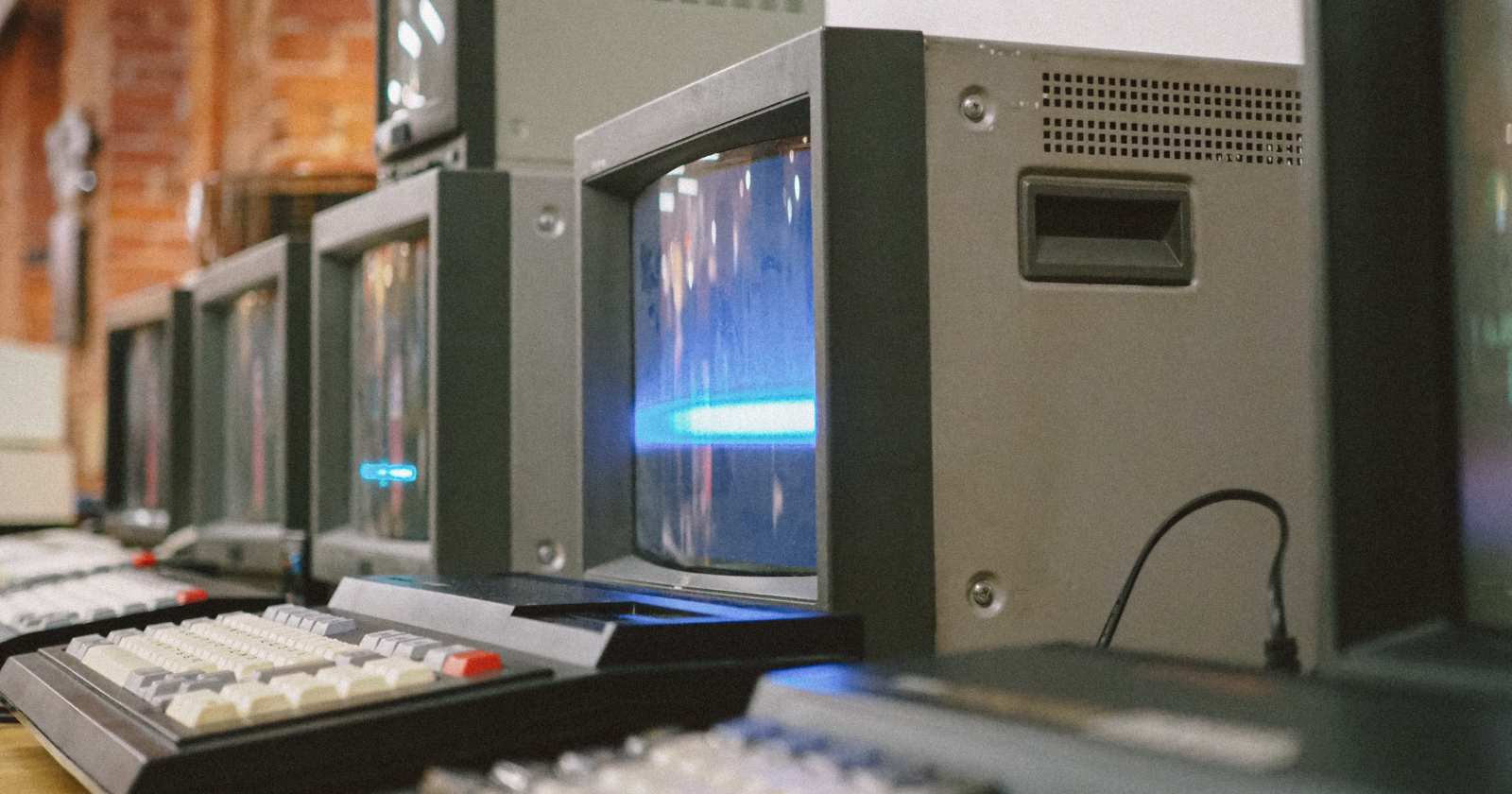
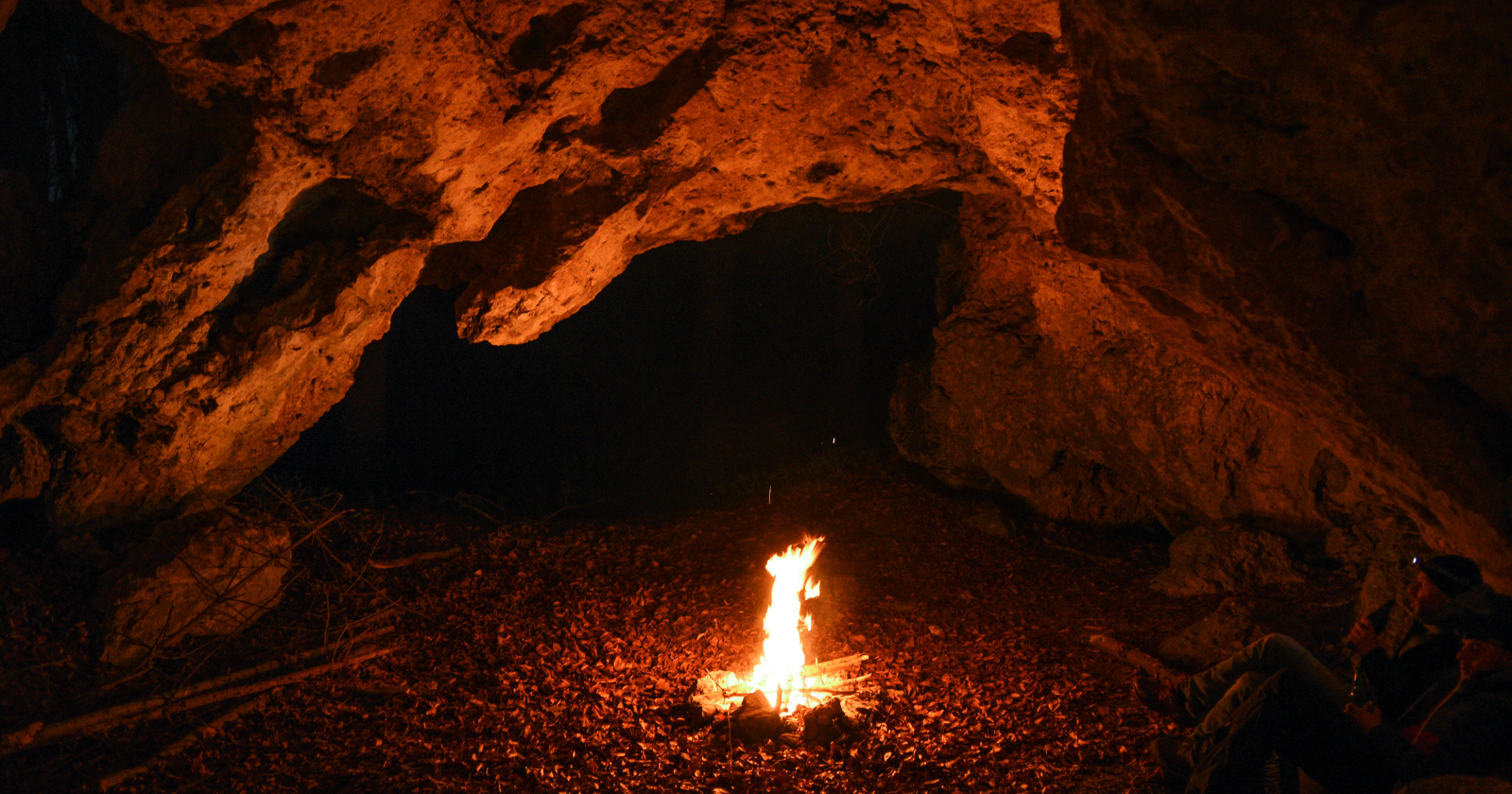
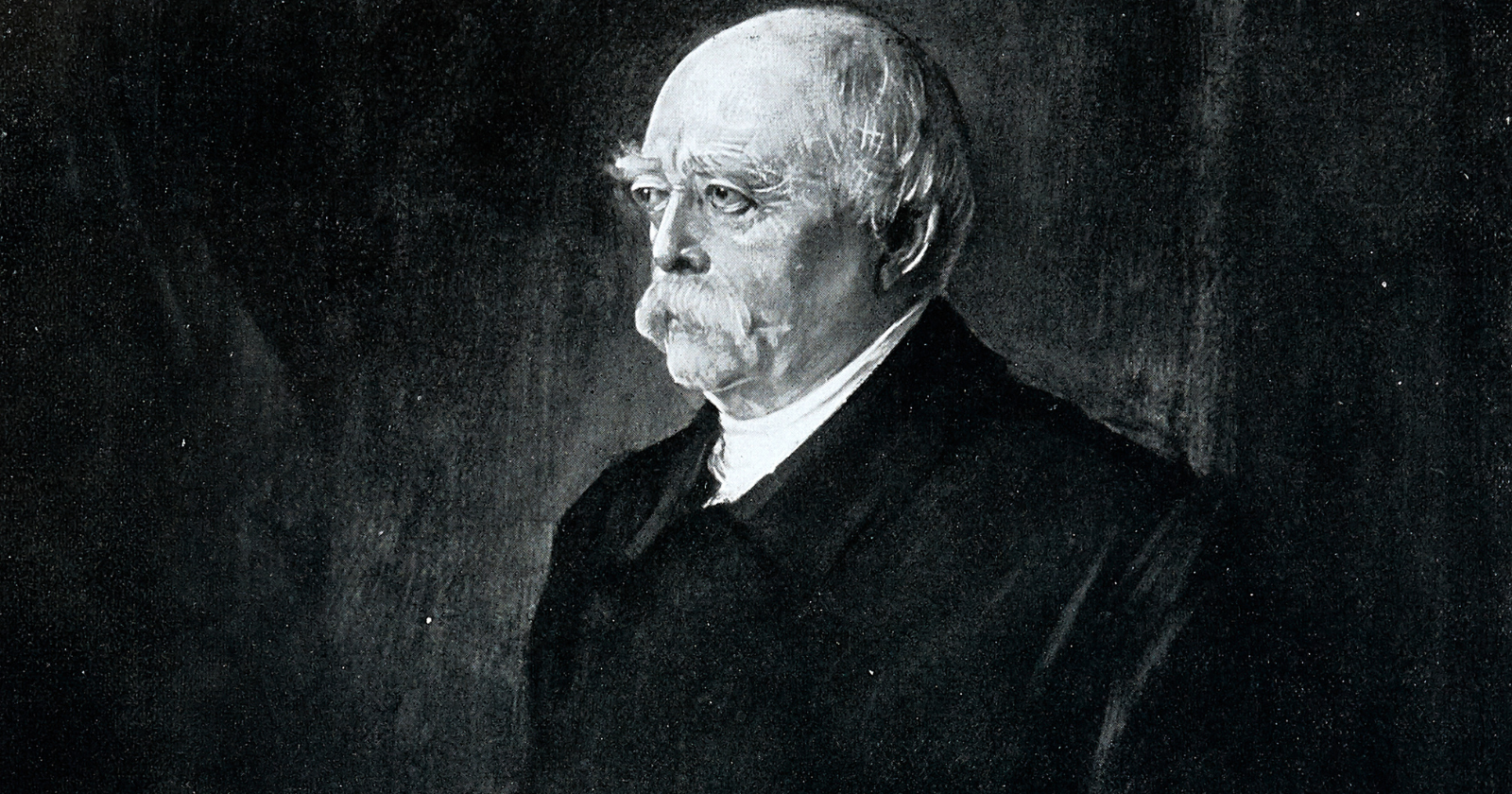
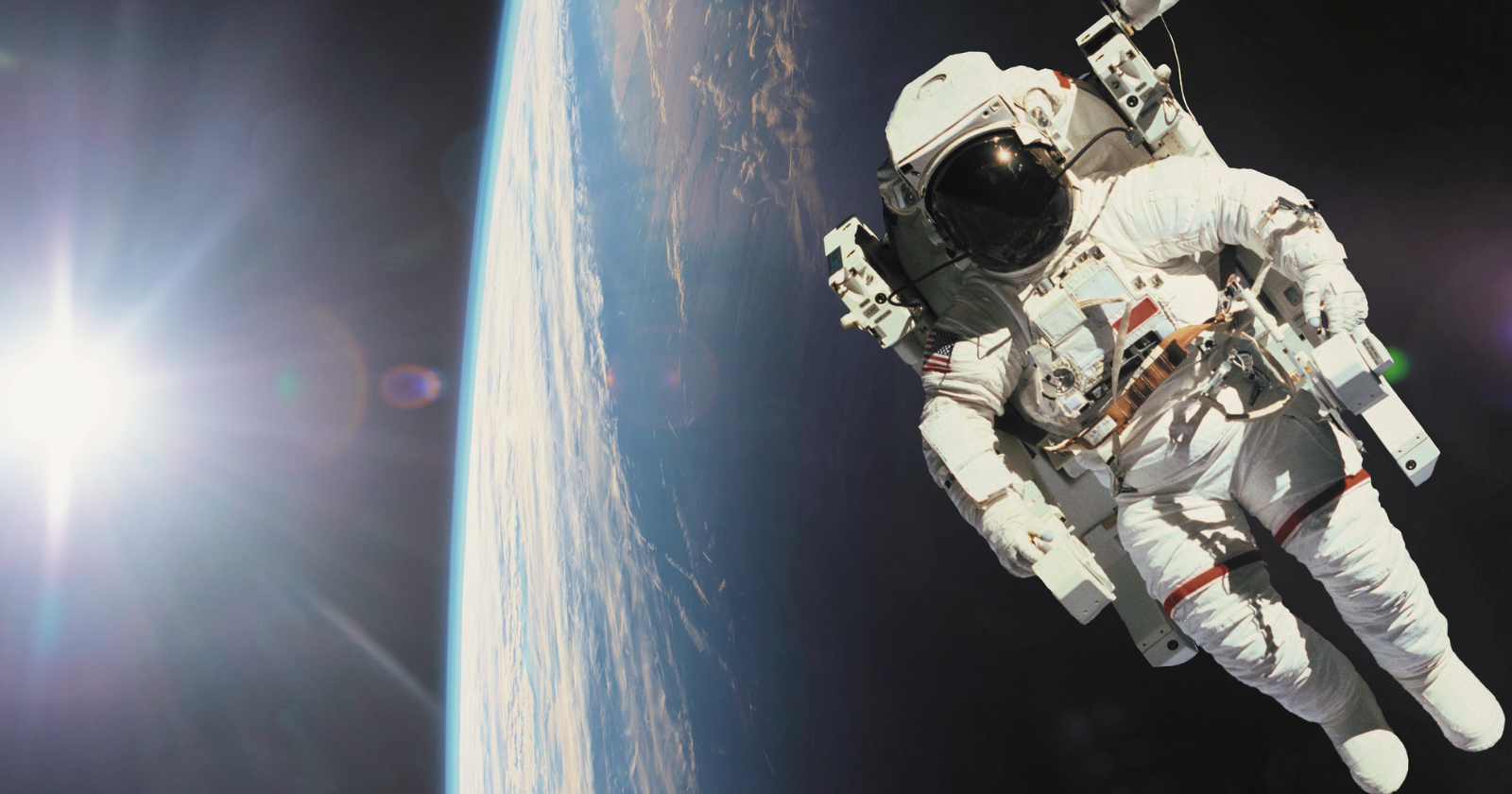
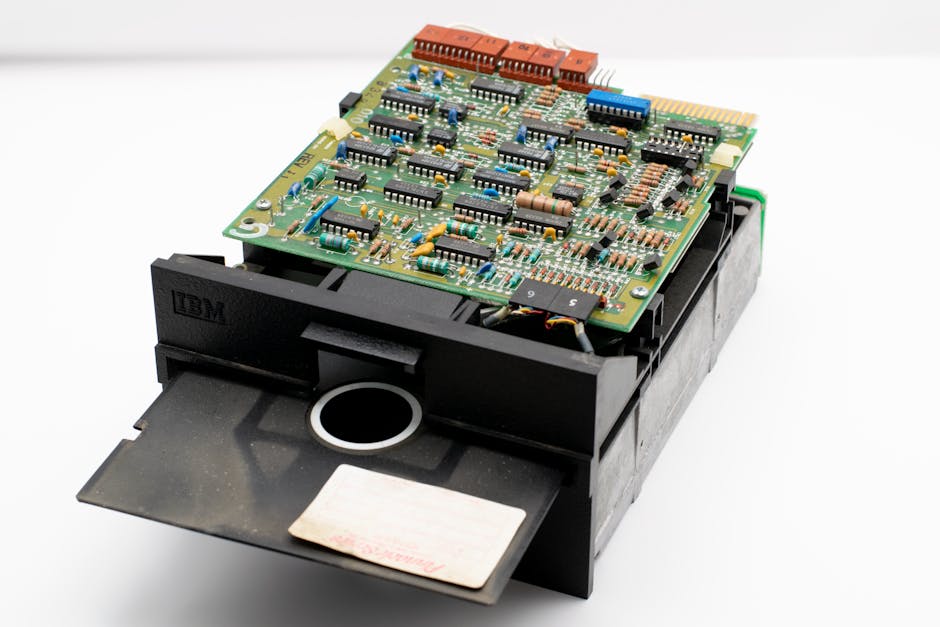
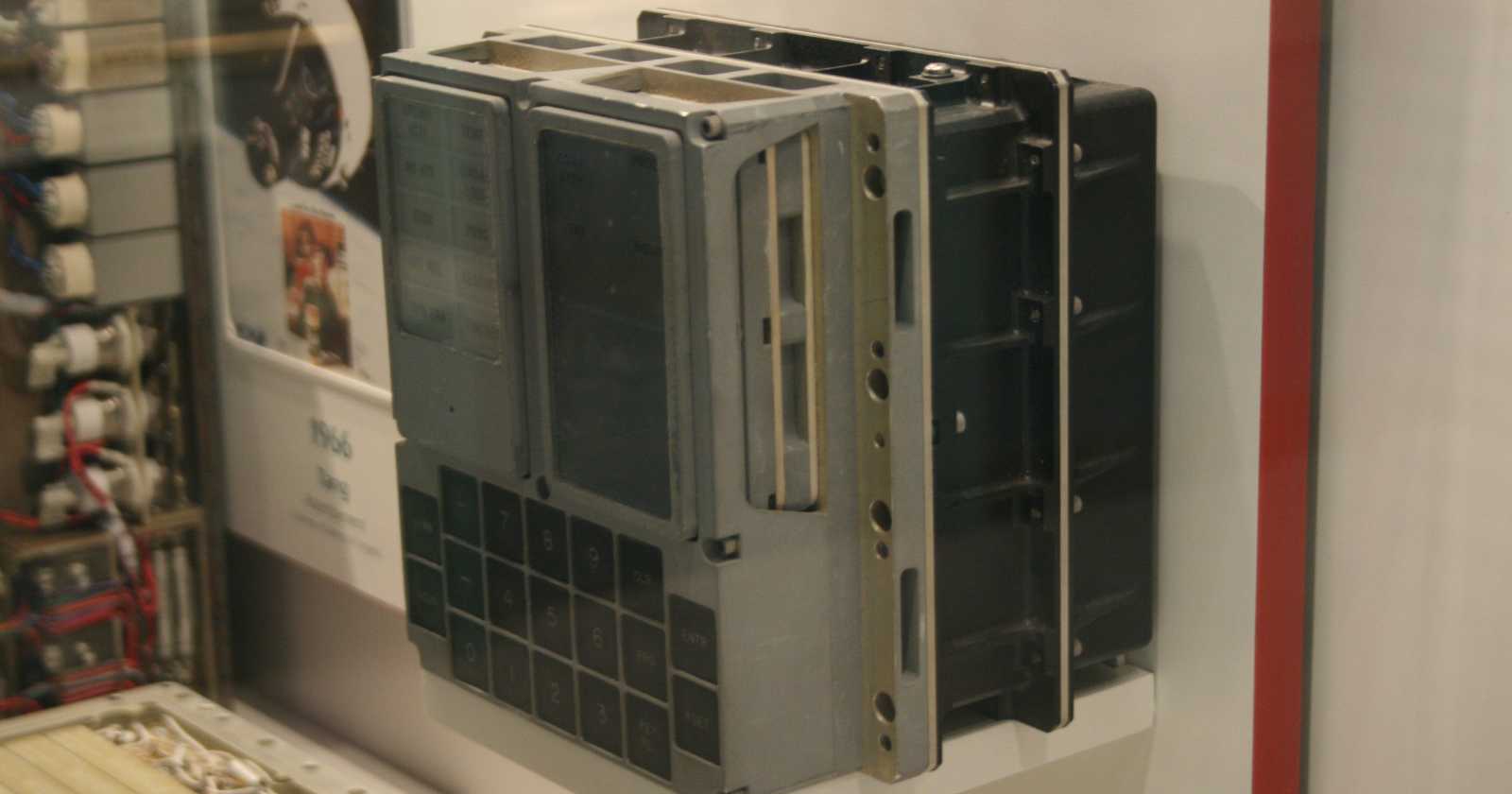
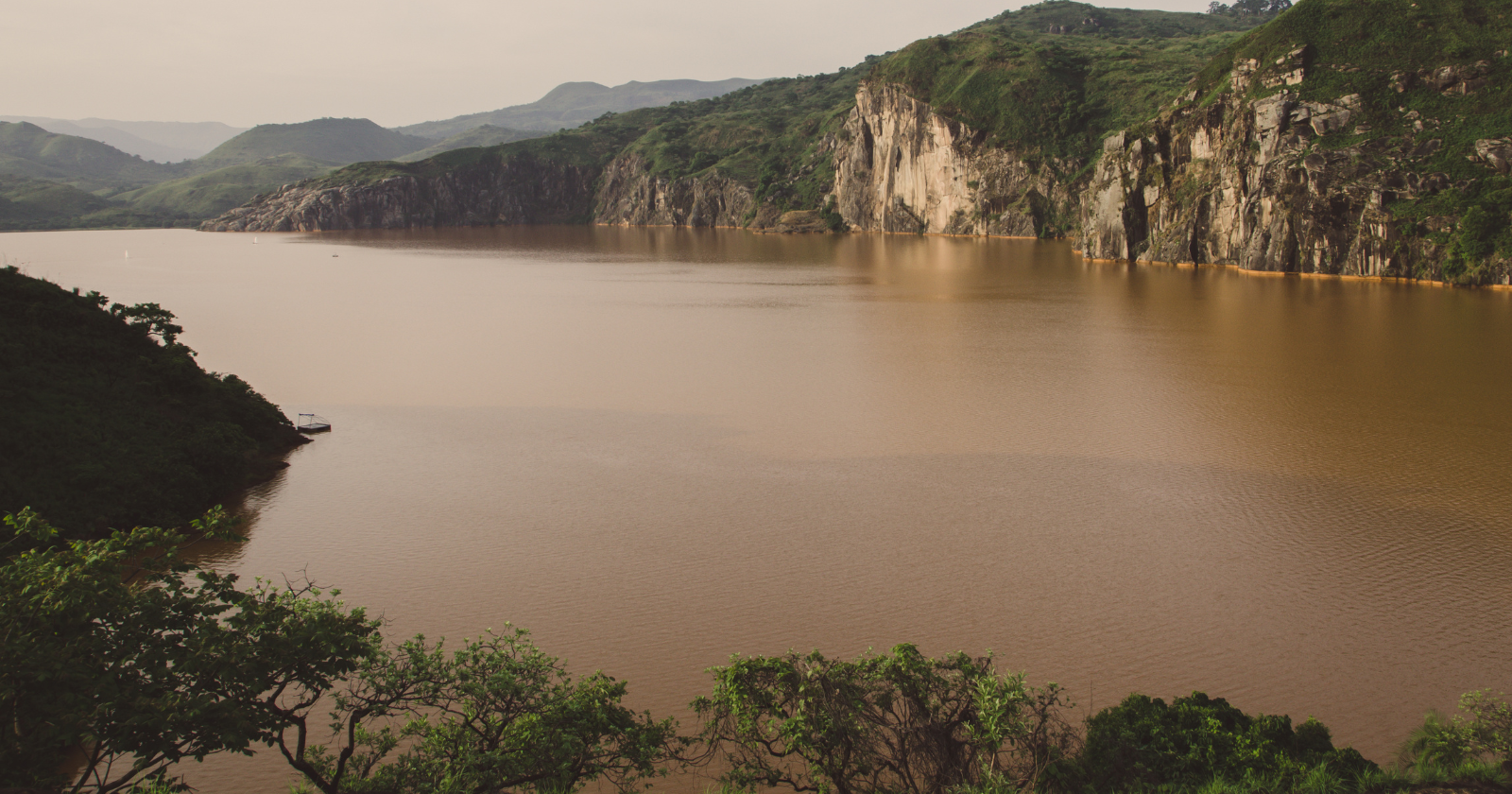
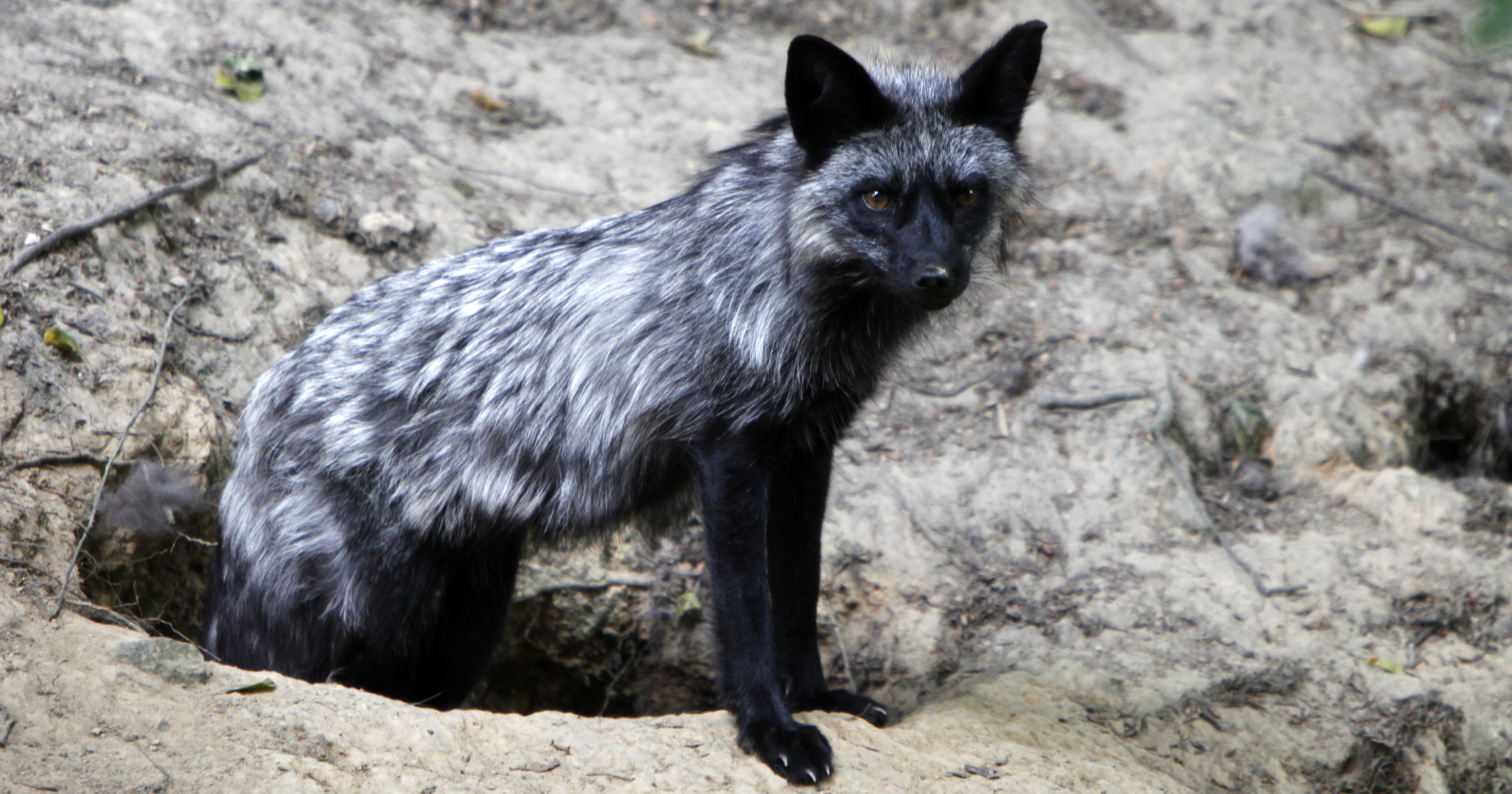
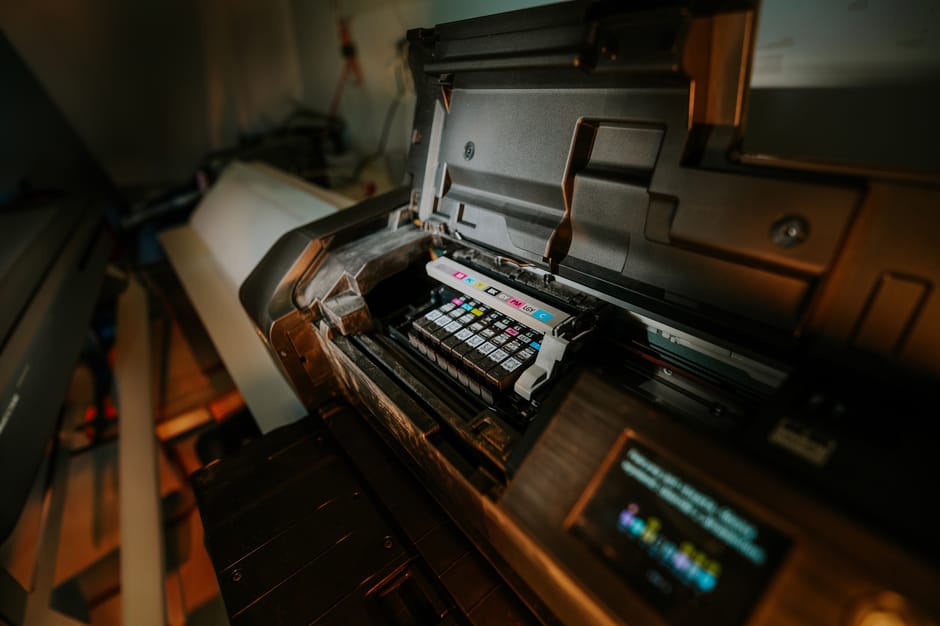
Top Posts Top Posts Scott Fahlman proposed :-) as a joke marker on a Carnegie Mellon bulletin board on 19 September 1982, and his post was lost for years until Jeff Baird pulled it off an October 1982 backup tape on 10 September 2002 Swiss engineer George de Mestral came home from a hunting trip in 1941 with burdock burrs stuck to his trousers and his dog’s fur, put them under a microscope, saw tiny hooks, and had Velcro patented by 1954. The patent for the modern stud and tube LEGO brick was filed at 1:58 pm on 28 January 1958 in Copenhagen. LEGO says bricks made 60 years apart still clip together, and six 2×4 bricks combine in more than 915 million ways. OPPO launched the Find X10 Pro Max in Mallorca on 21 October 2026 with 200MP on all three rear cameras, a setup it calls an industry first. A physicist gave 176 consoles from the Air Force’s PS3 supercomputer a second life inside a refrigerated shipping container Standing on Sixth Avenue in New York on 3 April 1973, Motorola’s Martin Cooper made the first public handheld cell phone call on a DynaTAC prototype, and he dialled his rival Dr Joel S. Engel at AT&T. Google Play Store version 53.7 replaces the percent progress on app downloads with an estimated time remaining or the download size still to go, on phones. A 1,680-ton boring machine that arrived from Germany in about 100 pieces has started chewing into the Palisades cliffs in North Bergen, New Jersey, digging the first train tunnel toward the Hudson in nearly 120 years at about 30 feet a day The world’s first traffic light stood 6 metres tall outside the Houses of Parliament from 9 December 1868, and after a gas leak exploded and seriously injured the constable working it, London had no traffic lights again until 1926. Valve opens Steam Next Fest on 19 October at 10:00 PDT, a week of free demos and developer livestreams that closes 26 October at the same hour. David Bradley wrote Ctrl+Alt+Del into the 1981 IBM PC as a soft reboot for developers, and at the machine’s twentieth anniversary in 2001 he said of Bill Gates, “I may have invented it, but I think Bill made it famous” WhatsApp will only support iPhones on iOS 15.5 and newer from 30 November 2026, and it warns affected users inside the app before support ends Turn on Theft Detection Lock under Settings > Google > All services > Theft protection and your Android locks itself when a thief runs off with it Otto Rohwedder’s bread slicer cut its first commercial loaf at the Chillicothe Baking Company in Missouri on 7 July 1928, and the machine that made Kleen Maid Sliced Bread fell apart after about six months of heavy use. A 100,000-ton aircraft carrier running four years behind schedule caught its first F-35C on a wire off Virginia on the Navy’s birthday, the jet Congress ordered it fitted for in the first place, while a second F-35C flew the test with inert bombs mounted under its wings Cambridge researchers built a camera system to check their coffee in 1991 — two years later, it became the world’s first webcam Arduino raises the VENTUNO Q from its $299 introductory price to $399 on 19 October, blaming a sharp rise in memory module costs. Clyde Dawson picked a pack of Wrigley’s Juicy Fruit for the first UPC barcode scan in 1974 because nobody was sure a barcode could be printed on something that small, and Sharon Buchanan scanned it at a Marsh Supermarket in Troy, Ohio. WhatsApp can hide your IP address in calls through Settings, Privacy, Advanced, Protect IP address in calls, at some cost to call quality. Apple’s first foldable iPhone, the iPhone Duo, starts at $1,999 with a 7.58-inch inner display and is available from 23 October. NASA’s Kepler telescope lost two of the four wheels it used to aim at stars — engineers gave it a second mission by balancing the spacecraft against the pressure of sunlight A 990-foot ocean liner that still holds the transatlantic speed record from her maiden voyage in 1952 will be sunk in the Gulf off Destin, Florida, in the second week of November, after 29 years tied to a pier in Philadelphia, to become the world’s largest artificial reef A 228-year-old wooden warship still in active Navy commission sailed out of Boston this summer for America’s 250th birthday, and she is regularly turned around in the harbor, because a ship that sits facing the same way at her pier weathers unevenly on one side In 2010, the US Air Force stacked more than 1,700 PlayStation 3 consoles on wire shelves and wired them into the Pentagon’s most powerful interactive supercomputer Amazon’s new Alexa Tablets drop Fire OS for Android with full Google Play Store access, starting at $229.99 for the Alexa Tablet 8. Anbernic’s RG DDS is a dual-screen clamshell handheld modelled on the Nintendo 3DS, with pre-orders at $284.99 and shipping gradually from 10 December 2026. WhatsApp shows your profile photo to every user by default, and Settings > Privacy > Profile photo is where you switch it to My contacts, My contacts except…, or Nobody. Sound stickers, a toggle to remove the sticker outline and a two-line compose box are in WhatsApp’s beta code, per an Android Authority teardown. On 3 December 1992 a 22-year-old Sema Group engineer typed “Merry Christmas” on a PC and sent it over Vodafone UK’s network to an Orbitel 901 handset that weighed 2.1kg. An 18-year-old in West Cork, Ireland mixed vegetable oil with magnetite powder to make a magnetic liquid that grabs microplastics out of water, and in about 1,000 tests a magnet pulled out roughly 87% of the plastic, winning him Google’s top science fair prize A steam locomotive built in Leeds in 1855 and shipped to India to haul mail trains was still pulling passenger trips out of Delhi more than 150 years later, earning a world record as the oldest steam engine in regular service A 2019 claim that Britain could cut 16,433 tonnes of carbon a year if everyone sent one fewer “thank you” email went around the world, but the real saving barely registers, because your laptop, the network and the servers keep running whether you hit send or not Galileo’s main antenna jammed on its way to Jupiter, leaving a small antenna that could manage about 10 bits per second instead of 134,400, so NASA rewrote its software and rebuilt how Earth listened NVIDIA RTX Spark laptops go on sale from $2,399, pairing a Blackwell RTX GPU and a Grace CPU on one superchip. How to invite someone without a WhatsApp account to a WhatsApp call by creating a call link in the Calls tab. A 14-year-old in Pennsylvania mounted a webcam outside her family’s Jeep and projected the feed onto the pillar beside the windshield, covered in a fabric that shows the picture only to the driver, and won $25,000 for making the blind spot vanish while passengers saw plain black cloth A bell in an Oxford University physics lab has been ringing almost nonstop since 1840 on the same pair of dry-pile batteries — about 10 billion rings so far, and nobody is quite sure what is inside the batteries Only about 60 ships in the world can fix a broken undersea cable — and two-thirds of the repair fleet will hit retirement age by 2040 without a $3 billion fix Microsoft warns fake passkey setup requests are being used to compromise work accounts Windows 11 24H2 Home and Pro editions reach end of updates on October 13, 2026 — here’s what you must do A 12-year-old in Silicon Valley asked his parents how blind people read, was told to go Google it, and built a braille printer from a $349 LEGO robotics kit at the kitchen table — the machines schools were buying cost $2,000, and Intel ended up putting venture money into a seventh-grader’s company The computer driving NASA’s Perseverance rover across Mars is a $200,000 version of the chip from the 1998 iMac, running at 200 megahertz with a couple hundred megabytes of memory — because a processor that shrugs off a million rads of radiation matters more than speed Every morning in the city next door to Silicon Valley, staff load three 5.25-inch floppy disks to boot the computers that run San Francisco’s subway trains — a 1998 system that moves data slower than dial-up, and replacing it is costing the city $212 million Microsoft sealed hundreds of servers in a nitrogen-filled cylinder and sank it 117 feet to the seabed off Scotland’s Orkney Islands in 2018, and when divers hauled it up two years later, crusted in barnacles, the machines had failed at one-eighth the rate of identical servers on land When you type bbc.com, the browser may trigger several invisible network exchanges: it asks a DNS resolver for the site’s address, opens a TCP connection with three packets, negotiates encryption keys, and only then requests the page, with each uncached round trip adding delay Christopher Latham Sholes, the printer and Wisconsin state senator who designed the QWERTY keyboard, was appointed Milwaukee’s postmaster by Abraham Lincoln during the Civil War — he tinkered with a page-numbering machine on the job before turning to typewriters Why did the QWERTY keyboard, arranged in the 1870s to stop mechanical typebars from jamming, outlast every layout designed to beat it over the next 150 years? Pixel 3 Night Sight can capture a photo in near-darkness because it doesn’t take one picture — it can take up to 15 short exposures, align them with sub-pixel precision and average down the noise while the phone keeps collecting light after you press the shutter Screens use red, green and blue because human retinas carry only three types of colour-sensing cones, tuned near those wavelengths — a display isn’t reproducing colour, it’s tricking three specific proteins in your eye into firing in the right ratio Voyager 1 is over 15.8 billion miles from Earth and its generators lose about four watts of power every year When you delete a file from a traditional hard drive, the operating system usually removes the pointer to it — the bytes themselves can sit undisturbed until something else writes over that patch of disk, which is why recovery tools can rebuild photos months later The Gulf Offshore Research Institute has been awarded $20 million to turn idle Gulf oil platforms into hubs for energy, minerals and aquaculture How did a metal box first secured to a converted tanker in April 1956 cut ocean freight loading costs by more than 90 per cent? In December 2014, Google introduced a reCAPTCHA checkbox that let many users skip distorted letters while the system weighed browser characteristics and a Google tracking cookie before deciding whether to show another challenge Microsoft didn’t just stop shipping Flash with Windows 10 — in February 2021 it began silently force-installing update KB4577586, which scrubs the player from the operating system itself, with the rollout finishing across most Windows machines by July 2021 A phone knows which way is up because a silicon chip smaller than a grain of rice contains tiny cantilever beams that physically bend under gravity, and the circuit measures how far they flex in three axes thousands of times a second The first GIF ever made was a picture of an airplane — Stephen Wilhite told the New York Times in 2013 that he ‘saw the format I wanted in my head and then I started programming’, and insisted the pronunciation was a soft G, like Jif peanut butter Kishi Station in Wakayama Prefecture was destaffed in April 2006 to cut costs, then handed over the following year to a calico cat wearing a custom-made stationmaster’s cap — passenger numbers, which had fallen to about 1.9 million a year, began climbing again within months The ROICE program at the University of Houston started in 2022 as a thought experiment about what to do with thousands of dead Gulf oil wells, pipelines and platforms — four years later it received about $800,000 to turn that thinking into commercial repurposing plans Voyager 1 crossed into interstellar space in August 2012 and still transmits from more than 24 billion kilometres away on about 22 watts, less power than a fridge bulb, with each signal taking over 22 hours to reach Earth How did a phone game released in July 2016 briefly double foot traffic to small businesses near landmarks, and why did the effect fade within eight weeks? End-to-end encryption hides what you said, but metadata the app or carrier may still hold — who you messaged, when, for how long, and which cell towers your phone used — can be enough to reconstruct your day without ever reading a word How does a fibre-optic strand thinner than a spaghetti noodle carry a signal across 13,000 kilometres of ocean without a single electrical amplifier along the way? Wi-Fi signals struggle through walls not because concrete is thick, but because water in the plaster absorbs 2.4 GHz almost exactly the frequency a microwave oven uses to heat your dinner Voyager 1 is now more than 25 billion kilometres from Earth, and its transmitter runs on about 22 watts — less than the bulb in a fridge — yet NASA’s Deep Space Network still hears it whisper across nearly 24 hours of one-way light travel How did a rubber gasket the size of a dinner plate, stiffened overnight in a Florida cold snap, rewrite the way NASA engineers are allowed to disagree with management? A QR code’s three corner squares aren’t decoration — they’re position markers that let a scanner work out the code’s orientation in under a millisecond, even when you photograph it upside down or at 45 degrees When your phone shoots a portrait, the blurred background isn’t optical — the camera builds a depth map from two lenses, then applies a Gaussian blur that mimics a lens aperture the phone is physically too thin to contain How did a country with no large rivers and limited land to collect rain build the capacity to meet up to 40 per cent of its water demand with sewage clean enough to drink? How did a cracked rubber O-ring the size of a coin, stiffened by a Florida cold snap in January 1986, destroy a space shuttle 73 seconds after launch? The rarest form of mental strength in adult life isn’t discipline or resilience, it’s the capacity to sit inside an unresolved feeling for an hour without needing to name it, fix it, or explain it to anyone The ‘root’ of the internet is 13 named server clusters — labelled A through M — that between them answer roughly 1.6 million DNS queries every second, and one of them, K-root, is run by a Dutch non-profit from more than 140 sites that all share a single IP address How did a Sunday driving ban imposed by Dutch prime minister Joop den Uyl during the 1973 oil shock quietly turn empty motorways into the seed of 35,000 kilometres of cycle path? Deleting a file removes only the signpost pointing to it — the bytes themselves sit on the disk for weeks or months, which is why forensic tools can still rebuild holiday photos from a drive you thought you wiped When YouTube launched in April 2005, its first video was a 19-second clip of co-founder Jawed Karim standing in front of elephants at San Diego Zoo — the site was originally built as a dating service, and the elephant clip was uploaded because no one had sent in a profile The JPEG format was finalised in 1992 by a committee that met for six years to agree on how much visual information a human eye would tolerate losing — the answer, roughly 90 per cent, is why every photo on the web looks the way it does How did a publicly humiliated Japanese electronics firm turn a failed CD partnership with Nintendo into a console that outsold every rival of the 1990s? How does a fibre-optic cable no thicker than a garden hose carry roughly 99 per cent of intercontinental internet traffic across 13,000 kilometres of ocean floor? Wi-Fi can slow to a crawl in a crowded café even when the fibre connection is fast, because 2.4 GHz offers only three non-overlapping 20 MHz channels in most places, forcing nearby devices on the same channel to compete for airtime and leaving the webpage waiting behind the spinner How did a Cornell graduate student’s 99-line bootstrap program in November 1988 infect roughly 6,000 machines — about 10 per cent of the early internet — and force universities to invent the first computer emergency response team? When you tap Send on an end-to-end encrypted message, the server passes along a scrambled blob it cannot read — but the timestamps, your contact list and who you spoke to when are still visible to the company running the app How did a stray calico cat, handed a stationmaster’s cap at the unstaffed end of a dying Japanese branch line, lift its ridership by 17 per cent and generate an estimated 1.1 billion yen for the local economy? When you type bbc.com, the invisible DNS lookup that may end in a nearby cache or climb from one of 13 named root-server authorities through .com to the site’s authoritative server, all before the browser has an IP address and can begin opening the page How did one incorrect command input during a routine debugging task in February 2017 knock a large slice of the internet offline for about four hours? How did one music video expose YouTube’s 32-bit ceiling at 2,147,483,647 views in late 2014 without actually breaking the counter? Bluetooth was named after a 10th-century Viking king who united Denmark and Norway — the logo is his initials in Nordic runes, and Ericsson’s engineers picked it in 1997 as a placeholder that stuck When you type an address into a browser, your computer asks a DNS resolver for the site’s numeric address, and the answer usually comes straight from that resolver’s cache — the 13 root server clusters at the top of the naming system get consulted only when the cache runs dry How did a guidance computer with 4 kilobytes of memory, less than a modern greeting card chip, land Apollo 11 on the Moon in July 1969? Fast charging isn’t killing your battery — heat is, and your phone throttles the charger the moment it climbs past 35°C Deleting a file usually doesn’t erase it: Windows marks the space as free, HDD data can linger, and SSDs may clear it with TRIM A password manager stores your vault in the cloud as encrypted ciphertext, not readable passwords, which is why recovery must be set up before you forget the master password Airplane mode was never just about planes: it combines a 1991 FCC network rule with an FAA interference rule dating to 1961 Incognito mode was never private — it hides your history from the family laptop, not from your ISP, your employer or the site you just logged into HTTPS doesn’t encrypt which sites you visit — it hides the page contents, but your DNS lookups still broadcast every domain you open in plain text to your internet provider In 1947, Harvard’s Mark II ran on roughly 13,000 electromechanical relays, stored numbers across 100 registers, and read instructions from punched paper tape, turning thousands of clicking metal switches into a Navy calculator vulnerable to dust, loose contacts, and one famously misplaced moth In 1971, engineer Ray Tomlinson sent the first networked email between two computers sitting side by side in the same room — he chose the @ symbol to separate user from machine because it was the only punctuation on the keyboard nobody was using How did a single computer worm written by a Cornell graduate student in November 1988 crash roughly 6,000 machines and force the internet to invent security? When you tilt a smartphone, gravity shifts microscopic silicon fingers inside its accelerometer by only a few nanometres, changing the capacitance between them and producing the electrical imbalance the phone reads as a new direction for down A microwave oven works because water molecules have a slight positive and negative end — the magnetron flips an electric field 2.45 billion times a second, and the molecules twist back and forth so fast the friction becomes heat The retina of the mantis shrimp carries twelve types of colour receptor to the human eye’s three — and yet experiments suggest it sees colour worse than we do, using the extra channels for speed instead of subtlety When a lightning return stroke heats a channel only centimetres wide to roughly 30,000 kelvin, about five times the temperature of the Sun’s visible surface, the air expands so violently that the pressure wave rolls across the ground as thunder In October 1957, a beachball-sized aluminium sphere called Sputnik 1 began sending 0.3-second pulses on two radio frequencies from orbit, signals amateur operators around the world could receive, making the space age suddenly audible from Earth In 1968, Douglas Engelbart sat before roughly 1,000 computing professionals in San Francisco and demonstrated the mouse, hypertext, video conferencing and shared-screen editing in one 90-minute session, a concentrated glimpse of the interactive computer future later remembered as the Mother of All Demos How did a 1956 shipping container standardised at 8 by 8 by 20 feet cut cargo loading costs from about $5.83 a tonne to 16 cents and quietly rebuild world trade? Content and cloud networks now account for three-quarters of used international bandwidth, while Google, Meta, Microsoft and Amazon own, co-own or buy capacity on a growing share of the 600-plus submarine cable systems carrying over 99 per cent of data between countries, a private map hidden below the wireless internet In 1987, a year after the breakthrough that revived high-temperature superconductivity, physicists cooled a ceramic of yttrium, barium and copper oxide to 93 kelvin and watched it levitate a magnet indefinitely — the first superconductor cold enough to run on liquid nitrogen instead of scarce, expensive helium Your phone’s ‘battery health’ number is mostly marketing — the real wear happens in the charge cycles nobody shows you GPS satellites tick about 38 microseconds a day faster than clocks on Earth — a relativistic drift Einstein predicted, and one the system corrects every orbit, or your location would drift 10 kilometres off within 24 hours Every year about 27.7 million tonnes of Saharan dust cross the Atlantic on the trade winds, and NASA’s CALIPSO satellite has traced it fertilising the Amazon with roughly the same quantity of phosphorus the rainforest loses to rivers A CAPTCHA no longer asks whether you can read wobbly letters — it silently measures how your mouse moved across the page, because bots trace geometrically perfect arcs and humans wander in tiny, unrepeatable curves How did a Dutch prime minister’s 1973 decision to ban cars every Sunday accidentally turn a whole country into the world’s cycling capital within a decade? Your SSD doesn’t forget files the way a hard drive does — it uses a background process called TRIM that actively wipes deleted blocks, which is why undelete tools rarely work on modern laptops In 2026, scientists assembled the Greenland shark’s 5.9-billion-letter genome and examined retinas from animals more than a century old, finding intact vision, expanded DNA-repair pathways and unusual chromatin machinery inside a vertebrate believed capable of surviving for nearly four centuries At 3 gigahertz, a processor has only a third of a nanosecond between clock ticks, enough time for light to travel about 10 centimetres in vacuum before real interconnects, logic gates and capacitance shrink the distance a signal can cross on the chip When Adobe announced Flash’s end-of-life in July 2017, it closed a technology that had once run on 99 per cent of desktops — and took with it an estimated four million animations, games and interactive works now preserved only by an amateur archive called Flashpoint When Japan’s trade ministry put the PlayStation 2 under export control in April 2000, its 6.2-gigaflop hardware was considered adaptable for missile guidance, briefly forcing anyone exporting more than one console to seek government approval How did a failed CD deal between Sony and Nintendo in 1991 accidentally create the console that would sell over 100 million units and reshape gaming? Standard QR codes hide three larger squares in their corners so scanners can orient them from any angle, while their strongest Reed-Solomon setting can restore roughly 30 per cent of damaged codewords, though not necessarily 30 per cent of the visible square In 1911, the Dutch physicist Heike Kamerlingh Onnes cooled a thread of mercury to 4.2 kelvin in a bath of liquid helium and its electrical resistance vanished completely, and a current set circulating in a superconducting loop like that will still be flowing years later, indistinguishable from the day it began Red, green and blue became the primary colours on every screen because the human retina carries just three types of cone cells — the pixels aren’t matching the light, they’re matching your eyes Inside a modern processor, transistors switch on and off billions of times a second — and they’ve shrunk to about 3 nanometres wide, roughly 15 silicon atoms across, close to the physical limit of how small a switch can be In 1987, CompuServe engineer Steve Wilhite built GIF around LZW compression and a palette capped at 256 colours for users on 2,400-bit-per-second modems, and the file structure that emerged still governs the looping images moving through browsers and chats today How did a single mistyped command by one AWS engineer in February 2017 knock a huge slice of the internet offline for nearly four hours? The peak of Chimborazo in Ecuador sits about 2,072 metres closer to space than Everest’s summit — because Earth bulges at the equator, and Chimborazo stands almost directly on the bulge Wi-Fi doesn’t actually slow down when a café gets crowded — the signal is fine, but every device has to wait its turn to speak on the same frequency, and the polite queuing is what you feel as lag In a Milwaukee workshop in the 1870s, Christopher Latham Sholes spent years rearranging the keys of his mechanical Type-Writer so that commonly paired letters sat far apart, ensuring the metal typebars would swing from different directions and not jam mid-word Research suggests the feeling that time speeds up with age can be shaped by fewer temporal landmarks — the small disruptions to routine that give the brain something worth remembering Ray-finned fishes evolved bioluminescence at least 27 chemistry and others by housing luminous bacteria, a repeated evolutionary experiment spread across deep-sea, inshore and reef lineages using different molecular machinery to make visible light The Sun is actually white — the yellow we see is Earth’s atmosphere scattering the shorter blue wavelengths away before the light reaches our eyes, which is also why sunsets turn red In 1858, engineers laid the first telegraph cable across the Atlantic — it worked for only three weeks before failing, but it cut the message time between London and New York from ten days to a matter of minutes, and set the pattern for every undersea internet cable since In 1988, a 23-year-old Cornell graduate student named Robert Morris released a self-replicating program to measure the size of the internet — within hours it had crashed roughly 6,000 of the 60,000 machines then online, and computer security became a field Noise-cancelling headphones don’t block sound, they generate its exact mirror image — a microphone samples the incoming wave, and the driver plays an inverted copy that meets it and cancels to near silence When you delete a file, the data itself stays on the disk untouched — the operating system only removes the pointer to it, which is why forensic tools can recover files months after they seem to have vanished The Apollo guidance computer that landed astronauts on the Moon ran on 64 kilobytes of memory, and its programs were literally woven by hand — women at Raytheon threaded copper wire through tiny magnetic cores, one bit at a time In July 2026, Psy’s Gangnam Style passed six billion YouTube views, fourteen years after its horse-riding dance became the platform’s first billion-view video and long after engineers had replaced a counter designed to stop at 2,147,483,647 Your phone does not actually know how much battery it has left; a fuel-gauge chip estimates the percentage from current, voltage, temperature, and a model of the cell, with a late correction sometimes turning 15 percent into 3 percent in less than a minute Each year, roughly 27.7 million tonnes of dust lift off the Sahara, cross the Atlantic on the trade winds, and fall on the Amazon — carrying the phosphorus the rainforest needs to keep growing The GPS satellites orbiting 20,200 kilometres overhead run their clocks about 38 microseconds faster per day than clocks on the ground — without Einstein’s relativity correcting for it, GPS would drift by roughly 10 kilometres every 24 hours When you type an address into a browser, your computer first asks a DNS resolver for the site’s IP — a query that may bounce through your router, your ISP, and one of just 13 root server clusters before the page ever begins to load Psychology says the rarest mental strength today isn’t resilience or grit — it’s the ability to sit with uncertainty without immediately seeking distraction, explanation, or someone else’s opinion about what you should feel Psychology says the loneliest people in life aren’t the ones nobody likes — they’re the kind, helpful people everyone appreciates but nobody thinks to check on because they seem so self-sufficient Voyager 1 is still transmitting from more than 25 billion kilometres away, powered by less than 250 watts of decaying plutonium — a signal that now takes over 23 hours to reach Earth, carried by a radio no stronger than a refrigerator lightbulb In September 1947, engineers at Harvard pulled a moth from a relay inside the Mark II computer, taped it into the logbook, and wrote ‘first actual case of bug being found’ — the pest was literal Behavioral scientists found that people without children develop a relationship to mortality that is psychologically distinct — without biological continuation, they must construct meaning through contribution, connection, and presence rather than lineage, and that construction is both harder and, when successful, more intentional than most people realize Psychology says people who stack their plates and tidy up before leaving a restaurant aren’t trying to impress anyone — they never forgot what it felt like to be the one who had to clean up after people who didn’t I grew up lower-middle class and I’ve noticed that every time I’m asked to describe my childhood I instinctively say “we weren’t rich but we had everything we needed” — and I’ve started wondering who I’m protecting with that sentence, my parents or myself Psychology says the loneliest people in a room are often the most socially skilled because they learned early to perform connection instead of feel it I’m 37 and I watched my parents retire with everything they worked for — a paid-off house, savings, good health — and then slowly, year by year, become two people who sit in separate rooms scrolling their phones because they forgot how to be interesting to each other Psychology says the most dangerous form of loneliness isn’t being alone. It’s being surrounded by people while performing a version of yourself that none of them would recognize if they saw you at home on a Sunday afternoon. If you double-check if the door is locked (even when you know it is), psychology says you likely have these 8 distinct traits Psychology says people who push their chair back in when they leave a table usually display these 9 unique behaviors When Sony shipped the first Walkman in 1979, chairman Akio Morita insisted on a second headphone jack and a “hotline” talk button, convinced it would be rude for one person to listen to music alone — and within a few years buyers had ignored the sociable features so completely that Sony quietly dropped them Russia still custom-builds the Soyuz return seats for ISS crew members using plaster casts taken weeks before launch, because astronauts grow as much as five centimetres taller during a long-duration stay and a seat moulded to their Earth-shaped spine would no longer fit the body that comes home Mycorrhizal fungi colonised plant roots roughly 450 million years ago and biologists now suspect plants could never have moved out of the oceans onto bare rock without them, meaning every forest on Earth — including the redwoods, the Amazon, and the boreal belt — is still running on a partnership older than trees themselves The “CrackBerry” nickname stuck for a reason — and the variable-reward psychology that hooked early-2000s executives on their BlackBerrys is the exact same machinery now running every push notification on every smartphone in your pocket Suzanne Simard sealed paper birch and Douglas fir seedlings inside plastic bags, fed them carbon-14 and carbon-13 dioxide, and nine days later found carbon had crossed between species through fungal threads in the British Columbia soil beneath her boots A species of jellyfish called Turritopsis dohrnii can revert its adult cells back to a juvenile polyp stage when injured or starving, effectively restarting its life cycle, and biologists have so far failed to identify any natural limit to how many times it can do this. Octopuses possess roughly 500 million neurons distributed across their body, with two-thirds located in their arms rather than their central brain, meaning each arm can taste, problem-solve, and react to stimuli independently of whatever the octopus is otherwise paying attention to. The Roman aqueduct at Segovia, built around the first century AD without mortar, still carried water into the 1970s, its 167 granite arches held together by nothing but the precise weight distribution of stones cut to fit each other within fractions of a millimeter. In 1843, Ada Lovelace described a brass-and-punched-card engine that could act on symbols as well as numbers, even composing music if harmony could be reduced to rules, inside seven translator’s notes three times longer than the paper itself ARPANET sent its first message on 29 October 1969 from a lab at UCLA to a machine at Stanford, and the message was supposed to read ‘LOGIN’ — but the system crashed after the L and the O, meaning the first word ever transmitted over the network that became the internet was, by accident, ‘LO’. In 1995, Microsoft shipped a cartoon-house interface called Bob, led by Melinda French, who married Bill Gates while it was in development — it demanded twice the memory of a typical home PC, sold roughly 30,000 copies, and was dead within a year, leaving behind the font Comic Sans and the animated assistant that became Clippy. The Greenland shark grows about one centimetre a year, does not reach sexual maturity until around age 150, and a specimen carbon-dated by Danish researchers in 2016 was estimated to be at least 272 years old, meaning it was already swimming the North Atlantic when Mozart was composing symphonies. French scientist Michel Siffre spent two months alone in a cave with no clock, no calendar, and no sunlight — and when his team finally told him the experiment was over, he thought he still had nearly a month left underground When Apple shipped iOS 12 in June 2018, a small feature called Screen Time slipped onto every iPhone with a counter nobody had quite prepared for — a tally of pickups — and within a day Tim Cook was telling CNN the number of times he picked up his own phone was simply too many When NASA lost contact with the IMAGE satellite in 2005, an amateur radio operator in Canada named Scott Tilley picked up its signal in January 2018 while hunting for a classified spy satellite, and the spacecraft turned out to be still spinning, still powered, and still trying to phone home after 13 years of silence. The original iPhone Steve Jobs unveiled in January 2007 could not record video, could not copy and paste text, could not run a single third-party app, and could only reach the internet over 2G — and Jobs spent ninety minutes on stage at Macworld arguing, one missing feature at a time, that every absence was actually a design decision. In 1965, Joe Sutter’s Boeing team began shaping the 747 around a future they thought would belong to supersonic jets, lifting the cockpit onto a hump so the nose could open for cargo once the giant subsonic passenger plane had outlived its brief moment Apple’s original 1984 Macintosh keyboard had no arrow keys, no function keys, and no numeric pad because Steve Jobs wanted users to reach for the mouse first. Then Apple quietly sold the missing keys as an accessory. When the SS Great Eastern laid the first working transatlantic telegraph cable in 1866, a message that had taken ten days by steamship suddenly crossed the ocean in minutes, and the financial markets of London and New York were forced, within a single trading week, to invent the modern concept of synchronised global price. Masahiro Hara and Denso engineers built the QR code in 1994 to help Toyota suppliers scan car parts from any angle, then kept the patent open until phone cameras and a 2020 pandemic turned the factory square into a daily ritual on restaurant tables In 1965, Mary Allen Wilkes wrote LAP6 for the LINC computer from her parents’ Baltimore home, testing an interactive operating system on a 250-pound machine in the living room and becoming the first known person to use a personal computer at home, twelve years before the Apple II reached buyers When Grace Hopper wanted to explain a nanosecond to admirals who kept asking why satellites were slow, she handed each of them a piece of wire 11.8 inches long, the exact distance light travels in a billionth of a second, and told them to keep it in their pocket as a reminder that physics, not laziness, sets the limit. The Big Ear telescope was scanning at 1420.4056 megahertz on the night of 15 August 1977, the exact frequency at which hydrogen atoms vibrate across the universe, because Giuseppe Cocconi and Philip Morrison had argued years earlier that any species trying to be found would broadcast on that channel — and then, for 72 seconds, something did. When Doug Wheelock came home after 163 days in space, he said he had craved the aroma of leaves, grass, flowers, and trees, the rush of Earthiness that reaches astronauts only when the hatch opens back onto the living planet When Frank Maixner’s team reconstructed Ötzi the Iceman’s 5,300-year-old stomach bacterium in 2016, the Helicobacter pylori strain looked less like modern Europe’s hybrid form than Asian lineages common today in South and Central Asia, leaving a migration signal no pot or stone tool could have shown When Cingular chief Stan Sigman backed the original iPhone before its 2007 unveiling, he accepted terms American carriers usually refused: no logo on the device, no control over its software, no preloaded apps, and a share of monthly subscriber revenue flowing back to Apple, after signing on without seeing a prototype Every year, roughly two billion new smartphones, laptops, and tablets ship with a key arrangement designed in the 1870s to prevent slender metal arms from colliding inside a machine that has been obsolete for decades, a piece of 19th-century mechanical engineering quietly embedded in the muscle memory of about five billion people. Tristan Harris, Google’s former design ethicist, told the US Senate that the pull-to-refresh gesture on nearly every app works like the lever of a Las Vegas slot machine, and he has long warned that we now reach for our phones around 150 times a day without ever calling it gambling In 1969, László Bélády and two IBM colleagues published a paging-machine anomaly showing FIFO could make four memory frames suffer ten page faults after three frames suffered nine, leaving generations of operating-systems students staring at the moment more memory became the wrong answer In 2016, archaeologists dated two rings of snapped stalagmites in France’s Bruniquel Cave to 176,500 years ago, evidence that Neanderthals had walked 336 metres into darkness with fire and built architecture deep underground long before modern humans reached Europe Otto von Bismarck was 74 when Germany adopted the world’s first national old-age social insurance program in 1889, setting the pension age at 70 after years of fighting socialists with bans, laws, and a promise few workers would live long enough to use When cosmonaut Valeri Polyakov stepped out of his Soyuz capsule in March 1995 after 437 consecutive days aboard Mir, doctors recorded him at several centimetres above his pre-flight height, and his spine had become so unaccustomed to gravity that the recovery team carried him to a chair rather than risk the compression of letting him walk. When Bell Labs engineer Karl Jansky pointed a rotating antenna at the sky in 1932 looking for sources of transatlantic radio static, he kept picking up a faint hiss that peaked every 23 hours and 56 minutes, and he eventually realized he had become the first human to hear the center of the Milky Way. The colour magenta does not exist anywhere in the spectrum of visible light, and your brain manufactures it on the spot whenever red and blue cones fire together, inventing a hue to fill a gap that physics never bothered to provide. When Harvard astronomer Cecilia Payne submitted her 1925 doctoral thesis arguing that the Sun was made almost entirely of hydrogen, the field’s senior figure Henry Norris Russell talked her into adding a line calling the result ‘almost certainly not real,’ and then published the same conclusion himself four years later to widespread acclaim. When Edme Mariotte stared at marks on a wall in the 1660s, one mark vanished inside a six-degree hole where the optic nerve leaves the eye and the brain has been filling in wallpaper, sky, and faces ever since When seismic waves from the Chicxulub impact reached what is now North Dakota roughly ten minutes after the asteroid struck, they appear to have triggered a ten-metre standing wave in an inland river that flung fish onto the bank and buried them under glass beads still falling from the sky. On 28 May 2009, Google demoed a product called Wave on stage at I/O for 80 minutes and got a standing ovation from developers who had no idea what they had just watched, and 15 months later the company quietly shut it down because almost nobody could explain to a friend what it was actually for When Clair Patterson set out in 1948 to measure the age of the Earth using lead in meteorites, his samples kept coming back contaminated, and the seven-year detour he took to find the source ended with him almost single-handedly forcing leaded gasoline out of American cars by 1986. The IBM 305 RAMAC stayed in production until 1961, weighed more than a ton, stored five million characters on fifty spinning platters, and still drew customers because the alternative was a room full of punched cards In 1977, Ann Druyan recorded an hour of her brainwaves and heartbeat two days after she and Carl Sagan agreed to marry, and NASA pressed the compressed minute onto Voyager’s Golden Record as a private love signal now more than 25 billion kilometres from Earth Every Apollo guidance computer that flew to the Moon had its software literally woven by hand at a Raytheon factory outside Boston, where women threaded copper wire through tiny magnetic cores to encode each bit as either a one or a zero, a process the engineers nicknamed LOL memory for Little Old Lady. When Soviet pilot Viktor Belenko landed a top-secret MiG-25 at a Japanese airport in September 1976, American engineers tearing it down expected to find titanium and microchips, and instead they found vacuum tubes, rivets popped by hand, and a stainless steel airframe so heavy it could only fly fast in a straight line. When survivors near Lake Nyos woke on the morning of 22 August 1986, the cattle were dead in the fields, the birds had fallen out of the trees, and 1,746 of their neighbours were lying where they had stood the night before, with no fire, no flood, and no wound to explain it. In 1959, a Soviet research team in Novosibirsk began breeding silver foxes for nothing but tameness, and within forty generations the animals had floppy ears, curled tails, piebald coats, and a bark, traits no one had selected for but which appeared on their own once fear was removed. In October 2002, a Russian scientist named Dimitri Malashenkov stood up at a space conference in Houston and quietly explained that the dog Laika, whom the Soviet Union had publicly mourned as a heroic week-long orbiter in 1957, had actually died of heat and panic within about five hours of launch. In May 2017, an NSA contractor named Reality Winner mailed a printed classified document to a news outlet, and federal agents identified her within days because the yellow tracking dots on the page named the exact printer in her office and the minute she had pressed print.