Active noise cancellation is not insulation but arithmetic — a tiny microphone measures the sound wave hitting your ear, and the driver plays its mirror image so the two collide and sum to almost nothing.
Deleting a file feels like an act of destruction, but on almost every consumer drive it is closer to tearing the label off a filing cabinet — the papers inside are still there, waiting.
The software that guided Apollo 11 to the lunar surface wasn’t installed — it was sewn. At a Raytheon factory outside Boston, women with sewing needles and copper wire encoded every instruction by hand, one bit per stitch.
When Psy’s Gangnam Style crossed the two-billion mark in late 2014, YouTube quietly discovered that its own view counter had a ceiling — and that a K-pop single had smashed straight through it.
The battery percentage on a phone is not a measurement but a guess — an educated one, made by a small chip watching voltage sag and comparing it to a curve it has learned to trust.
The world’s largest rainforest is fertilised, in part, by the world’s largest hot desert. Every year, mineral dust from the Sahara crosses an ocean to keep the Amazon alive.
Every time a phone locates itself on a map, it is quietly relying on Einstein. The GPS constellation is the largest working experiment in relativity humans have ever built — and it only works because engineers designed it to be wrong on purpose.
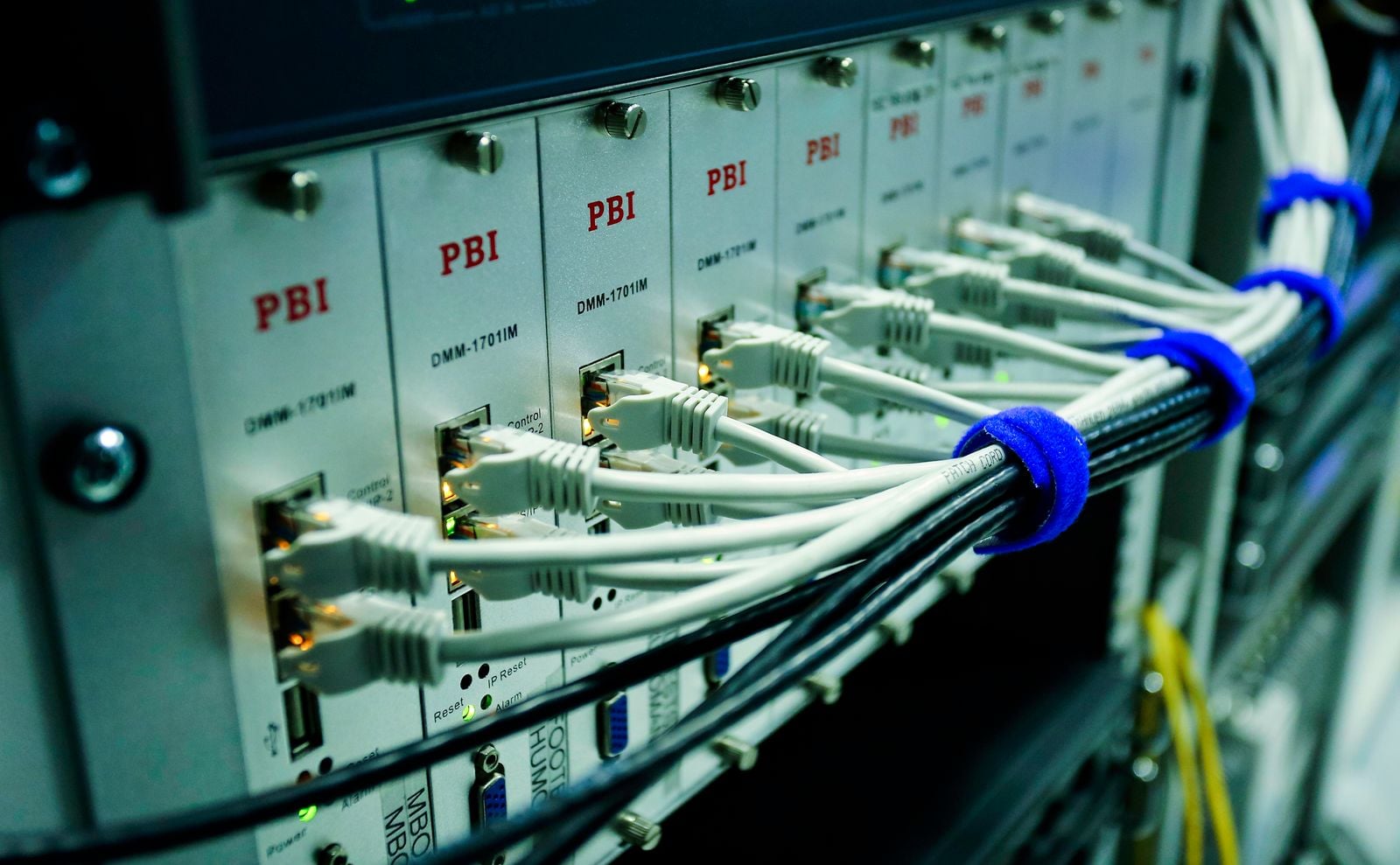
Typing a web address looks instantaneous, but behind that flicker is a global lookup system built on 13 named clusters, cached answers, and a hierarchy older than most of the modern internet.
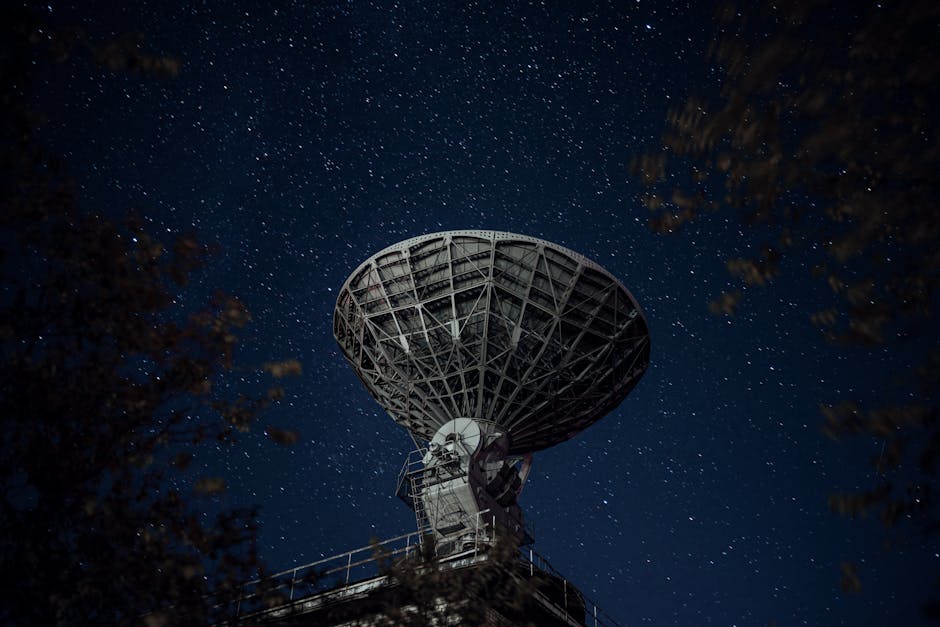
Nearly half a century after launch, Voyager 1 continues to whisper across interstellar space on a power budget smaller than a household lightbulb — and every year that whisper grows fainter.
The famous moth taped into a Harvard logbook in 1947 is often called the birth of the word “bug” in computing. The truth is stranger and older — the engineers were making a joke that only worked because the term already had decades of history.