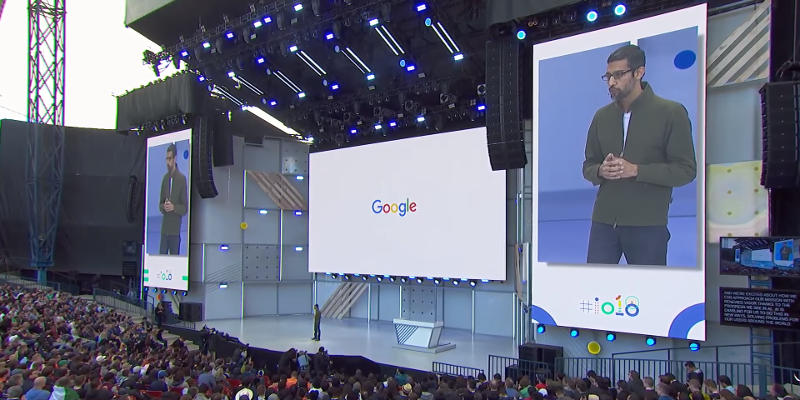
Google seems intent to weave machine-learning through every aspect of its Android ecosystem. Here are the upcoming features that will tangibly impact your smartphone use.
After some third parties developed ways to get around a locked iPhone, Apple has sprung to action and will now disable the USB connection on iPhones left locked for a week.
While technology has made strides with self-driving cars, they haven’t been able to tackle unpaved roads. MIT has designed a system for self-driving cars to tackle this.
Instagram plans to push back against cyber-bullying by expanding its anti-bullying initiative. They’re adding a new bully filter to block harassing or bullying comments.
Facial recognition could be used for many more things than just signing into your device. Singapore’s Changi Airport is already using the technology and may start using it to find wayward passengers who are late for their flights.
A hacking group has released a new malware set to attack those using Windows with Internet Explorer once they open an Office file. Here’s what you can do to protect yourself.
We’re talking about spam in your email inbox. We get so much that we each have spam mailboxes. Some Gmail users were hit with some very interesting spam recently.
Microsoft just saved all its Windows 10 users a heck of a lot of trouble. After finding an issue with the Windows 10 update, it scrapped the update, fixed the issue and set the new version for release.
After smartphones, smart TVs, and smart watches, we’ve been introduced to everything for our home that’s “smart.” Now we’re even reaching outside the home. Dubai will be introducing smart license plates.
What is the difference between Chrome OS and Android? The separation just became more confusing with the addition of touch support in Chrome OS tablets.
When the news of Facebook’s data breach became known, it sent many into a panic. Mark Zuckerberg admitted that most users should assume their data has been compromised.
Now there’s another technology coming into play: edge computing. It’s not replacing cloud computing so much as implementing it to make your apps and devices work better overall.