
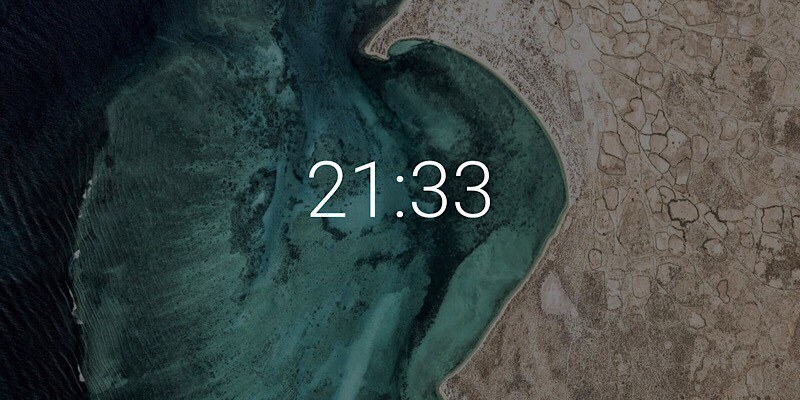

There’s always been discussion over Android vs. iOS, and for a split second there was also a thought over where to place the Windows Phone OS. But there will be a new competitor on the market to directly challenge Android. Google is said to be working on an all new mobile OS, Fuchsia, to replace Android.
Fuchsia
Not only will it replace Android, but Fuchsia will replace Chrome OS as well. Not much is known about this secretive new operating system that will be released at some later point in time, but it’s being developed via open source, and it’s been demonstrated occasionally a few times as well. Yet Google isn’t talking.
Fuchsia is not built on Linux kernel, so that’s what separates it from Android and Chrome OS. It uses Google’s Zircon Kernel as well as a new in-house programming language. It’s all Google.
The other interesting fact on Fuchsia isn’t that it won’t be solely used on mobile devices. There’s an experimental developer build for installing on a Google Pixelbook that is still in the works. This means it’s not a build you want to mess with if you’re doing anything important on your Pixelbook. But you can also play with Fuchsia on any computer or mobile device, thanks to a demo website.
Playing Around with Fuchsia
The website will allow you to play around with Fucisa if you’re on certain devices. I tried it with both my iPad and my iPhone, and I could “see” the features, but it wasn’t connected to anything I was doing on my devices, and it won’t let me sign in. So while they say the OS can be used on a variety of devices, it apparently doesn’t include iOS devices, and that is not a surprise at all.
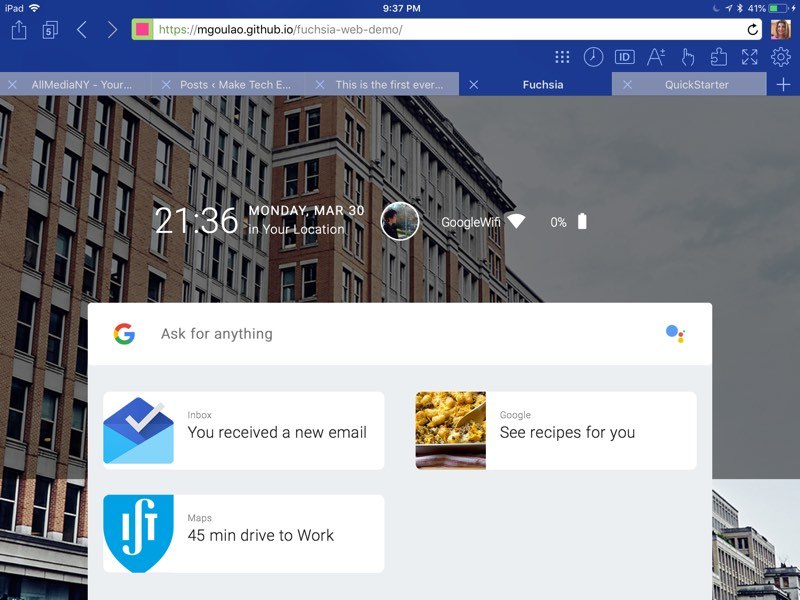
However, this appears to be exactly what the OS is, what I can see on my screen, according to BGR. The home screen includes a background image belonging to the user that’s signed in. Unfortunately, it’s not one of mine.
It includes stats such as time, date, location, WiFi, status, etc., as well as Google app options you’ve accessed recently, and also includes a Google Assistant search bar. If you tap the user profile you can change settings such as volume, airplane mode, etc.
The Future of Android, Chrome OS, and Fuchsia
It’s easy looking around the demo site for Fuchsia to see how they are planning something that both replaces Android and Chrome OS. Browser-based, it takes care of Chrome OS, but then being Google-based, it adds an interesting flavor to it as well. It’s also being suggested that you won’t need to abandon your favorite Android apps, as they’ll still work on Fuchsia.
But is this something that will truly replace Android and Chrome OS? Is that even something that users of those two OS want? Or will this just be an additional choice for Android and Chrome OS users? And what will this do to the war with iOS?
At least Google is trying something different in creating something that combines the two. While iOS hasn’t ever completely changed other than version updates, they are said to be working on combining iOS and macOS, though the company denies it. But Google is at least working on creating something all-new, hopefully to keep up with user demand.
How do you feel about Fuchsia possibly replacing Android? Let us know your thoughts and concerns in the comments section below.