

Much has been said about the GrayKey Device that can unlock iPhones regarding the ethicality of it. But according to Malwarebytes Labs, there are some questions of the security of both the device and your phone after it’s unlocked with the device.
In other words, there’s a reason Apple didn’t want to depart with such technology to begin with.
The Need for the GrayKey Device
The need for the GrayKey came up during a terrible crime in 2015. In a mass shooting in San Bernardino, California, fourteen people were killed and twenty-two others were injured by a married couple, Syed Rizwan Farook and Tashfeen Malik, who were both killed in the attack.
Farook’s iPhone 5C was recovered during the investigation, but the FBI was unable to access its information because of its security features. The National Security Agency was unable to break into the phone, so the FBI asked Apple to develop a new version of iOS to disable the security features.
Apple refused based on policy. The FBI tried to force Apple to comply through a court order, and they announced they intended to oppose the order. They feared that creating such a backdoor would pose security risks towards their customers.
Eventually the FBI dropped the case because they found a third party who was able to help them get access to the phone’s data. It has been widely thought that the third-party company was Cellebrite, an Israeli company who does perform such services.
Dawn of the GrayKey Device
The GrayKey Device, made by Grayshift, became known in late 2017. It’s been known that the device existed, but not much else was known. It’s marked for use by law enforcement, which is different than Cellebrite which appears to offer the service to anyone.
An anonymous source provided Malwarebytes Labs with information on what it looks like and how it works.
The GrayKey is a gray box with two lightning cables protruding from it. Two iPhones can be connected at the same time. After they are disconnected, they aren’t quite cracked yet. Later the phones will show a black screen that includes the passcode along with other information.
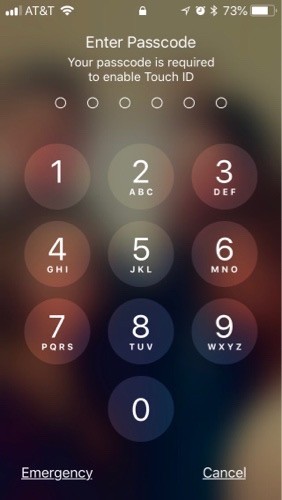
It can take anywhere from a few hours to three days or more to get the passcodes from the phones. This process will work on disabled phones as well. The filesystem contents are downloaded to the GrayKey and can be accessed through a connected computer and then downloaded.
There are two devices on offer: one for $15,000 and another for $30,000. The cheaper version required an Internet connection and can only be used on one network. The most expensive of the two choices does not have these restrictions. They are intended for law enforcement.
Security Risks of the GrayKey Device
Malwarebytes Labs brings up several questions. The cheaper version, being locked in, isn’t as much at risk. But if the more expensive model is stolen, it would continue to work even off-site. It could be sold on the black market for a lot of money. Whether or not the device is secure is also in question.
It’s not known how the process actually works, so it’s unknown exactly how much threat there is to the phone itself. It’s being assumed that a jailbreak of some type is involved. There are questions of what kind of state it would be in afterwards, if it would still be jailbroken, if it would be damaged, etc.
So we will leave you with some questions as well. Is there a need for such a device? Should it even exist, or is it just too risky? Should the device be available to the public or just law enforcement? What are your thoughts on the GrayKey Device? Let us know in the comments below.