


There are many people out there who don’t trust the cloud, and really, some people still don’t even understand the cloud. They refuse to use it and insist on still storing all their files and data on physical media.
But whether or not you opt to use the cloud, chances are you’re still using it in some way anyway. Most apps run in the cloud, storing their data as well as storing yours.
But now there’s another technology coming into play: edge computing. It’s not replacing cloud computing so much as implementing it to make your apps and devices work better overall.
What Is Edge Computing?
Edge computing takes the data from the use of Internet of Things devices and sends it to be processed at the edge of the network. This means the processing can be done closer to where the data was created, rather than sending it along a long path to reach the cloud or a data center someplace.
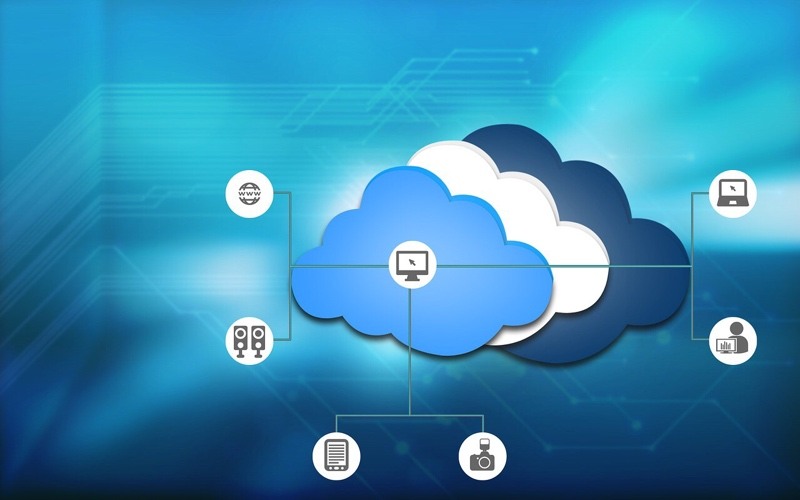
This allows companies to analyze data much more quickly to where it can even be done in real time or near real time, something that can certainly be a boon to many industries that rely on critical timing, such as health care, telecommunications, finance, etc.
“In most scenarios, the presumption that everything will be in the cloud with a strong and stable fat pipe between the cloud and the edge device – that’s just not realistic,” explains the senior director of corporate strategic innovation at Cisco, Helder Antunes.
Think of edge computing as a triage center. It takes in all the data and processes some of it right there at the end of the network, then takes the rest of it and farms it out to be handled by a central data center or cloud storage repository.
Advantages of Edge Computing
There are some major advantages to the use of edge computing, reasons why it makes so much more sense, especially with regards to Internet of Things devices.
- Data is handled much more quickly. As discussed earlier, it’s an opportunity for data to be processed in real time or near real time. And when you’re using technology to power devices that aid you in your daily life, you want it handled close to you and in real time.
- There is also a relatively low cost of operating. When data can be handled where you are instead of traveling to the cloud or a data center, it can be a much more manageable cost.
- Because all the data isn’t being sent out to be processed and because it’s being handled at the edge of the network, there’s less network traffic overall. Just like traffic on our highways, those highways won’t be as packed, slowing everyone down, if some people are deciding to stay home instead.
- Not having your data travel means your apps will perform much better overall and that they will operate on a lower latency level than if the data had to travel a long distance.

What This Means for You
As the title implies, there really isn’t much you need to do, just buckle up and enjoy the ride. Unlike the cloud where you have a choice with some of it but not all, with edge computing there is no choice. It’s all happening behind the scenes. It’s making your devices operate much more smoothly, whether or not you even noticed it.
What do you think will be the next trend in computing? If we’ve gone from the cloud to the edge, where will we go next? Let us know your thoughts in the comments section below.