


We know what smartphones are, what tablets are, and what laptop computers are, but what is the difference between Chrome OS and Android. The separation just became more confusing with the addition of touch support in Chrome OS tablets. It leaves many asking where Google distinguishes the difference between Chrome OS and Android.
Two Platforms
Chrome OS was designed by Google and based on Linux and the Google Chrome web browser. Released initially in 2011, it’s supported primarily by web apps. Until now it’s only been included on laptops.
Android is Google’s mobile OS and is also based on Linux as well as other open-source software. It’s intended for use on touchscreen devices such as smartphones and tablets but has also been used on smart TVs, smart watches, and in cars. It was initially released in 2008.
These two operating systems have always been separate. One was for a cheaper web-based laptop, and the other was a mobile system meant for smartphones and tablets.

But Google hasn’t been altogether successful, though, with Apple ruling sales with their iPad, and really no tablets are very successful right now with the PC market stabilizing.
Google’s Gamble
Despite tablets not being a booming market right now, Google is jumping back in with both feet. They’ve added touch support to Chrome OS to create a tablet mode. It seems like something they’ve been leaning towards for a number of years, as they were continually adding more and more touch features to the platform throughout the years.
XDA-Developers report that inside Chrome OS is evidence that device manufacturers can enable a full-screen app launcher when in tablet mode. The Chrome OS app only has one row of recently used apps, but the tablet launch would emulate the app drawer found on Android.
Late last month Acer announced the Chromebook Tab 10, the first Chrome OS-powered tablet, and with more hardware launching that includes touch support, it’s thought the app launcher will help bridge the gap between using a keyboard and mouse and a touchscreen.
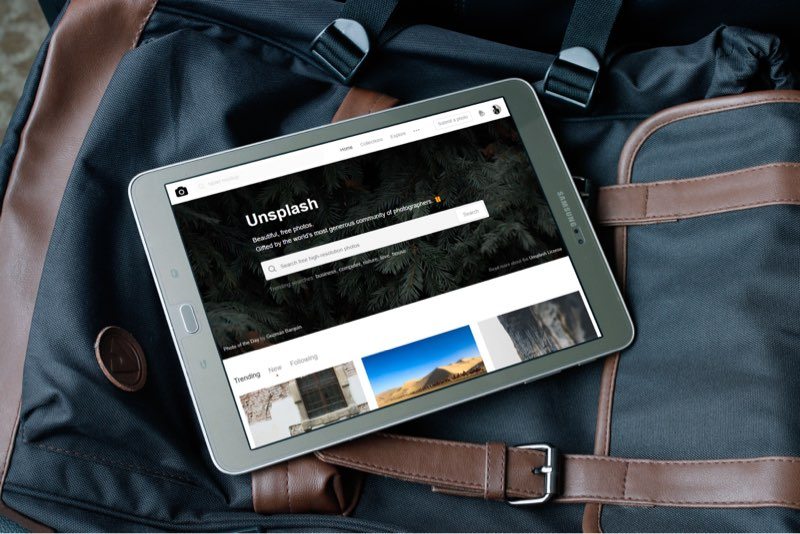
The hope is that this added function in Chrome OS will also be used on other Chrome OS devices that have rotating screens such as the Pixelbook.
In the past, Google allowed Android apps to run on Chrome OS devices, and now they’ll be giving Android behaviors to Chrome OS, as well as some of the design features such as rounded, tappable buttons. Samsung is even planning on adding pen support to the Chromebook Pro.
Where Is This Headed?
There’s no release date for this newer version of Chrome OS, but a newer Chrome browser with better touch support is planned for September 2.
These changes, though, lead to many questions about the future of all of Google’s platforms and devices. Will all tablets be Chrome OS and all smartphones Android? Will Chrome OS eventually overtake Android? Or will Google just keep plodding along with two separate operating systems, continually mixing up features of both?
We want to know what you think! Let us know your thoughts in the comments section below.