


We’ve been talking a lot recently about data being taken from us without our knowledge. But what if it wasn’t data from social networks that was being taken but data of our own emotional states from our brains? This is currently a practice of the Chinese government as it studies the stress their employees are under while at work.
Chinese Brains Studied
Many people wear a uniform when they go to work; that’s nothing special. But what is special about the uniforms being worn by some of the workers from the Chinese government is it includes equipment to study the brainwaves of the person wearing it.
Inside the caps of the uniforms are monitors that watch over the workers’ brainwaves. Management then uses that data to adjust the environment of telecommunication and other industries. They’re looking to increase the efficiency overall by watching for and then reducing mental stress on the job.
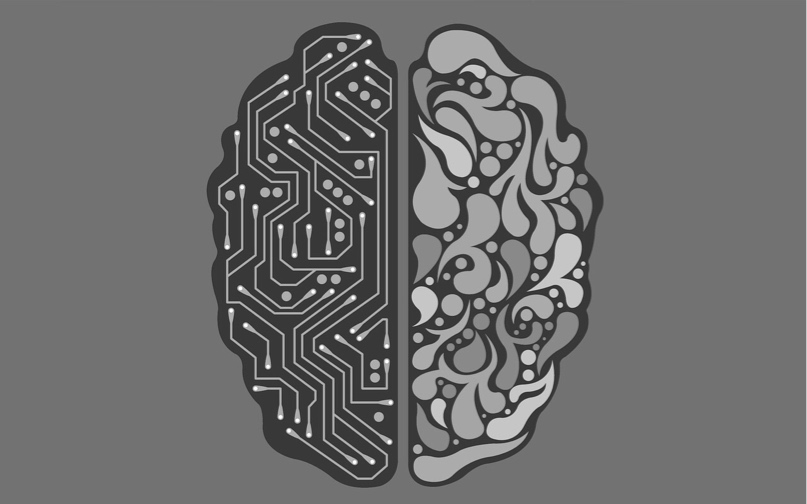
The safety helmets and hats of uniforms contain wireless sensors that work to monitor the brainwaves and then sends the data to computers that use AI algorithms to decipher such emotions as depression, anxiety, and rage.
The technology is also being put to use in medical and airline industries. Truthfully, this is technology being used in other places around the world as well, but not to the extent that China is using it.
Potential Success and Ramifications
It’s been a successful endeavor, as State Grid Zhejiang Electric Power in Hangzhou is using the technology and has boosted their profits by around two-billion yuan since 2014 when it first put this practice to use, according to an official, Cheng Jingzhou.
“There is no doubt about its effect,” he said. He added that they’ve been able to raise the standards of their industry since they started using the data from their employees’ brains who manage the power supply and distribution network to homes and businesses.
A manager of Ningbo Shenyang Logistics, Zhao Binijian, reports his company is using these monitors in virtual reality headsets that simulate the work environment to train new employees.
“It has significantly reduced the number of mistakes made by our workers,” he said, feeling it led to “improved understanding,” despite only using it on trainees.
Associate professor of brain science and cognitive psychology at Ningbo University’s business school, Jin Jia, says an emotional employee could affect the production of an entire line which poses safety concerns for everyone.
“When the system issues a warning, the manager asks the worker to take a day off or move to a less critical post. Some jobs require high concentration. There is no room for a mistake.”
Not so surprisingly, Jin reported that workers expressed fear and suspicion when asked to wear these devices initially. They were concerned their employers could read their minds.
A professor of management psychology at Beijing Normal University, Qiao Zhian, says that while the technology may be making businesses more competitive, they could also be abusing the devices to control their employees and infringe on privacy.
Where Will This End Up?
“The selling of Facebook data is bad enough,” reported Qiao. “Brain surveillance can take privacy abuse to a whole new level.”
This also raises concerns of employees being removed from their environment if they’re stressed. Perhaps they don’t want to be removed and prefer to and can work through their stress. And they may not want their employers to know about certain stresses they have from their home lives.
I hesitate to ask readers how they feel about this, as I’m pretty sure I know the answer. If people don’t want Facebook to have their data, they don’t want their employer to have data on their emotional capacity.
So I will ask this – is there a dream job where you would want to do it so badly that you would entertain the idea of wearing one of these hats with a monitor in it? Under what conditions would you consider having your emotions tracked? Let us know below in the comments.