

If you browse the band-aid aisle at the pharmacy, you’ll find an assortment of cartoon-printed bandages as well as ones that are designed to look like skin. But what if we could put skin tissue on those wounds? Engineers have developed a 3D skin printer that could be as easy as applying a band-aid.
Developing the 3D Skin Printer
There are many different types of tape dispensers available: Packaging tape, duct tape, white-out tape, etc. What engineers from the University of Toronto have developed is the same type of thing – it will output a sheet of skin tissue that could cover a wound.
This 3D skin printer can “[form] tissue in situ, depositing and setting in place, within two minutes or less.” Think of the benefit of that! To be able to cover a wound with something resembling skin that could cover it so much better than just a band-aid.
The engineers see a use much better than just covering a simple abrasion, though. They’re envisioning it replacing skin grafts. Instead of removing the skin from another area of the body, the printer would roll out a new layer of skin tissue, 3D-printed and “bio in”-based, directly onto the affected area.
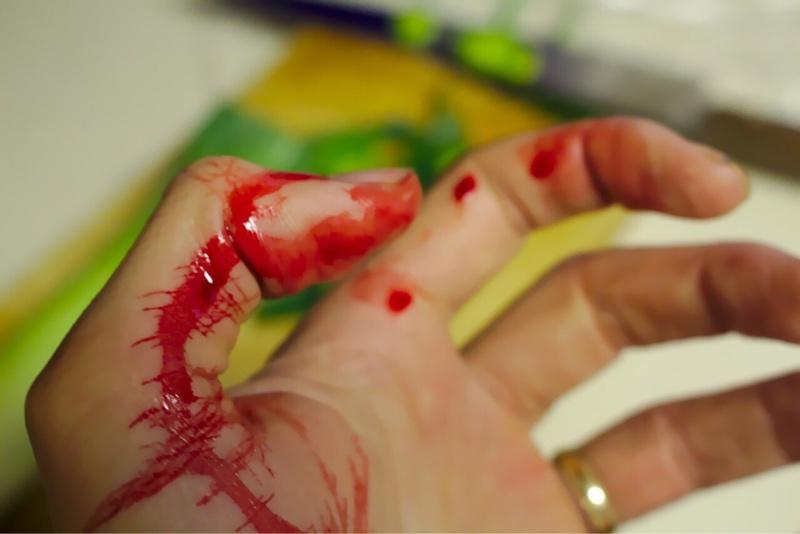
Unlike bio printers that exist currently and are very bulky, this device is portable, weighing just over two pounds, and would require very little training to use. It’s already been tested on wounds on both rats and pigs but has yet to be tested on humans.
“In collaboration with Dr. Marc Jeschke from the Ross-Tilley Burn Centre at Sunnybrook Hospital, we for now focus on burn injuries,” explains Axel Guenther, an associate professor in the University of Toronto’s Mechanical and Industrial Engineering Institute of Biomaterials and Biomedical Engineering.
“The handheld instrument may ultimately allow engineered skin tissues to be prepared that are wound- and patient-specific.”
The Future of Wound Care
Currently the engineering team is experimenting and comparing their results with that of existing alternatives. But they’re looking at eventually commercializing their technology.
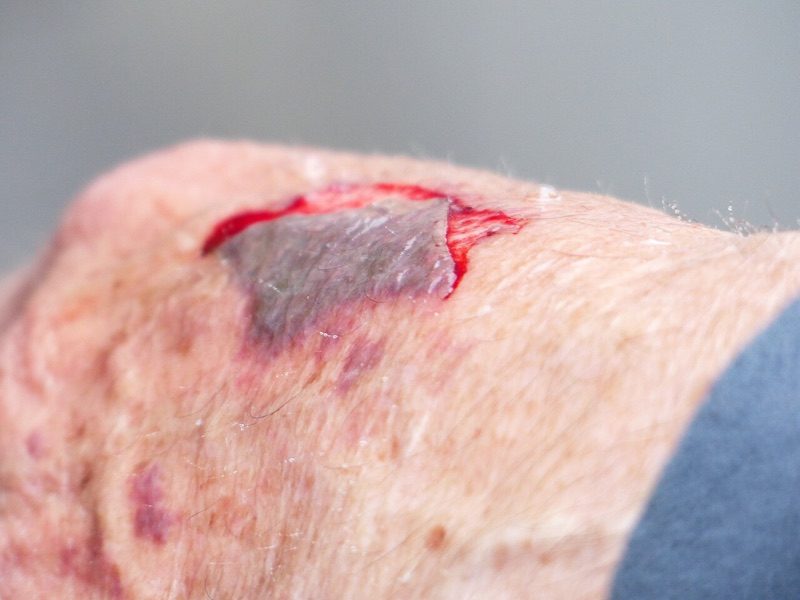
While they’re looking at this technology mostly in terms of burn patients, certainly it could be used for other wound care in hospitals. Perhaps this could be used as an alternative to stitches or as an alternative when a wound is so gaping that there’s no way to stitch it up.
It sounds like they’re looking at it from an institutional standpoint, but perhaps eventually a smaller scale version could be developed to take care of those smaller wounds we experience at home, the type that go just a little deeper than a simple abrasion
The unanswered questions include asking whether this 3D skin would match everyone’s skin tone or whether it would be slightly off. There are also questions regarding the healing. Would this heal the same as regular skin? Will you eventually be “as good as new?”
What do you think of this technology? Can you think of other applications other than skin grafts to treat burn victims? Would you want to be able to treat yourself, or would you rather this technology stay institutionalized? Chime in below and let us know what you think!