

Microsoft just saved all its Windows 10 users a heck of a lot of trouble. They were due to release a major update on April 10 but found a “blocking bug” that could create Blue Screen of Death issues. Rather than push that out and then release a cumulative update that fixed the bug, they just decided to release a new build.
But what does this mean for future updates? Does this affect the schedule? And when will regular users be able to access this new release?
What Went Wrong
The first version of the OS to receive continual feature updates instead of standalone releases, Windows 10 was initially released on July 29, 2015. It introduced the concept of “universal apps” and can transition between a regular desktop screen and a touchscreen.
There have been several releases since the initial release, with the last being the Fall Creators Update last October. The release that was held back was code-named Redstone 4. Redstone 5 was originally scheduled to be released in late 2018.
“In certain cases these reliability issues could have led to a higher percentage of Blue Screen of Death on PCs, for example,” explains Microsoft’s Dona Sakar of the reason Redstone 4 was held back.
The build had been released to Windows Insiders on the Release Preview Ring, and these users found the bug causing the Blue Screen of Death. But instead of fixing it in a later build, they decided to pull this one, fix it, and then release the revised version.
“Instead of creating a Cumulative Update package to service these issues, we decided to create a new build with the fixes included,” she added.
The Release
Those in the Fast Ring already have the new build available to them. It will be made available to Slow Ring and Release Preview very soon. After that it would then become available to regular Windows users, but a timeline is unknown at this point.
The Verge was told this new build (version 17134) is the final version of the next major Windows 10 update.
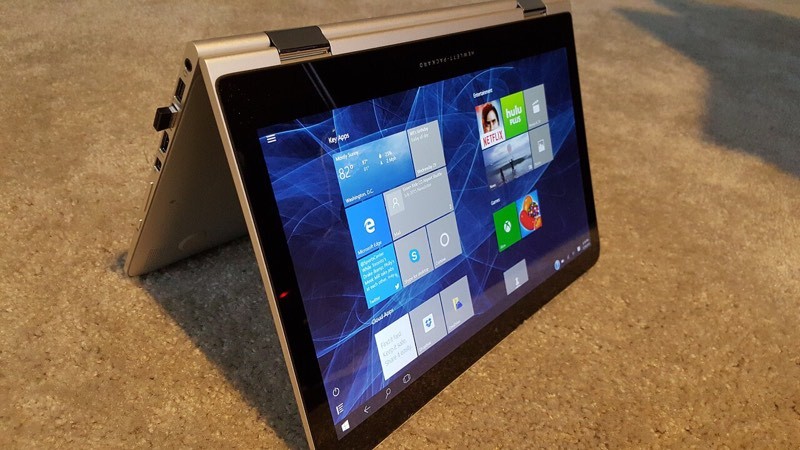
This update has not even been officially named and has only been known as Redstone 4. It has been referred to as the “Spring Creators Update” in the past, but it’s being suggested that they may go with the simple name of “Windows 10 April 2018 Update.”
Coming Up
The next Windows 10 update was previously scheduled for late this year, but it’s unknown what this latest development did to that timeline. It will include Timeline, HDR support, dictation, and more Fluent Design changes.
Code-named Redstone 5, the update is now being tested by Microsoft. Tabbed apps will be a big part of this update, and there should be more announcements regarding what’s in store at Microsoft’s Build Developer Conference coming up next month.
Are you looking forward to either of these two Windows 10 updates? Are you worried about the Blue Screen of Death issue? Speak up and let us know in the comments what your thoughts, comments, and concerns are regarding this update.