


While technology has made great strides with self-driving cars, there’s one bridge they hadn’t been able to cross yet: unpaved roads – until now. A team of computer scientists at MIT have designed a system for self-driving cars to tackle this problem.
MIT’s Self-Driving Car System
While autonomous cars haven’t been known to be good navigating unpaved country roads, computer scientists with the Massachusetts Institute of Technology’s (MIT) Computer Science and Artificial Intelligence Laboratory (CSAIL) set out to find a way around that.
Normally self-driving car systems rely on maps that have been selected for the task, that are very detailed. It’s a system that just doesn’t work well with the many unpaved roads that exist. But eventually, if these cars are going to be marketable, they’ll need to be able to conquer all roads.
Despite the current lack of technology allowing this oversight, the MIT team created a system, MapLite, that uses basic GPS data and sensors technology.
“We were realizing how limited today’s self-driving cars are in terms of where they can actually drive,” said Teddy Ort, an MIT CSAIL graduate student who worked on the autonomous car project.
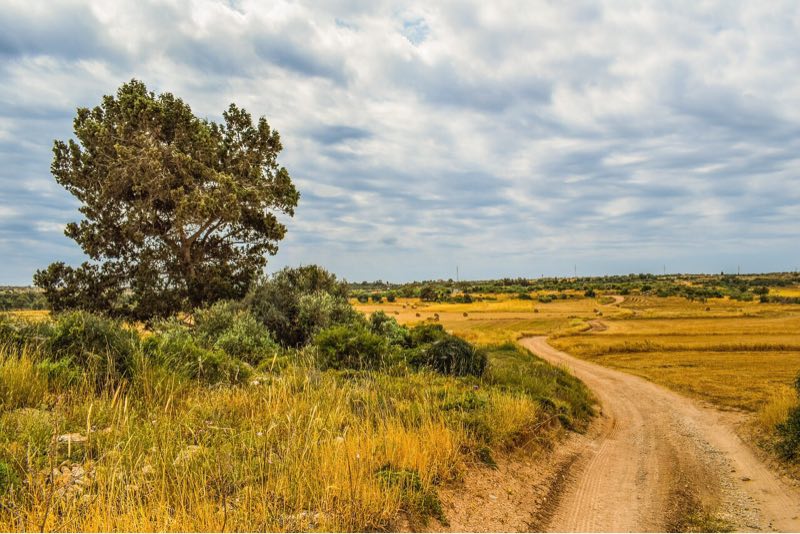
“Companies like Google only test in big cities where they’ve labeled the exact positions of things like lanes and stop signs. These same cars wouldn’t have success on roads that are unpaved, unlit, or unreliably marked. This is a problem. While urban areas already have multiple forms of transportation for non-drivers, this isn’t true for rural areas. If you live outside the city and can’t drive, you don’t have many options.”
What Ort pointed out is that this oversight isn’t just for self-driving cars – it holds true for all transportation. There just aren’t options for those outside the city, whether they want to take public transportation or want to drive an autonomous car. The only way to navigate those unpaved roads up until now was by yourself, either driving your own car or by your own power such as walking or riding a bike.
MapLite doesn’t use complicated data, though – it just uses the simple GPS data that’s already found on Google maps along with sensors to scan the surroundings around the car. This allows the self-driving system to travel along unpaved roads and take note of road conditions in advance, at a distance of over 100 feet.
“Existing systems still rely heavily on 3D maps, only using sensors and vision algorithms of navigation, like avoiding moving objects,” explains Ort.
“In contrast, MapLite uses sensors for all parts of navigation, using GPS data only to obtain a rough estimate of the car’s location in space. The system first sets both a final destination and what we refer to as a “local navigation goal,” which has to be within the view of the car.”
Not Quite Road-Ready
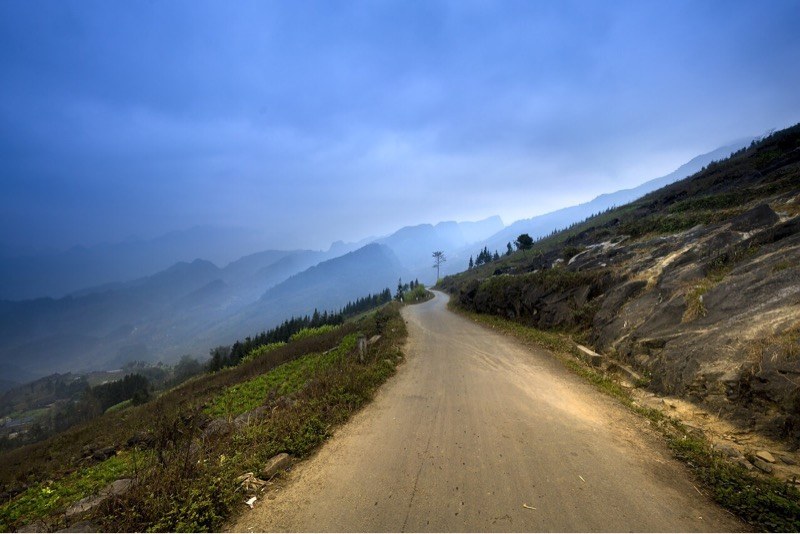
Not that this system by the MIT team is necessarily road ready. The reason the other self-driving car systems are so successful is because of those detailed maps they use. Roads that have been previously mapped out are a known quantity, which means it’s more likely to lead to successful navigation.
Because MIT’s system uses the current GPS data and looks at things 100 feet in advance, it doesn’t have the luxury of well-traveled roads that have been mapped out before by their system. It’s lacking the experience that the existing autonomous car systems have.
MIT’s CSAIL team is going to keep working on this, trying to make MapLite more versatile so that it can handle many different types of roads. And while they are not planning on marketing the system just yet, they are in discussions with Toyota to implement the system into their future vehicles.
Will It Ever Be Ready?
At this point you have to begin to question if autonomous cars are ever going to be road ready. There seems to be too many questions and too many potential problems. Asking people to put their trust in these systems seems to be asking a lot.
Yet it’s good to know that researchers are still back in the lab working on this and trying to implement different ways to get it done. They’re not just resting on laurels and asking us to put our faith in these systems that still can’t do it all.
Do you think self-driving cars will ever get to the point where we can trust them to be on the road next to us or driving us? Let us know your thoughts and concerns in the comments.