

Twenty years or so ago we still thought of that congealed luncheon meat as spam. But now it’s infiltrated all of our lives and has nothing to do with anything edible, although some may say it’s just as unsavory.
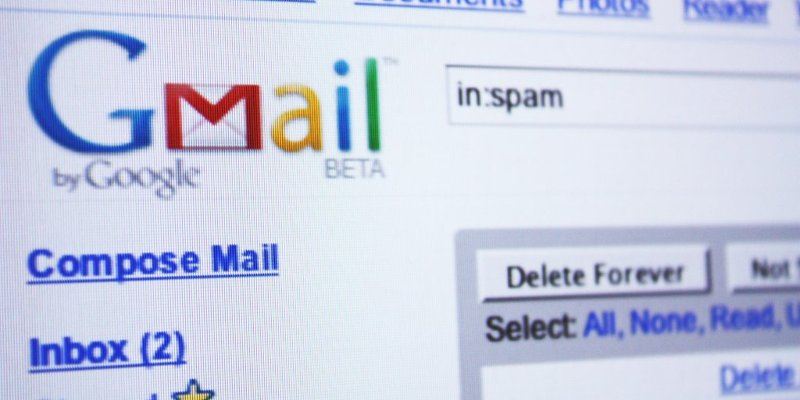
We’re talking about spam in your email inbox. We get so much that we each have spam mailboxes, folders just for all that spam we get to keep it out of our way. Some Gmail users were hit with some very interesting spam recently. It appeared to come from their own account.
Gmail Spam
Out of all the email groups to get hit with spam, for it to be Gmail users is particularly interesting, as Gmail does a great job, better than many email servers, in filtering out unwanted spam. So those hit with this spam must have been particularly perplexed.
And the messages definitely appeared to be spam by examining the content. The one appearing in a Forbes writer’s email offered an “easy loophole to turn $10 to $100,000.” Forgetting the obvious grammatical error, such a promise is obviously spam.
The text underneath urged the recipient to view a “controversial video” that would expose the “hidden method Russian traders” use to convert that paltry sum of money into something bigger. Or at least it tried to – the bad grammar made it difficult to figure out what they were really going for.
The real sender of this message and the others got the messages through by using the bounce. Many email servers won’t accept an email they suspect is spam if it can’t be delivered to the recipient. However, others will “bounce” the email back to the sender.
What spammers do then is send messages to fake email addresses, knowing it will bounce. When it’s indeed bounced, it’s sent back to the sender, which in this case is the intended recipient. To get the email to appear to come from your email, the spammer faked the header information, inserted the emailed address, and sent it through an SMTP service that doesn’t verify a sender’s information.
What Can Be Done to Stop this Spam?
For their part, Google did report that it is “aware of a spam campaign impacting a small subject of Gmail users and have actively taken measures to protect against it.”
While that’s great news that they’re trying to be on top of it, for whatever reason they weren’t on top of it before, and that’s why these messages got through. So maybe you can’t depend on Gmail to keep you safe. So what else can you do?
The first obvious suggestion is to realize spammers are always going to find a way around the system. This means you need to always be on the lookout for it. If it looks like spam, mark it as such, and do not click any links or give the sender any information.
Remember that no reputable company, whether it’s Apple, PayPal, or your bank, will ever ask you to give them personal information such as your birth date, bank account number, social security number, etc.
If you’re looking for more suggestions, check our our article on How to Avoid Being Bombarded with Annoying Spam.
In Closing
We’ve looked at how Gmail users were hit with spam as well as some ways that you can make sure it doesn’t happen to you. But as we’ve learned with all the news of what is happening with our data on the Internet, you can do things to make it less likely that you’ll get spam, but you can never be 100% sure that it will never happen. The best advice is just to always be aware that it could happen and try to take as many precautions as possible.
Were you one of the Gmail users who were hit with spam that looked like it came from you? If so, let us know in the comments.
Image credit: spam gmail