
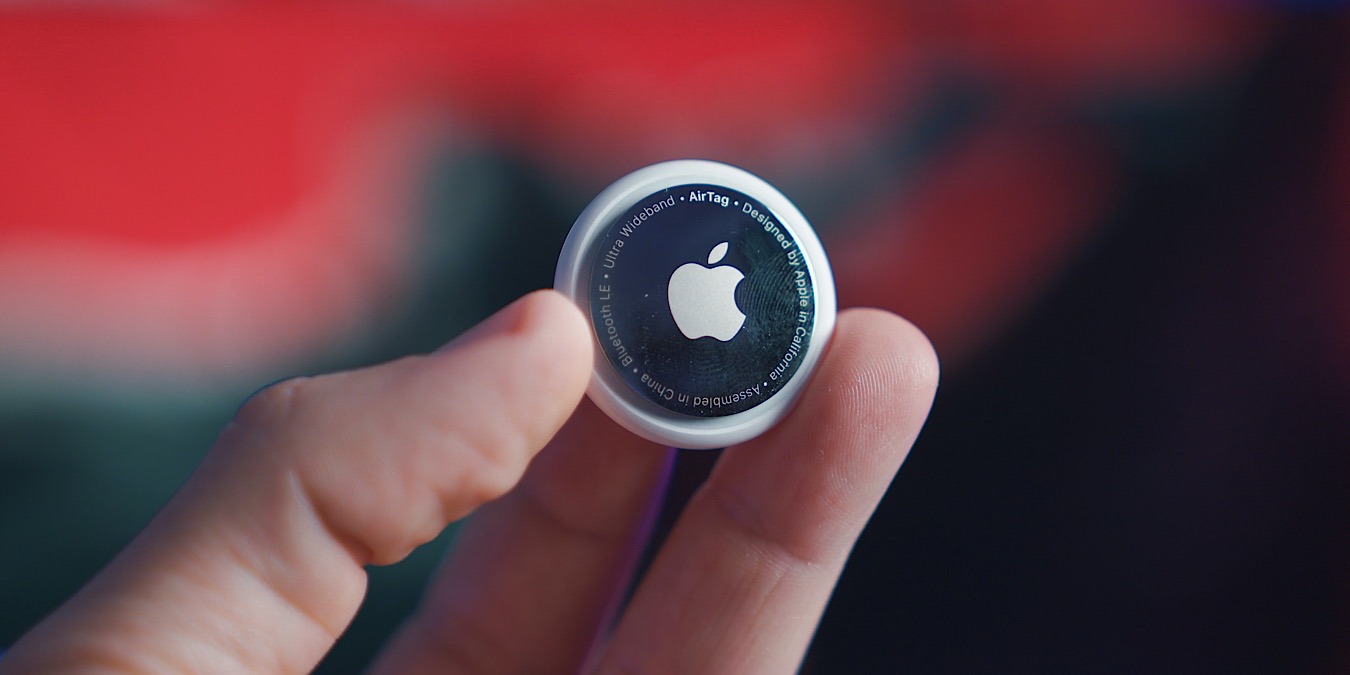

Small tracking devices – think Tiles – have been around for years and have never been that problematic. But once Apple came out with its own tracking device – the AirTag – suddenly there are problems. With some users figuring out how to use AirTags to stalk people, Apple has had to think fast to develop a way to prevent the devices from being used for nefarious reasons.
Nefarious Uses for AirTags
I’ve had Tiles and several other tracking devices and now have AirTags. I never even thought of using them for nefarious reasons. I just want to use them for my dog and luggage. Yet, I did once consider putting one in my father’s wallet, as he has dementia and keeps losing it. I was afraid he wouldn’t know what it is, though, and that he would throw it away.
While Apple put safeguards in place when they designed the AirTag, they’re still being used for illegal purposes, such as stalking and auto theft. An update was meant to prevent this, but it still kept happening.
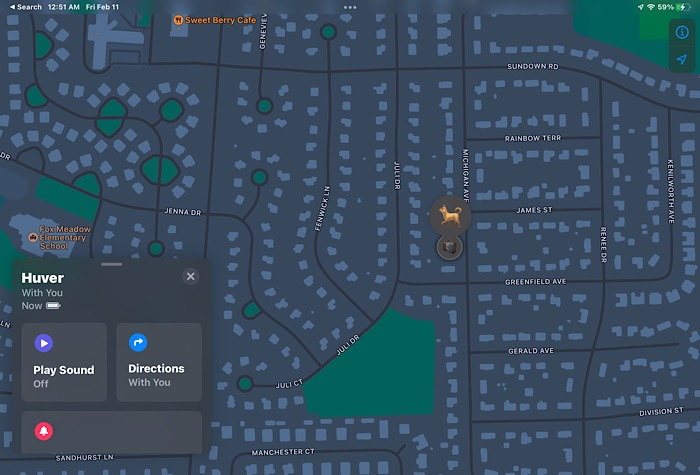
AirTags are similar to tiles in that they will help you find your lost items, such as your keys, purse, backpack, pet, etc. They use Bluetooth and the U1 chip to connect to Apple’s “Find My” network if another connected device is near the AirTag and sends a notice to the owner of the lost item. This information is anonymous and encrypted.
Apple’s Measures to Combat AirTag Misuse
To tackle unwanted tracking, Apple sends an alert to people being tracked when an AirTag registered to another person is around them for too long.
Android users are notified via a ping and now have more control after Apple released a Tracker Detect app that will allow the user to search for unwanted AirTags. iOS users can search for nearby tags with the “Items that Can Track Me” feature introduced in the iOS 15.2 beta. The company also shortened the length of time an unwanted AirTag can be hanging around from three days to between eight and 24 hours.
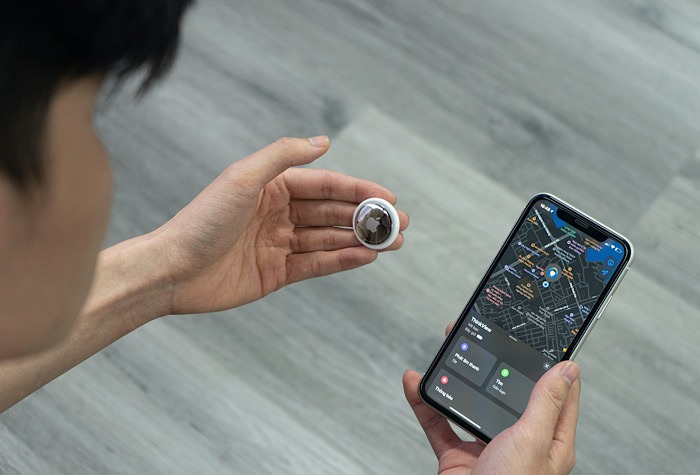
Additionally, Apple announced it will work with law enforcement to provide details to police who issue a subpoena or “valid request.” Apple also reported that it has already worked with law enforcement to find suspects.
An Apple blog post announced a series of updates for AirTags that will keep users more informed of the proper usage and risks of misuse of AirTags. After pairing an AirTag, users will see a warning that tracking someone is illegal and that police can request user information.
Currently, when an AirTag, AirPods, AirPods Max, or third-party accessory paired with Find My is near you and separated from its owner, you’ll receive an alert that says “Unknown Accessory Detected.” An update will remove that warning for AirTags.,
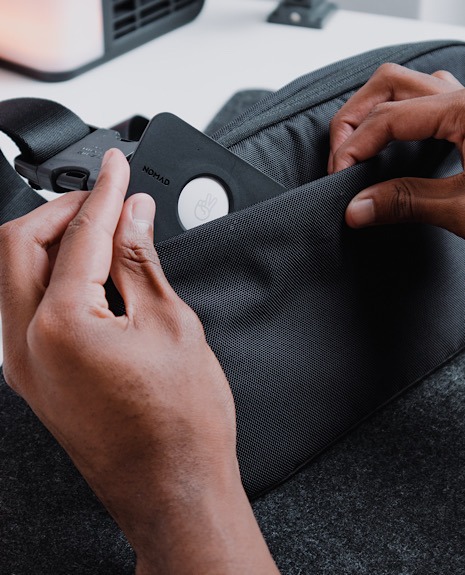
Apple said in the blog post that “later this year,” the Precision Finding feature will be updated. It will give iPhone users the exact location of nearby unknown AirTags. This exact location will be provided through sound, haptics, and visual cues.
“AirTag was designed to help people locate their personal belongings, not to track people or another person’s property, and we condemn in the strongest possible terms any malicious use of our products,” explained the blog post. “Unwanted tracking has long been a societal problem, and we took this concern seriously in the design of AirTag.”
Don’t want to deal with the Apple ecosystem? Check out some of these AirTag alternatives.