


Tracking Devices, and specifically AirTags, can be so helpful in finding keys, purses, dogs, and luggage. But they can appeal to the dark side, too, as a study reveals they are often used in organized crime and domestic violence.
Study Shows Tracking Devices Purchased for Criminal Activity
You may be reveling in the fact that you found your car keys after losing them for the umpteenth time, but an Australian study by the NSW Crime Commission found that one in four people who purchased a GPS tracking device in the past year has a history of domestic violence. Additionally, tracking devices are being used by organized crime networks. And that’s downright scary.
One woman mentioned in the report had her home bugged by an abusive ex, who also tracked her car and six other vehicles she was known to be in. The offender was caught through the SIM card in one of the tracking devices.
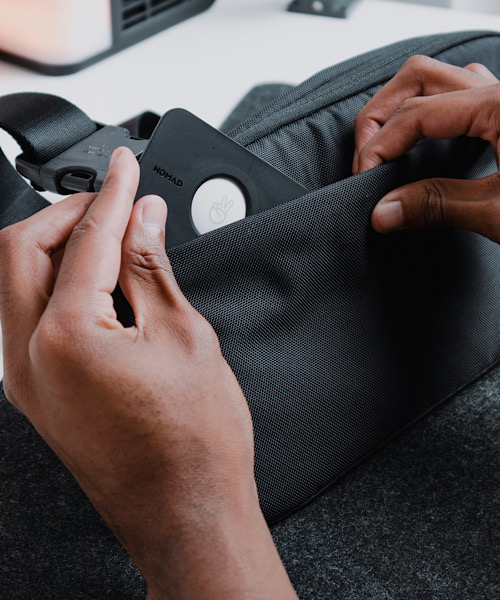
82 percent of offenders in New South Wales, between 2010 and 2023, who were charged with unlawfully using a tracking device, were committing domestic violence crimes. The study also found that the use of these devices in domestic and family violence was under-reported and under-prosecuted. It’s believed that the devices are also a part of the standard toolkit for those involved in organized crime.
An Australian study on women’s safety found that one in three people who experienced abuse through technology didn’t tell anyone, and more than 90 percent didn’t report the crime to police.
Curbing the Use of Tracking Devices in Crime
An NSW commissioner believes retailers should be required to take down the name of the buyer and serial number of the tracking device each time one is sold. The study also recommended controlling the sale of these devices and greater anti-stalking measures.
The commissioner believes the sales are under-regulated currently, which is making the GPS devices accessible, inexpensive, and easier to conceal.
It’s unknown how that would work in the United States, where it’s difficult to even pass gun safety laws. Some guns are available at trade shows and through Internet sales, and measures to curb that have not worked, so it’s hard to see how enacting laws on tracking devices and AirTags would work in the States.
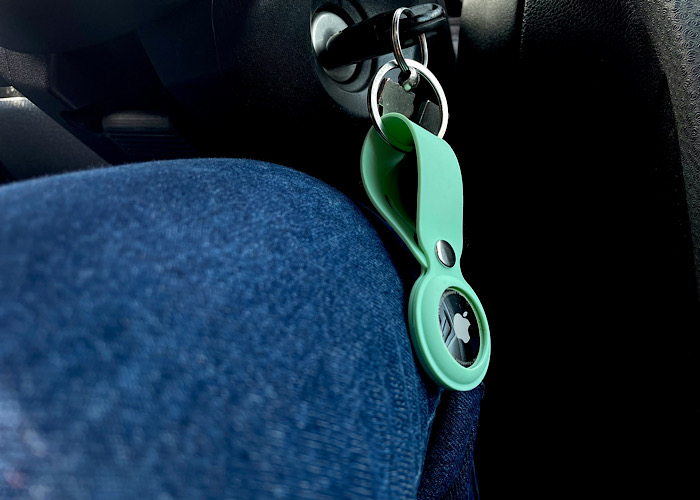
Additionally, AirTags, Tiles, and other tracking devices have already become immersed in our culture. I don’t go to the airport without an AirTag in every one of my bags. I also have one in my purse that I regularly carry and the bag that I use when I carry my iPad. I’ve also had trackers on my dog.
An interesting survey would measure how many people have tracking devices, versus how many have guns. And that would come along with many interesting implications.
If you want to keep track and log your geolocations yourself, learn how to create your own GPS tracker using Ulogger on Linux.
Image credit: Unsplash