
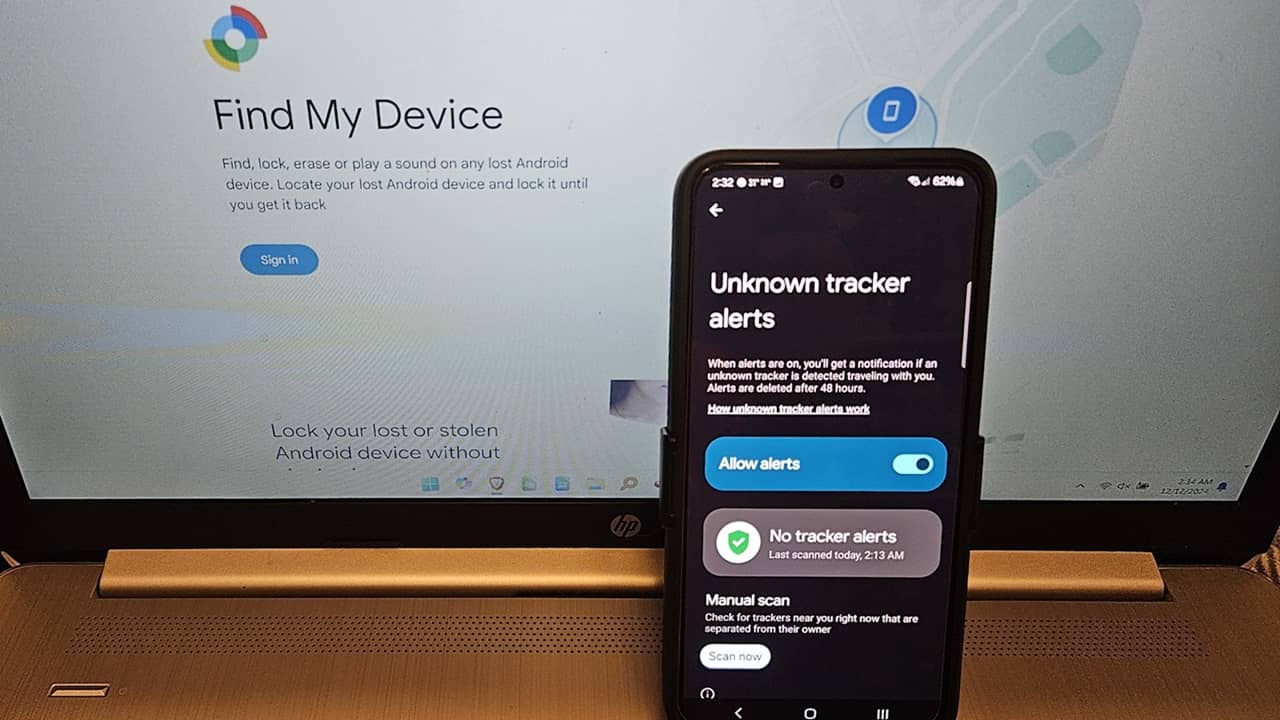

Trackers are great for helping you find lost items, but sadly, they’re also being used for nefarious reasons, such as stalking. Google is now helping Android users stay safer by alerting them to hidden trackers so that they can take action immediately.
Stop Unwanted Bluetooth Tracking
Bluetooth tracking tags are designed to help you find any item they’re attached to, using the Find My Device network and your phone’s Bluetooth connection. Usually, you connect the tag to an item to help you follow its location, such as finding lost luggage.
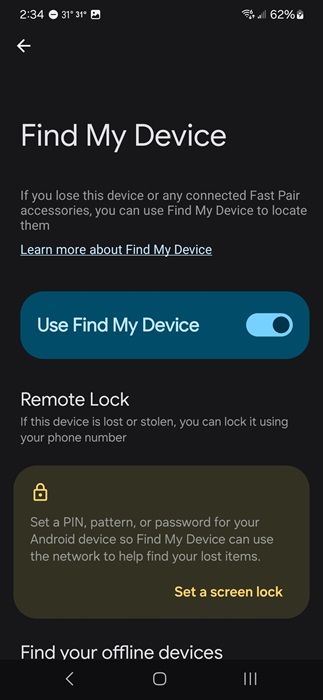
But that’s not all they’re being used for. For example, if you’re at the gym, someone could drop a tag into your gym bag while you’re not looking, then track you. Since your phone’s using the same Find My Device network, the person sees the location of their tag wherever you are.
While Google first announced unknown tracker alerts back in 2023, the safety feature is getting some major upgrades to help you stay even safer.
Instant Alerts for Trackers That Aren’t Yours
I know that even getting one more alert on your phone can seem annoying, but believe me when I say that you want to pay attention to this one. By default, alerts should already be turned on.
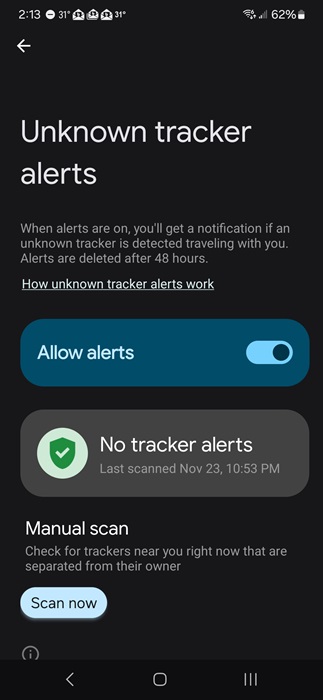
But instead of just getting alerts for trackers around you, you’ll get an alert if the tracker is moving with you and doesn’t belong to you. It could be in your car, a bag, a product you’ve bought, etc.
Google sends you an alert to let you know an unknown tracker is following you so that you can take action immediately. I know it sounds terrifying, but getting this advance notice lets you get to safety – and even stop the tracking – within minutes.
Giving You Power Against Hidden Trackers
Once you receive an alert, what can you do? This is the part I love: you get to track down the tracker.
Google’s updated the Find Nearby feature to not only help you locate your own trackers, but discover the location of hidden trackers near you.
Additionally, while you could previously have the tracker play a sound, people can disable this, making it difficult for you to just listen for trackers. The Find Nearby gives you more power to track down any trackers that shouldn’t be anywhere near you.
Take Action Immediately
I just want to reiterate that if you get an alert about an unknown tracker following you, take action immediately. Not only can you track down the tracker to move it away from you, but Google’s also added one more incredibly useful feature: Temporarily Pause Location.
This allows you to take yourself out of the Find My Device network completely for 24 hours without turning your location off. Things like your GPS apps still work, but no one’s able to use trackers to track you without your consent.
This also gives you time to call law enforcement from a safe place, knowing whoever is trying to track you can no longer see you on the network. And, Google allows you and law enforcement to see details about the tracker, such as a name attached, location of the device it’s registered to, and even the last four digits of the user’s number.
It’s great to see Google doing something positive. Read on to learn more about how Google Find My Device puts your safety and privacy first.
Image credit: All screenshots and images by Crystal Crowder.