
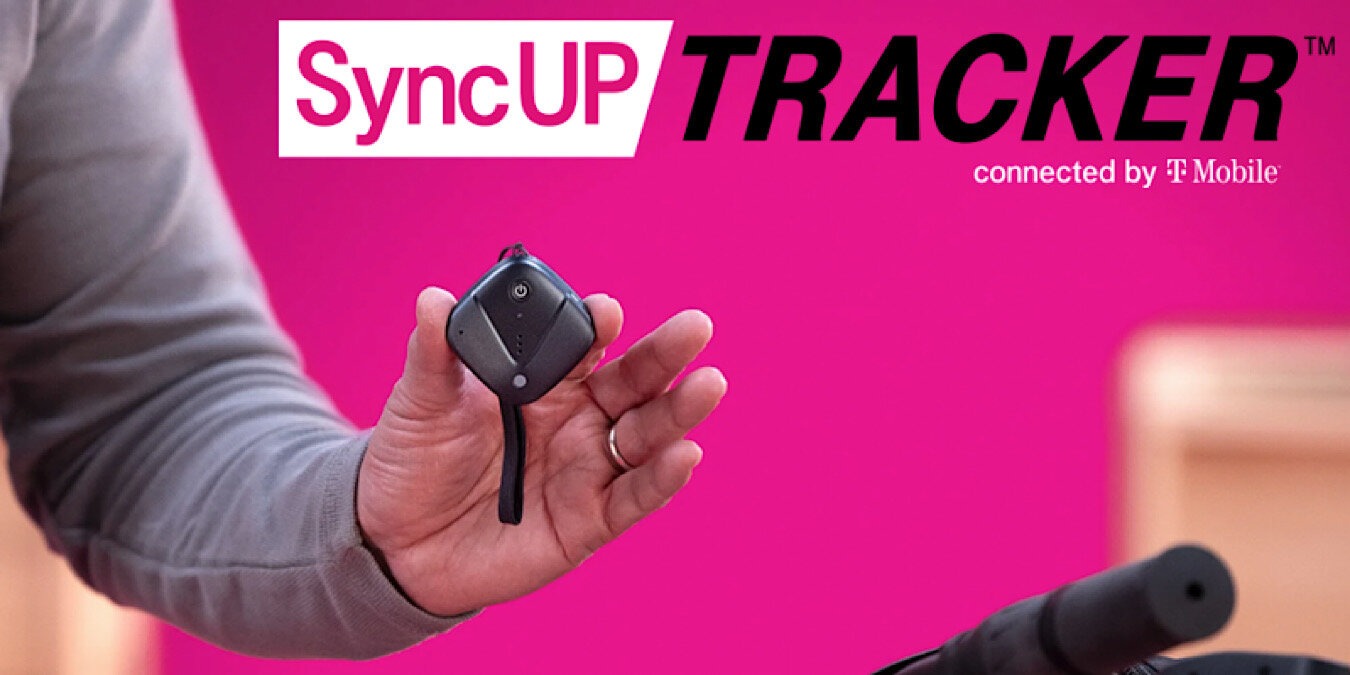

Apple made a splash when it announced the AirTag last week, but it’s not the only company with a new tracking device. Samsung introduced SmartThings Tracker, and this week T-Mobile announced the SyncUP TRACKER. Do we need all these tracking devices? And what about Tile, the tracking device that started it all?
Let’s take a look at the competition before learning what T-Mobile has to offer.
Tile
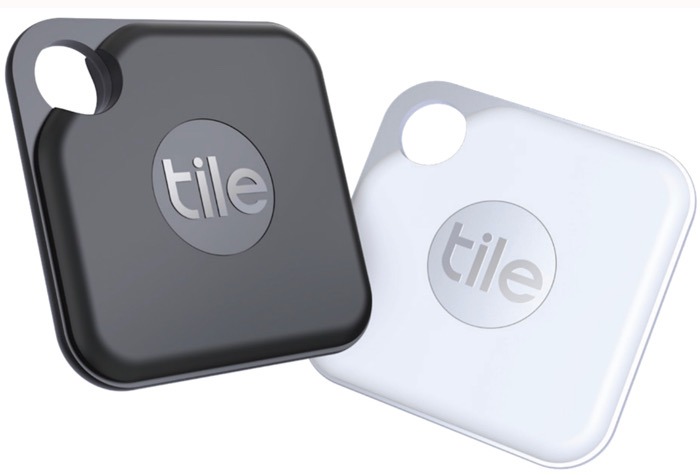
The Tile tracking devices created the space for all the others to come along. They’re now offered in four different sizes: Pro, Mate, Slim, and Sticker. You can hang them on a keychain, slip them in your wallet, or stick them to the surface of anything you don’t want to lose.
Add the Tile app to your iOS or Android device or Windows computer. Press the button on the Tracker to ring your phone to locate it or use the app to find your device’s current or last location via Bluetooth.
Samsung SmartThings Tracker
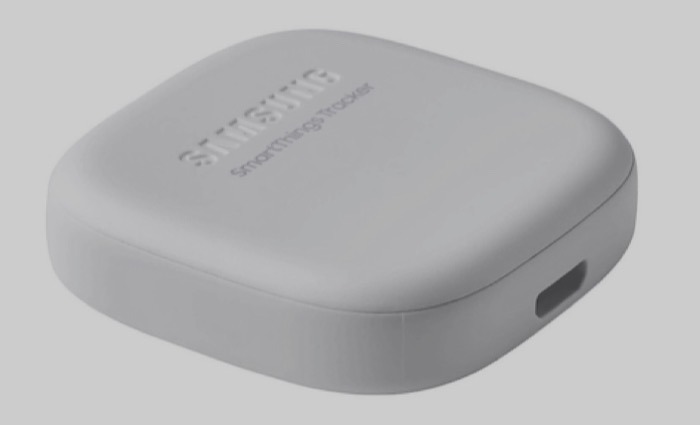
The Samsung SmartThings Tracker is part of the SmartThings lineup. Unlike the Tile, the Tracker doesn’t use Bluetooth – it works with Wi-fi instead. It also only has one size – a small square.
The Tracker will show the coordinates of the location of your missing item. Also unlike the Tile, the battery will need to be charged once or twice a week via LTE.
Apple AirTag
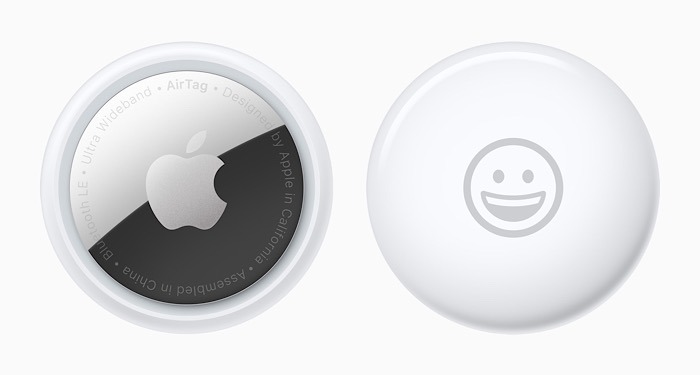
The Apple AirTag works similar to the Tile – via Bluetooth – and also has a replaceable battery. It pairs more easily than either of the other two – the same way AirPods are paired. You only need to bring it near your iPhone to have it pair automatically.
The negatives are that it only pairs with iPhones and that it needs a strap, sold through Apple, of course, to attach it to your keys or other items, as it has no hole for a keychain.
T-Mobile SyncUP TRACKER
Now let’s take a look at the just-announced T-Mobile SyncUP TRACKER. Like the Samsung device, it runs on LTE, T-Mobile’s LTE, to be exact. It promises “near real-time tracking and virtual boundary alerts.”
The T-Mobile device allows you to set how often it pings its location to save on battery life. Uniquely, it tracks light so that it can detect if it’s been moved from inside a bag to out in the open.
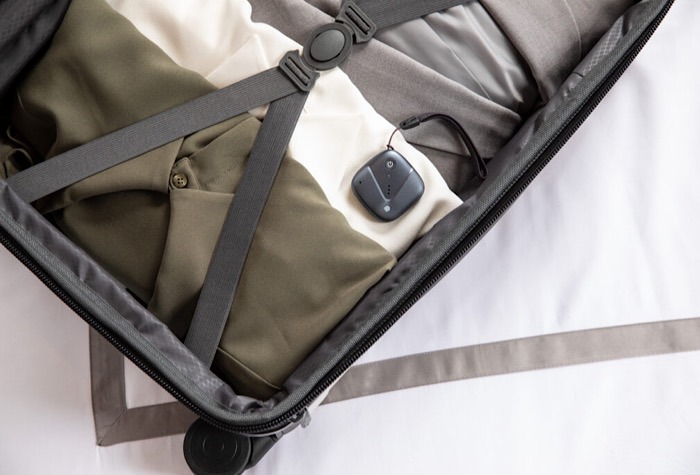
Also like the Samsung tracker, the SyncUP TRACKER needs to be recharged. It only promises up to seven days before needing a charge.
Perhaps the biggest negative is that it requires a monthly plan. Instead of paying upfront, pay $2.50/month for 24 months, then also pay $5/month for a data plan.
Which tracker you opt for will depend on your usage. While LTE keeps your device’s location always available, Bluetooth requires no data plan. There’s also a battery tradeoff. Do you want to place the tracker and not revisit it until you need it? Or are you okay charging it once or twice a week? Your choice of options will determine your choice of tracker.
There’s also a competition going on with podcasts. Make sure you check that out too.
Image Credit: T-Mobile Launches SyncUP TRACKER for Customers Who Keep Losing #AllTheThings Tile Media Kit, Samsung SmartThings Tracker, and Apple Newsroom