

Netflix has warned before that it might start cracking down on account sharing at some point, and it appears that time is now. Facing a reduced growth, Netflix announced in an earnings report to shareholders that it plans to force an increased payment structure on people who share their account with others who live outside their home.
Also read: Which Roku Streaming Device Should I Buy?
Netflix Earnings Report
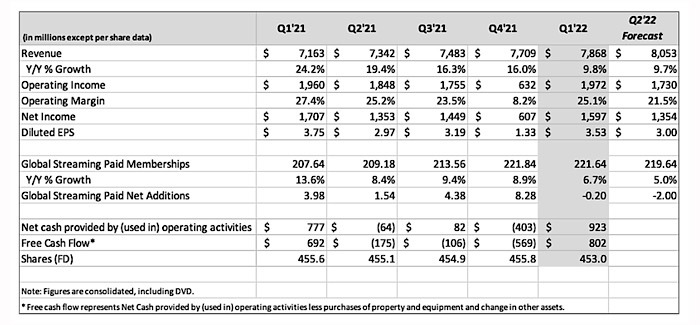
Netflix started its earnings report by stating its “revenue growth has slowed considerably.” While its content is popular, it has “high household penetration.” Yet, this isn’t paying off with revenue, as many of these households are sharing an account with another household.
The company has always believed in its business model: on-demand content via the Web rather than linear TV. It also believes that the increase in connected devices and number of homes with Broadband showed “huge future growth potential.”
The pandemic brought confusion to the issue. The growth was increased a great deal in 2020, leading the company to believe that the 2021 slowed growth was also due to the pandemic.
Netflix now believes there are four factors affecting the growth. The first is the pace of the growth, as it’s not controllable. The number of connected TVs, on-demand adoption, and data costs are out of Netflix’s control but do affect growth.

Account sharing plays a part in the growth as well. The 222 million paying households share their accounts with 100 million other households.
Streaming competition and macro factors, such as the economy and geopolitical events, such as the Russian invasion of Ukraine, round up the factors affecting growth.
Netflix Increasing Fee for Account Sharing
Overall, Netflix plans to boost its earnings growth by “continuing to improve all aspects of Netflix.” But mostly, it will continue improving “the quality of our programming and recommendations.”
Netflix will double down on “story development and creative excellence.” It is counting on more content like “Bridgerton,” “Inventing Anna,” and “The Adam Project.” It would also like to continue adding features such as the “double thumbs up.”
But a large part of Netflix’s plan to increase the earnings growth is to “monetize sharing.” The company realizes that sharing likely helped fuel its growth. The goal was to make it easy to share – within a household. But that has also widened to other households.
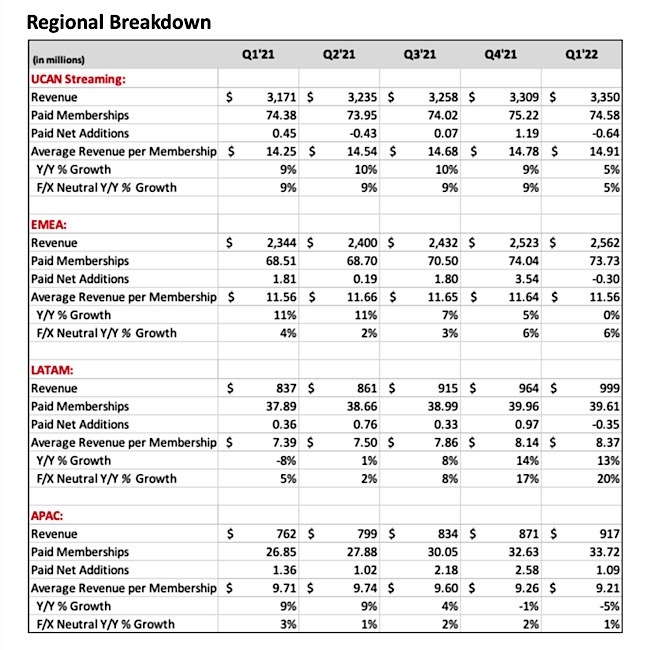
Last month, Netflix introduced two paid sharing features, giving account holders an option to share the account with other households for an increased fee.
This part of the plan debuted in three Latin American markets, but monetizing all of its account sharing is a “short- to mid-term opportunity.” Netflix plans for much of the growth to come from outside the U.S. This is supported by three of the top six TV seasons of all time being non-English speaking.
This means you’ll have some time before you’ll be forced to pay a higher fee for sharing your Netflix account with your friends and family who aren’t residing in your household.
If you’d like to get further use out of your Netflix account (whether or not you share it with others outside your home), read on to learn how to download movies for offline viewing.