


First Netflix and other streaming services made it tougher for their customers by cracking down on password sharing, then many of them jacked up their prices. Customers are fighting back against Netflix and the others by hitting pause on their subscriptions or canceling outright, then resubscribing later.
The Streaming Cancel Culture
I have to admit, it’s not a bad plan: joining Netflix, Hulu, Disney+, etc., then either canceling or pausing once you decide you don’t want to make that expensive payment every month, then pausing your streaming subscriptions until they want to watch and pay again.
New data from Antenna, in the business of subscription analytics, showed that in the first three-quarters of this year, 34.2 percent of streaming subscribers rejoined the same streaming service they’d canceled the previous year. Two years ago, that figure was only 29.8 percent.
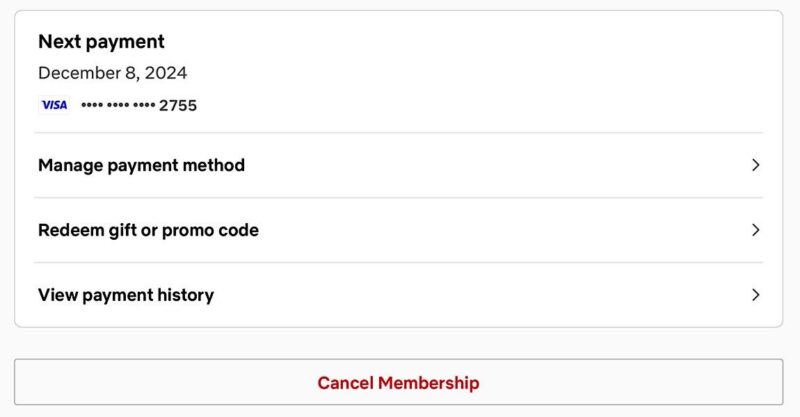
Customers make choices of which services they will pause and which to remain subscribed to. It all depends on what they want to watch and when. If a new season is out for a favorite show, the service can be rejoined, then canceled again after every episode has been binged.
I understand this mode of watching. I naturally go through periods of watching Netflix every night for a series, then don’t watch it for six months while I watch another service I’m subscribed to or a free channel. I can spend so long between bingeing periods with a channel that I get signed out and can’t even remember my password or which email I signed up with.
Trying to Retain Subscribers
Streaming services are doing everything they can to keep their customers and stop them from leaving, only to resubscribe, then leave again. But this is the downfall of Netflix and the others cracking down on password sharing, then raising the prices.
Since 2020, Netflix has the least resubscribers, while Max has the most. When customers aren’t canceling, a drop-down menu allows them to pause their subscription for up to three months. Disney+ is reportedly going to start offering the option as well.
The (literal) million-dollar question is whether this is cost-effective for the streaming services. It’s obviously beneficial to the subscribers/resubscribers. But the streaming services cracked down on password sharing because they realized they were losing money, then raised the prices because they still weren’t making enough.
Now that customers of Netflix and the others are canceling or pausing, then resubscribing or unpausing, are they making as much money as they hoped to by not allowing password sharing and raising the prices? It’s possible they aren’t.
It seems the ball is in the streaming services’ court now. What will they do now to counter the many customers that continually pause or cancel their subscriptions to save money? Perhaps they will reach beyond anything that has to do with their subscription models and find another way to retain their customers.
Image credit: Unsplash