


Apple really didn’t give us any hints at WWDC 2022 on what we may see from new hardware this fall. We heard about watchOS 9, but we don’t know what to expect from the new Apple Watch. One report has stated that the Apple Watch 8 will have a body temperature sensor that allows you to keep tabs on potential fevers.
Also read: WWDC 2022 Brings New iPhone Lock Screen and M2 Chip
Apple Watch 8’s Body Temperature Sensor
The Apple Watch 8 will reportedly have a new body temperature sensor. Also expected to have the feature will be a new “rugged edition” of the Apple Watch. Not expected to have it is the new Apple Watch SE2.
The new feature “won’t give you a specific reading – like with a forehead or wrist thermometer – but it should be able to tell if it believes you have a fever. It could then recommend talking to your doctor or use [sic] a dedicated thermometer.”
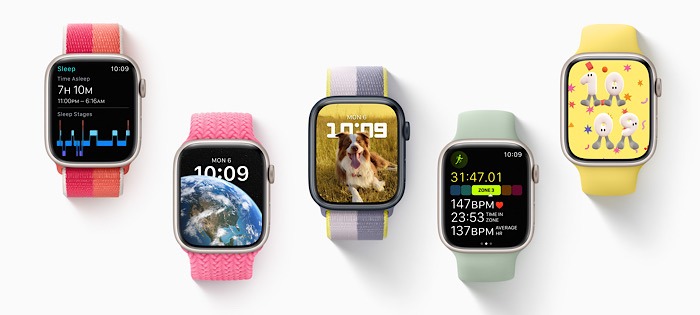
The body temperature sensor is expected to be similar to the existing blood oxygen sensor in that way. It can warn that there may be trouble but not give an exact reading.
Apple’s hands are tied, as it can’t advertise that the Watch can measure the oxygen in your blood. And even then a feature such as that still needs FDA approval.
The body temperature sensor in the Apple Watch 8 will mostly only alert you that you should be concerned about your temperature so that you can follow up. How you follow up will be up to you.
Other than that, it’s not expected that the Apple Watch 8 will have many other hardware changes. It’s believed that it will be the third edition in a row to use the same chip.
Apple’s Legal Difficulties with ECG
While medical features can lift the Apple Watch above other smartwatches and fitness bands, they can also lead to restrictions. A legal decision could lead to the possibility that the Apple Watch could be banned from sale in the United States.
AliveCor produced the KardiaBand that allowed the Apple Watch to take ECG readings until the Apple Watch 4 was released with the ECG readings feature.
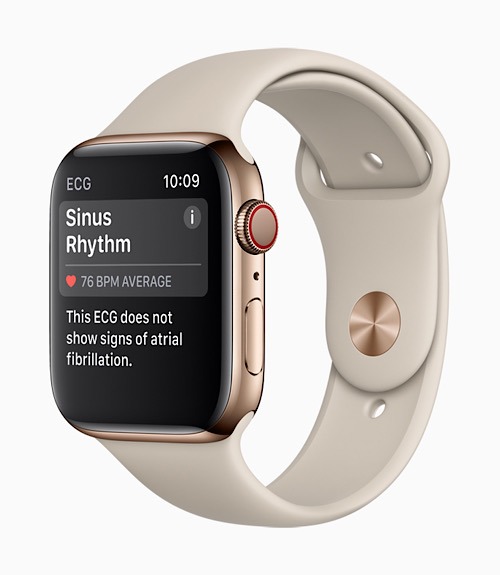
AliveCor believes its ECG feature catapulted the Apple Watch from a “high-tech fashion accessory” into a health device that saved lives. Apple Watch 4’s ECG feature also made KardiaBand unnecessary. This left AliveCor to lodge a patent infringement claim with the International Trade Commission. It also filed an antitrust lawsuit against Apple, claiming the Cupertino company copied its idea.
A preliminary decision has been made with the patent infringement claim, but while U.S. District Judge Jeffrey White ruled that the lawsuit could proceed, AliveCor still needs to prove its case in court. White did not side with AliveCor in its belief that Apple had an illegal monopoly with its smartwatches with ECG capabilities. He said AliveCor “does not compete” in that regard.
ITC judge Cameron Elliot has preliminarily determined that AliveCor proved infringement with two U.S. patents. He also ruled AliveCor did not prove infringement of another patent. Apple has been active in proving that some claims against it are invalid.
A final determination will be made on October 26, 2022. If the ITC rules with AliveCor, it could mean that Apple Watches with ECG could not be imported into the U.S. That makes it possible that just after the Apple Watch 8 begins sales in the fall, the supply could get cut off.
Has all of this made you unsure of whether you want an Apple Watch or a Fitbit? Check out this guide on Fitbit vs. the Apple Watch.
Image credit: Unsplash