
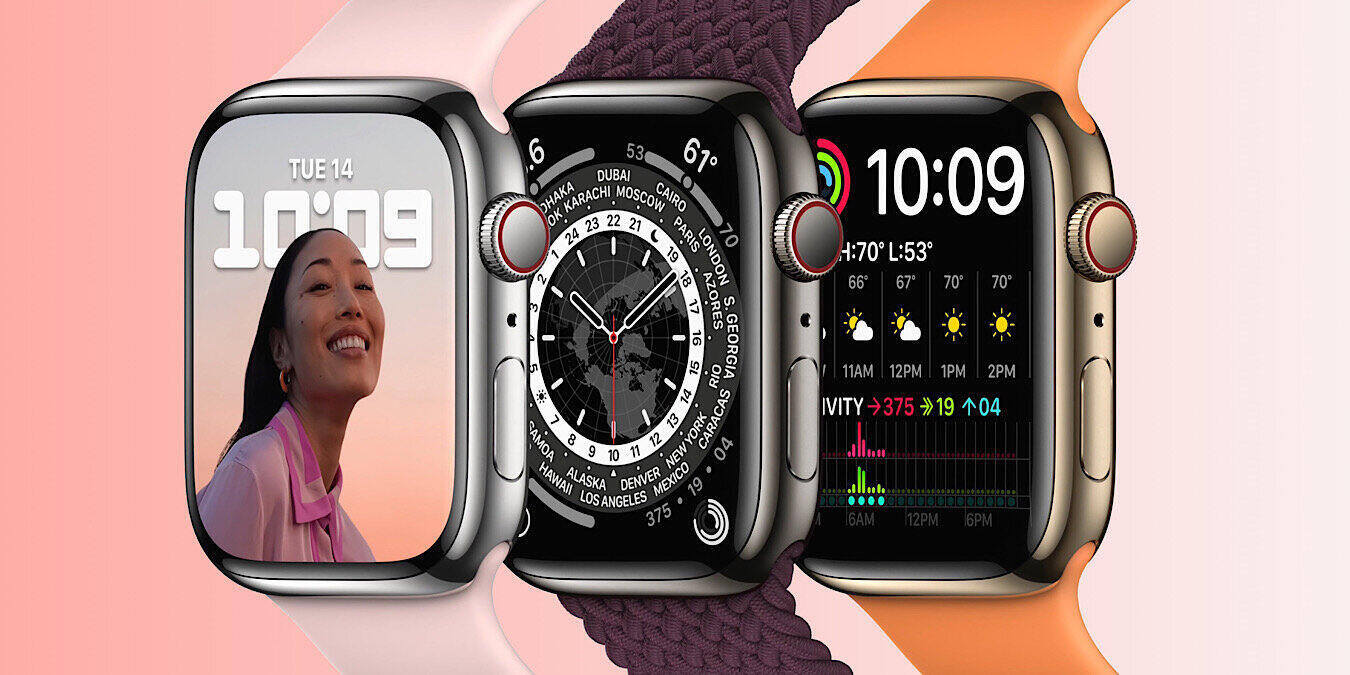

This didn’t take long at all. Just two days after the Apple event on September 14, there is already a big dispute. FlickType developer Kosta Eleftheriou is upset about the Apple Watch 7, including a new feature that is very reminiscent of his watch app a few years after it was initially rejected. The story includes multiple rejections, an attempted acquisition, and a lawsuit. But the Apple event showed the story isn’t finished.
Also read: How to Make Custom Watch Faces for Apple Watch
FlickType Lawsuit After Apple Rejection
To untangle this story, we have to go all the way back to the beginning. Eleftheriou released the FlickType app for the Apple Watch to the App Store in 2019. The default methods of adding type on the wearable include speaking into the microphone or writing it with your finger. FlickType allows you to swipe over a QWERTY keyboard.
FlickType was then booted from the App Store for violating guidelines that at the time restricted keyboard apps on the Apple Watch. Eleftheriou claims the powerful tech company had approached him about an acquisition. When Apple was unable to complete the deal, he received the App Store rejection letter.
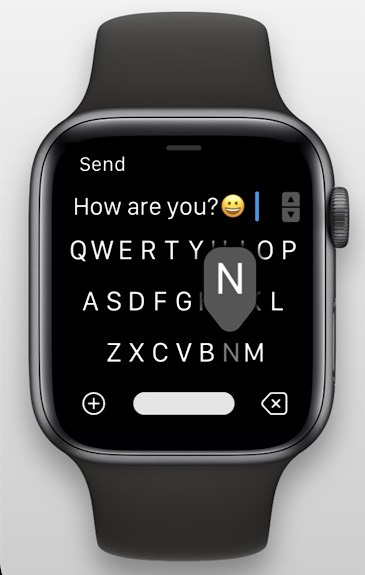
For its part, Apple admits to rejecting FlickType but says it quickly reinstated an updated version of the app after reviewing Eleftheriou’s resubmission and explanation of accessibility functions.
The developer says it took a year to get FlickType back in the App Store, which doesn’t sound very quick. “From [January 2019] on, I was simultaneously discussing a FlickType acquisition with them, while also being rejected,” said Eleftheriou.
He also went on to say how much Apple’s keyboard engineer appreciated his technology, indicating that Apple should buy it from him, as it “could be a key feature for the watch.”
Yet, Eleftheriou says the night after he demoed his app for Apple, he received the rejection letter saying FlickType was being removed from the App Store.
In April 2019, the Apple Watch 4 was released. It had a larger screen, and this led to multiple keyboard apps appearing on the App Store.
Also read: 6 of the Best Apple Watch Face Apps
In March 2021, Elftheriou filed a lawsuit against Apple, alleging fraud, abuse of monopoly power, and enablement of scam apps. It alleged Apple was rejecting FlickType to force him to sell “at a discount.”
In August, the developer discontinued FlickType’s accessibility app for the iPhone that aided blind users because of the App Store review process. Apple says he is welcome to resubmit.
“I will be delighted to bring back the accessible FlickType Keyboard for iPhone when Apple finally fixes their broken third-party keyboard APIs on iOS and allows developers to fairly compete with Apple’s own keyboard,” he said. “They must also ensure that every single reviewer has basic VoiceOver training – we keep getting rejections due to reviewers not knowing or even understanding how to use VoiceOver.”
Apple Watch 7 Announced with QuickPath Feature
That brings us to the current dispute. After its initial dismissal of keyboard apps for the Apple Watch and Eleftheriou’s claim of an attempted acquisition of FlickType, the developer must have been surprised to see a feature very similar to his app. Apple Watch 7 now has a swiping keyboard feature it calls QuickPath.
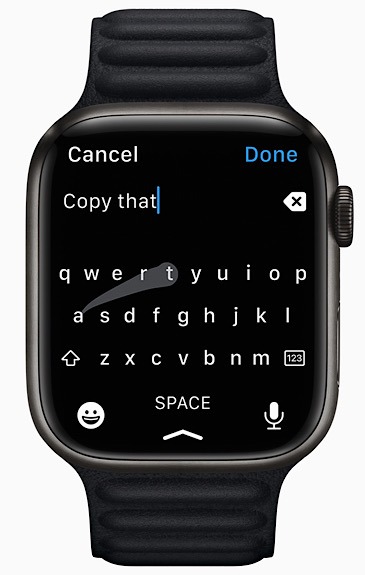
I will say this about the similarity: I bought my Apple Watch in 2020. FlickType was the first app I downloaded specifically for use on my Apple Watch. I didn’t end up using it, though, preferring to use the watch’s default writing methods. But watching the Apple event, I thought, “Wow, that looks just like the app I downloaded. I wonder if I will like that better.”
For all of his disgust with the process, his lawsuit, and his struggles, Eleftheriou did say he is looking forward to the improvements at the App Store with regard to the review process and the keyboard API, which he claims has many issues. He’ll resubmit his iPhone app once more progress is made at Apple. Interestingly, he’d also like to see developers get access to their history of rejections.
The story definitely gives Apple users and developers much to think about.
If you have trouble seeing the text on your Apple Watch, learn how to increase the text size. Are you looking forward to buying the Apple Watch 7? If you’ll be selling your old one, learn how to unpair and erase your Apple Watch.
Image Credit: Apple Newsroom and FlickType on the App Store