
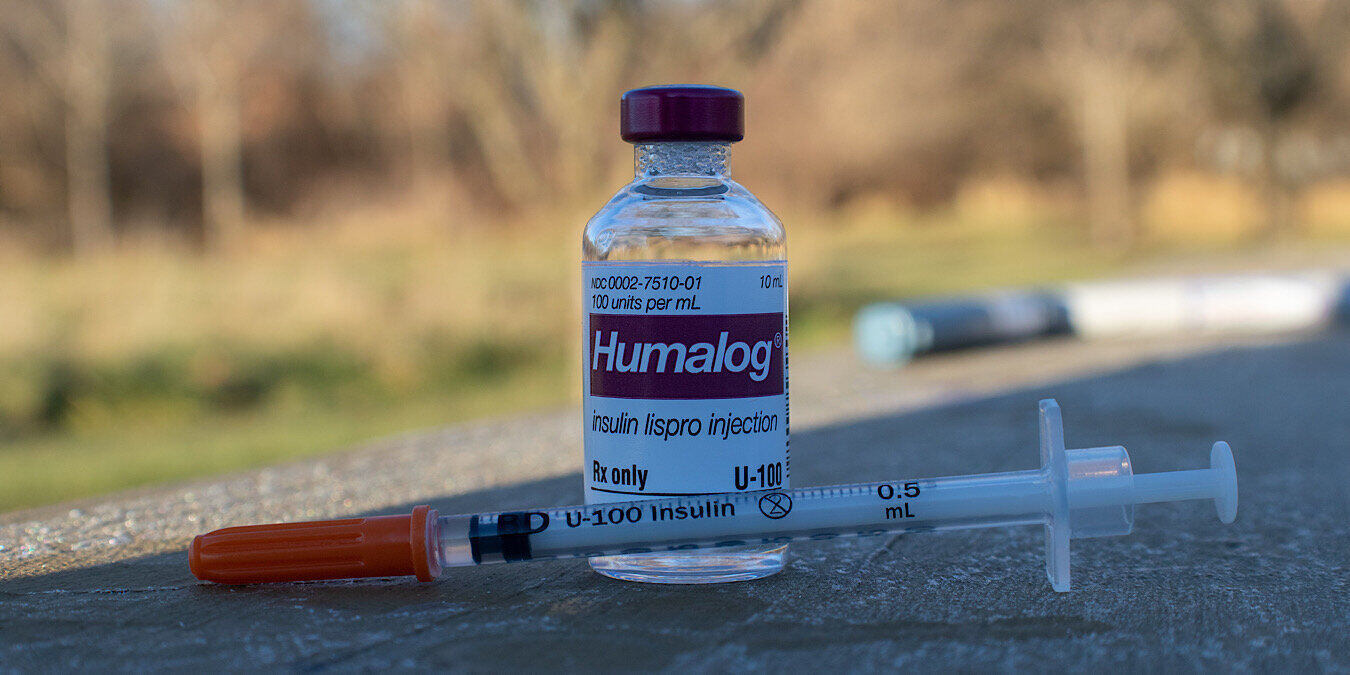

At one point, people with diabetes were strapped to their syringes to deliver much-needed insulin. It was a whole new world once insulin pumps were introduced. Now the game is changing again: a company that markets a pump has also developed a mobile app that will help diabetics control the delivery of insulin to their bodies.
Also read: Consumer Electronics Industry Rising Because of Global Health Crisis
Insulin Smartphone App Coming Soon
Tandem Diabetes Care is accustomed to firsts. With its Control-IQ technology in 2019, it received the first interoperable automated glycemic controller designation. Before that, it was the first to earn an alternate controller enabled infusion pump classification and had the first insulin pump to be designated to be compatible with integrated continuous glucose monitoring devices.
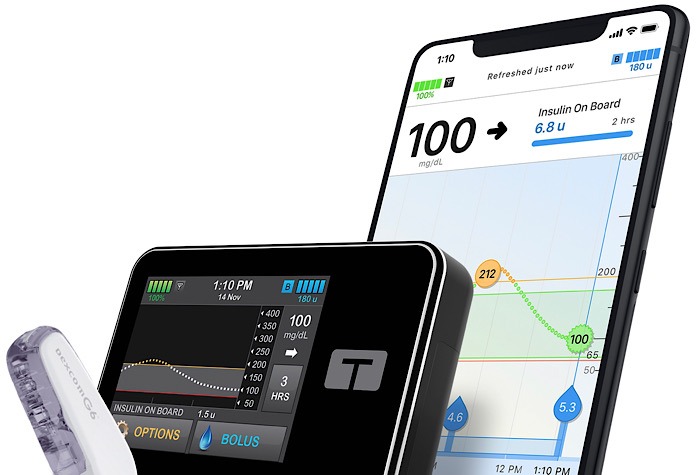
And now, Tandem is breaking ground again. It has developed the first mobile app that will deliver insulin to diabetics who are wearing one of the company’s pumps.
It will allow diabetic patients much freedom: they won’t have to reach under their clothing to fiddle with their pumps. With this mobile app, they’ll be able to control when they get more insulin on their Android phone or iPhone.
John Sheridan, the Tandem Diabetes Care president and CEO said, “Giving a meal bolus is now the most common reason a person interacts with their pump, and the ability to do so using a smartphone app offers a convenient and discrete [sic] solution.”
When the mobile app is released this spring, Tandem said it “will be offered in the United States for no additional cost to new t:slim X2 insulin pump customers and to in-warranty customers through a remote software update for the t:slim X2 insulin pump and the updated t:connect mobile app.”
The mobile app will show the patients’ pump information, which will allow them to get the information much more privately. It will also show glucose trends and pump status changes and alarms. All of this data will also be uploaded securely to the cloud.
While the app will be offered on both iOS and Android smartphones, you have to think it has Apple salivating and trying to make it proprietary. It would fit in well with the direction the wearable is moving toward health. Maybe there’s a way it could work the mobile technology into the Apple Watch.
Availability
But maybe thoughts of working with the Apple Watch is jumping the gun. According to Tandem, the app won’t even be compatible with all smartphones when it’s released.

“To ensure compatibility, Tandem verifies each combination of device and operating system works as intended to program and cancel a bolus from your smartphone. This means that not every smartphone will be able to use the bolus feature within the t:connect mobile app,” said the company.
After Tandem releases the mobile app in a few weeks in a series of “limited launch groups,” there wil l be an “expanded launch” later this summer. This is when most will get the opportunity to see it, as “limited launch participants have already been selected.”
While you wait for this app to be available, check out the top 10 mobile health apps
Image Credit: Tandem Diabetes Care