

Previously, if you wanted to watch Apple TV+ on a mobile device, it was iPhone or nothing. Android users are finally getting Apple’s streaming app, which could mean even more subscribers for the service.
Apple Held Out For Years
Apple TV+ launched in late 2019 and kept the service off Android phones until this week. The only way Android users could watch Apple TV+ on their phones before now was to stream on Apple’s site through their favorite browser. Not exactly a convenient method, but at least it was a workaround.
Now, the Apple TV app is finally available in the Google Play Store. If you don’t see it just yet, be patient as it may take several days for it to roll out everywhere. At the time of writing, the app had already been downloaded over 50 million times, though users haven’t left any reviews yet saying if there are any glitches for Android users.
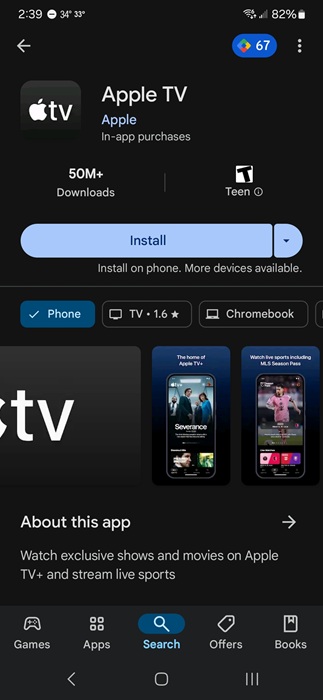
Another bonus is Android users will also be able to use Google Play billing to subscribe to and pay for Apple TV+ and Apple’s MLS Season Pass. Even though the Apple TV app was available for Android TVs already, users still had to go through Apple to pay for everything versus Google.
According to Apple, the iOS and Android versions of the app should be the same. However, Android users won’t get alerts about new episodes or movies just yet. If you have an Android TV, you’ll see notifications on your TV.
Why The Sudden Change
After refusing to create an Android app for over five years, why would Apple suddenly launch one now? It’s all about subscribers.
Originally, Apple TV+ struggled to take off, forcing the service to bring in existing shows to mix in with original content. Despite how well received the original content was, the library just wasn’t large enough to keep subscribers interested.
Since then, Apple’s added numerous original shows and movies along with a growing library of non-originals. But, with streaming services increasing in price every year, viewers are more picky than ever about which services they choose and try to find ways to save money on streaming.
In the US, iOS is the most popular mobile operating system with around 58-percent of smartphone users. But, Android makes up around 42-percent of mobile users, which is still a significant number. Worldwide, though, Android has a nearly 73-percent market share.
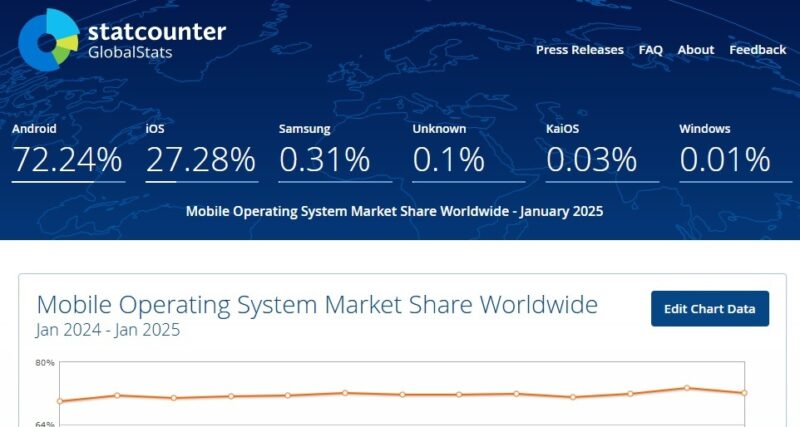
Apple wants to take advantage of the Android user base by making it more convenient to access the Apple TV+ service. This is a smart move on their part as many users watch streaming services on the go. I know I’d personally be more willing to subscribe to a service with an official Android app than one that didn’t have one.
This is just the latest way Apple is trying to boost subscribers. In early January, Apple offered a free weekend to everyone with no credit card required. You just had to create an account and start watching.
It’ll be interesting to see just how many Android users subscribe to Apple TV+ for the first time thanks to the new app.
If you subscribe to multiple services, including Apple TV+, use these sites to quickly see who has your favorite shows and movies.
Image credit: Unsplash