
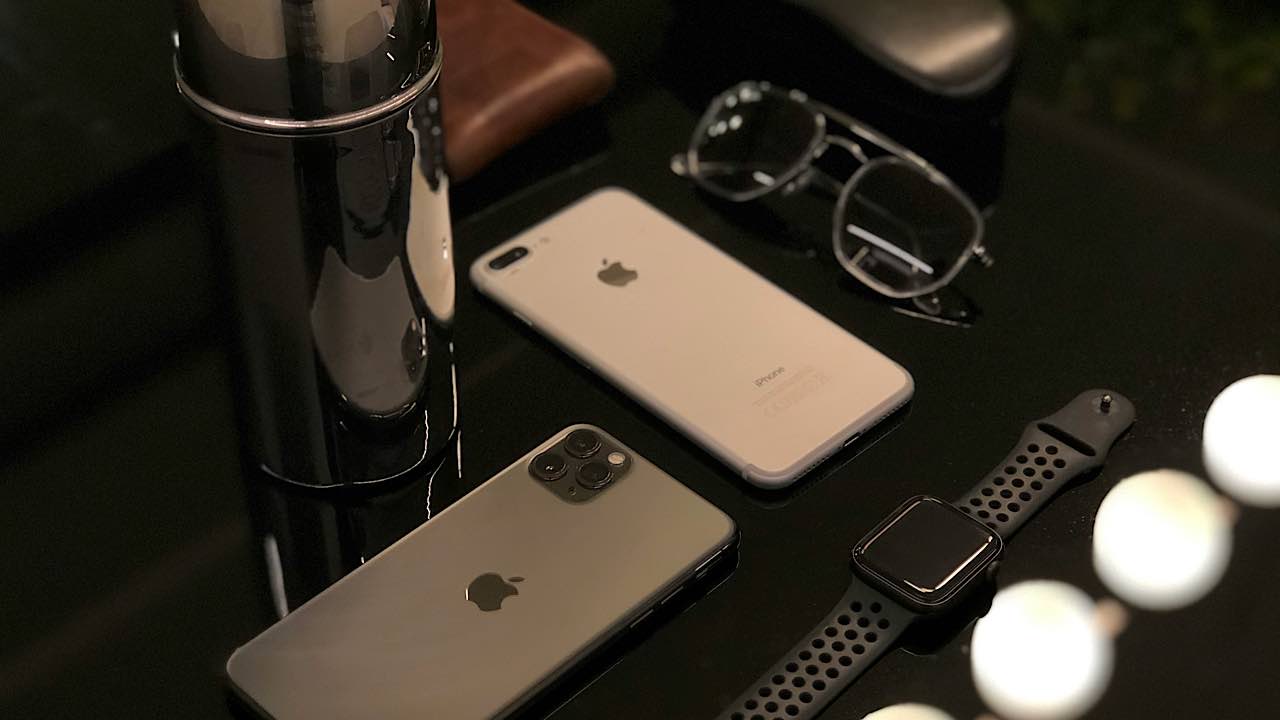

Many investigations have been hampered by criminals leaving their locked iPhones behind, with the police having no way to access potential evidence. Is it possible that Apple added a feature to iOS 18 to have iPhones reboot nearby older iPhones to foil police attempts at access?
iPhones Quietly Reboot in Police Lab
Apple’s security has been notorious, especially with iPhones used in crimes. There have been many lawsuits against Apple to force them to provide a backdoor for authorities. One police agency believes Apple has found an additional way to lock them out of iPhones and has warned other authorities and forensic investigators.
A document by a digital media company states that a Detroit, Michigan, digital forensics lab had several iPhones in AFU state reboot. This simply means the phone has already been unlocked at least once. This lot included some iPhones in Airplane mode and one in a Faraday box.
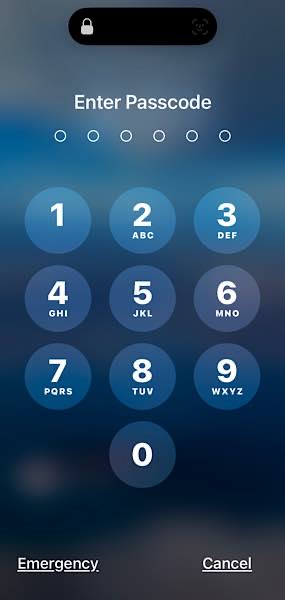
The authorities believed when an iPhone running iOS 18 restarted from AFU and other iPhones consequently did as well, that a feature Apple built into iOS 18 allowed this – an iPhone running iOS 18 communicates to the other phones to wake them up and put them in BFU (before first unlock) to make it harder for the police to break into them in forensics.
This belief was taken even further than just the iPhones that were in the lab in AFU – the police officers believe the iOS 18 phones can also reboot the personal iPhones that belong to the authorities working in the lab.
FYI: check out these tips to improve your iOS 18 Photos App experience.
A Simple Explanation for This
If you have an iPhone, you may be worried at the moment. It appears that any nearby iPhone running the latest OS can reboot your phone. Yet, keep in mind that the way the phones are being rebooted actually makes it tougher for anyone – police officers or cybercriminals – to access the phone’s contents.
Before you panic and start researching how to get iOS 18 off your phone, a security researcher has solved the mystery. Apple 18.1 does include “inactivity reboot.” While the forensics experts believed the rebooting happened when iPhones were in a certain state, that’s not really the case.
Inactivity reboot is “implemented in keybagd and the AppleSEPKeyStore kernel extension,” reported the researcher.
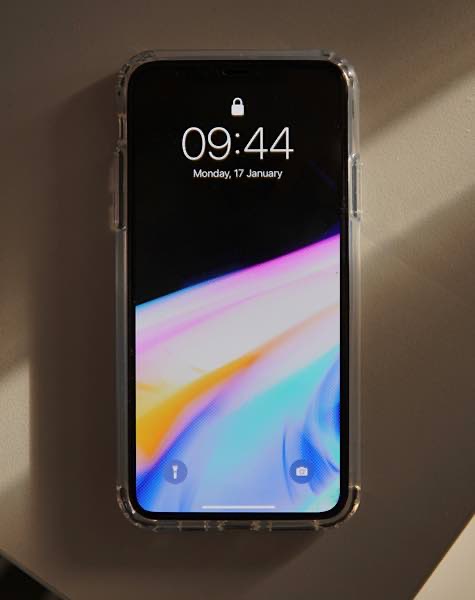
Simply put, the iOS 18 feature kicks in if your iPhone has been in a locked state for some time. It will automatically reboot the phone and put it in BFU. This is a safety feature assumably not for keeping forensic experts out but to make it harder for criminals to get in.
Good to know: if you have a new iPad Pro M4, it also has a security indicator built in: a secure indicator light.
Keep this in mind if you see your phone suddenly restarting. It’s not cybercriminals taking over your phone and isn’t another phone doing it either. It’s just Apple making your phone a little safer with a new iOS 18 feature.
If you’re not one to turn your phone off and are worried about security, know that the NSA suggests that you turn your phone off weekly for security reasons.
Image credit: Unsplash. Screenshot by Laura Tucker.