

The consumer electronics industry seems to be caught in somewhat of a Catch-22. While the global health crisis has led to a big increase in sales in the industry, it can’t even celebrate the way it certainly wants to at CES 2021. The show’s been forced to be held virtually. The question is whether the trend will continue once everyone feels more at ease leaving their homes.
Consumer Electronics Sales Growth
The sponsor of the the annual CES, the Consumer Technology Association, announced figures showing the consumer electronics industry in the United States should grow 4.3 percent to $461 billion. This is mostly due to people being bound to their homes buying gadgets to work at home, take on remote learning, and stream entertainment instead of hitting the theater.
“As millions of Americans remain home and rely on tech to stay entertained, connected, and healthy during the pandemic, streaming services, 5G connectivity, and digital health devices will stand out in the tech sector in 2021,” CTA said in its announcement.

The expectation is that software and streaming sales will grow 11 percent this year, though this increase is still much less of an increase than the 31 percent that was seen last year. Video streaming is expected to grow 15 percent, audio streaming 19 percent, and video game sales 8 percent.
Hardware is a mixed bag. It’s expected video game console revenue will increase 16 percent. Yet, there should be more modest numbers for televisions, with 8 percent, despite shipments setting records in 2020. Revenue from those sales is expected to fall to just 1 percent, with people opting for larger sets. Sales on sets over 70 inches is expected to increase 6 percent, while 8K ultra high-definition sets expected to increase a stunning 300 percent.
Myself and many others in 2020 chose to pass up wired headphones and earbuds and go with wireless options for the first time. This is expected to continue with an expected growth of 32 percent this year, with revenue up 16 percent. Another fast-rising area of consumer electronics will be in the health and fitness category. Electric bike sales are expected to be up 60 percent in units and 44 percent in revenue.

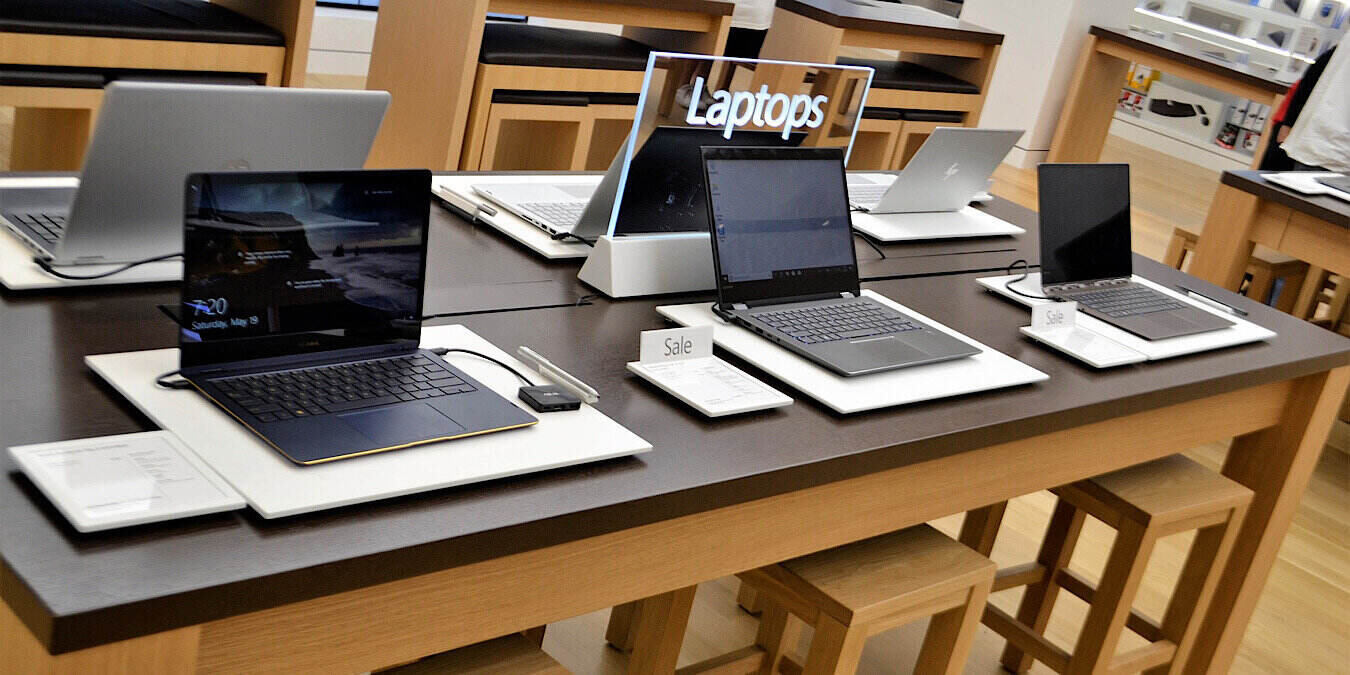
There was a actually a laptop shortage in the U.S. in 2020, with many clamoring for at-home options for work and school. Still, CTA expects the sales to be moderate this year, with only a 1 percent projection in sales and revenue actually falling 2 percent.
Outlook
The million dollar question here, or rather billion dollar in this instance, is whether this trend will continue once the global crisis is finally in the rear review mirror, especially with some sales slowing down while others are skyrocketing.
It’s possible that it’s awoken something in consumers and that they just have no interest in going back. There are some who are so happy to be working from home that they are vowing to never return to working outside the home. They’re also happy to be doing all their shopping from the comfort of their couch.

However, there are also the changes that have been made to education – changes that parents and teachers are just not comfortable with at this point.
That leaves the question of what will happen to the consumer electronics industry. For the time being, however, it looks like it will continue its rise.
Read on to learn about one of the earliest products announced at this year’s Consumer Electronics Show, Lenovo’s smartglasses, ThinkReality A3.