

At a time when the U.S. and U.K. are loosening COVID restrictions greatly, China seems to be going in reverse. While the threat to human lives is tragic, it’s also having an impact on the tech world, just as it did in 2021. Troubling COVID numbers have caused Chinese authorities to shutter the Foxconn factory and the rest of Shenzhen, possibly delaying the next iPhones.
Also read: New Smartphone COVID Test – But Only for Samsung Galaxy S9
COVID Still Affecting Business in China
Chinese authorities ordered the population of 17.5 million into a lockdown because of COVID fears. Foxconn, the top manufacturer of iPhones, is powerless, waiting for word of when it can open again.
Shenzhen ordered the city into lockdown after 66 new COVID cases were reported on Sunday. This added to prior cases to equal more than 400 in less than a month. Authorities expect the lockdown to last a week and will then test each resident three times.
China had done well keeping COVID under wraps. While the coronavirus started in Wuhan in late 2019, the country required lockdowns and much testing to keep the deadly virus at bay.
Foxconn must have known COVID could become problematic. It said after being forced into the lockdown that it had “adjusted our production line to minimize the potential impact” and that it was utilizing its “diversified production sites in China.”
Another large iPhone production facility exists in Zhengzhou, a city not on lockdown at this point. It hasn’t had a troubling number of COVID cases since January. So hopefully, Apple will be able to rely on this factory until Foxconn is back in business.
The Yantian port in Shenzhen sees about 90 percent of China’s shipments of electronics pass through its docks. Last summer’s COVID outbreak shut down the port, causing many tech delays, including iPhones. While there were concerns the iPhone 13 would be delayed a month or so, it was really only delayed about a week.
Shipper Maersk said it was still “in the process of figuring out the impact” of the Shenzhen lockdown, though Yantian said it is operating normally.
Shenzhen is at more risk than other Chinese cities. Its neighbor is Hong Kong, which is experiencing 30,000 COVID cases a day, its worst outbreak so far with COVID. In fact, a Shenzhen health official blamed Hong Kong for his city’s newest cases.
It’s unknown when Shenzhen will reopen, but there’s hope that it will be on March 20. A Foxconn spokesperson pointed to a COVID-19 policy and said, “The date of factory resumption is to be advised by the local government.”
The spokesperson added, “We have required all the employees to have [a] COVID PCT test on top of existing prevention measures to ensure the health and safety of our employees.”
COVID Suspending Other Tech Companies as Well
The recent COVID outbreak has affected other tech companies outside of Foxconn. Shenzhen is also home to Huawei, Tencent, and DJI, so it’s likely they will all be closed as well.
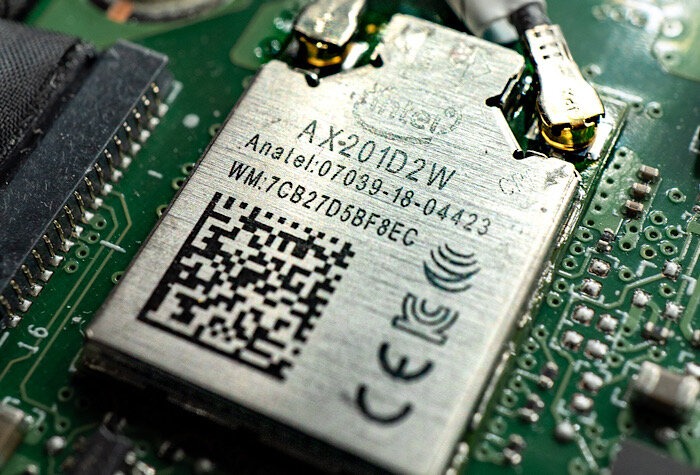
A major Intel supplier, Unimicron Technology, has also shuttered its production doors temporarily. The company also supplies Apple and Sunflex Technology Co. Ltd., maker of flexible printed circuit boards.
However, a Reuters source said the Chinese government, facing more cases so far in 2022 than in all of 2020, was allowing companies to remain open if they could operate in a “closed management” system with employees required to live and work in a bubble, similar to the system in place during the Beijing Olympics.
Already facing issues getting materials because of COVID restrictions, a Dongguan factory owner talked about the forced shutdown: “Hopefully, they will let us carry on with production soon.” He added, “There’s not much we can do. The whole world has moved on except for China. They should just let go of the zero-COVID strategy.”
It seems like most are eying a quick end to the COVID lockdowns of Foxconn and other factories and offices, so it’s possible iPhones and other tech products won’t be delayed much at all. However, if you’re looking for a folding iPhone, it looks you may have to wait longer than this fall.