
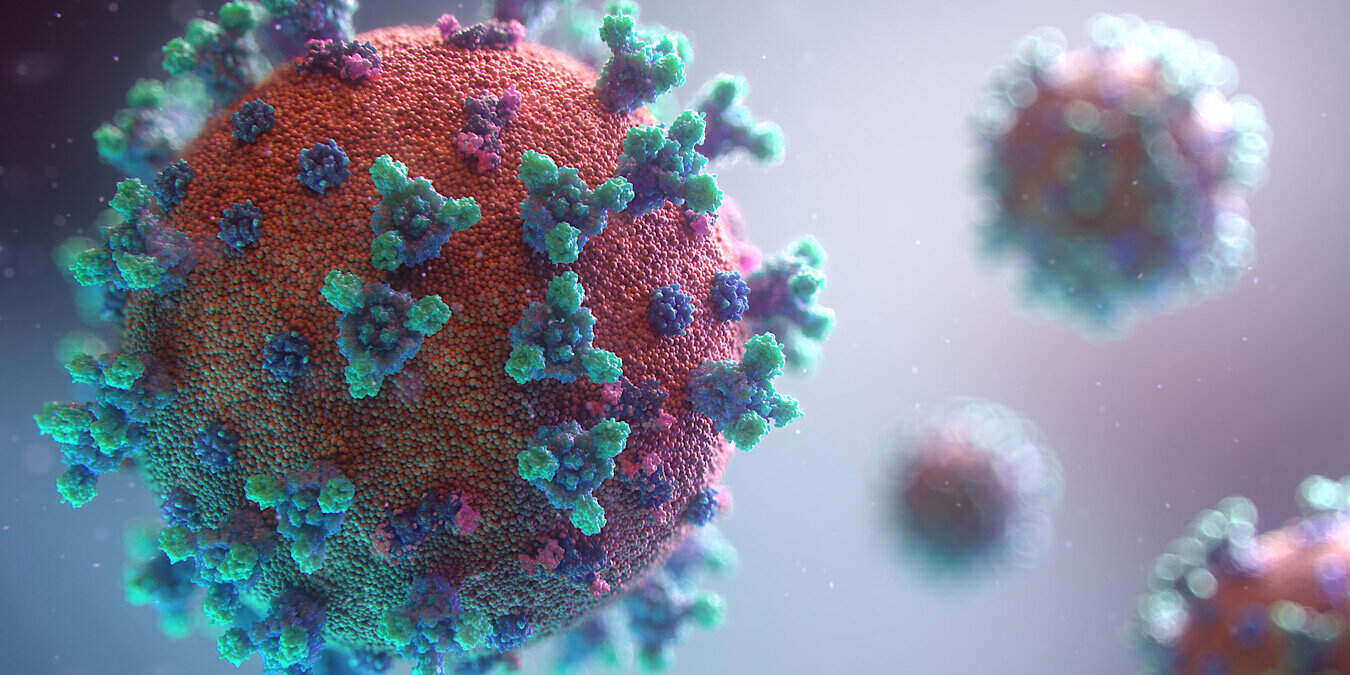

COVID testing has always been problematic: from the beginning, it took several days to get results, and throughout, there have been availability issues. What if getting a COVID test was as easy as using your smartphone and as accurate as the best test out there? It’s not as far-fetched as it sounds, as a COVID smartphone test is already in the testing phase.
Also read: Android Users Hit with TangleBot Malware Disguised as COVID Messages
Current Testing Methods
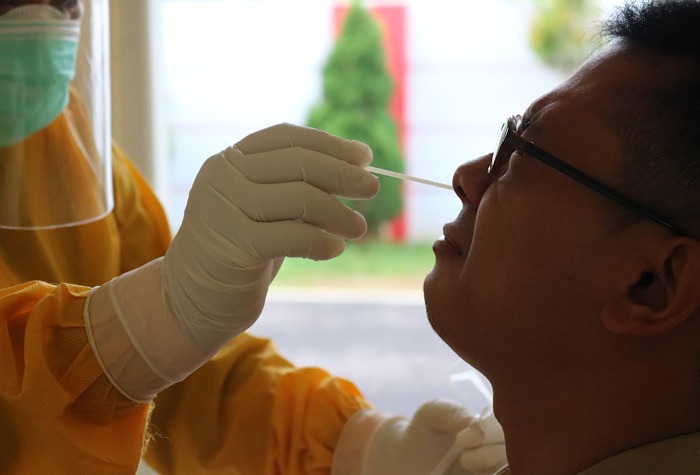
The first thing to know about COVID testing is that there are two kinds of tests: rapid antigen and PCR. The rapid is easier, as the recipient can do it themselves by swabbing the inside of their nose, and the results are known within 15 minutes. However, it can be less accurate.
The PCR is more accurate, yet the results can take three days, and sometimes the sample is taken by inserting the swab far up the recipient’s nose, making it very uncomfortable.
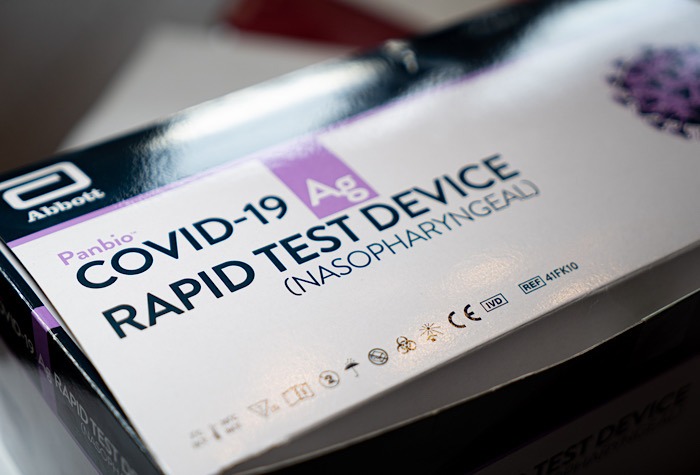
The one time I needed a COVID test, I did an at-home test and could perform the test myself in the comfort of my own home with a medical professional observing via a connection on my iPad.
This was inconclusive, so I had to retake it at a testing center. On a holiday weekend, many places were shut down, so it was not easy to find an open testing center, and there were no more at-home tests on the shelves anywhere due to omicron being at a heightened level. They did both the rapid antigen and PCR, so a quick result and a more accurate result. Luckily, I was negative.
Later, my daughter tested positive via a rapid antigen test, but she needed a negative PCR test to be allowed to go back to work. Omicron was still affecting availability, so she had to drive quite a ways to find a PCR testing place. R
Smartphone COVID Test
But it could have been easier for both of us with a new technology now being tested. It’s now possible to get a COVID test via your smartphone. Better yet, it’s nearly as fast as a rapid antigen test and as accurate as a PCR test.
And it’s cheap to boot. “We have no financial interests. The app and technology are open source and freely available to all. The test kit is reusable,” explained the lead author of the study, Michael Mahan of the University of California, Santa Barbara.
The rapid antigen tests look for a protein present in the sample to show the virus is present, while the PCR amplifies the genetic material. The smartphone COVID test uses loop-mediated isothermal amplification, also testing for viral genetic material through amplification of the RNA.
Testers need their smartphone and a test kit and combine a solution with their saliva, then place it in a cardboard box in front of an LED light to identify viral RNA. A positive result turns the light red within 25 minutes when the smartphone’s camera is pointed at the LED lights.
Lab-based results have been compared to the smartphone results of 50 patients who’ve been hospitalized.
“As new COVID variants emerge globally, testing and detection remain essential to pandemic control efforts,’ added Maham. “Nearly half the world’s population has a smartphone, and we believe that this holds exciting potential to provide fair and equal access to precision diagnostic medicine.”
Availability
The all-important question other than accuracy is availability since that seems to be the lingering hangup with the other tests.,
While sometimes rapid antigen and PCR tests are free, many times they can cost $150 or more. At-home tests can cost around $50. It all depends on supply and demand in an era where toilet paper can quickly become a hot commodity. The smartphone COVID test is just $7.
The biggest drawback, however, is that the new test only works with Samsung Galaxy S9 smartphones, despite it being older technology on a four-year-old handset. It just happens to have the right camera system to work with the app. Hopefully, newer phones will be added in the future.
Read on to find out what else we have learned during the COVID pandemic.