

There have been many iOS releases that Android users pointed to and said, “Big deal. Android already does that.” Now the shoe may be on the other foot. Android 13 started rolling out to pixel devices starting Monday, with other devices expected to see it later this year. Google published a list of its “top 13” features of Android 13, and most are already part of iOS or will be on iOS 16 in its release not month.
Also read: Top 8 Android and iPhone Keyboards With a Number Row
Google’s “Reasons to Love Android 13”
The following is a look at the top 13 reasons Google provided to “love Android 13.”
- Customization seems to be the favor of the hour. Android users can now customize third-party apps to match the wallpaper theme on their home screen. There was a workaround to do that via shortcuts on iOS, but it was only creating aliases and just not worth it. Meanwhile, iOS 16 will allow iOS users to customize the look of their Lock Screen, something Android users can already do.
- Android 13 users can set different languages in individual apps while keeping the system’s language in a preferred language. Researching this, I was interested to learn that this has been an iPhone option since iOS 13. I just never had an occasion to use it but can see now that it would be extremely useful.
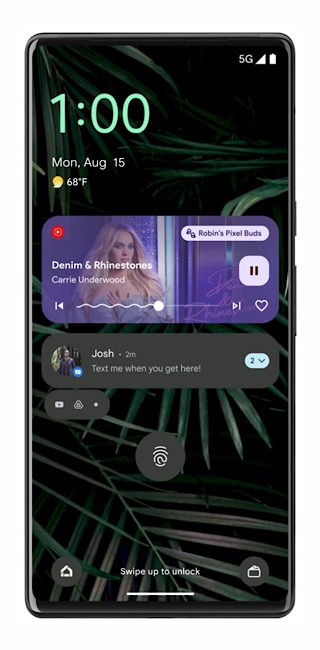
- The Android media player will change its look and feel to better match what you’re listening to. This includes album artwork and a dancing playback bar. I’m assuming it’s more amazing than it sounds, but it’s reminding me of the old iTunes graphics that excited me 20 years ago.
- A bedtime mode will allow you to customize your Android with a dimmed wallpaper and dark theme when it’s time for you to go to red. Maybe it’s not explained very well, as this sounds like a feature iPhones have had for a few years.
- Limited photo and video sharing with apps is another existing iPhone feature. Android users can now limit the photos and videos to just a select few they approve to be shared to other apps. I use that feature on my iPad every day.
- Sensitive information on your clipboard is now more private and will be cleared from the clipboard’s history after a certain amount of time. Likewise, iOS 16 forces you to approve an app using your clipboard information when it’s the first one you open after copying the information. Yet, it has always only kept any information for a short time.
- Apps also need your approval to send notifications, but that’s been a part of iOS for years. I’m really surprised that’s not already an Android feature.
- Apple just added Spatial Audio, and now Google is adding it to Android 13 too. This allows for a more realistic sound that will work with your head tracking to appear to be coming from all directions in the room. It’s a newer feature for both systems.
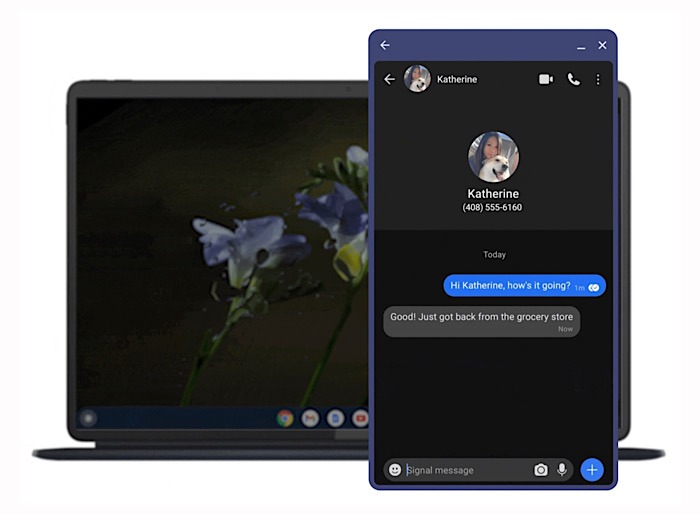
- If you’re chatting on your messaging app via your Android, you’ll soon be able to stream the conversation to your Chromebook. iPhones, iPads, and Macs have the ability to continue the conversation through iCloud. I just can’t imagine only being able to message on my iPhone and not being able to pick up the same conversations on my iPad.
- Bluetooth Low Energy (LE) Audio is a newer technology that improves the audio you hear through connected Bluetooth devices. Even before that was developed, Apple had a similar technology it used with the same results. Yet, LE Audio is universal. This is similar to the fight Google is having with Apple over using iMessage instead of the more universal RCS.
- Cross-transferring of photos, text, URLs, etc., is coming to Android 13 after having been an Apple feature for some time. It’s another feature that just doesn’t seem revolutionary.
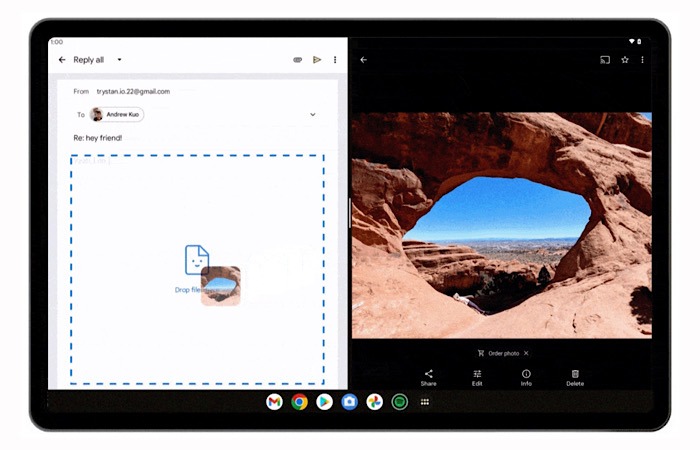
- It’s well-known that Google wants to kickstart its tablet lineup again. But it seems like it will need a little bit of catchup to reach the iPad. Android 13 will allow you to see all your apps and drag and drop one into split-screen mode. Apple has been doing split screen for a while and is moving beyond that with iPadOS 16’s Stage Manager feature. Then again, it’s reportedly struggling with Stage Manager, delaying the release of iPadOS 16 to October.
- Continuing on the tablet catchup, Android 13 will recognize the differences between your palm and a stylus, which is, of course, something iPads have been doing. It again doesn’t seem revolutionary.
Final Thoughts
Looking at these 13 new features, you can see why I was surprised that this was what Google is offering Android users in 2022. Of course, the new iPhone features could be viewed in the same light.
But maybe that’s what it comes down to. Perhaps we have reached a point in 2022 where technology isn’t going to thrill or surprise us anymore. Or, maybe Google and Apple need to try a little harder in 2023 to bring some innovative features to the table.
Read on to learn about Google bringing drag and drop to Workspace on tablets.
Image credit: Wikimedia Commons