
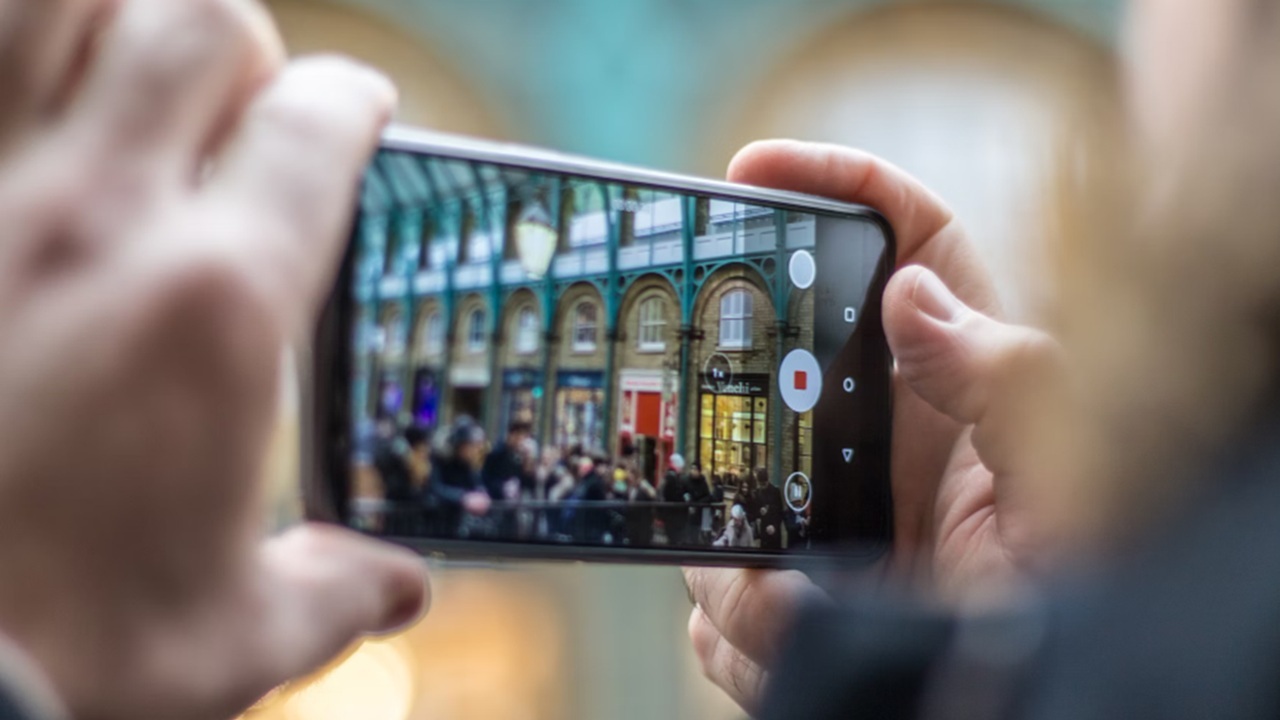

While your smartphone camera’s hardware is vital for taking great pictures, the software is just as important. The upcoming Android 16 is designed to boost your camera’s features, giving you more professional-looking photos.
Second Round of Android 16 Beta Goes Hybrid
Overall, the first round of beta testing for Android 16 wasn’t that impressive. Sure, it had a few changes, but nothing that madern me want to upgrade immediately. But the second round of beta testing introduced a variety of professional camera features that even amateur photographers like me are excited about.
I’m still learning everything my Android’s camera can do in manual mode. I’d love to be able to use a mixture of manual and auto to help me get better shots. For now, Android 16 offers hybrid camera mode. Google has named this hybrid auto-exposure mode.
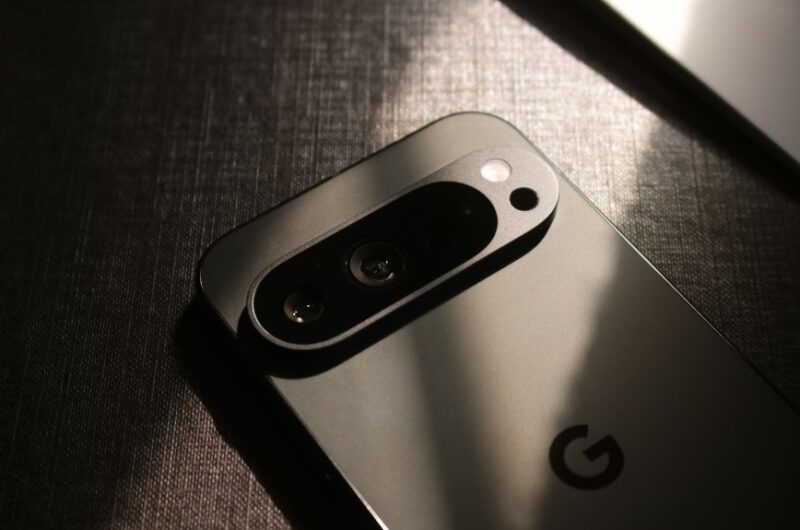
What this means is that you can tinker with some of the manual settings, such as the ISO, then switch to auto to generate all of your other settings based on your subject and environment.
For aspiring photographers, it’s a less intimidating way to learn. For professionals, it’s faster than needing to tweak every setting manually.
Also, you’ll have more tint and color temperature adjustments. Let’s be honest: Android 15 doesn’t give you much to work with in terms of color temperature. The Android 16 beta introduces more precise adjustments to get more realistic, or creative, results.
Improved Motion and Image Processing Too
HDR (high dynamic range) photos are already supported in Android 15, but the Android 16 beta offers support for UltraHDR, giving your photos a far more dynamic range. Plus, these photos will use the HEIC format, which isn’t quite as storage-hungry as some other image formats.
While it’s not currently being tested in the beta, Google has said they plan to add the AVIF format for UltraHDR later on. Overall, expect image processing to look far better than it does on Android 15, and that honestly was already impressive.
If you love to shoot motion photos, you now have a few more options. These intent actions mix short videos complete with audio, along with groups of still images. You also have full control over where motion photos get stored on your device.
Beta Testing Only for Pixel Users
Want to try these new features? You have to own a Pixel 6 or later and enroll in the Android Beta Program. The Android 16 Beta 1 is currently available to most testers, with the Android 16 Beta 2 rolling out gradually.
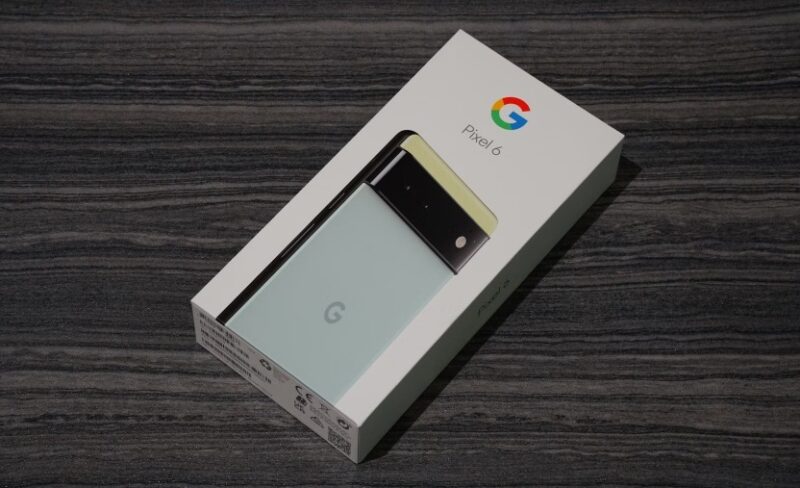
If you don’t meet these criteria, don’t worry. Google plans to release Android 16 during the second quarter of 2025, which should be around May or June.
Also, just because a feature is in one of the beta versions, doesn’t mean it’ll make it to the final cut. But I’m hoping these new photography features make it so that I can try them this summer.
Before you head out to take photos, check the weather with these great apps. And if you’re ready for a smartphone upgrade, learn why you don’t need the most expensive option.
Image credit: Unsplash