
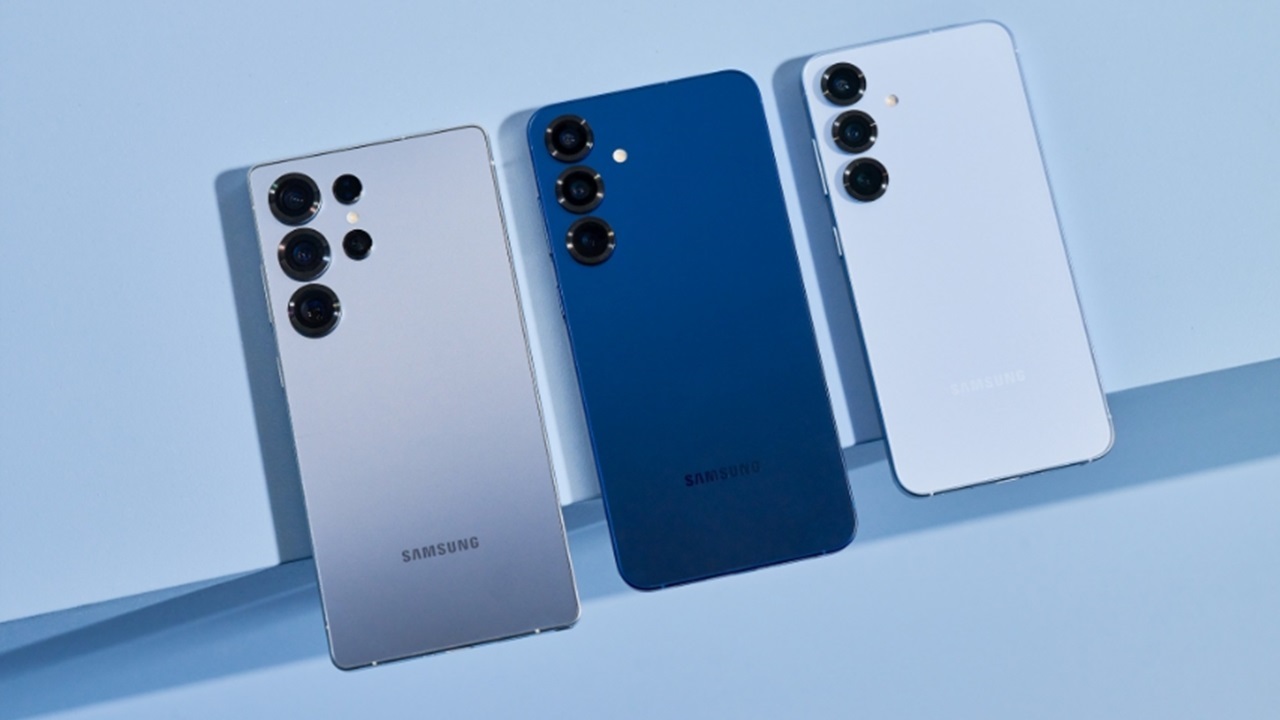

Samsung isn’t holding back when it comes to AI, showcasing the newest Samsung Galaxy S25 with what the company calls a “true AI companion.” With AI being the major feature of many upcoming smartphones, Samsung plans to lead the race.
Major AI Upgrades Front and Center
Samsung recently announced the newest members of its Galaxy line, the S25, S25+, and S25 Ultra. They’re designed to be direct competition with Apple’s newest iPhone 16 lineup. And, it shouldn’t be a major surprise that the main focus was on AI. After all, Samsung already announced more AI was coming with the launch of the Galaxy S24.
As you may already know if you own a compatible iOS device, Apple Intelligence is now available. To compete, the Samsung Galaxy S25 models now feature a more advanced and helpful AI assistant than before.
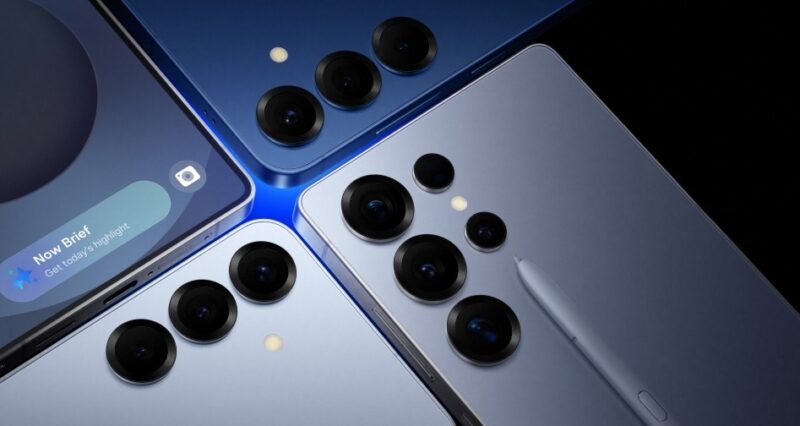
The introduction of multimodal AI agents along with the new One UI 7 will lead to a more natural experience using your phone with AI. It’s designed to understand text, images, video, and speech faster and more accurately. It’ll even add more advanced capabilities to Google’s Circle to Search feature, such as recognizing URLs, phone numbers, and more.
With Galaxy AI capable of understanding more context as you interact with things on your phone, you’ll also receive more relevant recommendations for next steps, such as sharing a picture after taking it.
You’ll be able to do most anything you need to do with just your voice. Change settings, find upcoming events and add them to your favorite calendar app, locate pictures, and play songs through Spotify. Google Gemini and Samsung will work seamlessly across various apps, making it even easier to control your Galaxy S25 with your voice.
Galaxy AI is being incorporated into nearly every aspect of the Samsung Galaxy S25 devices, including Call Transcript for organizing calls, Drawing Assist for creating images from prompts and sketches, and Writing Assist to format and summarize content without ever leaving the app you’re in.
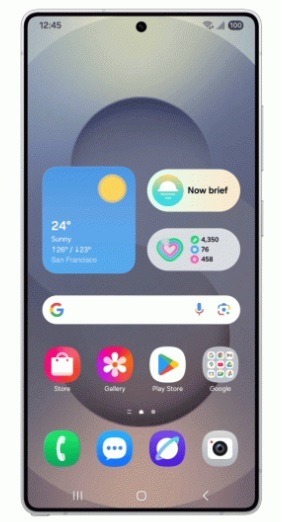
There’s also the Personal Data Engine, which analyzes your device to create a custom experience based on your usage. But, the most useful is likely the Now Brief, giving you updates from the apps you choose throughout the day within the Samsung Now Bar.
Hardware Upgrades Focused on AI Too
Overall, there isn’t much of a design change other than being slightly slimmer with rounded edges for a better grip. The Galaxy S25 line still features AMOLED screens with the same 120Hz refresh rate.
AI requires immense processing power, which is why Samsung focused hardware upgrades around the AI improvements. The most notable is the Snapdragon® 8 Elite Mobile Platform for Galaxy chipset. There’s even a larger vapor chamber to disperse heat better when using AI heavily or even gaming.
Of course, the CPU and GPU performance are noticeably improved over the previous line, which further support the AI features.
Samsung’s even incorporated AI into the new camera, featuring 10x AI optical quality zoom. This is in addition to the 50MP ultra-wide camera sensor. And, when it’s time to edit your photos, Galaxy AI’s there to help and make suggestions as well.
If you prefer Samsung’s folding devices, check out how AI’s incorporated into those. Or, see how Samsung added AI to their Bespoke refrigerator line.
Image credit: Samsung