
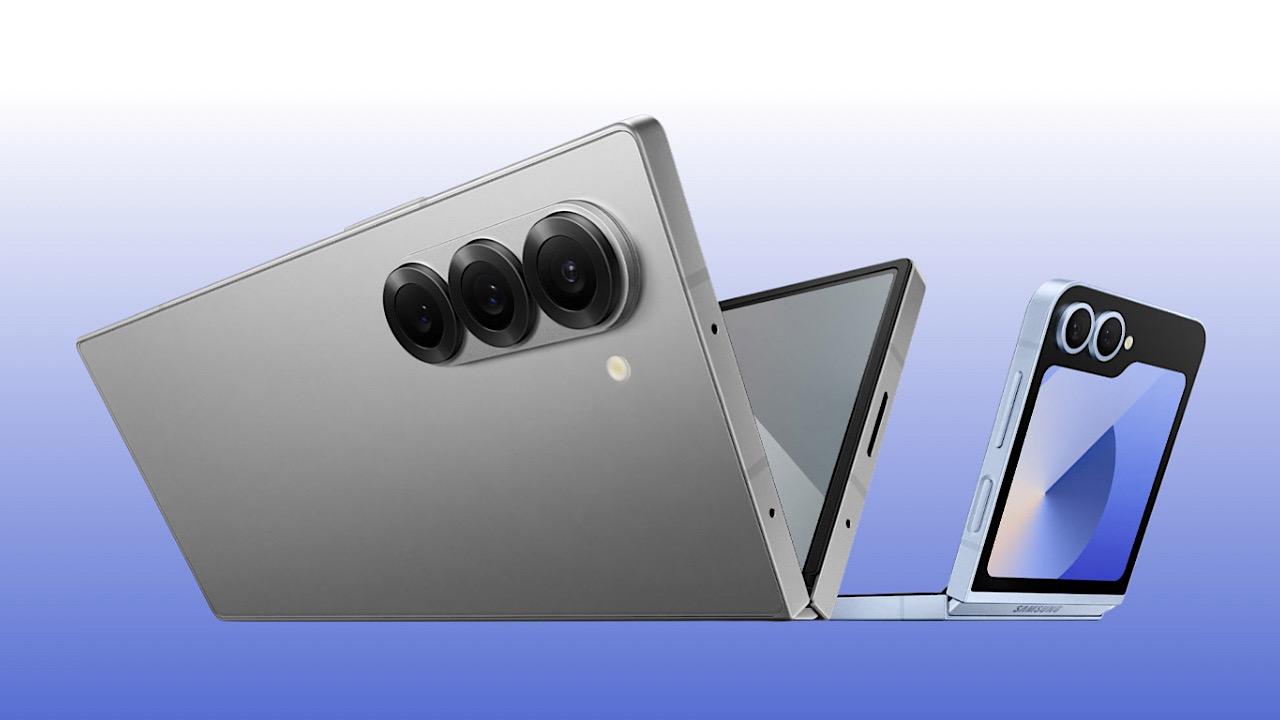

Samsung held its Galaxy Unpacked event with news similar to other technology vendors: new devices and extended artificial intelligence (AI). It also introduced a device just for Olympians.
FYI: learn about these helpful Samsung apps for all Android users.
Samsung Galaxy AI
Featuring into all the releases is Galaxy AI. Samsung is simply following its own path, and not necessarily others, with its Galaxy AI. It’s not a new feature for Galaxy devices, as it was initially released in April 2024. However, today it announced some expanded tasks for it, which should keep it inline with the others.
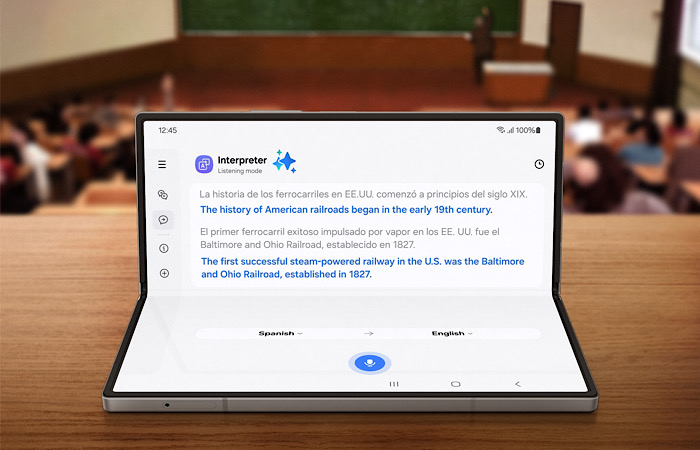
Note Assist will help officer workers transcribe and organize speech to text. This can be time-consuming to do on your own. As someone who did recapping early in my career, I can speak to that. But if you want to summarize what was said in your meeting, you can easily do it with Note Assist, which will even keep up to 10 speakers separate in the transcription. PDF Overlay Translation will do the same for PDFs.
Sketch to Image allows users with an S Pen to draw an image, and those without an S Pen to draw by hand. Galaxy AI will step in and create an image from the sketch. Circle to Search allows you to circle a sign or menu in a foreign language and have it translated. Even if it’s in a combination of languages, Galaxy AI will detect them and translate.
Samsung Galaxy Z Fold6 and Flip6
Just like most new smartphones, SAMSUNG’s new Galaxy Z Fold6 and Flip6 will make the best of AI.
Additionally, Samsung is calling these two phones the slimmest and lightest in the Galaxy Z series. The series has design improvements to make it more durable. A strengthened folding edge supports the dual rail hinge to better handle impact in case of a drop.
The crease has been improved as well, with enhanced layers that keep it strong. Added to the durability is Armor Aluminum and Corning Gorilla Glass Victus 2.
The most advanced Snapdragon mobile processor yet, the Snapdragon 8 Gen 3 Mobile Platform for Galaxy, will make the most of the CPU, GPU, and NPU.
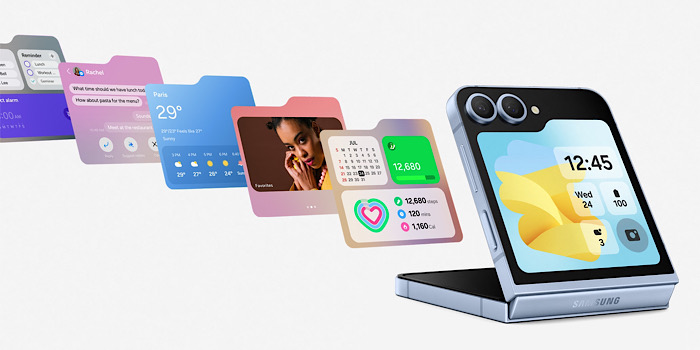
To go along with Galaxy AI, the phones are optimized for AI processing, with enhanced graphics and an improved performance. The Google Gemini app is also integrated into Galaxy AI. There are also improved AI capabilities for your photos and gaming. And you can access AI functions without even opening the device with the 3.34” Super AMOLED FlexWindow.
FYI: learn whether Bixby or Google Assistant is better for Samsung users.
Samsung Galaxy Buds3 Series
Even new Galaxy Buds3 and Galaxy Buds3 Pro will have improved capabilities, thanks to Galaxy AI. You can make use of Interpreter if you’re listening to a foreign lecture. Voice Command allows you to control functions without touching your earbuds or smartphone. There are also ANC features.
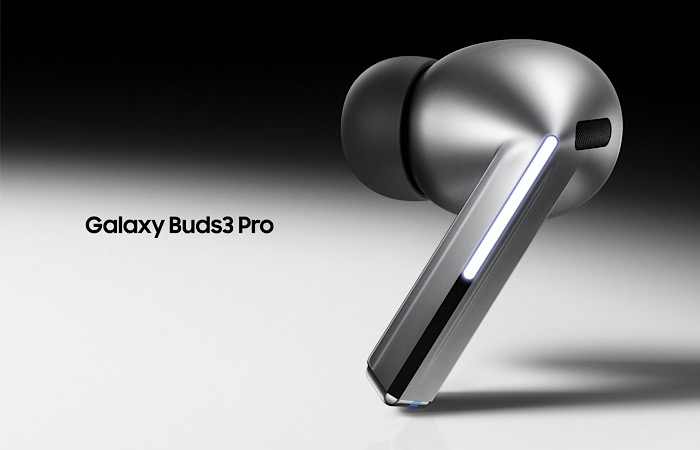
A new design on the earbuds promises a more comfortable fit, and Blade Lights are said to make them more sleek and modern. You can control them with the blade by pinching or swiping up or down. Precise high-range sound is brought via two-way speakers and dual amplifiers.
Samsung Galaxy Ring, Galaxy Watch 7, and Galaxy Watch Ultra
Galaxy AI will also feature prominently in the SAMSUNG Galaxy Ring, Galaxy Watch7, and Galaxy Watch Ultra, with a promise to enhance digital health. The Galaxy Ring offers health monitoring, tracking, and insights via your finger. The Watch7 tracks your daily wellness and workouts, and the Watch Ultra goes one step further.
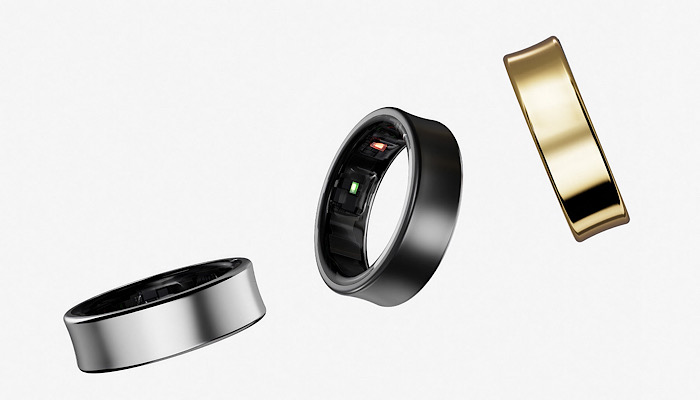
The Galaxy Ring is lightweight, and with a Titanium Grade 5 finish, it’s water resistant. Battery life will last up to seven days, thanks to a charging case. It also includes new sleep metrics, such as movement and latency. The Galaxy Watch 7 allows you to track over 100 workouts and offers the FDA-authorized De Novo Sleep Apnea feature. The Galaxy Watch Ultra allows a wider range of altitudes.
Samsung Galaxy Z Flip6 Olympic Edition
Samsung, as a Worldwide Olympic and Paralympic Partner, is producing an Olympic Edition of the Galaxy Z Flip6. This is a specific release for the athletes competing in the Paris Olympics this summer. It’s the first time a new product is available to athletes before it is officially released.
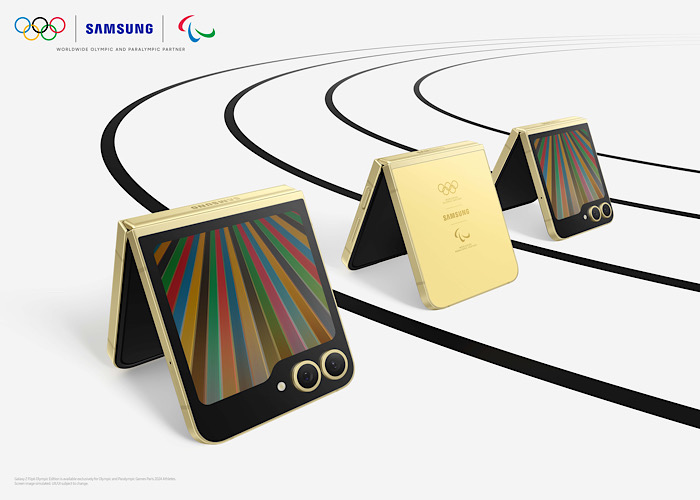
The Flip6 is yellow with the Olympic rings. The Flipsuit Case design was created by the same designer of Team France’s official outfits. Galaxy AI and helpful apps will be preloaded, with the hopes it will help athletes in their races for medals. There will be a Flip6 on the podium as well, so that athletes can take selfies as they receive their medals.
All devices, other than the Olympic Edition, are available for preorder, and general availability starting July 24. Before you buy one of these devices, are you wondering whether Samsung Pay is any good, or whether you should stick with Google Pay or Apple Pay. This guide compares the three.
Image credit: Samsung