


This one gets a little confusing. Essentially, researchers have developed a “virtual” virus to help beat back a real virus. Safe Blues is using Bluetooth to transfer the virtual virus between mobile devices to help track the COVID-19 virus.
The Development of the Safe Blues Virtual Virus
More than a year into it, the coronavirus health crisis seems to have paralyzed the world. There aren’t many who haven’t been affected in one way as another – either through the loss of a loved one, their own illness, their livelihood, or a life of fear.
Contact tracing has been used to track the spread of COVID-19, and now researchers are using further technology in an attempt to more accurately assess the virus spread.
Researchers with the University of Queensland, the University of Melbourne, and the Massachusetts Institute of Technology (MIT) are hoping to reduce the time frame between a person catching the virus and being diagnosed with it.
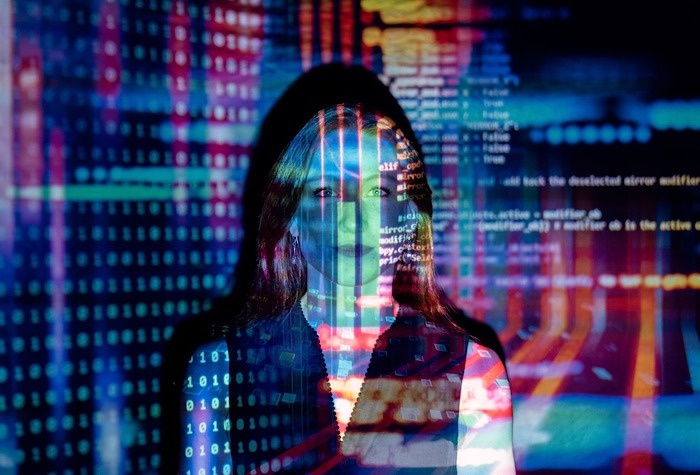
The Safe Blues program uses Bluetooth to transmit virtual “virus- like” strands between mobile devices. The intention is to mimic how COVID-19 is spread. Artificial intelligence is used to compare the actual infection data to the virtual virus.
The researchers explained, “Safe Blues offers a solution for real-time population-level estimates of an epidemic’s response to government directives and near-future projections.”
“Safe Blues strands are safe virtual ‘virus-like’ tokens that respond to social-distancing directives similarly to the actual virus. However, they are spread using Bluetooth and are measured online,” they continued.
“The relationship between strand counts and the progress of the actual epidemic can be determined using machine learning techniques applied to delayed measurements of the actual epidemic. This then allows real-time data on the Safe Blues tokens to be used for estimation of the epidemic’s current and near-future state.”
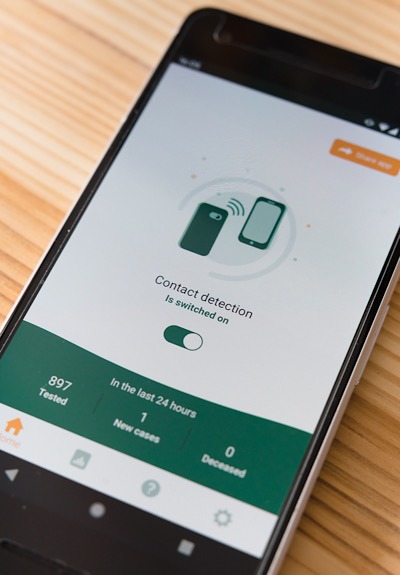
Experimental in nature, the researchers shared that protocols and techniques were developed into an app on Android devices with a server backend. This is very similar to the current process for contact tracing. One such example is the Apple and Google-developed Privacy-Preserving Contact Tracing framework.
Despite using similar frameworks, the researchers said they do not share a common goal. The Safe Blues virtual virus “does not record and store information about individuals and their interactions with the intention of mapping specific contacts.”
The information gathered by the virtual virus can instead be “thought of as a ‘proxy’ measure for aggregate physical proximity.”
“Along with retrospective information about actual case numbers, it can be used to train sophisticated machine learning (ML) models to estimate SARS-CoV-2 infection numbers as a function of the prevalence of Safe Blues strands. Real-time information on Safe Blues strands thus provides, via the ML projections, live near future estimates of SARS-CoV-2 infection levels and can feed directly into policy decisions,” the researchers said of their work.
Yet still, it was stressed that the Safe Blues data could be complementary to existing contract tracing.
Worldwide Effort
The effort to end the pandemic, or at the very least get it under control, is global, from research, to testing, to creating vaccines to frontline workers.
The virus has upended the travel industry. There is a demand, especially internationally, for travelers to test negatively before traveling. Qantas airline in Australia is using a digital health app on an international repatriation flight from Frankfurt, Germany to Darwin, Australia.
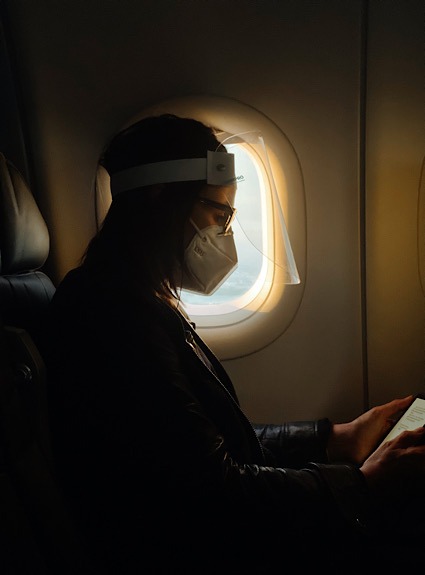
Travelers will be able to upload their testing results to the app before their flight. They’ll be able to upload vaccination details as well.
“COVID test results and proof of vaccine will be required in many countries for quarantine-free travel, just as it has been for polio and yellow fever vaccinations in the past. Even if it wasn’t a government requirement, Qantas has always been a leader in safety, and we have a responsibility to our customers and crew,” said Stephanie Tully, Qantas Group chief customer officer.
These are efforts all over to get the world back to “normal.” It seems like much of this is going through digital channels. Does that make you trust it more or less? Read on to learn how Microsoft became involved when it warned about a spike In cyberattacks of COVID-19 data.