

This is an announcement we all saw coming: Microsoft will officially retire the Internet Explorer desktop application in June 2022. It’s been a long, slow death for the web browser, but this seems to be the final nail in the coffin, save for a few instances where the browser will continue to live on. In the process, MIcrosoft Edge is being pushed as the heir apparent.
Microsoft’s Announcement About Internet Explorer
Microsoft dropped the announcement this week that it would retire Internet Explorer next year. While over the past year the company ended IE support for Microsoft 365 services, this time it’s losing even more.
One argument for ending additional support was made by extolling the virtues of Microsoft Edge, IE’s successor. The blog post explained, “The future of Internet Explorer on Windows 10 is in Microsoft Edge.”
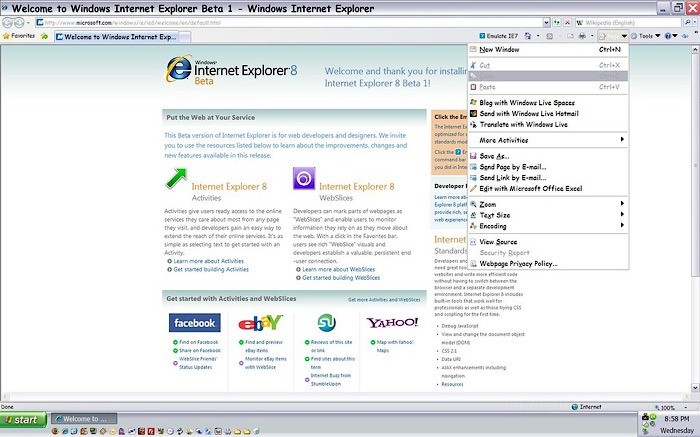
The newer browser was referred to as a “faster, more secure and more modern browsing experience than Internet Explorer, but it is also able to address a key concern: compatibility for older, legacy websites and applications.” Edge has Internet Explorer mode built in, with the intention that websites and applications based on IE would no longer be an issue.
For these reasons, Microsoft is retiring the IE desktop application on June 15, 2022, for certain versions of Windows 10. A few occurrences will not be affected: in-market Windows 10 LTSC, Server Internet Explorer 11 desktop applications, and MSHTML (Trident) engine.
Microsoft continued to sing the praises of Edge in the blog post. It referred to it as “a path to the Web’s future while still respecting the Web’s past” while noting that “change was necessary.” To push the idea of Edge being the right tool to replace IE, Microsoft laid out the reasons it believes that to be true.
- Improved compatibility – Once again, the idea was pushed that Edge supports legacy and modern browsing, noting it’s the only browser with a built-in function to support IE-based websites while being built on the Chromium project.
- Streamlined productivity – Microsoft knows it’s frustrating to be forced to use multiple browsers just to get all the functions you need. Yet, Edge’s dual engine streamlines your productivity by doing it all. It also has modern advantages IE doesn’t – or rather didn’t – have.
- Better browser security – The company believes Edge has the highest-rated protection against phishing attacks and malware on Windows 10 and Microsoft Defender SmartScreen. Password Monitor scans the Web and will warn you if it finds your credentials have been compromised. The blog post reasoned that Edge is more secure than Chrome for businesses using Windows 10.
Transitioning from Internet Explorer to Edge
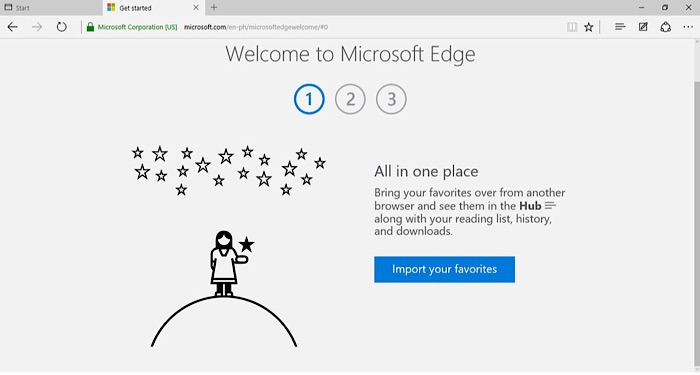
Microsoft suggests that if you’re an at-home user of Internet Explorer, that you make the transition to Edge before June 2022. The blog post mentioned the new browser makes it easy to import your passwords, favorites, and other browsing data. Businesses should be able to extend the life of legacy websites by using IE mode in Edge.
This day was a long time coming. Internet Explorer has just continued to become more and more dated, just like FlashPlayer, which also just recently took its final bow.
How will Microsoft finally ending support for Internet Explorer affect you? Let us know in the comments below. Be sure to check out the following articles to see if you want to replace IE with Edge as Microsoft suggests or if you want to stray further away and choose an entirely different browser.
Image Credit: Internet Explorer symbol by ChristiaanColen, InternetExplorer 8b1 by mrwynd, Microsoft Edge by marcyscreed2013, and public domain