
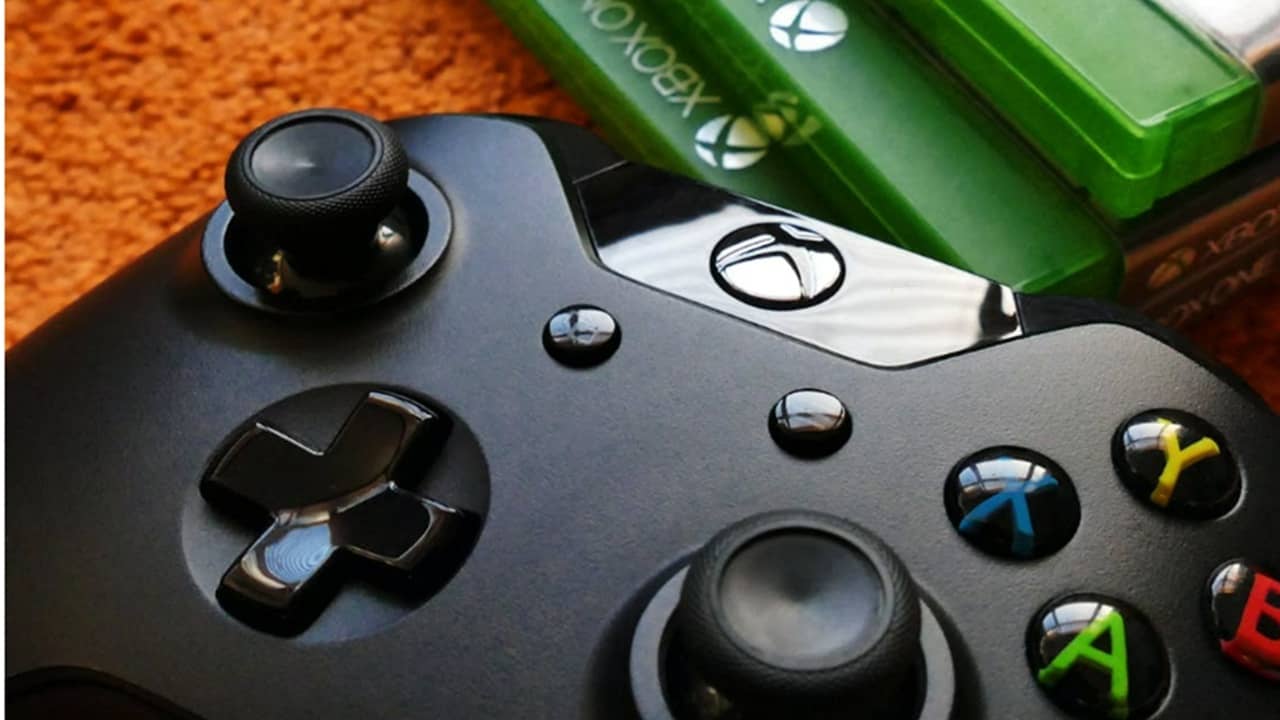

AI seems to be everywhere, and now it can even mimic game play, at least to a point. Microsoft’s Muse AI is changing the face of game development, though it’s quick to point out that Muse will never replace game developers.
First of Its Kind WHAM
Microsoft has introduced Muse AI, which is the first World and Human Action Model, or WHAM for short. The AI models a video game, allowing the model to generate visuals, along with simulating controller actions. Essentially, it studies a game environment, predicts what will happen next, and plays within that environment.
Muse AI was created by two teams – Teachable AI Experiences and Microsoft Research Game Intelligence. It was trained using actual Xbox gameplay from Ninja Theory’s Bleeding Edge. With over one billion images and game controller actions, equating to roughly seven years of continuous gameplay, Muse has ample data to play the game.
While the game itself didn’t exactly go over well, it will forever live on as the start of a new AI model.
To further develop this WHAM, Microsoft’s going open source and making sample data, weights, and even the WHAM Demonstrator executable, available for other researchers to explore. For those interested in the detailed specs, Nature published an in-depth study showing the potential and shortcomings of Muse AI.
Muse works by learning the basics of a game world, then begins playing like an actual human. The AI model generates visuals based on predictions of what it believes would logically happen next within the game.
Originally, Microsoft only had Muse AI generating a second or two of gameplay at a time. It’s since successfully managed two minutes. It’s still fairly limited, though growth potential is there. For instance, it only generates 300 x 180 resolution, which isn’t exactly impressive if you’re a gamer.
New Opportunities for Creatives
This may have seemed at first like a replacement for game developers, but Microsoft has designed Muse AI and the WHAM Demonstrator to aid them. For instance, creatives could upload images of specific areas or scenarios and use the AI model to generate what could happen next.
They can even use it to simulate gameplay to better understand what players could do. This allows them to better tweak games before release for improved gameplay. The WHAM Demonstrator lets you make adjustments as you go, such as choosing a different controller action or adding more images to better guide the AI.
The true potential of Muse has yet to be seen. For now, it’s still in its early stages but could prove to be an invaluable tool during the initial stages of a game’s development.
Another idea is to use Muse to aid in restoring older games and bringing them to newer consoles and devices, much like using game emulators. It would speed up the process, giving new generations access to the arcade and classic games many of us grew up on.

Could the Microsoft Muse AI create AI-generated games in the future? It’s possible. But for now, it’s still just a tool that could complement current game development. After all, it would need to advance far beyond the current time and resolution constraints to generate anything resembling a full game.
While you’re waiting for AI games on Xbox, learn how to share your games with others. Or, if you’re tired of Xbox, check out these Xbox Game Pass alternatives.
Image credit: Pexels