

It’s hard not to see Huawei as the most injured party to get caught up in the United States-China trade wars. After a policy was set that restricts tech business between American companies and Chinese companies unless prior consent is given, it leaves them very vulnerable.
It was known from the get-go that this was mostly meant to affect Huawei, a company whose phone business relies on Google’s Android mobile OS. Google said it would have to restrict access to the Android mobile OS and other apps, and Facebook is also not allowing Huawei to pre-install its apps on Huawei phones.
This has forced Huawei into bold measures to protect their business. While they are working on their own OS, it still puts them in a hole. Because of this, Huawei has announced they will refund their phones in full if Google and Facebook apps cease working.
Huawei’s Commitment
Let’s realize fully what this means. Huawei is a huge phone manufacturer – they are currently the second largest in the world, with close to half of their sales being outside China. Yet, they may be cut off from access to not only the biggest mobile OS in Android, but also the most popular apps, such as YouTube, Gmail, Facebook, Instagram, and WhatsApp.
This left Huawei forecasting a possible $30 billion revenue loss for this year coupled with a 40 percent drop in smartphone business.
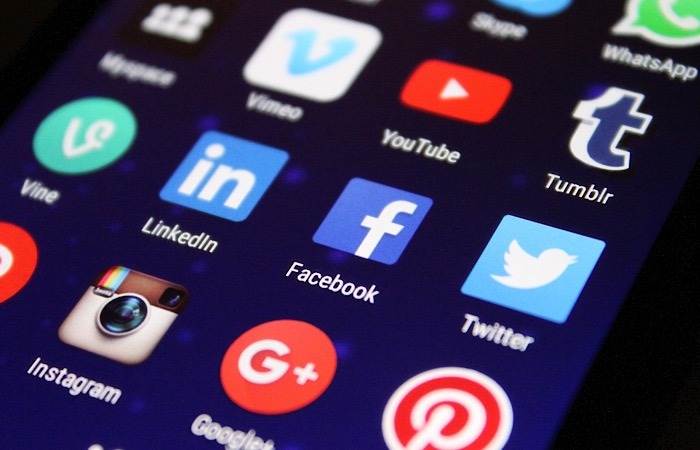
Huawei customers in the Philippines are reporting that they are being promised full refunds on current phones if Google or Facebook apps stop working at any point.
Huawei Central reports this offer is so far exclusive to the Philippines, but it would seem strange if it were only to be offered to one country for a manufacturer that is the second seller throughout the world.
Recovering Business
Perhaps Huawei is testing the refund option with the Philippines, and if it’s successful in producing sales there, maybe they will start rolling out the promise worldwide. For sure, it’s a big, bold commitment, so you wouldn’t want to throw that out willy nilly and would want to make sure it’s going to secure your business before you announced it globally.
And while it’s a huge risk for them, they have to do something to combat being a pawn in the trade wars. If they sit and wait, they’re a lame duck. They can offer their own OS that they’ve been working on, but it will be a while before that and all it’s accompanying apps are trusted. And that does nothing for those who rely on Facebook, Instagram, and WhatsApp to communicate and conduct business.
What do you think of Huawei’s business option? Will offering to issue 100 percent refunds in case of the loss of key apps like Google and Facebook save their global business? Add your thoughts to the comments below.