
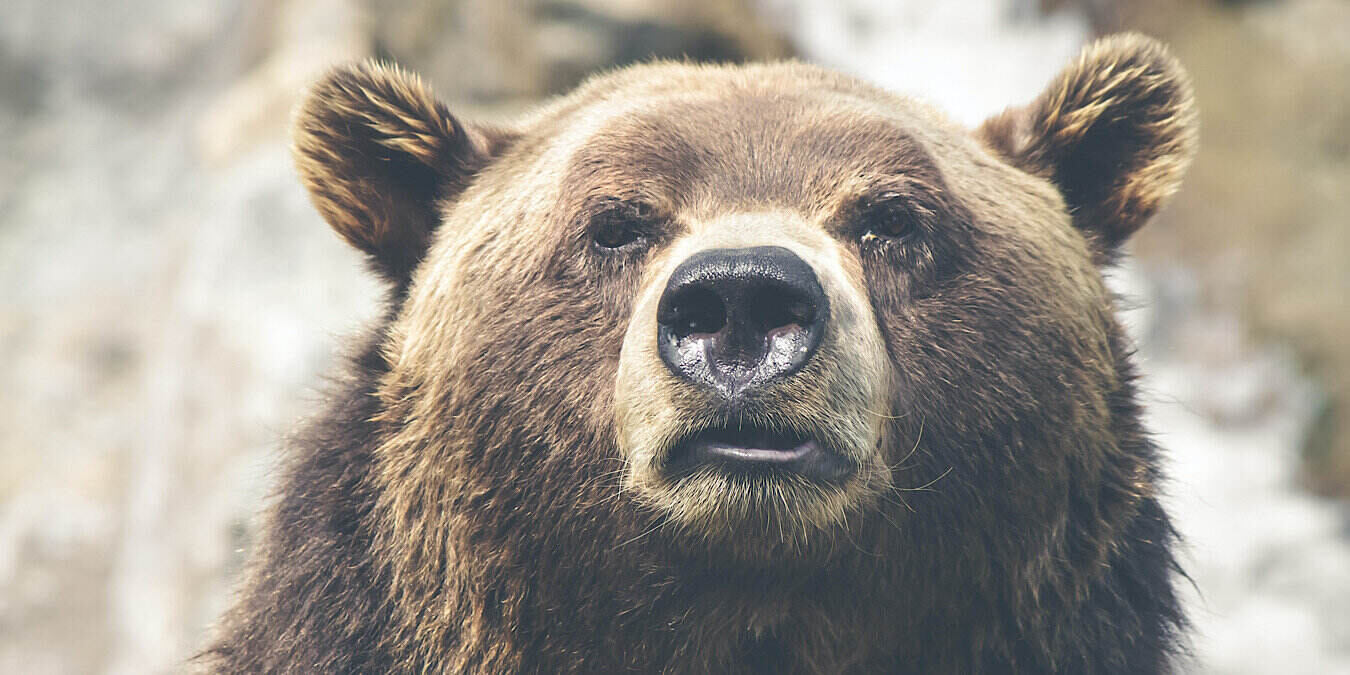

Facial recognition is being used in many different ways. We use it to log in to our phones and computers, and the police can use it to track criminals. There are more uses for it as well, such as with animals. Facial recognition is already being used to recognize bears and cows.
Facial Recognition for Grizzly Bears
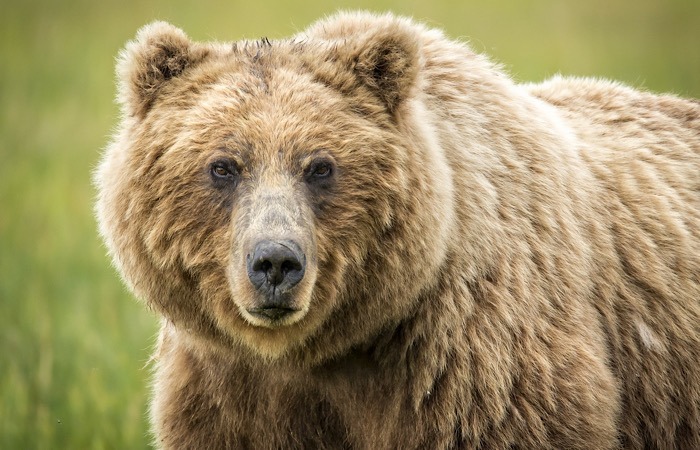
Bear biologist Melanie Clapham studies grizzly bears in Knight Inlet in British Columbia, Canada. She has learned to differentiate between them by using “individual characteristics,” such as an ear nick or nose scar, to tell them apart.
Being able to track bears is important. As Clapham explains, it helps with research and conservation of the species. There’s a need to know which bears are causing havoc by getting into garbage cans or attacking livestock.
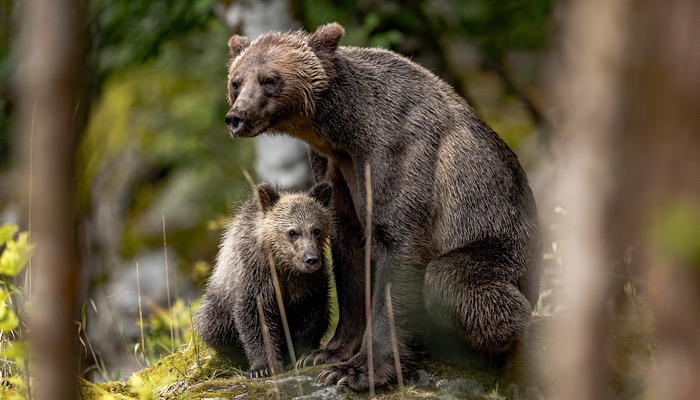
But people who haven’t spent the same amount of time she has with bears may not notice the same characteristics. Additionally, they can change much over just one year’s time, as they shed their winter coats or fatten up for the winter.
Clapham wondered if technology could help with tracking grizzly bears and turned to facial recognition software. It compares the measurements between different facial features. She and two Silicon Valley-based tech workers developed BearID, which uses facial recognition to identify grizzly bears. Clapham says facial recognition is cheaper, longer-lasting, less invasive, and less dangerous than tracking animals by attaching collars or piercing their ears with tags.
Just like with people, the facial recognition has to be trained by feeding it images as examples. The software can now detect faces and use that to recognize specific bears. “It does way better than we do,” said Ed Miller, one of the two tech workers.
So far, 4,674 grizzly bear images have been collected. Eighty percent of them were used for training the software, while the remaining 20 percent were used for testing it. Recently-published research showed the system is 84 percent accurate. But the bear you are trying to recognize needs to be one of those scanned images being used in the software.
Facial Recognition of Cows
Bears aren’t the only animals being tracked with facial recognition. Cattle rancher Joe Hoagland from Leavenworth, Kansas, is creating the CattleTracs app to follows cows.
Except the app isn’t for keeping up with them in the wild. It’s somewhat like coronavirus contact tracing. Beef cattle go from producers to the pasture, to feed lots, and then meat packing plants.
The CattleTracs app will allow cattle ranchers to take pictures of the individual cows that are stored with the GPS coordinates and the dates of the photos.
The concern is for diseased animals that can contaminate the rest of the herd and perhaps harm people, too. “Being able to trace that diseased animal, find its source, quarantine it, do contact tracing – all the things we’re talking about with coronavirus are things we can do with animals, too,” said Hoagland.
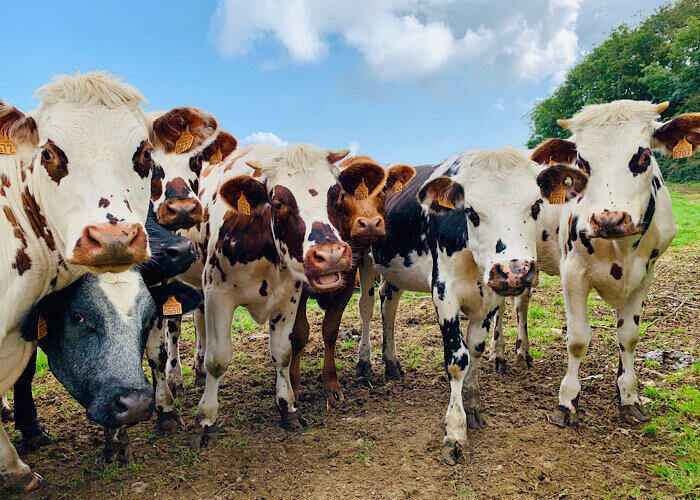
Hoagland contacted a professor at Kansas State University, KC Olson, who put together a group of specialists. They built the app from 135,000 images of beef cattle. Olson said it had 94 percent accuracy at identifying whether or not it had seen the cow before. It’s a better accuracy than RFID tags and readers.
The downside to the facial recognition apps for bears, cows, and an app called PrimID that tracks endangered animals and prevents animal trafficking, is that it can be used by poachers as well. They could take the images and GPS coordinates to find the animals.
Clapham points out that the upside is that “really any species we can get good training data for, we should potentially be able to develop this type of facial recognition for as well.”
Do you think using facial recognition on animals is taking it too far? Read our opinion on how far is too far with facial recognition.