
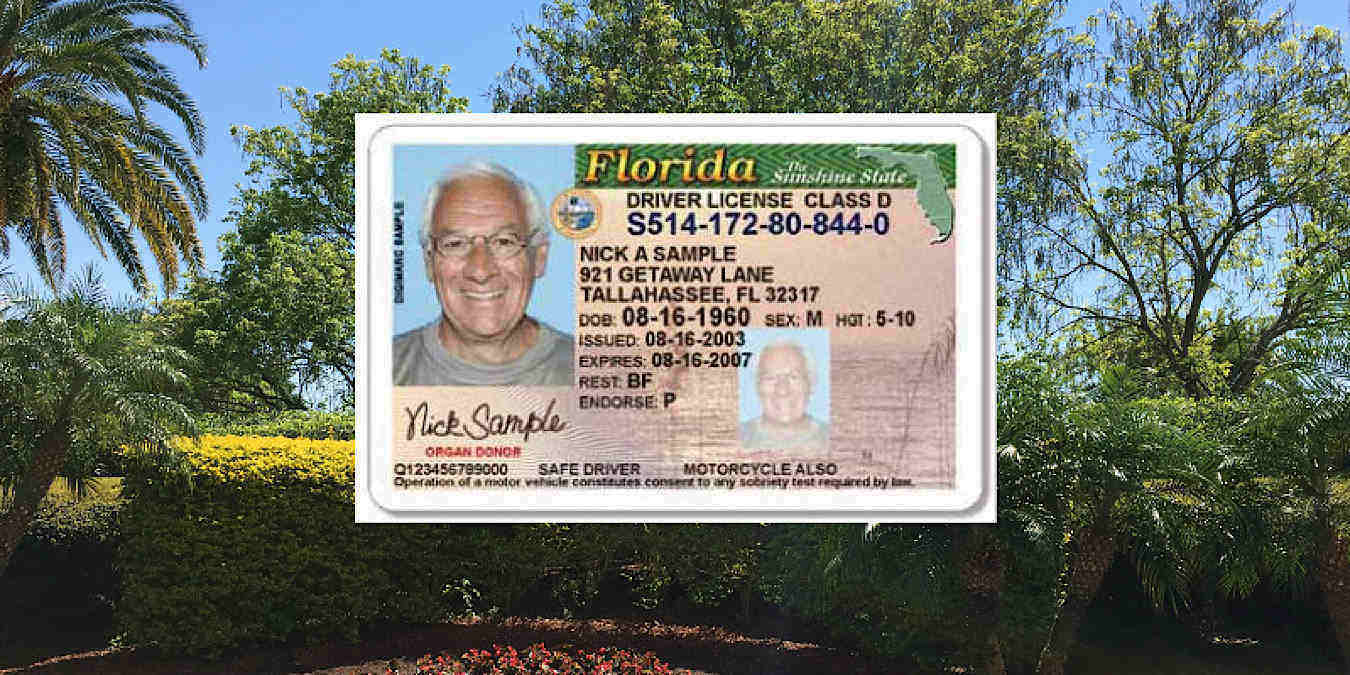

In news that should be alarming to everyone, two United States government agencies, the Federal Bureau of Investigation and Immigration and Customs Enforcement, are using state driver’s license photos from the Department of Motor Vehicles in facial-recognition searches, without the permission or knowledge of the subjects.
Facial-Recognition Searches with DMV Database
Carrying a photo ID is something necessary for all adults. Through many circumstances, such as air travel, banking, and some purchases, we’re asked to provide our photo ID to prove our identity. For anyone with a driver’s license, this means the use of your driver’s license that has your signature, address, birth date, height and weight, and your photo.
Georgetown Law researchers requested public records and shared them with The Washington Post. These records include thousands of facial-recognition requests, internal documents, and emails from the past five years. This showed that the FBI and ICE have been using the motor vehicle databases to form a surveillance infrastructure.
While fingerprints and other biometric data from criminal suspects have been used for many years, the DMV records are now being used, whether or not the person has ever been charged with a crime.
This has not been authorized by Congress or state legislatures and has come under criticism from both Democratic and Republican lawmakers.
“Law enforcement’s access to state databases,” particularly those of the Department of Motor Vehicles, is “often done in the shadows with no consent,” said House Oversight Committee Chairman Elijah Cummings in a statement.
“No individual signed off on that when they renewed their driver’s license, got their driver’s licenses,” said Rep. Jim Jordan, who is also a member of the Oversight Committee, where the agencies’ use of the technology will be debated later this week. “They didn’t sign any waiver saying, ‘Oh, it’s okay to turn my information, my photo, over to the FBI.’ No elected officials voted for that to happen.”
But since 2011, the FBI has conducted nearly 400,000 facial-recognition searches of federal and local databases, including the DMV, according to the Government Accountability Office. The FBI and ICE have conducted more than 1,000 facial-recognition searches between 2015 and 2017 in Utah alone. The FBI itself does 4,000 searches every month, with many through the DMV.
The DMV database is even being used for low-level crimes, such as cashing a stolen check or petty theft. Often the searches through the databases are done with nothing other than an email from a federal agent to a local contact, according to the records.
Undocumented immigrants are encouraged in some states to obtain driver’s licenses. Yet, at the same time, ICE can access that database. It’s already been announced that the government may force the deportation of immigrant families soon, meaning there’s a good chance the ICE will find them through that database.
“Freedoms”
The FBI’s Deputy Assistant Director Kimberly Del Greco said last month that facial-recognition technology was critical “to preserve our nation’s freedoms, ensure our liberties are protected and preserve our security.”
Again, this should be worrisome to many that a government can do that without the knowledge of its citizens, yet at the same time describe that it’s being done to protect “freedoms.” It seems this is the exact opposite of freedom when it’s done against your knowledge.
Does it worry you that a government can do this without the knowledge of its citizens? Sound off in the comments section below.