

It’s an invention we didn’t even know we needed before we had smartphones and wearables. But now that we can so easily monitor our sleep with our phones and devices, somehow it seems like a necessity.
It can be easy, though, to get caught up in what the sleep-tracking app or device is showing, all the times you weren’t getting good sleep. And now in addition to not getting good sleep, you’re worried about it, which makes it even harder to sleep. But it turns out you don’t need to worry, as the sleep-tracking apps and devices may not indicate the quality of your sleep.
Dependency on Sleep Tracking
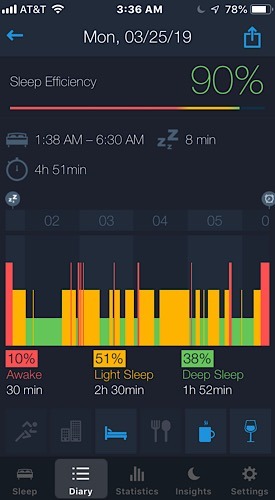
There are many sleep-tracking apps that are available, and wearables like the Apple Watch and Fitbit can track your sleep as well, But many of them work the same. You put your phone or device near you when you’re sleeping, and it starts measuring the minute you crawl into bed, whether you’re sleeping or not, and finishes when you shut it off.
It will show when you’re awake, when you’re in a deep sleep, and when you’re in a light sleep. But there are many times it says you were awake, And you don’t remember being awake through all that. And you had no idea so much of your sleep was light sleep and not deep sleep.
Researchers asked people in a 2014 study what they thought of their sleep quality, then showed the data from a sleep test. They lied to them, though. Some were told they had more REM sleep than the average person, and others were told they had less.
Their cognitive ability in testing usually matched what they were told of their sleep quality. They believed the fake test results more than how they actually felt about how they slept.
A 2017 paper, though, written by sleep specialists, supported the idea that sleep-tracking apps are interfering with their patients’ treatments.
“All three patients were spending excessive time in bed in attempts to increase the sleep duration reported by the sleep tracker,” said the sleep specialists, “which may have exacerbated their insomnia. Given that these devices tend to overestimate sleep, they may have served to reinforce poor sleep habits by encouraging extending time in bed.”
Getting a Good Night’s Sleep
What there isn’t any data for, though, is how often the apps are right and how often they’re wrong. Maybe they’re on target more often than we think, but maybe they’re off more often than we think. But what the scientists are saying is that it’s more important how you feel.
Do you use a sleep-tracking app or device? Does it influence how you feel about your sleep, good or bad? Tell us how you feel about your sleep compared to what the sleep tracker says in the comments below.