
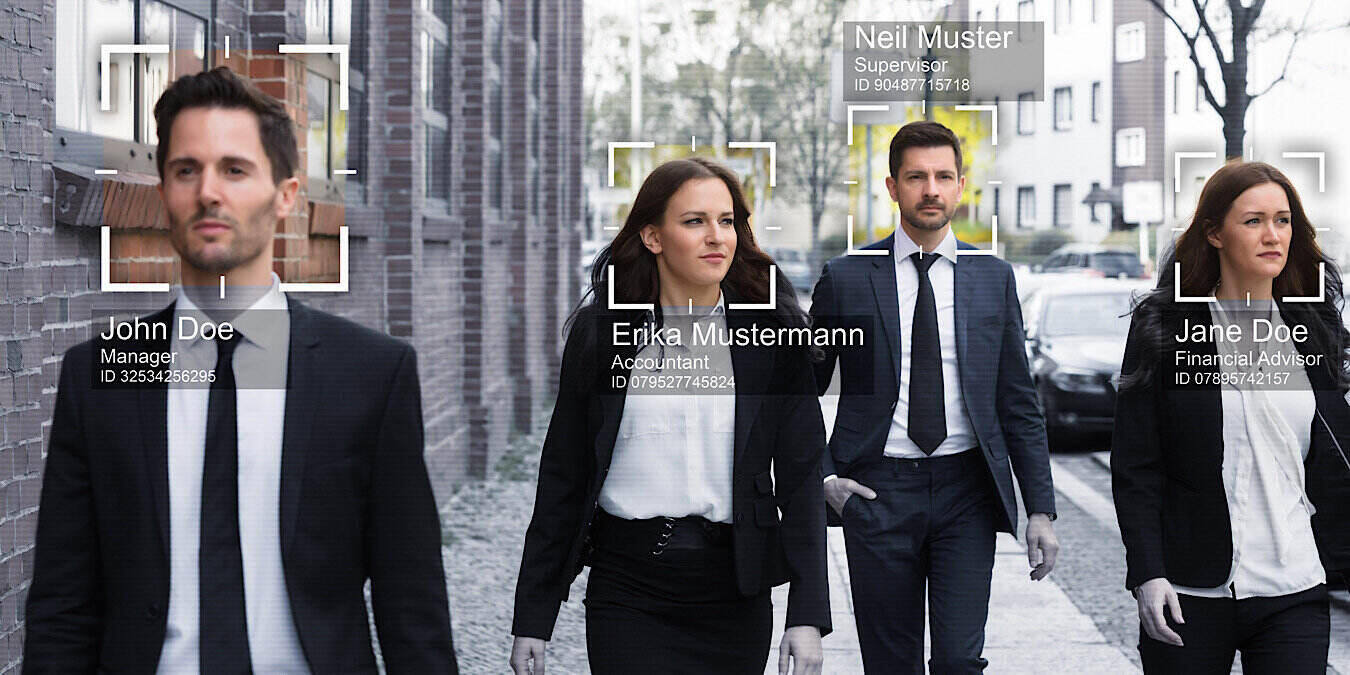

As nice as it is to sign on to your phone with Face ID, the technology isn’t always welcome. It’s great for your use but not if someone else is using it on you. This has led Portland to pass a facial recognition ban, both public and private.
Portland’s Facial Recognition Ban
What is being considered as the toughest facial recognition ban in the United States was passed by the Portland City Council. While cities such as Boston, San Francisco, and Oakland have passed laws that bar public institutions from using facial recognition, now private businesses will not be allowed to use it either.
Public use is banned in these other states, meaning police officers are not allowed to use facial-recognition software to identify potential suspects. Now stores won’t be able to use it either. It also applies to airports. Delta uses it for boarding but won’t be able to in Portland.
To accomplish this, Portland’s new law is two ordinances. Public use of facial recognition is already in effect in the Oregon city. City bureaus are required to complete an assessment of their use of the technology. The ban on private use is scheduled to take effect on January 1, 2021.
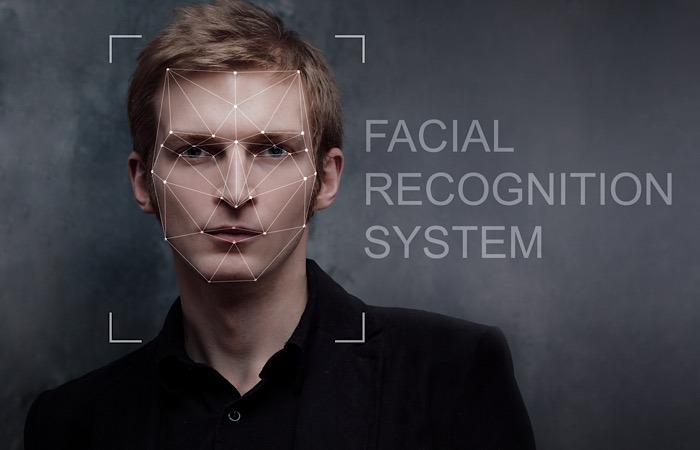
“Portlanders should never be in fear of having their right of privacy be exploited by either their government or by a private institution,” said Portland Mayor Ted Wheeler.
Known Difficulties of Facial Recognition
Facial recognition has been found to have bias, though it’s assumed this isn’t with a malicious intent. It hasn’t been trained with a wide variety of people, leaving it to struggle and misidentify those who differ in age, race, sex, and ethnicity.
“I believe that we’re passing a model legislation that the rest of the country will be emulating as soon as we have completed our work here,” said Portland City Council Commissioner Jo Ann Hardesty. “This is really about making sure that we are prioritizing our most vulnerable community members and community members of color.”
The American Civil Liberties Union added its support to Portland’s new law, noting the police brutality taking place against protesters in Portland.
“We hope the passage of this landmark legislation in Portland will spur efforts to enact statewide legislation that protects all Oregonians from the broad range of ways that our biometric information is collected, stored, sold, and used without our permission,” said interim executive director Jann Carson of the ACLU of Oregon.
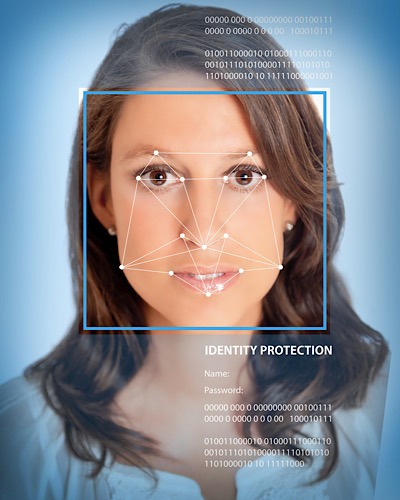
The Electronic Frontier Foundation found in July that San Francisco police used a downtown business district’s camera to monitor protesters, making it difficult to tell whether this would fall under public or private surveillance.
Yet, Portland’s new facial recognition ban will be the first to erase those concerns, banning both private and public use.
Amazon spent $24,000 campaigning commissioners of the city against the facial recognition ban. It supports the use of the software, having sold its Rekognition software to police departments, agreeing recently to place a temporary moratorium on the use of it.
More than half of the United States believe police will use facial recognition responsibly. Do you agree? Let us know in the comments.
Image Credit: Biometrics, Female, Facial Recognition System, Concept, Young Man, Portrait of Young Businesspeople, Face-Recognized by DepositPhotos