Long Reads

Longer explainers,
fewer dead ends.

Deeper how-tos, history, and tech explainers from the Make Tech Easier editorial team. Pieces here get extra research and review.

Tech Explained

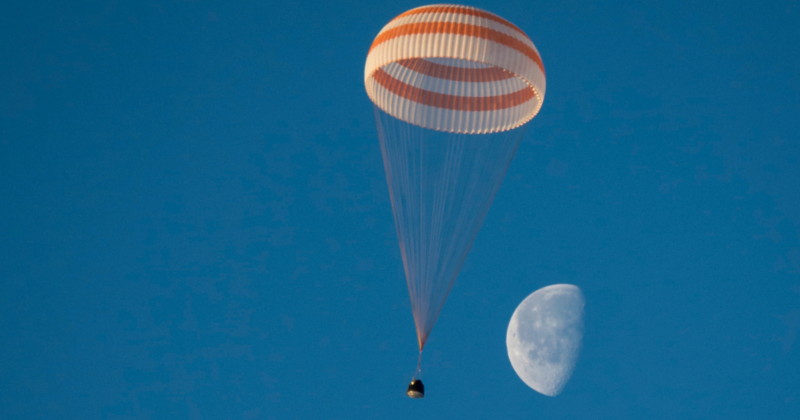
Russia still custom-builds the Soyuz return seats for ISS crew members using plaster casts taken weeks before launch, because astronauts grow as much as five centimetres taller during a long-duration stay and a seat moulded to their Earth-shaped spine would no longer fit the body that comes home

Scott Kelly came back from the International Space Station in March 2016 measurably taller than the brother he had left behind on Earth.

Lifestyle

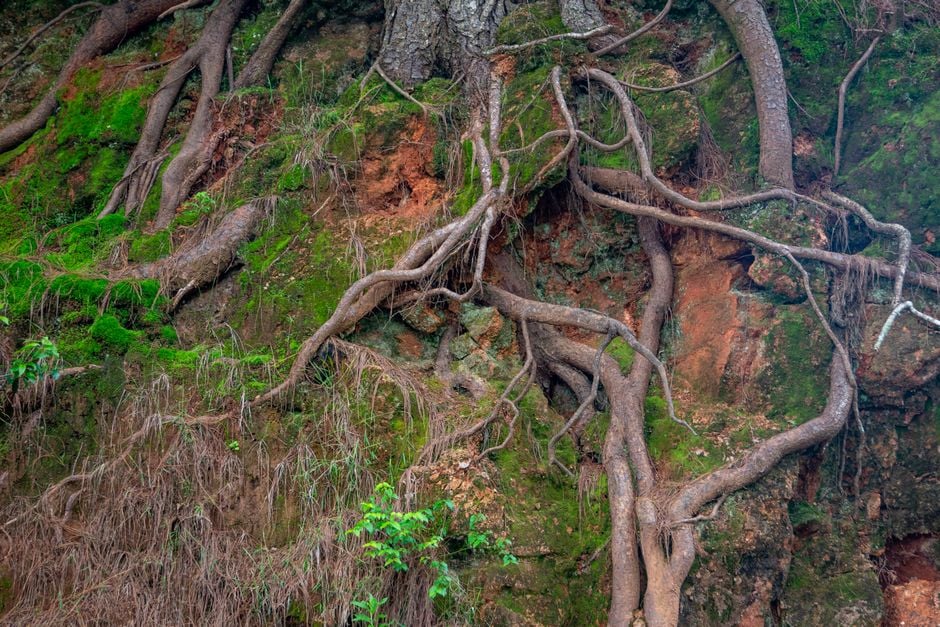
Mycorrhizal fungi colonised plant roots roughly 450 million years ago and biologists now suspect plants could never have moved out of the oceans onto bare rock without them, meaning every forest on Earth — including the redwoods, the Amazon, and the boreal belt — is still running on a partnership older than trees themselves

The first land plants did not have roots. They had stubby green tissue pressed against bare Ordovician rock about 450 million…

Tech Explained

The "CrackBerry" nickname stuck for a reason — and the variable-reward psychology that hooked early-2000s executives on their BlackBerrys is the exact same machinery now running every push notification on every smartphone in your pocket

Twenty-five years ago, the only people sleeping with their email device on the nightstand were lawyers, bankers, and a handful of executives whose firms paid for a BlackBerry Enterprise Server licence.

Internet

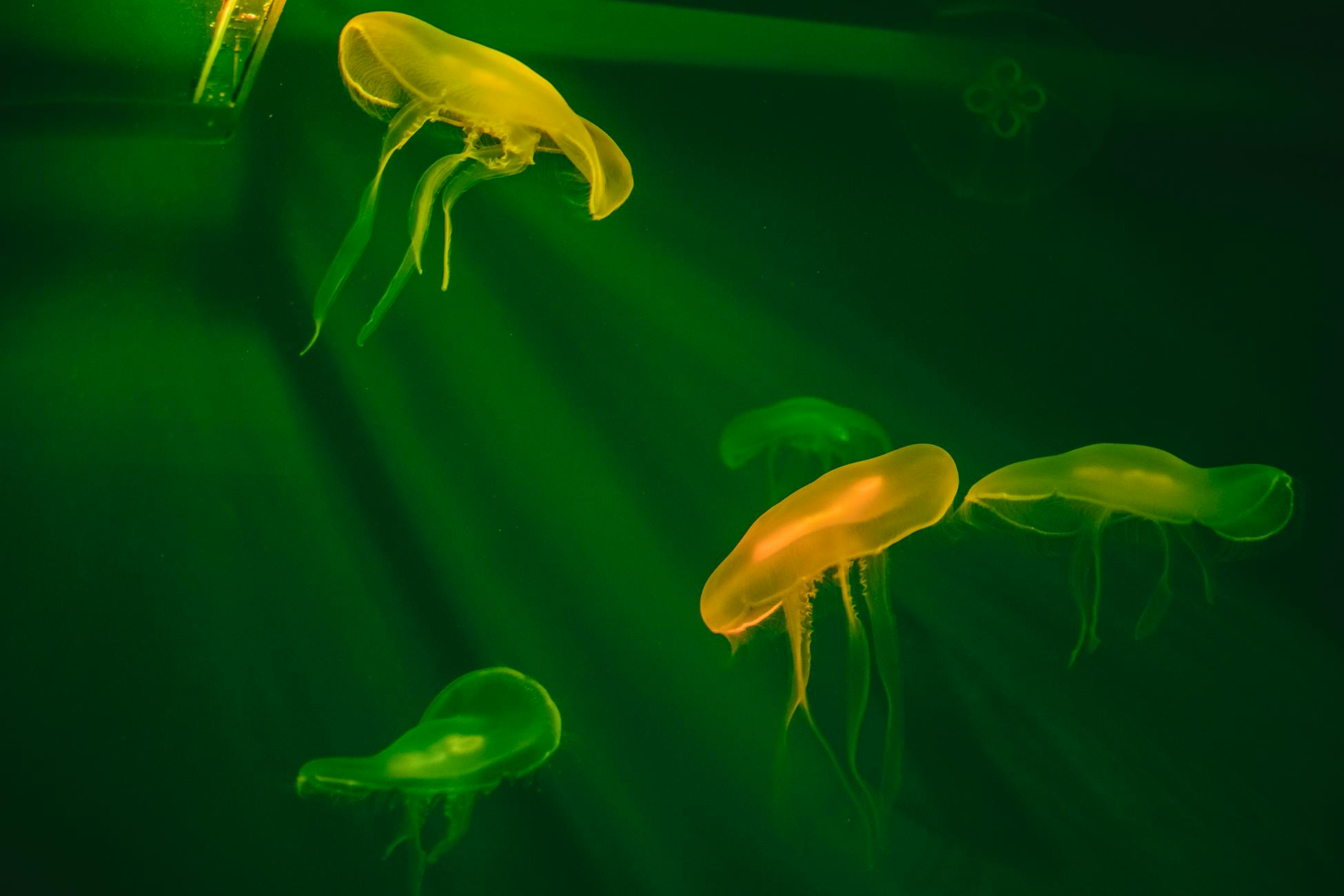
A species of jellyfish called Turritopsis dohrnii can revert its adult cells back to a juvenile polyp stage when injured or starving, effectively restarting its life cycle, and biologists have so far failed to identify any natural limit to how many times it can do this.

The tiny jellyfish Turritopsis dohrnii can reorganise its adult cells back into a juvenile polyp when stressed, restarting its life cycle indefinitely. Biologists have observed more than ten reversals in a single animal and have yet to find any limit.

News

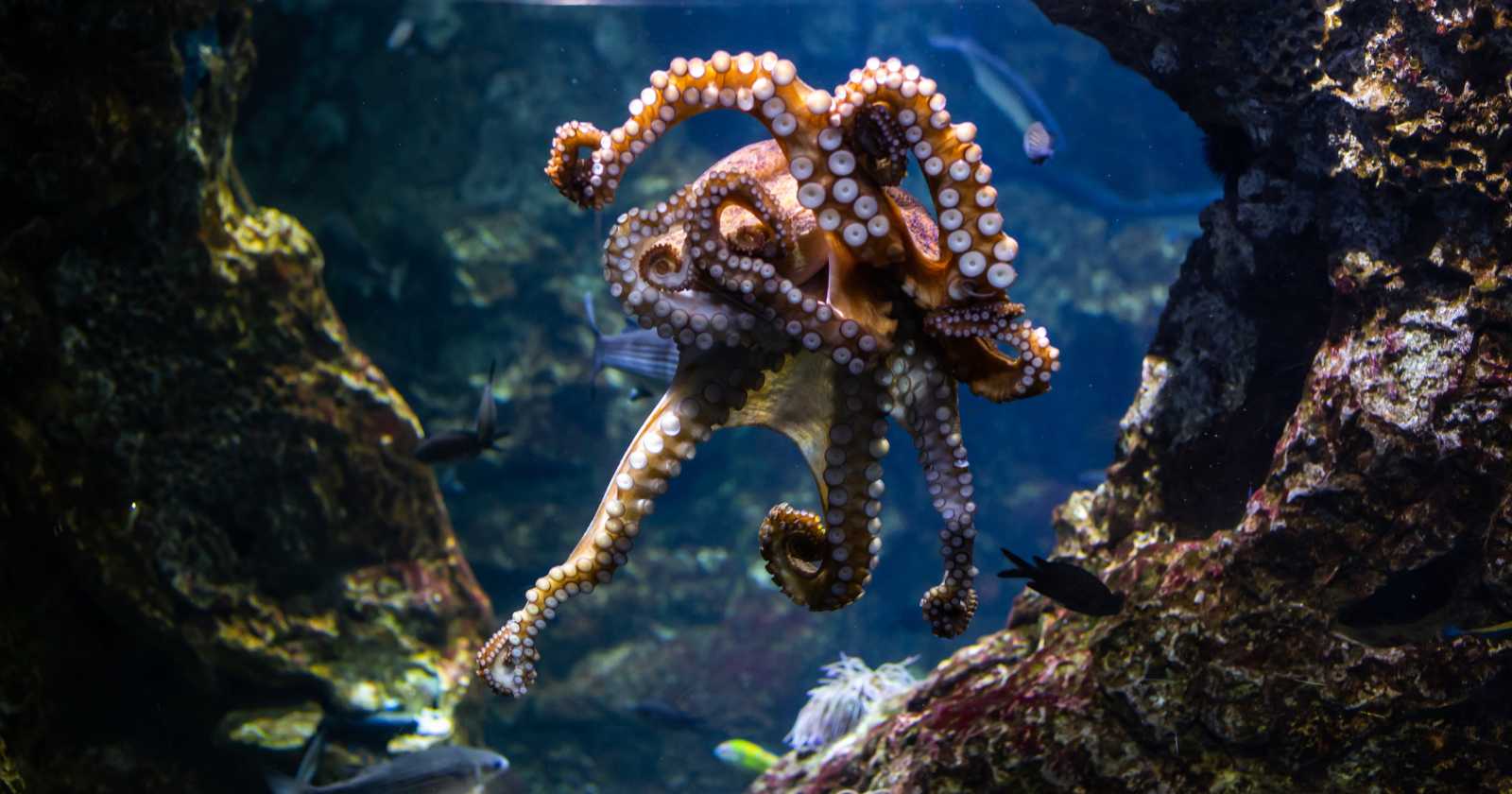
Octopuses possess roughly 500 million neurons distributed across their body, with two-thirds located in their arms rather than their central brain, meaning each arm can taste, problem-solve, and react to stimuli independently of whatever the octopus is otherwise paying attention to.

The octopus carries about 500 million neurons, but only a third sit in its central brain. The rest run its eight arms, each able to taste, decide, and act on its own.

News

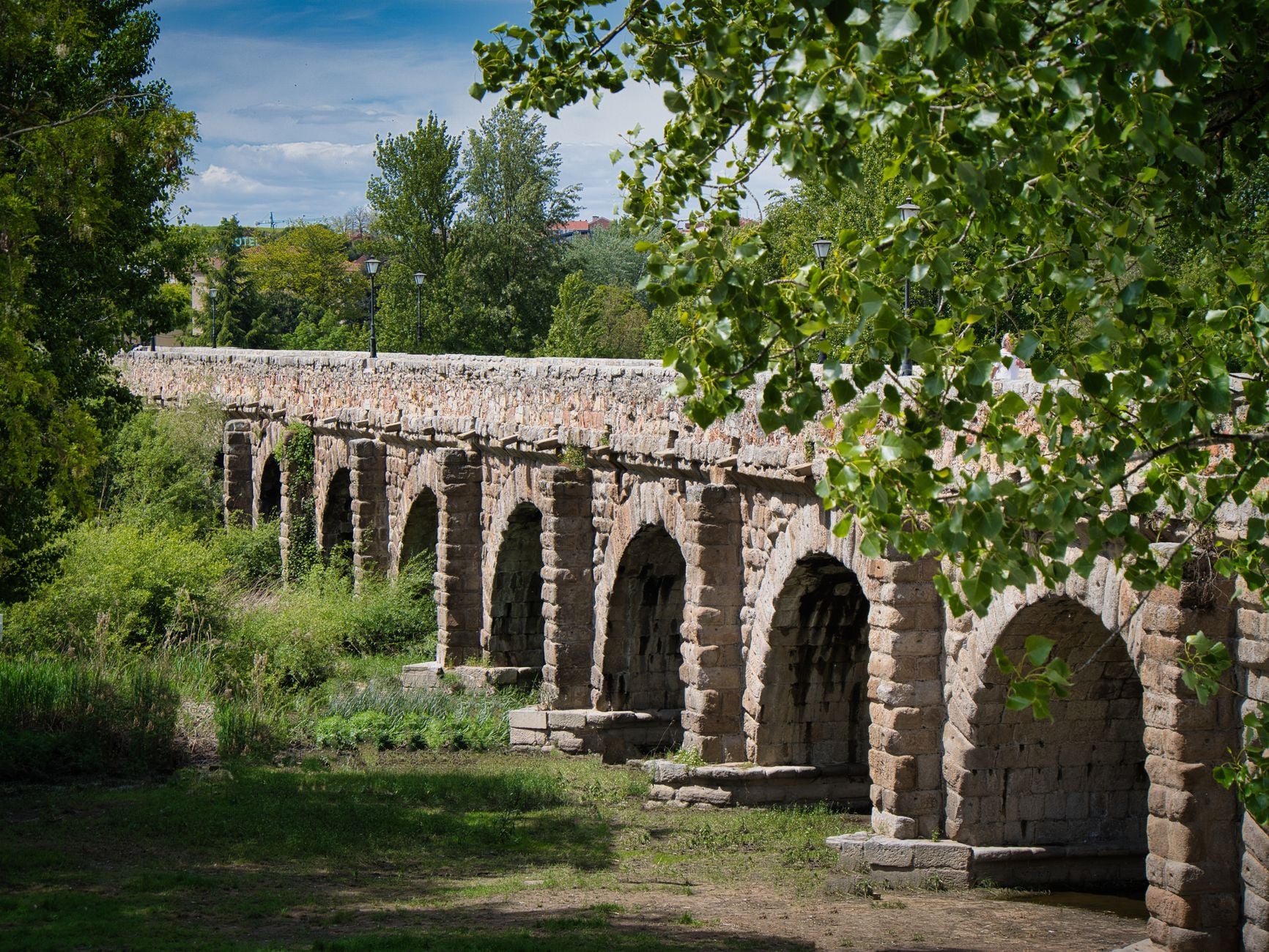
The Roman aqueduct at Segovia, built around the first century AD without mortar, still carried water into the 1970s, its 167 granite arches held together by nothing but the precise weight distribution of stones cut to fit each other within fractions of a millimeter.

The Aqueduct of Segovia delivered drinking water to a Spanish city for nearly nineteen centuries using nothing but precisely cut granite blocks held in place by their own weight. It was finally retired in 1973 — not because it failed, but because car exhaust was eating the stone.