Long Reads

Longer explainers,
fewer dead ends.

Deeper how-tos, history, and tech explainers from the Make Tech Easier editorial team. Pieces here get extra research and review.

Tech Explained

Noise-cancelling headphones don't block sound, they generate its exact mirror image — a microphone samples the incoming wave, and the driver plays an inverted copy that meets it and cancels to near silence

Active noise cancellation is not insulation but arithmetic — a tiny microphone measures the sound wave hitting your ear, and the driver plays its mirror image so the two collide and sum to almost nothing.

Tech Explained

The Apollo guidance computer that landed astronauts on the Moon ran on 64 kilobytes of memory, and its programs were literally woven by hand — women at Raytheon threaded copper wire through tiny magnetic cores, one bit at a time

The software that guided Apollo 11 to the lunar surface wasn't installed — it was sewn. At a Raytheon factory outside Boston, women with sewing needles and copper wire encoded every instruction by hand, one bit per stitch.

Internet

In July 2026, Psy’s Gangnam Style passed six billion YouTube views, fourteen years after its horse-riding dance became the platform’s first billion-view video and long after engineers had replaced a counter designed to stop at 2,147,483,647

When Psy's Gangnam Style crossed the two-billion mark in late 2014, YouTube quietly discovered that its own view counter had a ceiling — and that a K-pop single had smashed straight through it.

Gadgets

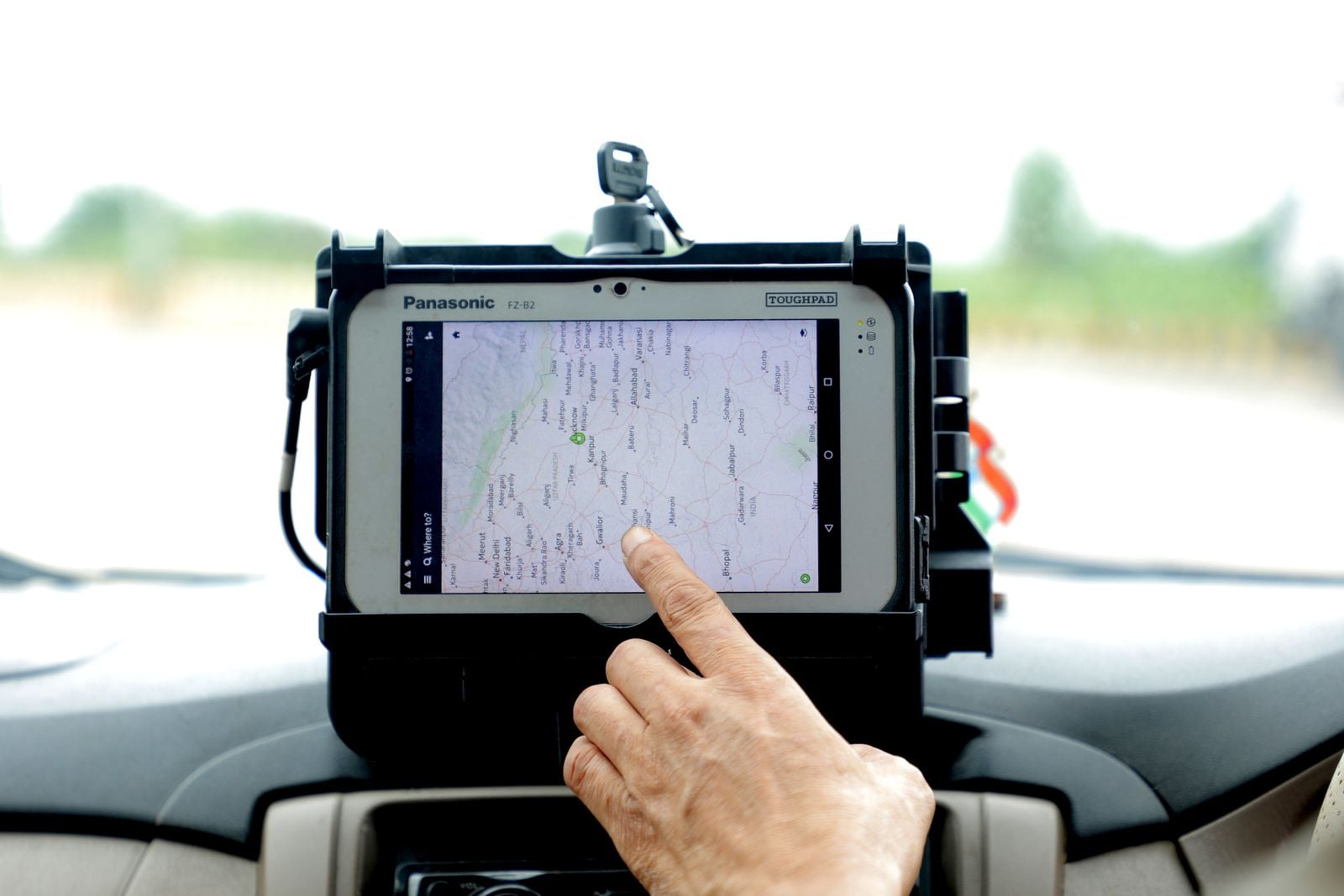
The GPS satellites orbiting 20,200 kilometres overhead run their clocks about 38 microseconds faster per day than clocks on the ground — without Einstein's relativity correcting for it, GPS would drift by roughly 10 kilometres every 24 hours

Every time a phone locates itself on a map, it is quietly relying on Einstein. The GPS constellation is the largest working experiment in relativity humans have ever built — and it only works because engineers designed it to be wrong on purpose.

Tech Explained

Voyager 1 is still transmitting from more than 25 billion kilometres away, powered by less than 250 watts of decaying plutonium — a signal that now takes over 23 hours to reach Earth, carried by a radio no stronger than a refrigerator lightbulb

Nearly half a century after launch, Voyager 1 continues to whisper across interstellar space on a power budget smaller than a household lightbulb — and every year that whisper grows fainter.

Tech Explained

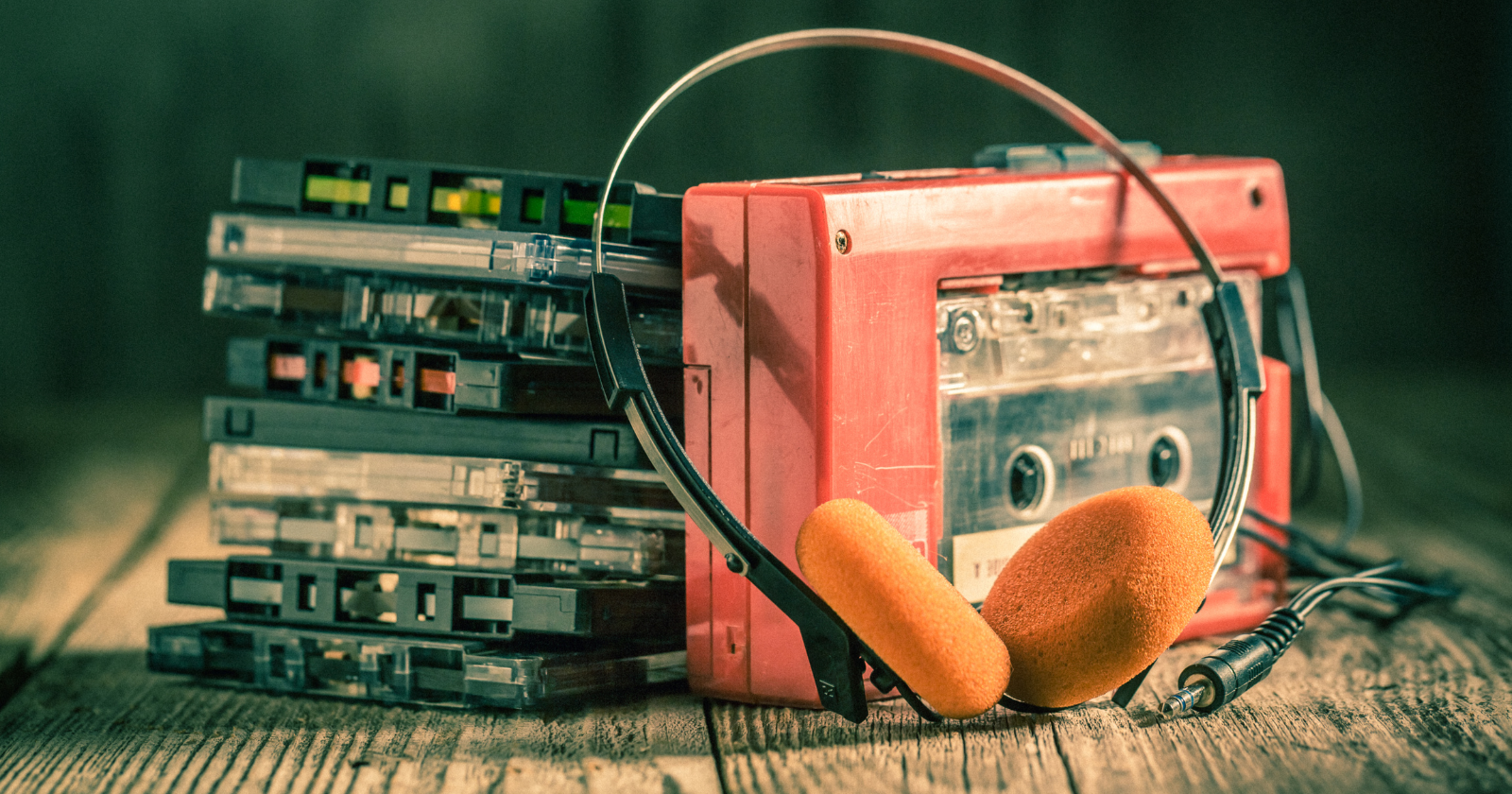
When Sony shipped the first Walkman in 1979, chairman Akio Morita insisted on a second headphone jack and a "hotline" talk button, convinced it would be rude for one person to listen to music alone — and within a few years buyers had ignored the sociable features so completely that Sony quietly dropped them

The Sony Walkman TPS-L2 went on sale in Japan on July 1, 1979, and the machine that reached store shelves that summer had two headphone jacks on the side instead of one, plus a small orange button marked "hotline.