
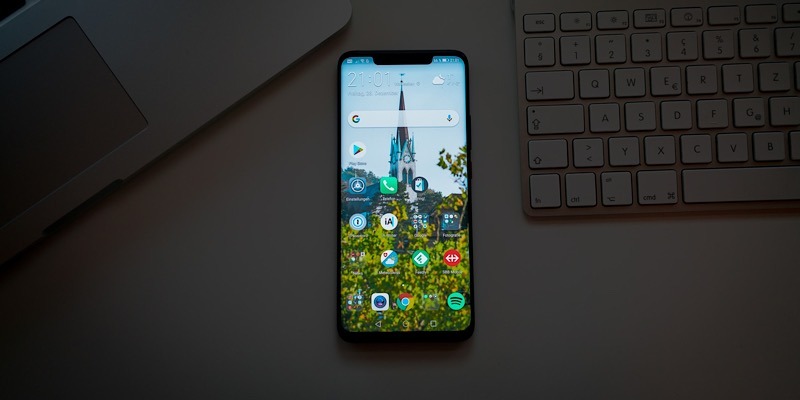

These days everything and everyone seems to somehow get political – it’s hard to avoid. It’s even affected our technology, as an executive order was signed that grants the United States government the power to decide which foreign-produced telecommunications equipment is a potential national security risk and to then block U.S. companies from buying that equipment.
The problem is that it will be affecting the consumers, perhaps people that don’t even have an interest in politics. It has now led to Google revoking Huawei’s Android license, meaning their customers will have to make do with an open-source version of Android.
Android License Revoked
While initially no companies were called out as a potential threat in the executive order, everyone still assumed from the beginning that it was targeting Huawei because of a trade war going on between the leaders of the U.S. and China.
The U.S. government believes China’s government could install backdoors on Huawei devices to spy on American networks. While the company has denied this could happen, Huawei CEO and founder Ren Zhengfe, has said the executive order will not stop his company’s international growth.
Eventually, Huawei did appear on the U.S. Commerce Department’s “Entity List,” which is comprised of companies that aren’t able to buy tech from U.S. companies unless they get government approval.
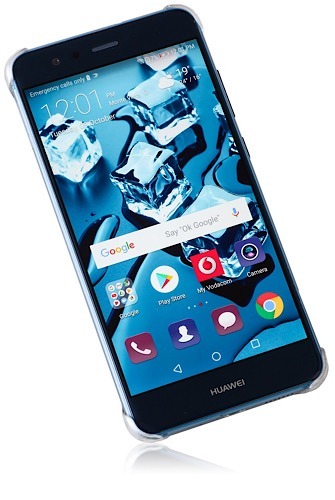
A Google spokesperson stated they “are complying with the order and reviewing the implications.”
Because Google is complying with the order and revoked Huawei’s Android license, the Chinese company is restricted to using the Android Open Source Project (AOSP). That means those outside of China don’t have the availability of key Google apps and services that they’re accustomed to on Android devices.
Additionally, Huawei can only push security updates for the system once they’re available in AOSP. It’s unknown how deeply this will affect Huawei’s overall integration with Android, but it seems at this point that it will be significant.
Even before the executive order, U.S. intelligence had warned its citizens against using Huawei and ZTE (another Chinese tech company) devices, with some politicians believing Huawei to be “effectively an arm of the Chinese government.”
The Future of Huawei
While Huawei has been on the scene for more than thirty years, they haven’t been that recognizable, in the U.S. at least, until more recently, but they seem to have made a huge splash by this point.
But being locked out by Google because of the trade war could severely affect their business. Do you think the company will survive despite this setback? Add your thoughts to the comments below.