
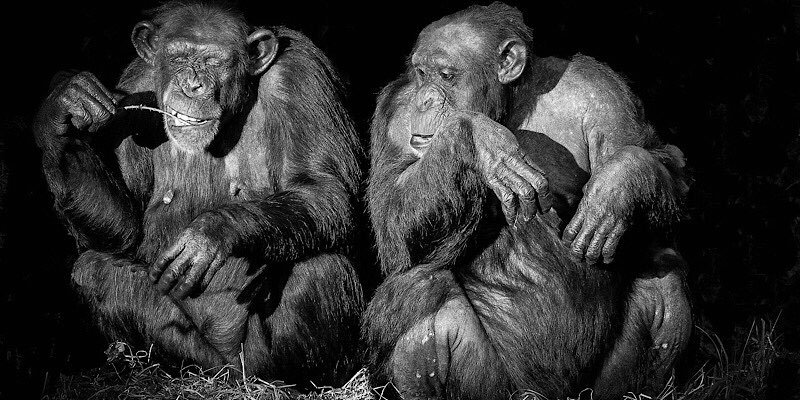

Most of us know of the common use for facial recognition: to tag people automatically in pictures, whether they’re being stored on our devices or being published to social media. But researchers at Michigan State University have found another use for facial recognition: to track endangered primates, which can be a more humane method than tracking devices.
PrimNet
The only way to tell if an animal species is still endangered, has become more endangered, or can be removed from the list, is by taking a rough count of all the animals in that certain species.
“Intervention is necessary to halt and reverse these population declines,” said MSU Distinguished Professor of computer science and engineering and senior author on the study, Anil Jain. “Automated facial recognition is one way we can help combat these losses.”
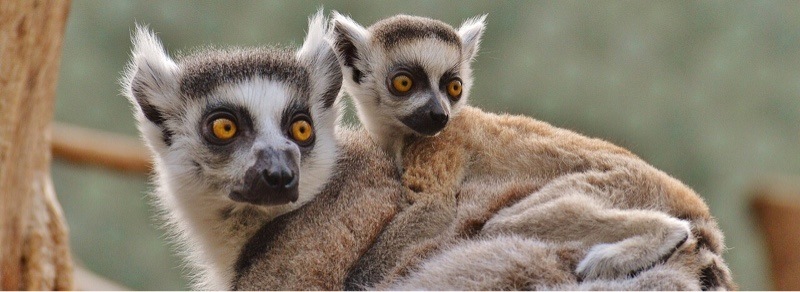
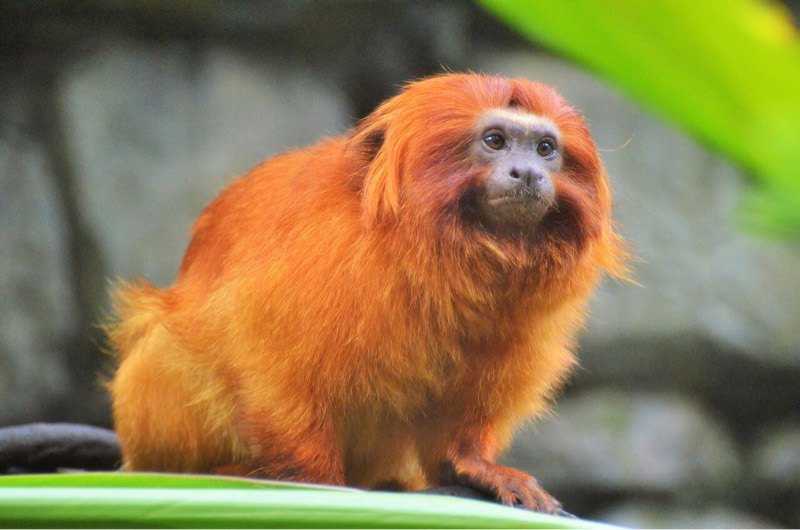
Jain and other researchers at Michigan State University have developed PrimNet, a system that keeps track of the faces of primates to get a rough estimate of the population, in the same lab used to help solve high-profile crimes. It’s being used on chimpanzees, golden monkeys, and lemurs.
It’s seen as a more gentle way to track them than tracking devices that are known to sometimes hurt or cause stress to the animals. Using facial recognition is also much more economic, as traditional tracking devices can cost between $400 and ten times that amount.
How It Works
This software differs from the facial recognition already in use on humans, as it wasn’t generalized enough to be used on primates. PrimNet was trained by scientists with the use of thousands of photos for reference. It might not seem that difficult, but the variations of any particular species can be found in differences in hair/fur, eye color, and other features. The eyes and mouths had to be manually tagged to further the use of the system.
It’s said that the PrimNet system can have a “greater than ninety percent accuracy.” And while a greater accuracy could certainly be hoped for, the current accuracy, along with a “top five” matching ability, can be enough to identify the animal.
PrimNet, the neural network-based software, also has an accompanying Android app, PrimID. It allows field workers to take a picture of the animal and try to match it there on the spot.
The researchers compared PrimID to PrimNet and to open-source human face recognition systems and found that “the performance of PrimNet was superior to verification one-to-one comparison and identification or one-to-many comparison scenarios.”
But the scientists aren’t resting on their laurels, as the PrimNet/PrimID system is a work in progress. They would like to be able to use the system on more primates than the ones it’s currently being used on, and they’d also like to make the code open source to allow more to be able to use it, with the hopes that possibly anti-trafficking agents could use it to track the origin of a primate who has been captured.
What do you think of this technology? Can you see how facial recognition could help save endangered species? What other uses can you think of for facial recognition other than the common uses that are already known? Speak up and let us know down below in the comments.