Streamus is a simple way to stream music from Chrome. The extension provides audio from YouTube videos, and there is no need to install software. Check it out.
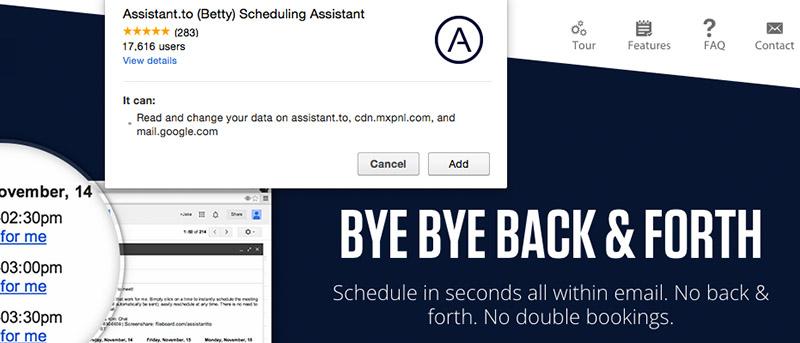
You can have hassle-free meetings & Skype calls with the smart scheduling Chrome extension, Assistant.to. Find out the features that caught our attention.
Using your fingerprint or retina to authorize yourself into an account has been around for a long time., but will it become the future of online banking? Let’s find out.
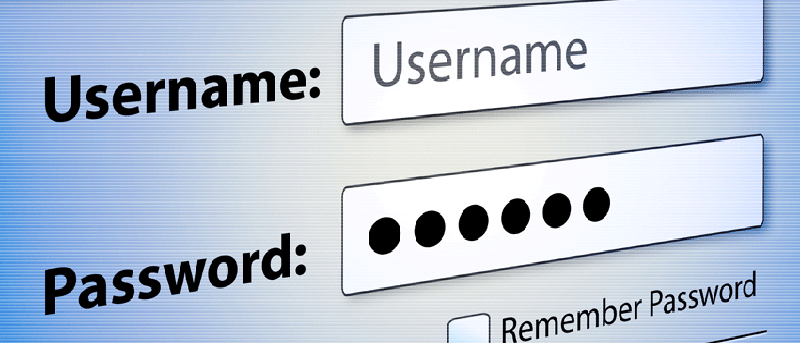
Want to temporarily see your password as you type it in the password field? Try installing a Firefox add-on called Show Password Field for convenience.
Did you know that you can change the appearance of every single website you visit? Stylish is a powerful add-on for Firefox that lets you modify websites.
Need to create a professional diagram, chart or mockup from any device? Meet Lucidchart! Read about its features and see how it compares to OmniGraffle.
If you often have to share a computer, you may wish to automatically clear data when you quit the browser. Here’s how you can do that in Chrome & Firefox.
When there are sudden increase of traffic to a server, it will crash. A solution to this is to use a load balancer. Here’s what you need to know about load balancing.
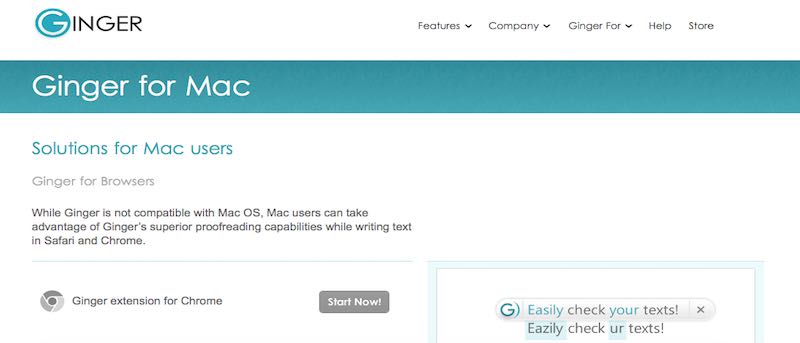
Ginger is a handy tool that helps detect a variety of grammatical errors besides the usual spell check. Here’s how you can take full advantage of its free version.
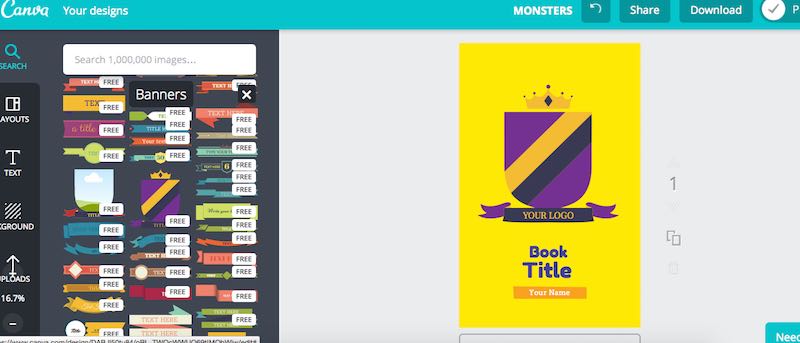
Looking to create a beautiful and professional looking ebook cover without spending a dime? The good news is you can create a unique eBook cover with Canva.
The US government is intending to introduce new laws to protect the privacy of individuals on the Internet. Here is what you need to know about this proposal.
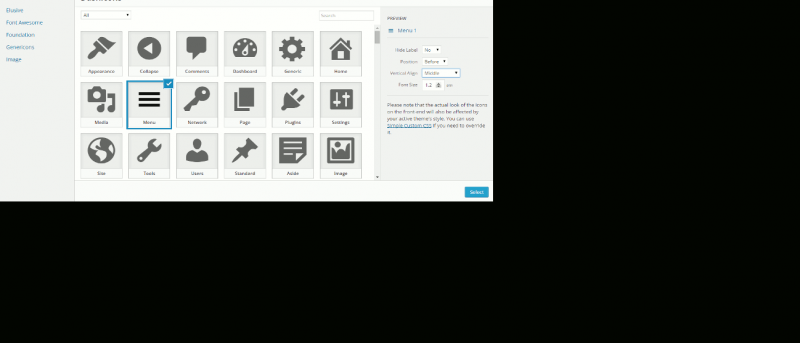
Ever wanted to add custom menu icons to your WordPress theme and improve the aesthetics of your website? You can easily do so with the Menu Icons plugin.
To prevent third-party cookies from tracking your online activity, you can disable third-party cookies in Firefox and Chrome. Here’s how you can do it.
Most people are used to “the Internet,” but what if one day we would have to use “internets” to describe what we’re connecting to? Is that even possible?