
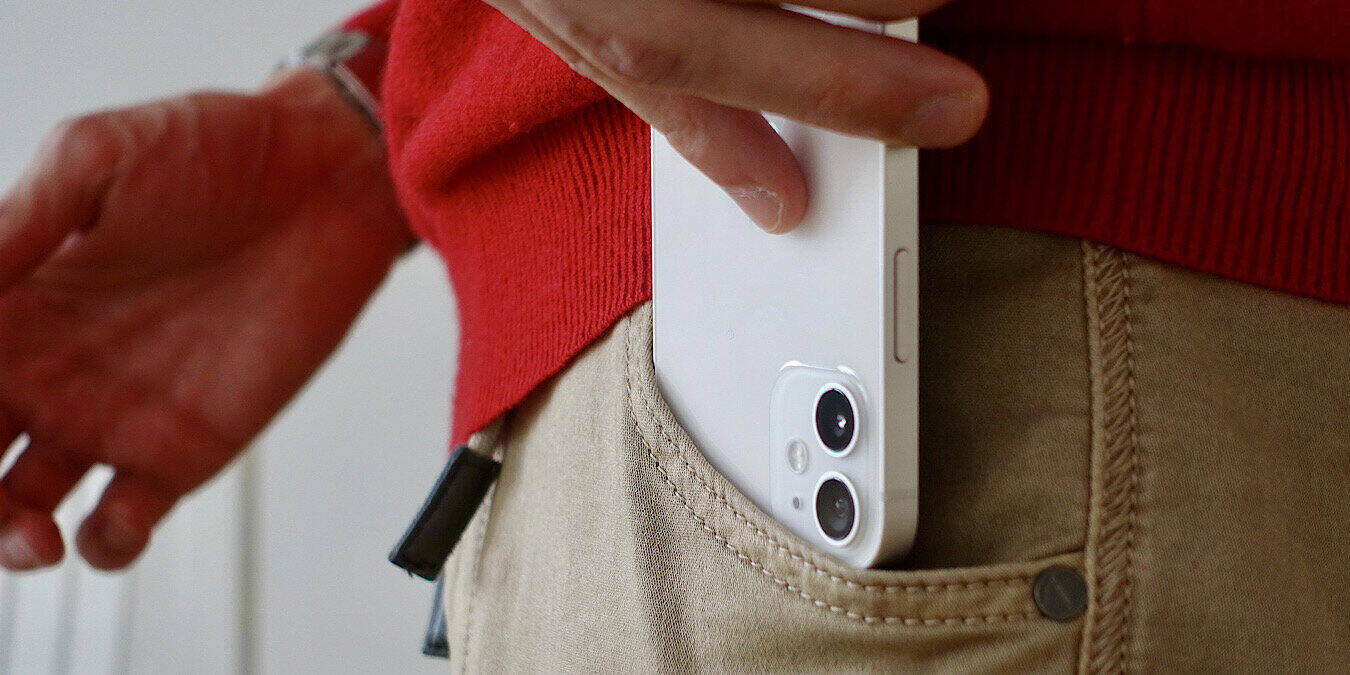

The new MagSafe chargers for the iPhone 12 haven’t exactly been a huge hit. It seems like a step backward to go from wireless Qi charging to having to attach a device to the back of your phone. On top of that, a support document now admits that the MagSafe charger for the iPhone 12 could post problems for people who have pacemakers.
The Issues with the MagSafe Charger
The Heart Rhythm Journal published earlier in January that the MagSafe technology used with the iPhone 12 can deactivate pacemakers in some situations. Apple then updated a support document published to its website spelling out advice for people with pacemakers and defibrillators who use the iPhone 12.
This is all after the Hearth Rhythm Journal did a study that showed Medtronic pacemakers could be deactivated when an iPhone 12 is held near it. But it’s not so much an issue with the phone as with the magnets in the phone and the charger. It’s a problem with all magnets and pacemakers, in fact.
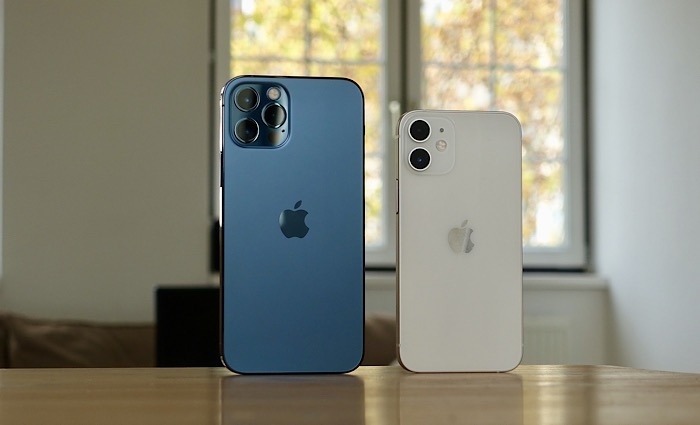
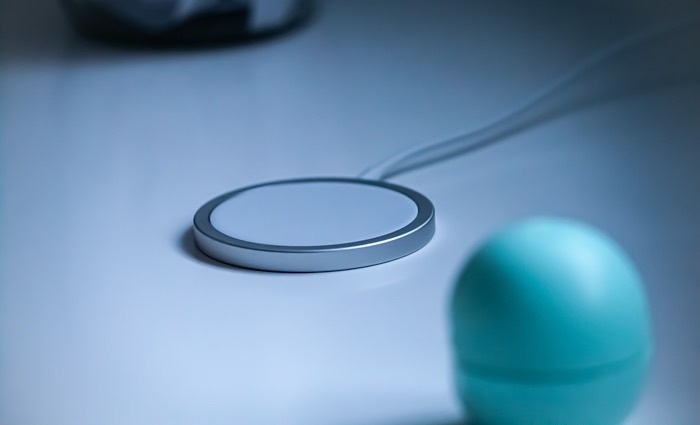
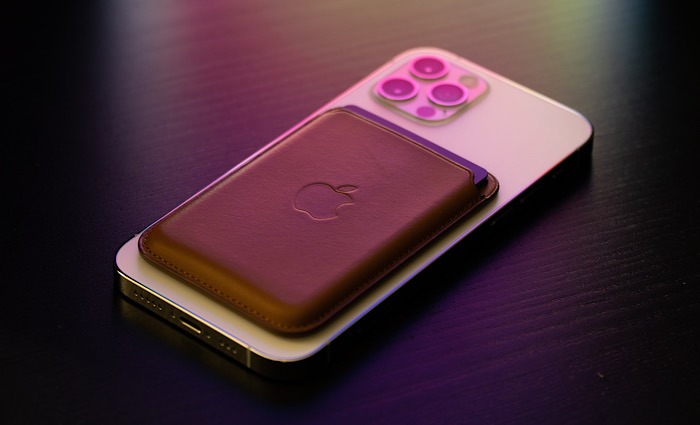
The iPhone 12 series of phones have magnets in them that adhere the MagSafe charger to it. There is a round disc that attaches to the back of the phone to charge it. There is also a duo charger that uses the technology to charge an iPhone 12 and Apple Watch at the same time and a wallet that holds credit cards, driver’s licenses, etc., and affixes to the back of the iPhone 12.
The support document for the iPhone 12 and MagSafe technology was first published when the iPhone 12 was launched last October. However, now new information has been added for users with pacemakers and other implanted devices. Apple is suggesting the iPhone 12 and MagSafe accessories should be more than six inches away from the medical devices.
Apple added, “Medical devices such as implanted pacemakers and defibrillators might contain sensors that respond to magnets and radios when in close contact. To avoid any potential interactions with these devices, keep your iPhone and MagSafe accessories a safe distance away from your device (more than 6 inches / 15 cm apart or more than 12 inches / 30 cm apart if wirelessly charging). But consult with your physician and your device manufacturer for specific guidelines.”
Additional Advice from Apple
However, Apple also says that while its newest iPhones “contain more magnets than prior iPhone models,” it’s “not expected to post a greater risk of magnetic interference to medical devices than prior iPhone models.” This brings up the question of whether all iPhones should be kept a safe distance away from pacemakers, defibrillators, and other implanted devices.
Along with the advice for the iPhone 12, Apple also added advice for those who use the MagSafe Chargers and MagSafe Duo Chargers: “All MagSafe accessories (each sold separately) also contain magnets – and MagSafe Charger and MagSafe Duo Charger contain radios. These magnets and electromagnetic fields might interfere with medical devices.”
The recent advice is included in Apple’s full support document, “About the magnets inside iPhone 12, iPhone 12 Mini, iPhone 12 Pro, iPhone 12 Pro Max, and MagSafe accessories.”
This brings up the question is if there is also an issue with the Apple Watch and its charger since it also seemingly works with magnets.
Additionally, it was recently rumored that Apple would be returning to the MagSafe connectors for its future MacBook Pros. It doesn’t appear that these would pose a danger, as they aren’t held as close to the heart as the iPhone 12 and MagSafe technology may be. But certainly, it’s something to keep in mind.
Perhaps in the future, if Apple intends to stick with the MagSafe technology, that they release a model of phone in each series that does not include the MagSafe technology for people who have pacemakers and other implanted devices. Then again, the company said all its phones have magnets in them but also said they are all safe. These are questions that need some follow-up.