
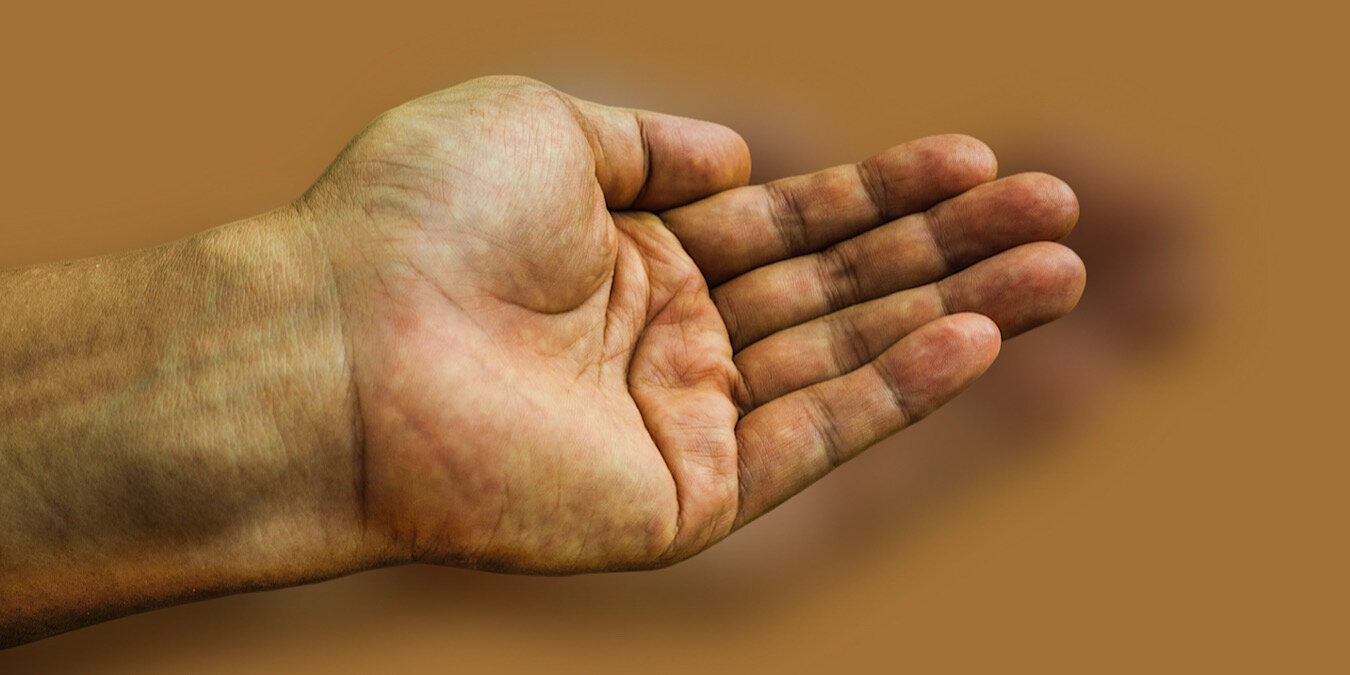

You may have been to a palm reader who claimed to” read” your future from the unique mapping of lines on your hand. Amazon recognizes the worth in your unique palm as well. Instead of relying on your fingerprint for biometric identification, the Amazon One payment method relies on a palm reader technology. Amazon plans to expand the service and roll it out to more stores.
Amazon One Palm Reader Technology
Commerce was already deep into a conversion to digital payments. The pandemic increased the need for contactless payments. Currently, we can pay by inserting our credit card, tapping it, or with our connected device.
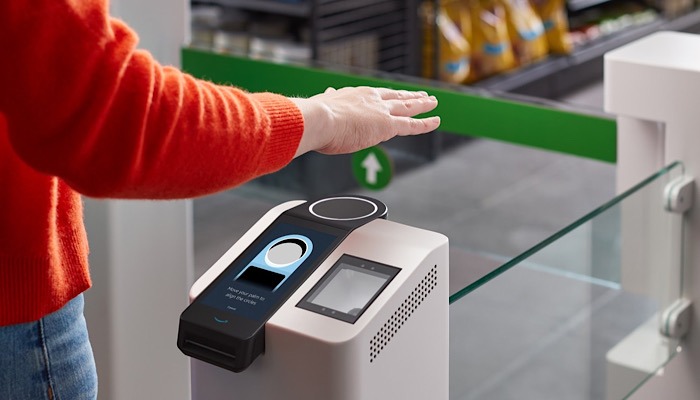
Amazon wants us to have another option. The Amazon One payment option is easy to set up. At a participating store, find an Amazon One kiosk or device, insert your credit card, and hover your hand over the device. This will associate your unique palm with your card. It takes less than a minute.
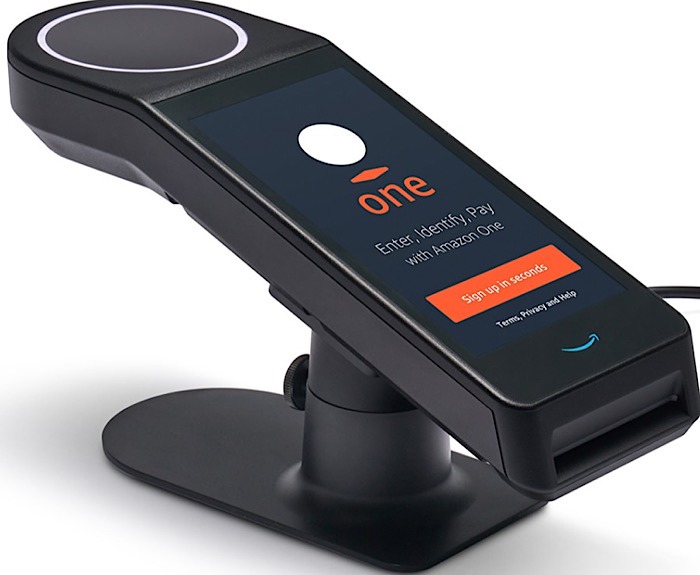
Once you’re enrolled, when you shop at a participating store, paying by hovering your palm over the device only takes a second. If you’re at a store where you haven’t paid with Amazon One, you may need to reinsert your card the first time.
Amazon claims that your data is secure with this service. It’s protected by “multiple security controls,” and the images of your palm are not stored on the reader. These images are encrypted and stored in the cloud.
Availability
Currently, outlets that accept the Amazon One payment method are limited, like many rollouts of new tech services. It’s available at Amazon stores in the Seattle, Washington, area, and Amazon announced plans to start rolling out to Whole Foods Market stores in the same area.
As an added bonus, if you choose to, you can connect your Amazon One account with your Amazon Prime account. This allows you to get your Prime discount at Whole Foods.
“At Whole Foods Market, we’re always looking for new and innovative ways to improve the shopping experience for our customers,” said senior vice president of technology and chief technology officer at Whole Foods Market, Arun Rajan.
“Working closely with Amazon, we’ve brought benefits like Prime member discounts, online grocery delivery and pickup, and free returns to our customers, and we’re excited to add Amazon One as a payment option beginning today,” said Rajan, noting the company looks forward “to hearing what customers think as we expand this option to additional stores over time.”
This adds another layer to Amazon’s hold on the shopping experience. There’s no doubt Amazon has become the king of online shopping, so much so, that it’s pushing some brick-and-mortar stores out of business. And now Amazon has its foot in the door there as well.
Read on to learn about Amazon’s further influence with plans for Amazon drone delivery.
Image Credit: Amazon News and public domain