
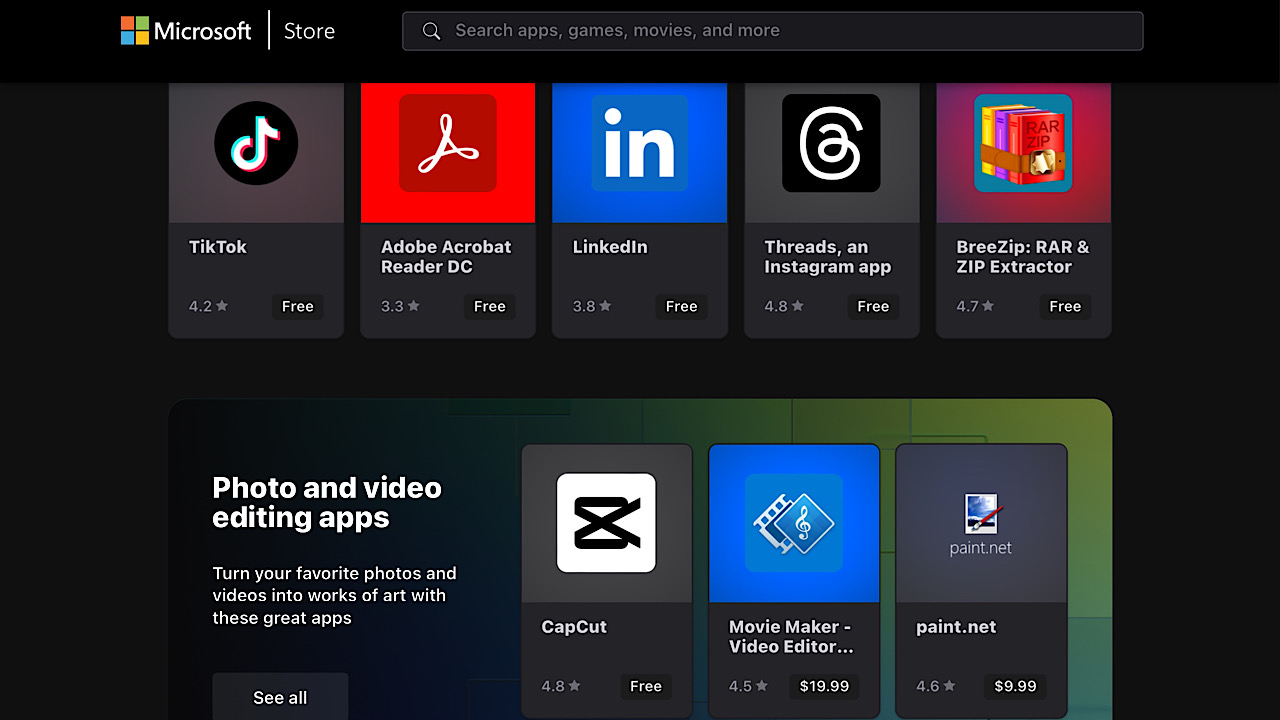

If you have been bothered about going through too many steps to install apps from the Microsoft Store, this will be welcome news for you. It was announced today on X that Microsoft Store installers were launched to streamline the process of installing apps directly from the Web
Previous Microsoft Store Install Method
Rudy Huyn, Principal Lead Architect of the Microsoft Store, made the announcement on X, formerly Twitter, regarding the Microsoft Store installers. He referred to it as a “new and streamlined way” to install Microsoft Store apps from apps.microsoft.com.
Huyn indicated that previously, the company had received feedback that users had to do too many clicks to install apps from the Microsoft Store on the Web. Previously, you would need to click Install on the Microsoft Store website, confirm in the dialog box, then click Install again in a mini window. While it doesn’t sound complicated by any stretch of the imagination, if you frequently install apps, it could become cumbersome quickly.
He added that the reason there was a second Install button was to ensure that the app install request was from a user and not a malicious script. You could be innocently downloading a productivity app and wind up really damaging your system, doing the opposite of what a productivity app should be doing.
Regardless of the installation method, take a look at the list of Windows apps you should uninstall right away.
Successful Microsoft Store Experiment
Huyn said to “enhance user experience and increase conversations for our ISVs,” they held an experiment throughout the last five months. Users in the experiment didn’t need to launch the store through a deep link, then open a mini window that simulated an installer. Instead, they built a process that extracted the code for a standalone installer.
The new method uses “the same logic and code as the larger app, managing prerequisites, entitlements, downloads, and installations.” Yet, it was put together in a smaller and undocked executable.
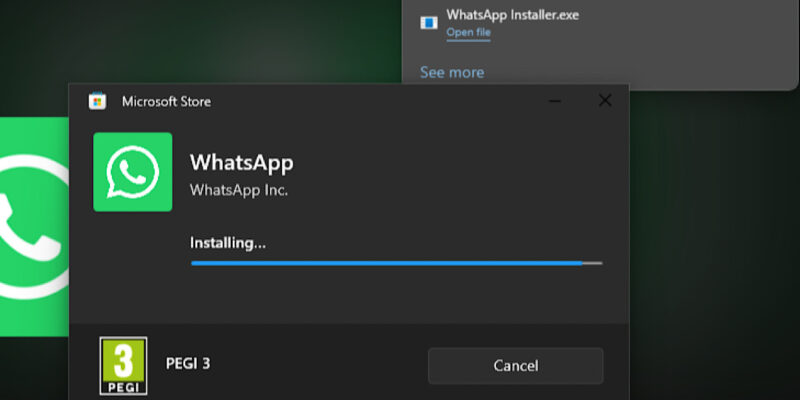
Huyn noted the advantages of using the undocked code, with most of it coming down to only needing two clicks to install the app. Additionally, the installer launches much faster than the Store, it is always up to date with the latest features, it works even if the Store was removed, and it supports multiple installations simultaneously.
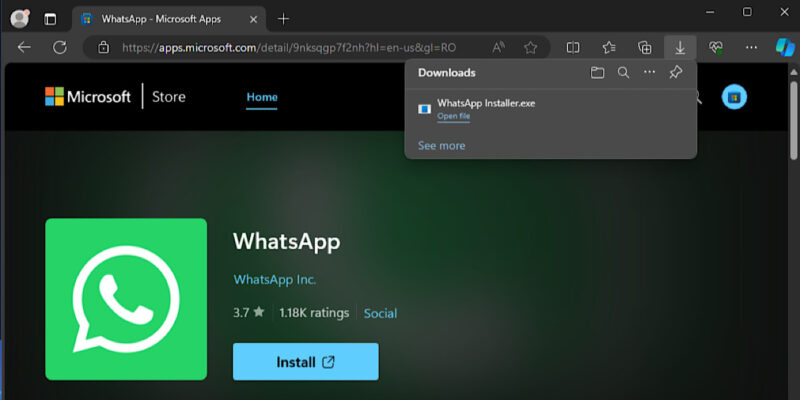
In our testing we found that the old system needed more resources, specifically RAM. It would open the Microsoft Store from the crowder, then the Store would call the executable. There was an overhead of 85 MB on the Microsoft Stoire, and the installation added another 49 MB, for a total of 134 MB. However, the new method only uses the executable, for a total of 49.8 MB of RAM at its peak, leading it to a faster open.
Microsoft received feedback from the Microsoft Store experiment, noting the developers and users who used this method in the first rounds of the experiment provided positive feedback. Additionally, it led to a 12 percent increase in app installs and a 54 percent increase in the number of applications launched after they were installed from the Microsoft Store.
This led Microsoft to roll out this method more fully, to more products and markets. Additionally, they are already planning further improvements.
Not all users seem enraptured by this idea, however. Some commented on the X post, asking if there were a way to disable this new installation method as a user or developer/publisher, stating the extra click isn’t cumbersome to them. It also led users to suggest it lowered their level of trust in the apps.
Whether new or old methods, if the Microsoft Store just will not work, check into these steps to get it working again.
All screenshots by Laura Tucker.