
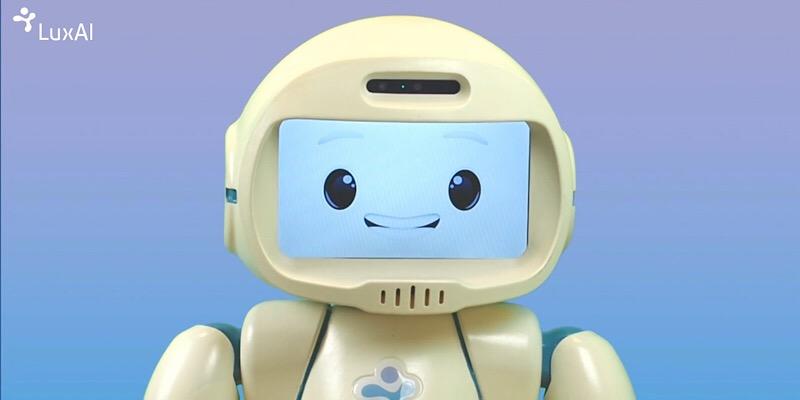

Anyone who has been around an autistic child knows how difficult it is for them to connect to others. They often freeze up or act out and won’t allow it. But a robot named QTrobot helps autistic children who get overwhelmed when connecting to people. The goal of this robot is for it to be a link between autistic children, therapists, and parents.
The QTrobot Robot
With robotic arms and a pleasant LCD face, QTrobot is a project from LuxAI, an offshoot of the University of Luxembourg. The plan is for them to present this technology at the RO-MAN 2018 conference later in August.
“The robot has the ability to create a triangular interaction between the human therapist, the robot, and the child,” explained co-founder Aida Nazarikhorram. “Immediately, the child starts interacting with the educator or therapist to ask questions about the robot or give feedback about its behavior.”
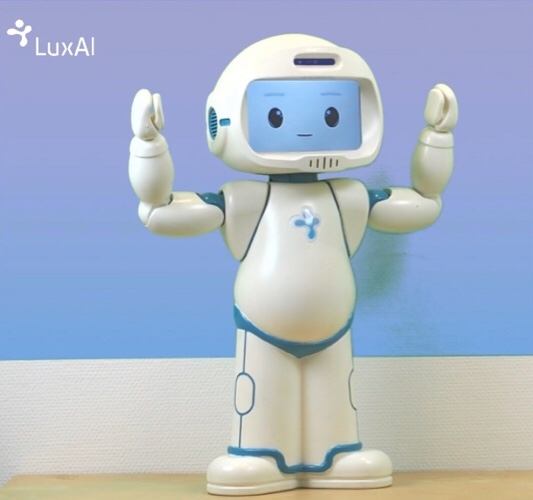
While other technical tools can be used with autistic children, such as an app or tablet, this robot is seen as a better choice because it’s “embodied” and has the ability to express emotion. It grabs the attention of the child and improves the learning situation more than an iPad with an educational app. While tablets are played with, autistic children work instead when around the robot.
Through the introduction of QTrobot to autistic children, they have witnessed behaviors such as the slowing down of hand flapping. It doesn’t become the focus of the therapy session nor interfere – the robot instead helps the therapist connect to the child.
What Makes It Tick?
The QTrobot is based on the Robot Agent Programming Language. Similar to other programming languages, it has an interface that opens it up to just the folks at LuxAI. The interface is based on Android. The robot can be used for hours on one charge and also includes a full processor and a 3D camera.
“Non-IT-expert people have made the first tests with our robots. They were able to program the robots for their purpose within twenty minutes. Our software lets anyone do it,” says LuxAI.
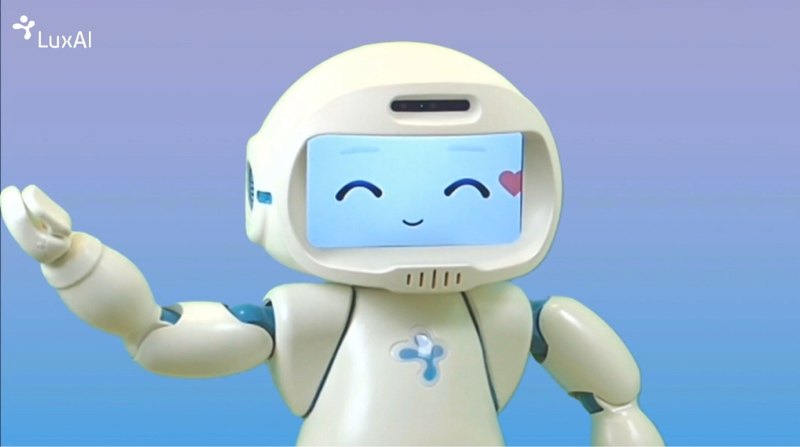
With the thought that this language and the Android platform could allow them to reach beyond the scope of autistic children, it’s hoped that it could even teach children foreign languages and perhaps help in areas such as elderly care.
“LuxAI shows how our efforts to translate research results into concrete applications of high social benefit are increasingly bearing fruit. There is a growing desire among our scientists to use their findings entrepreneurially as well. We are systematically supporting them on this,” adds the university.
Final Word
Autistic children are among the hardest to reach. If the QTrobot can reach them, it can reach anyone. It makes the scope of helping autistic children seem small, yet it also makes it seem even more important. It would be a godsend to parents who have fought for years to find a way to reach their children.
What do you think of this robot? It’s obvious that it’s fascinating and that it has the potential to do some real good. Where else do you think they could use this technology? Let us know in the comments section below.
Image Credit: LuxAI